...

Rugged Industrial Computers China Manufacturer & Wholesale Supplier

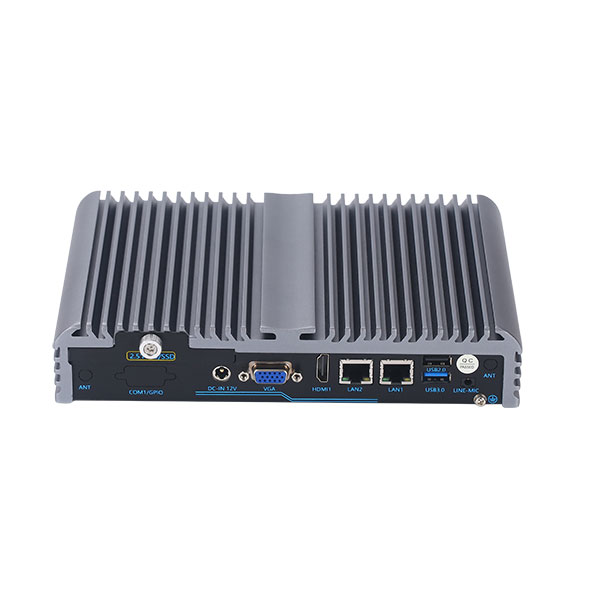
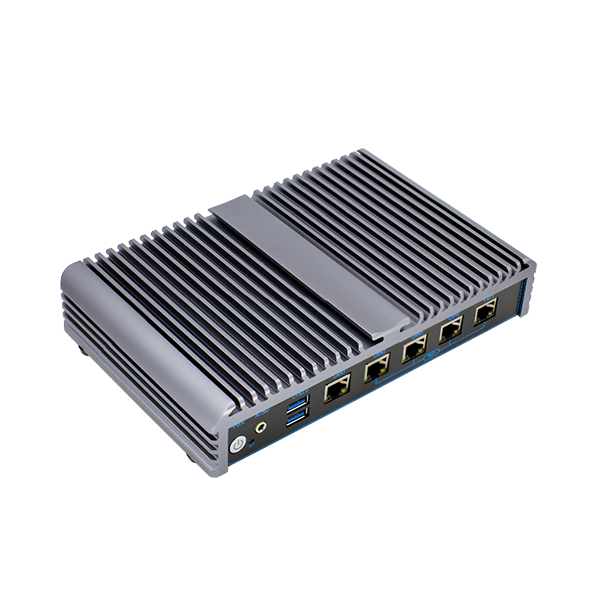
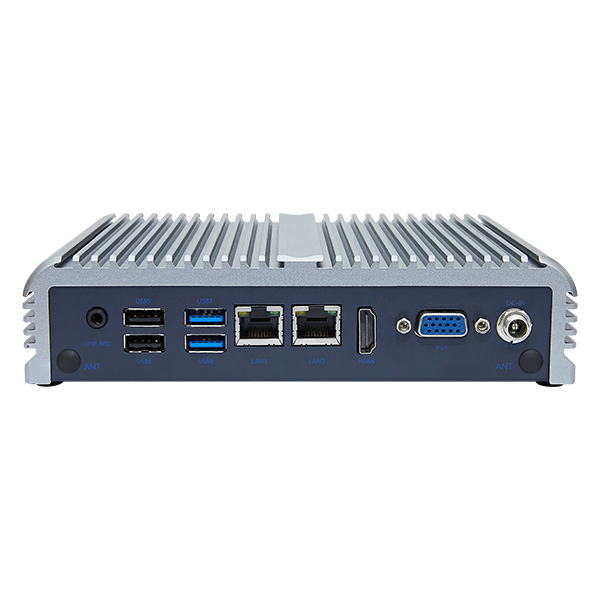
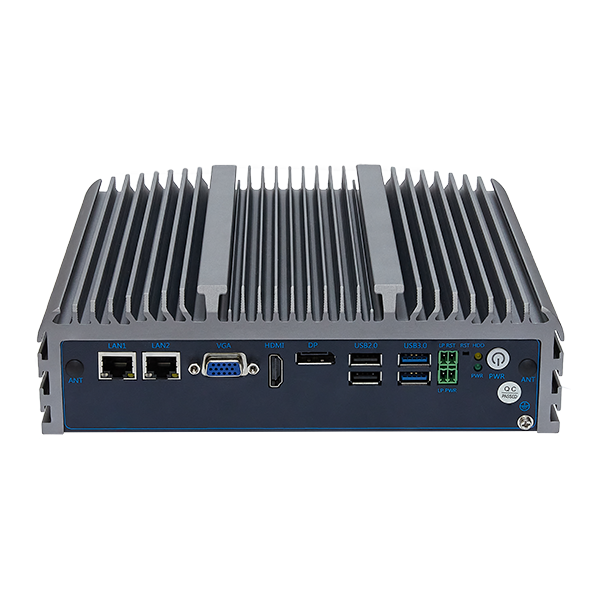
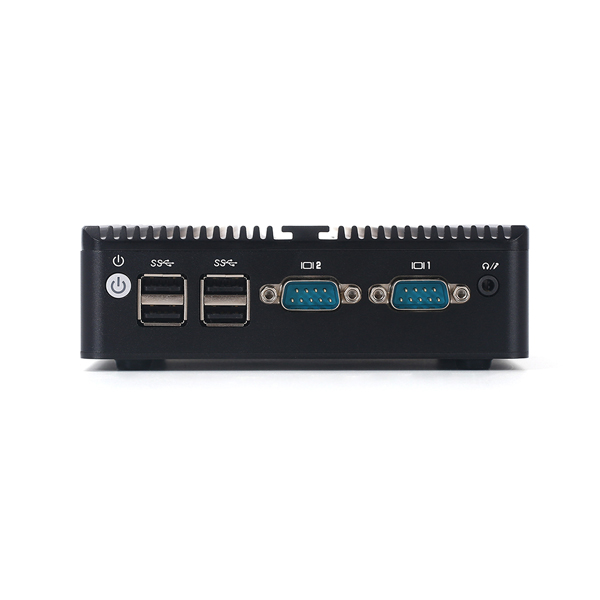
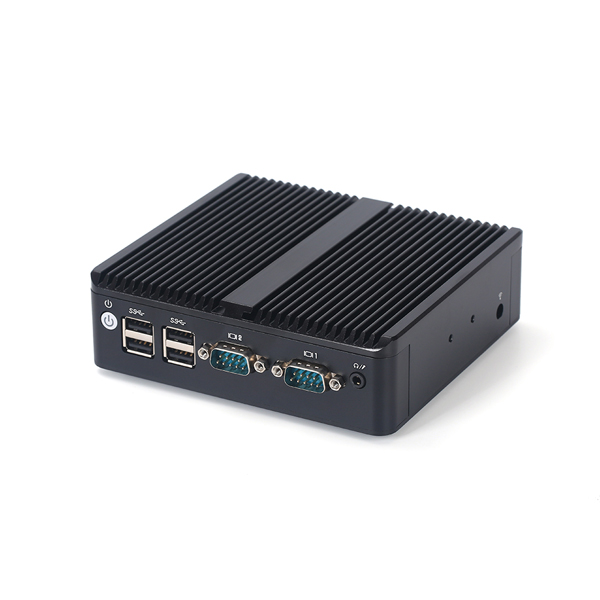
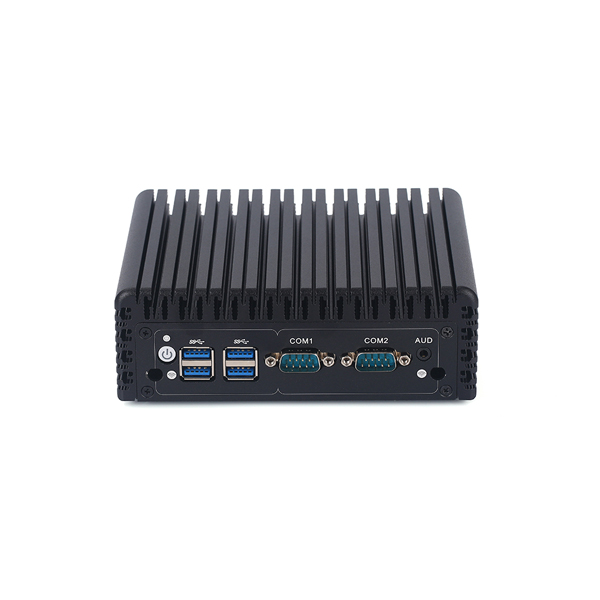
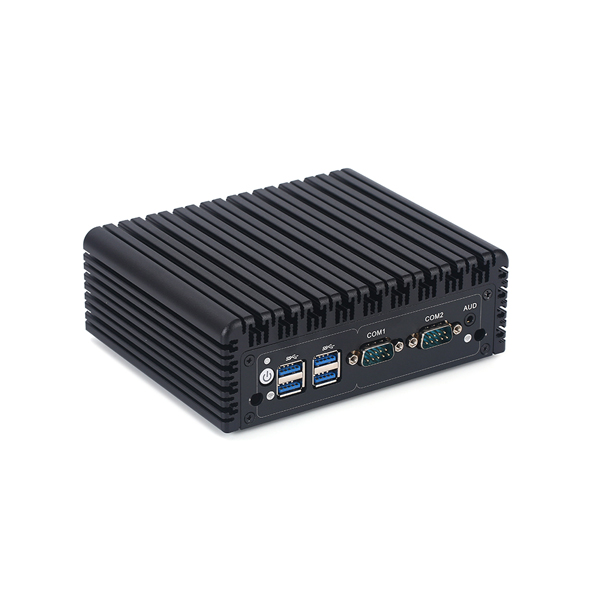
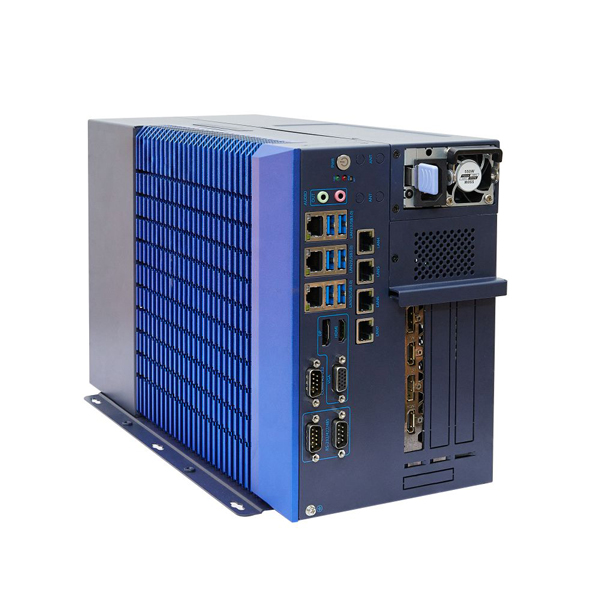
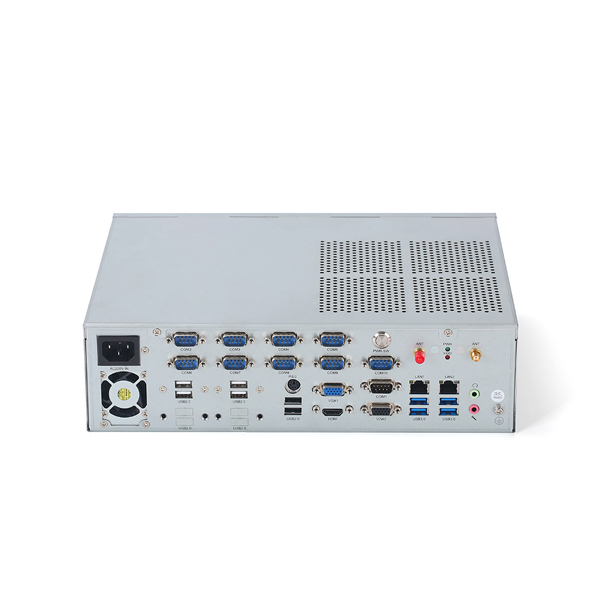
Valano’s embedded computers are compact, rugged systems designed for stable and continuous operation in harsh industrial environments. They deliver reliable computing performance for automation, monitoring, manufacturing and control applications, where system stability, durability, and long product lifecycle are essential.

Key Features of Valano Industrial Computers

  • Compact, rugged structure for industrial environments
  • Wide operating temperature range (–20°C to 70°C)
  • Multiple I/O interfaces for flexible equipment integration
  • Stable 24/7 operation under heavy workloads
  • Intel or AMD processor options for scalable performance
  • Wide voltage input for industrial power conditions
  • Custom configuration support for OEM or project needs

Valano Compact Embedded Computer Series

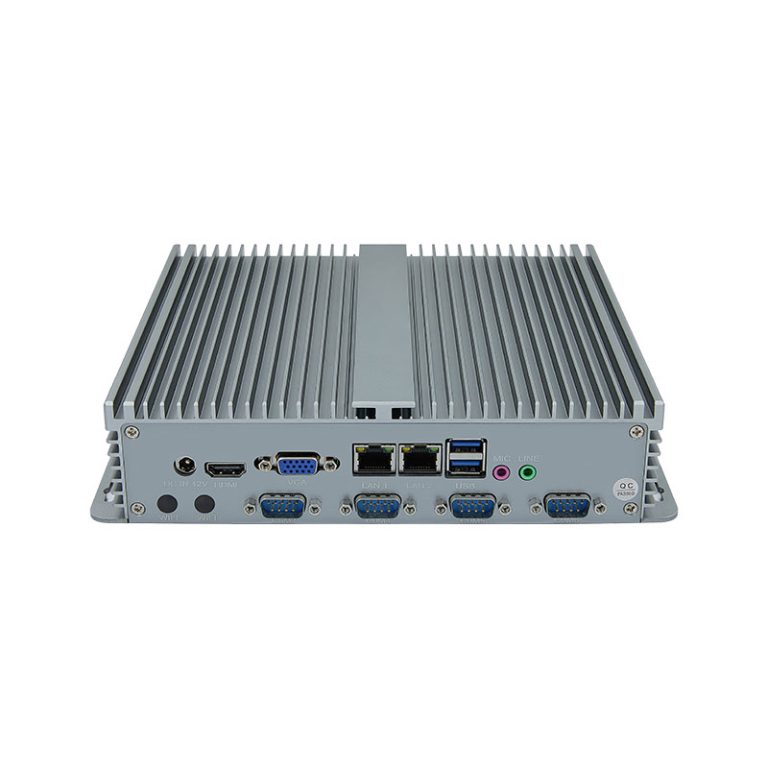
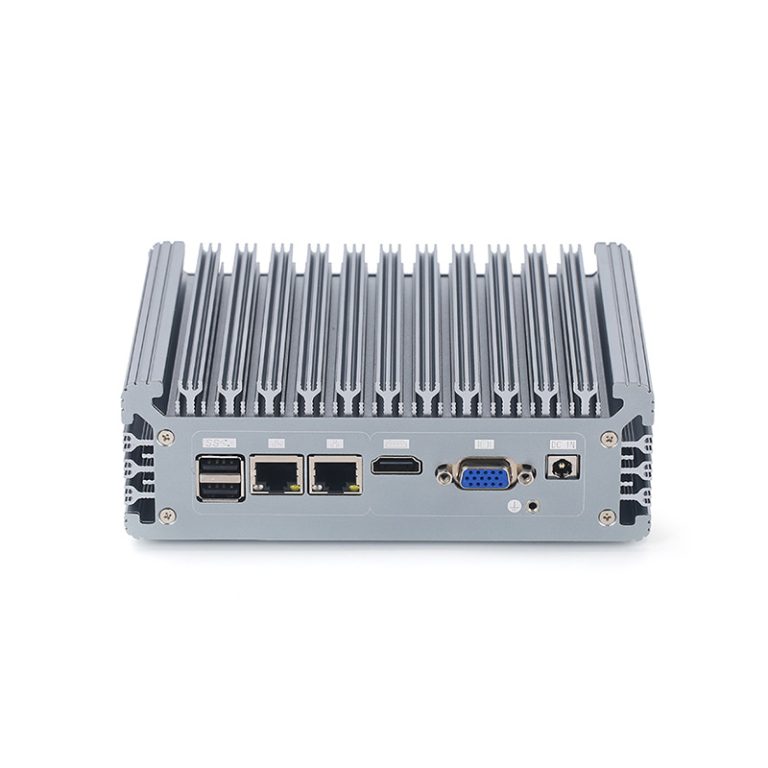
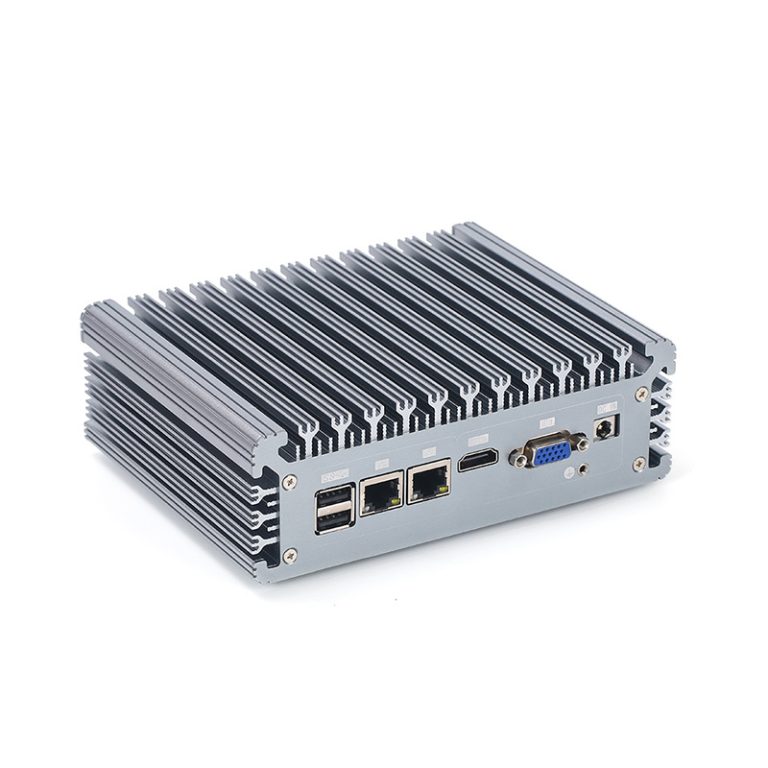
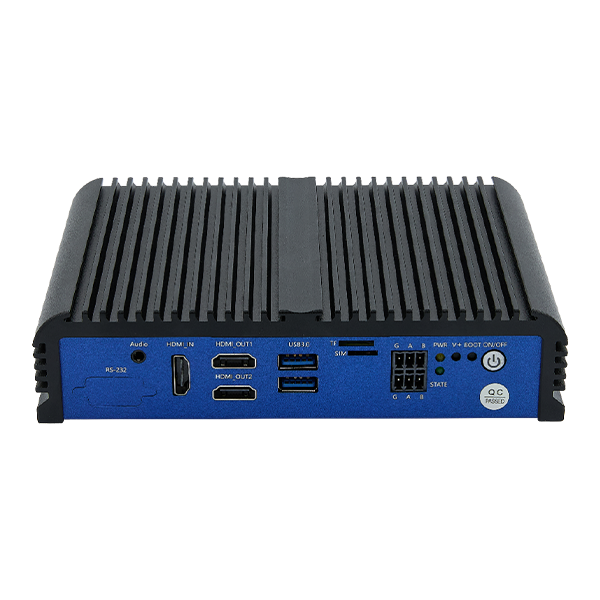
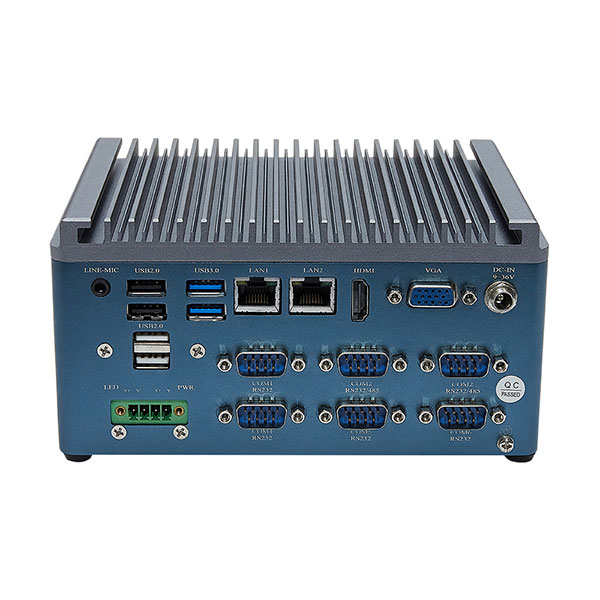
Rugged embedded computers are designed to operate continuously in environments with vibration, dust, and temperature fluctuations, ensuring reliable performance for industrial tasks. They feature sealed metal housing that efficiently manages heat and protects against contaminants. 

Their internal components are made from industrial-grade materials, supporting long-term operation with minimal maintenance. Industrial computers are ideal for applications like data collection, process control, machine vision, and other automation systems. With their compact design, these computers are perfect for environments where space is limited.

Intel N100 Fanless Mini PC | IC01A-N100
i5-5200U Fanless Industrial MINI PC IC03
IC12 Arm Industrial PC with RK3588 for High-Performance IoT and Industrial Control
Industrial PC with POE | Machine Vision Support | IC06-i3-5L
IC09 Powerful Fanless Embedded Box PC for Industrial Automation
IC08-D Tiger Lake Industrial Embedded Computer with Dual 2.5GbE
IC07-D Fan-Cooled Industrial Embedded Box PC – Intel 11th Gen
IC07 Embedded PC Fanless Powered by Intel® J6412
IC05 Rugged Mini PC Fanless with Intel 10Th Gen
IC06 Fanless Industrial Computer by Intel J1900
IC04 Customizable Industrial PC-Reliable & Versatile
IC02 Intel® Core™ I3 Industrial Computer

Expandable Embedded Box Computer Series

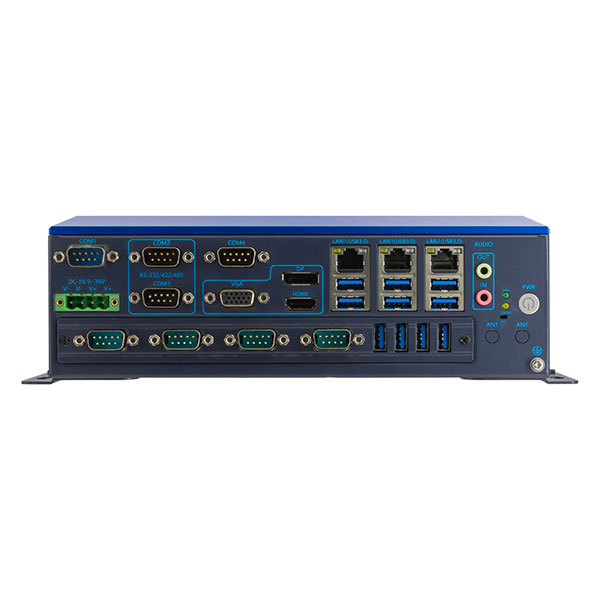
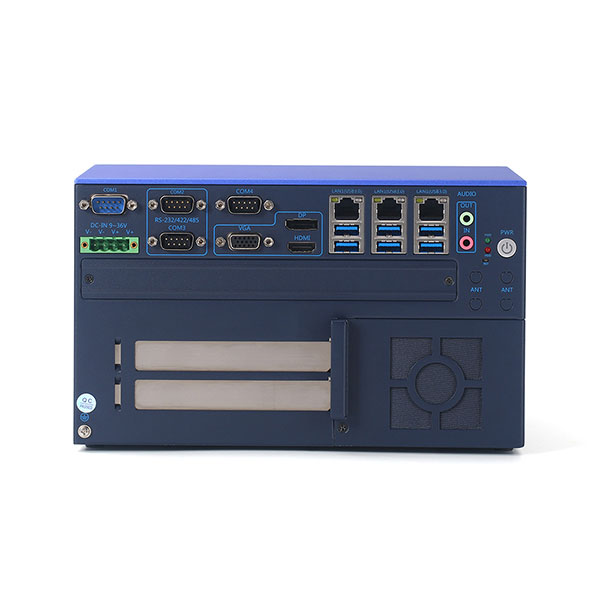
Expandable industrial embedded PCs offer a variety of I/O options, including models with expansion slots for customization. These high-performance systems are designed for industrial automation and manufacturing environments, supporting applications such as machine vision and iFactory operations.

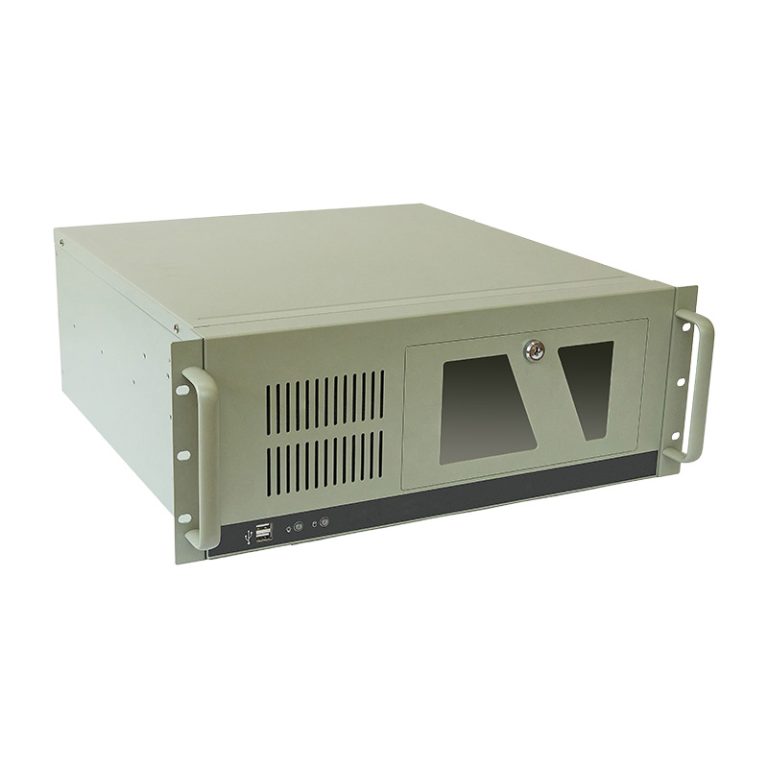
4U Rack Mount PC | F04-4UQ17
IC07-Pro Embedded Industrial PC for Industrial Edge Computing
IC10 Intel 6-9Th Gen Embedded Computer
IC10-Pro Rugged Industrial Computer by Intel Core I5/I7
IC10-Pro Max Reliable Rugged Embedded Computer
IC11 2U Rackmount Industrial Computer with Galvanized Steel Chassis

Types of Valano Embedded Industrial Computers

Fan-Cooled Industrial Computers

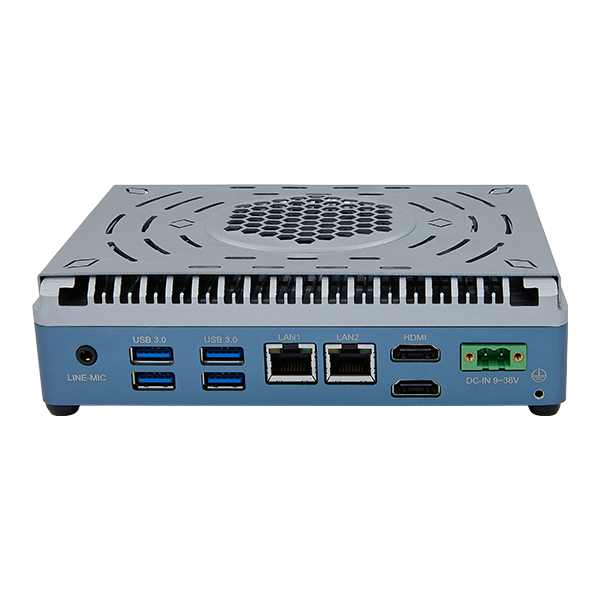
Fan-cooled embedded computers use active cooling with a fan to expel heat generated by internal components. This cooling method is ideal for systems that require high processing power or continuous operation in environments without extreme dust or moisture. 

The fan helps maintain optimal operating temperatures, preventing overheating and ensuring system stability. These systems are typically more cost-effective and suitable for environments where cooling needs are manageable.

However, the fan introduces moving parts that can wear over time, especially in dusty or harsh environments. Regular maintenance is essential to ensure the fan continues to function efficiently, keeping the system cool and reliable.

Fanless Industrial Computers

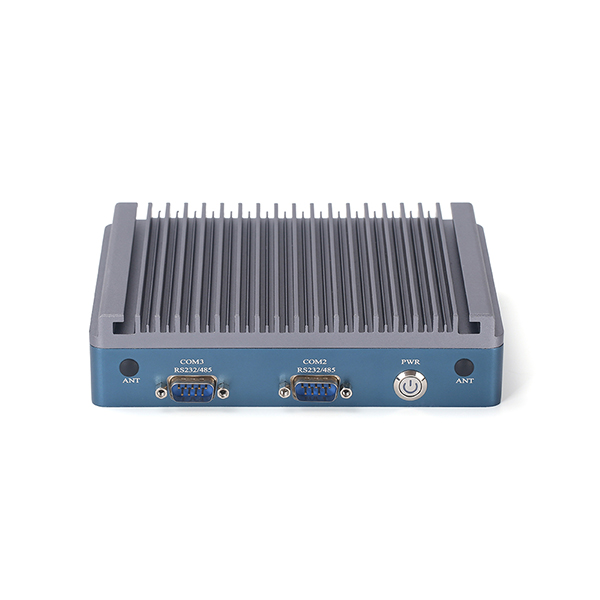
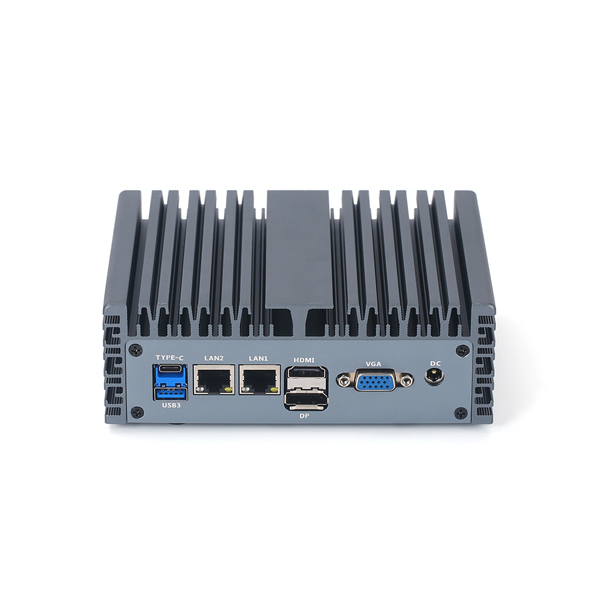
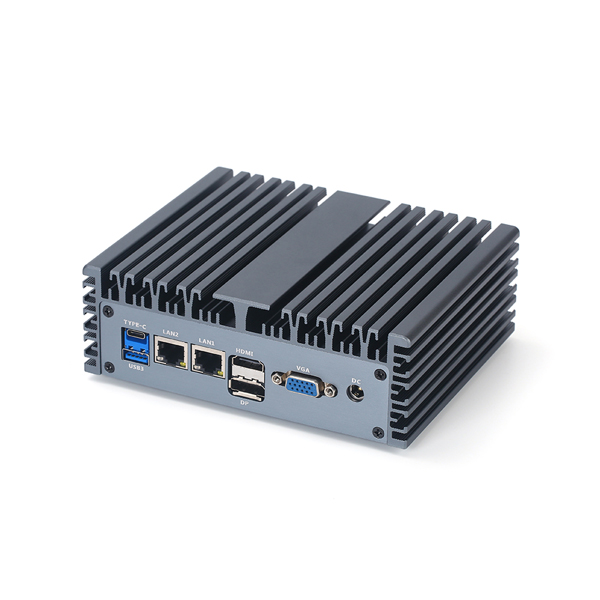
Fanless embedded industrial computers rely on passive cooling methods, such as heat sinks, thermal conduction, and natural convection, to dissipate heat. These systems are more reliable in environments where dust, dirt, or moisture may compromise active cooling. They are energy-efficient and operate silently.

Fanless systems are best suited for long-term, continuous operation in rugged environments, such as outdoor kiosks, remote monitoring systems, or food processing plants. With no fan to maintain, these systems offer greater durability and reliability, requiring minimal upkeep over their lifespan.

Why Embedded Computers are Essential for Industrial Operations

Embedded computers are built for continuous operation in harsh industrial environments. They are designed to withstand high temperatures, vibrations, dust, and moisture. This reliability ensures minimal downtime and extended service life.

Reliability and Durability

Embedded computers are typically smaller and more compact than traditional desktop computers. Their reduced size allows for easy integration into machinery or control systems without taking up valuable space. This makes them ideal for applications where space is limited.

Compact and Space-Efficient

Embedded computers consume less power, making them suitable for 24/7 operations without significantly impacting energy costs. This is especially important in industries that require constant system uptime, such as manufacturing and process control.

Energy Efficiency

Embedded computers are designed to provide real-time processing capabilities, which is crucial for applications that require immediate feedback or control, such as automated manufacturing or robotics. They can handle time-sensitive tasks with high precision, ensuring smooth and efficient operations.

Real-Time Performance

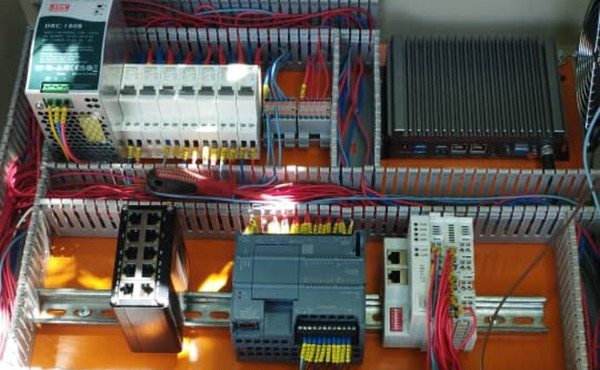
Embedded computers are easily integrated into industrial networks, allowing them to communicate with other devices, sensors, and machinery. They often come with a variety of connectivity options, such as Ethernet, Modbus, or wireless protocols, enabling seamless integration into industrial automation and control systems.

Easy Integration with Industrial Networks

Embedded computers are designed for long-term use, providing exceptional durability and low-maintenance operation. High quality imdustrial computers can last for many years. Manufacturers offer long-term support and updates, allowing businesses to keep systems running smoothly without unexpected interruptions.

Longevity and Support

Valano Industrial Computer Custom Options

CategoryCustom Options
Processing Power and Performance

Custom CPU options (Intel, AMD, ARM, etc.)

Multi-core processors for high-performance tasks

Customizable RAM capacity (up to specific limits)

Storage Options

SSD or HDD based on capacity requirements

High-speed storage for real-time data processing

Optional RAID configurations for data redundancy

I/O Ports and Connectivity

Custom ports (USB, RS232, RS485, Ethernet)

Expansion slots for additional I/O or communication interfaces

Wireless connectivity options (Wi-Fi, Bluetooth, 4G/5G)

Form Factor and Size

Compact designs for space-constrained applications

Custom enclosures for specific dimensions or mounting requirements

Fanless or fan-based systems based on environmental needs

Operating System and Software

Custom OS installations (Linux, Windows, etc.)

Customizable firmware to support specific industrial protocols

Environment ProtectionIP-rated enclosures for dust, moisture, or waterproof applications
OEM Services

Logo customization and branding

Custom packaging solutions

Applications of Embedded Industrial Computers

Automation and Control Systems

Automation and Control Systems

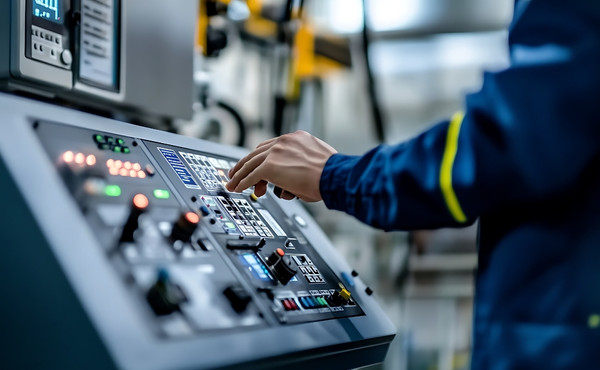
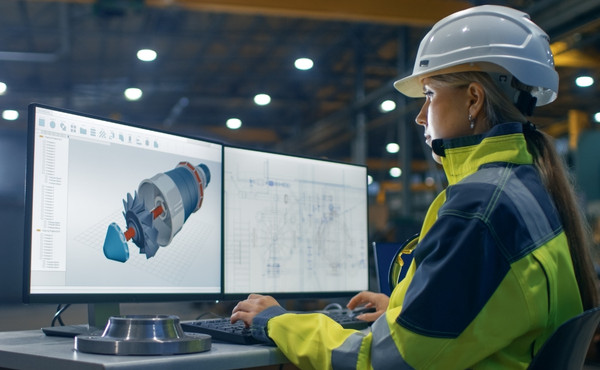
Embedded industrial computers are essential in automating processes in manufacturing plants, providing real-time control and monitoring of production lines, machinery, and equipment, ensuring efficiency and precision.

Industrial IoT (IIoT)

Industrial IoT (IIoT)

These computers are crucial for connecting machines and sensors to the internet, enabling data collection, predictive maintenance, and remote monitoring to improve operations and reduce downtime.

Machine Vision and Quality Control

Machine Vision and Quality Control

Embedded computers are used in vision-based applications to inspect products for quality, detecting defects, measuring dimensions, and ensuring that products meet industry standards.

Edge Computing in Smart Manufacturing

Edge Computing in Smart Manufacturing

Embedded computers are used at the edge of networks in smart manufacturing systems, processing data locally to reduce latency and improve decision-making. They support predictive maintenance, quality control, and real-time adjustments in production processes.

Order-to-Delivery Process for Valano's Industrial Computers

1. Order Submission and Confirmation

Customers can explore product details directly on our website and submit a quote request for the industrial computers they’re interested in. Alternatively, they can contact us via WhatsApp or Skype to confirm product specifications and customization requirements.

2. Order Processing and Production

Once the order is confirmed, our team begins processing it and schedules production based on the customer’s quantity and customization needs. Each industrial computer undergoes strict quality control, with comprehensive testing to ensure top-tier performance and durability.

3. Packaging and Shipping

After production, the equipment is carefully packaged and prepared for shipment. We coordinate with our logistics partners to ensure timely and secure delivery to the customer’s specified address. Customers can track their order in real-time through the provided tracking information.

4. Post-Delivery Support

After delivery, our after-sales team follows up to ensure the industrial computers are working as expected. We offer ongoing support to ensure the products perform optimally in their intended applications.

Why Choose Valano?

Years of Industry Experience

With years of experience, Valano understands the needs of industries that rely on industrial computers. Our solutions are designed to meet the high standards of durability, reliability, and performance.

Customized Solutions

We offer flexible customization options for all our industrial computers. Whether you need personalized branding, packaging, hardware, or structural adjustments, we provide reliable solutions to meet your exact needs.

24/7 Customer Support

Our team is available 24/7 to guide you through product selection, troubleshooting, and technical support. We ensure that you get the right solutions and that your systems continue to perform at their best

Strict Quality Control

Each product undergoes thorough testing to ensure it performs well under demanding conditions. Our commitment to quality ensures that you receive high quality products every time.

Long-Term Partnerships

We focus on fostering lasting relationships. We support your business with continuous solutions, adapting to your evolving needs, and ensuring long-term reliability as your operations expand.

Key Factors to Consider When Buying Industrial Computers

buy industrial computers online

1. Performance Specifications

The performance of an embedded industrial computer is crucial to its ability to handle demanding tasks. When selecting one, evaluate the processor type, speed, and core count. 

Intel and ARM processors are commonly used in industrial systems due to their robust performance. Additionally, consider the RAM and storage options. Sufficient memory and fast storage are essential to ensure smooth operation, particularly when handling large datasets or running complex applications.

2. Environment and Durability

Industrial environments often involve harsh conditions such as extreme temperatures, vibrations, and exposure to dust and moisture. Therefore, durability is a top consideration. 

Look for embedded industrial computers with robust enclosures that meet international protection standards such as IP65, which ensures dust and water resistance. Furthermore, verify that the computer can operate within a wide temperature range, typically between -40°C and 85°C, to withstand extreme working environments.

3. Connectivity and Expansion Options

An embedded industrial computer should have various connectivity options to integrate seamlessly into your industrial network. Key features to consider include Ethernet ports, USB, serial ports (RS232/RS485), and wireless capabilities like Wi-Fi or Bluetooth. 

These features ensure that the computer can communicate with other machines, sensors, or devices in your system. Additionally, check for expansion slots for future upgrades, such as adding additional I/O ports or PCIe cards.

4. Energy Efficiency

Energy efficiency is crucial for reducing operating costs, particularly in industries that run 24/7. Choose an embedded industrial computer with low power consumption while still offering the necessary performance. 

Low-power CPUs, solid-state drives (SSDs), and energy-efficient cooling systems contribute to overall energy savings, which is especially important in continuous operation scenarios.

5. Customization and Support

Your industrial computer may need to be customized based on specific requirements, such as tailored I/O ports, OS support, or compatibility with certain software applications. 

A reliable supplier that offers customization services and long-term support ensures that the system will adapt to your business’s evolving needs. Look for companies with a solid reputation for customer support and after-sales services.

FAQ

1. What is an industrial computer

Industrial computers are specialized computing devices designed for use in harsh environments or industrial settings. These computers are built to withstand extreme conditions such as temperature fluctuations, dust, vibration, and humidity, making them ideal for applications in manufacturing, automation, process control, and other industrial fields.

Embedded computers support a variety of operating systems, depending on the application and hardware configuration. Common options include Linux (Ubuntu, CentOS, Yocto), Windows Embedded (Windows 10 IoT), Real-Time Operating Systems (RTOS) like VxWorks and FreeRTOS, as well as Android for specific industrial uses. These systems are chosen based on performance needs, customization, and the nature of the tasks to be performed, such as automation, control, or machine vision.

Yes, many embedded computers offer memory expansion, though it depends on the design. Some systems have removable RAM modules (e.g., DDR3/DDR4, SO-DIMM) for easy upgrades, while others may feature soldered RAM, which is fixed and non-upgradable. Additionally, embedded systems commonly support external storage through SD cards, SATA drives, mSATA, or NVMe SSDs, allowing for flexibility in storage expansion.

Industrial embedded computers support a range of GPUs depending on their processing requirements. These include integrated GPUs such as Intel UHD or AMD Radeon Vega for basic graphical tasks, as well as discrete GPUs like NVIDIA Jetson (for AI and machine vision) and NVIDIA Quadro for high-performance applications. Some systems also support external GPUs (eGPU) via PCIe or Thunderbolt for more demanding graphical workloads, such as simulation, 3D rendering, and video processing.

The primary difference between embedded box computers and touchscreen panel computers lies in their form factor and user interface.

  • Embedded Box Computers: These are compact, rugged computing devices designed for industrial environments. They typically come without a display and are intended to be integrated into larger systems or connected to external monitors. These systems are often used in automation, process control, and edge computing, offering flexibility in connectivity and customization.

  • Touchscreen Panel Computers: These systems combine both the computing hardware and display into a single unit. They feature a built-in touchscreen interface, allowing users to interact directly with the system. Panel computers are commonly used in human-machine interface (HMI) applications, digital signage, and environments where direct visual interaction is required.

Both types serve distinct purposes in industrial and commercial applications, with embedded box computers focusing on versatility and ruggedness, while touchscreen panel computers are designed for intuitive user interaction.


Industrial computers are used across a wide range of industries that require reliable, rugged, and high-performance computing solutions. Key industries include:

  • Manufacturing: For automation, control systems, and monitoring production lines.
  • Automotive: In robotic assembly, vehicle testing, and telematics systems.
  • Oil & Gas: For monitoring and controlling operations in harsh environments, such as drilling platforms and refineries.
  • Transportation: In systems like fleet management, traffic control, and logistics.
  • Energy: Used in power plants, renewable energy monitoring, and grid management.
  • Aerospace & Defense: For mission-critical applications, surveillance, and real-time processing.
  • Healthcare: In medical devices, diagnostic equipment, and patient monitoring systems.
  • Retail & POS: In point-of-sale systems, self-service kiosks, and inventory management.
  • Food & Beverage: For monitoring production and maintaining hygiene and quality control.

Industrial computers typically cost more than commercial computers due to their specialized design for harsh environments. They can withstand extreme temperatures, vibrations, dust, and moisture. Industrial-grade components provide superior durability, which allows industrial computers to function reliably in challenging conditions.

Additionally, they often have longer lifespans, higher performance, and features tailored to real-time control, automation, and other critical tasks. The investment in quality, reliability, and long-term support makes industrial computers more expensive than their commercial counterparts.

Scroll to Top

Get A Free Quote Now !

Contact Form Demo (#3)
If you have any questions, please do not hesitate to contatct us.
Valano Company