Skip to content
Intel Tiger Lake Processor Advantages
The Intel Tiger Lake processor offers clear advantages for industrial computers that require reliable performance and long-term stability. Compared with earlier generations, Tiger Lake delivers higher CPU performance, which improves system responsiveness in automation control, data acquisition, and edge computing tasks.
Built on an advanced manufacturing process, the Tiger Lake processor achieves better power efficiency and lower heat output. This supports compact and fanless industrial PC designs and helps maintain stable operation in 24/7 environments. The integrated Intel Iris Xe graphics provide a noticeable upgrade in display performance, allowing smooth HMI operation and stable multi-display output without the need for a discrete graphics card.
Tiger Lake also supports modern interfaces such as PCIe 4.0, USB4, and Thunderbolt 4. These features enable faster data transfer and easier connection with industrial peripherals, vision systems, and high-speed storage devices. Hardware-level security technologies enhance system protection, which is important for industrial networks and edge deployments.
Why Dual 2.5GbE Matters in Industrial Computers
Dual 2.5GbE refers to an industrial computer being equipped with two independent 2.5-Gigabit Ethernet ports. This networking capability plays an important role in modern industrial systems where data volume, stability, and uptime are critical.
Higher Network Throughput
Compared with traditional 1GbE, 2.5GbE provides increased bandwidth. This supports faster data transfer for applications such as machine vision, real-time monitoring, and edge computing, without requiring major changes to existing network infrastructure.
Network Redundancy and Separation
Dual Ethernet ports allow flexible network design. One port can be used for the factory or enterprise network, while the other connects directly to machines or devices. This improves system stability and helps reduce the risk of network-related downtime.
Support for Industrial Applications
Dual 2.5GbE is well suited for industrial computers used in automation, vision inspection, and data-intensive control systems. It ensures reliable communication in environments that demand continuous operation and consistent network performance.
How to Choose a High-Performance Embedded Industrial Computer
1. Processing Power for Industrial Workloads
Select a multi-core processor that matches your application needs. For automation, machine vision, or edge computing, Intel® Core™ i3/i5/i7 processors provide reliable performance and long-term scalability.
2. Memory and Storage Flexibility
Ensure support for sufficient DDR4 memory and high-speed NVMe SSD storage. Expandable storage options allow smooth data processing and future upgrades.
3. High-Speed Network Connectivity
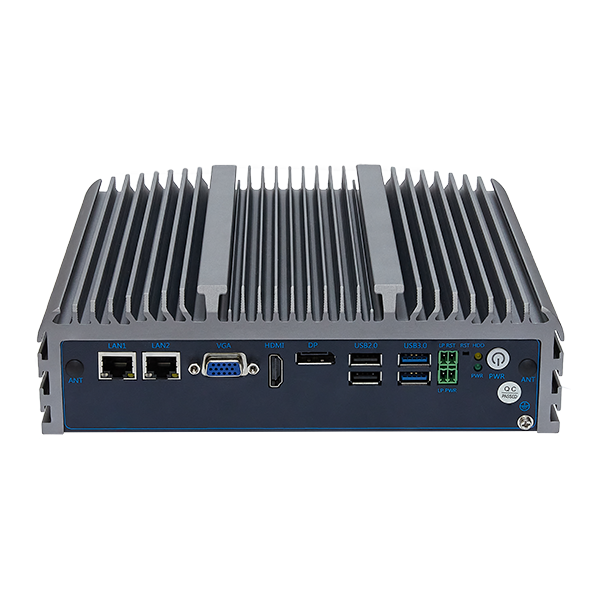
Dual 2.5GbE LAN ports enable faster data transmission, network separation, and stable communication for data-intensive industrial applications.
4. Rich Industrial I/O Interfaces
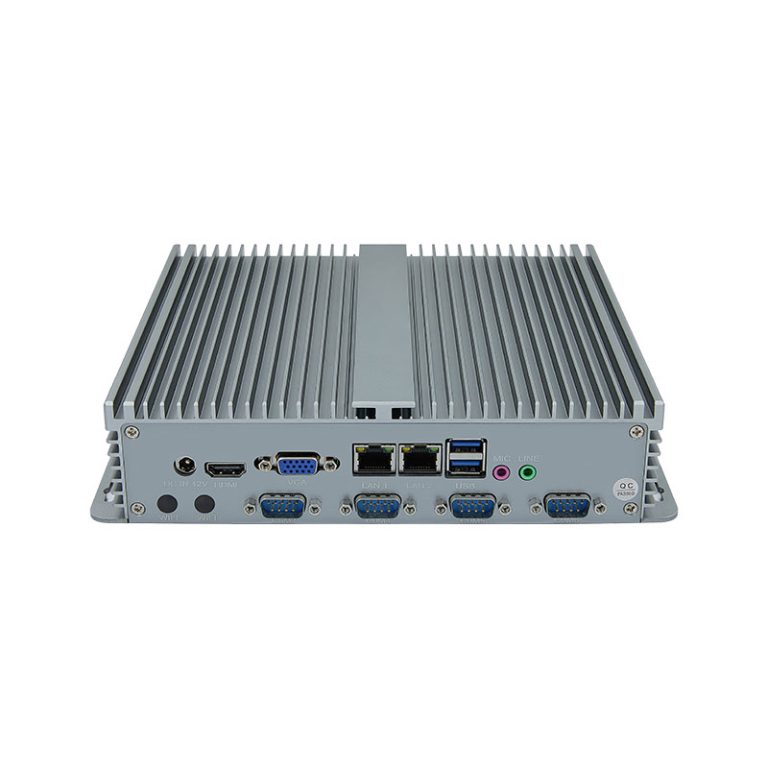
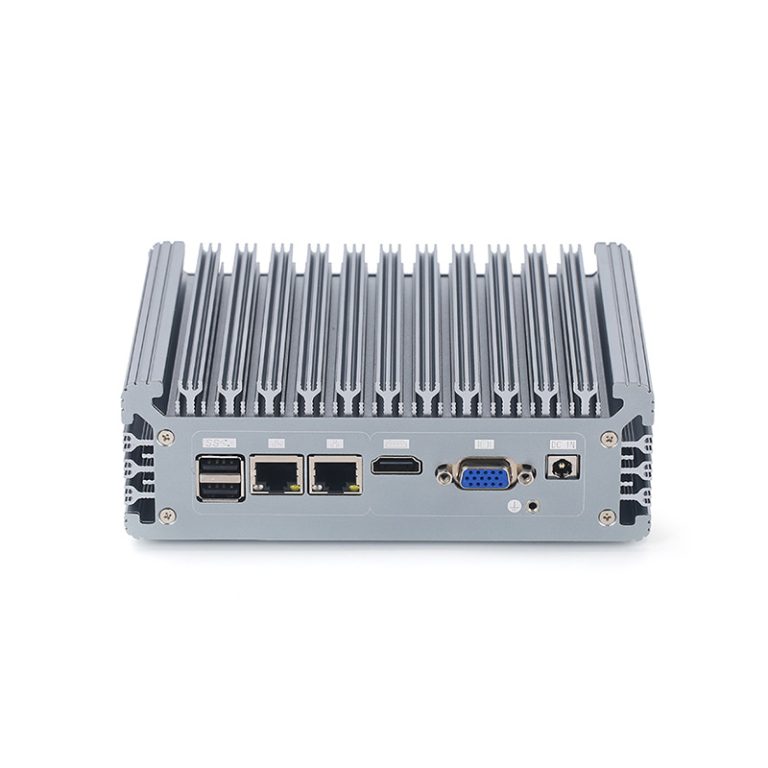
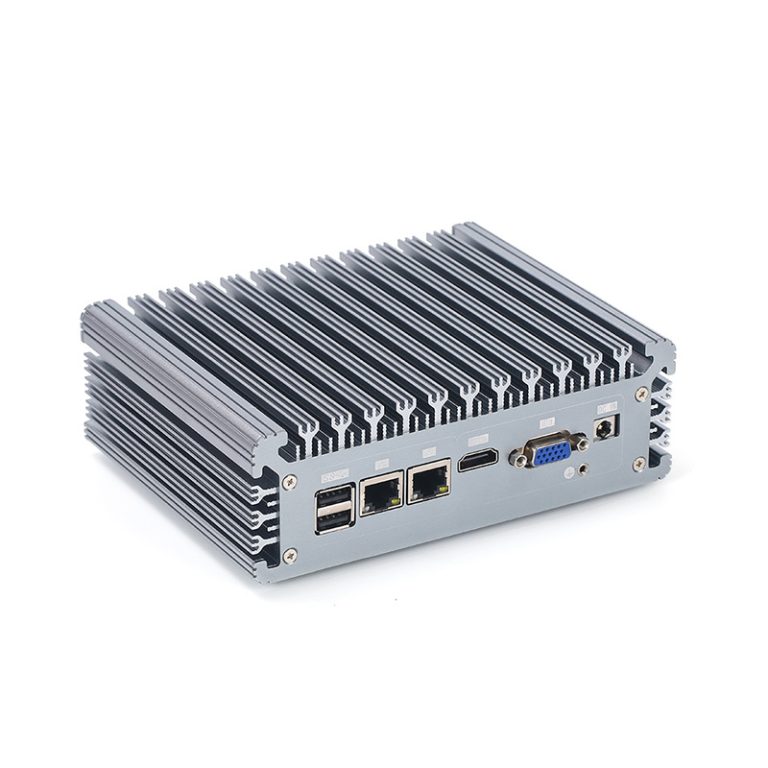
Look for multiple COM ports, USB, display outputs, and GPIO to ensure seamless integration with industrial equipment and control systems.
5. Industrial-Grade Reliability
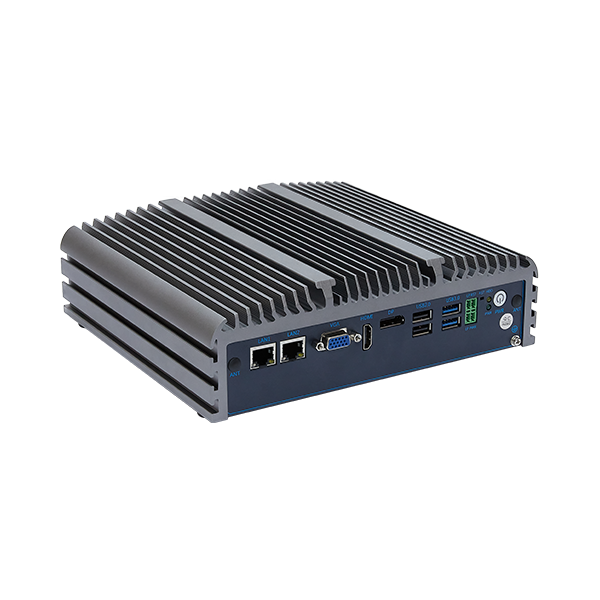
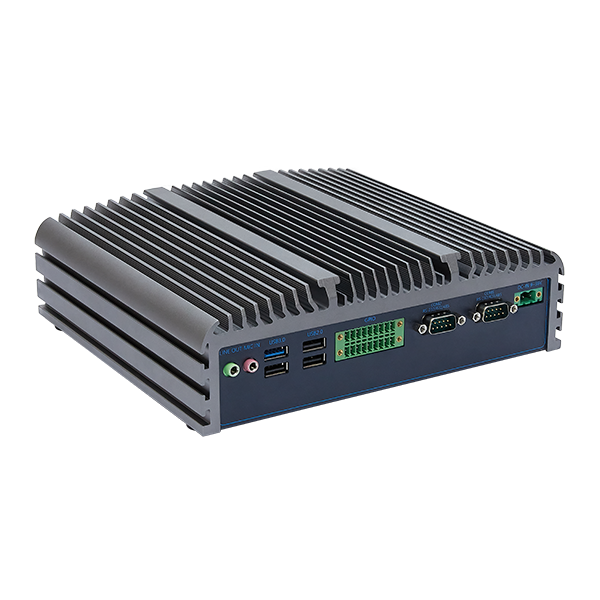
Wide voltage input, fanless cooling, and a durable aluminum chassis ensure stable 24/7 operation in harsh environments.
FAQ
1. What is Industrial Embedded Computing?
Industrial embedded computing refers to specialized computers built for harsh environments, such as factories, energy sites, and transportation systems. These systems combine processing, memory, storage, and I/O in a rugged chassis, enabling reliable machine control, data acquisition, edge analytics, and industrial networking. Unlike standard PCs, they are designed for continuous operation under extreme temperatures, vibration, dust, and electrical noise.
2. How Should Industrial Embedded Computers Be Maintained for Optimal Performance?
Regular maintenance ensures long-term reliability. Key practices include inspecting power and I/O connections, monitoring and replacing SSDs as needed, checking environmental conditions, and applying firmware, BIOS, and OS updates through controlled procedures. Maintaining system backups and performing preventive cleaning and checks minimizes downtime and extends system lifespan.
3. How Does Industrial Embedded Computing Differ from Standard Embedded Design?
Industrial embedded computing differs from standard embedded design in reliability, ruggedization, and long-term performance. These systems handle extreme temperatures, vibration, and shock, provide deterministic I/O, and support industrial protocols like Modbus, ProfiNet, and EtherCAT. They also feature enhanced power management and security, making them ideal for factory automation, edge computing, and other critical industrial applications.