Skip to content
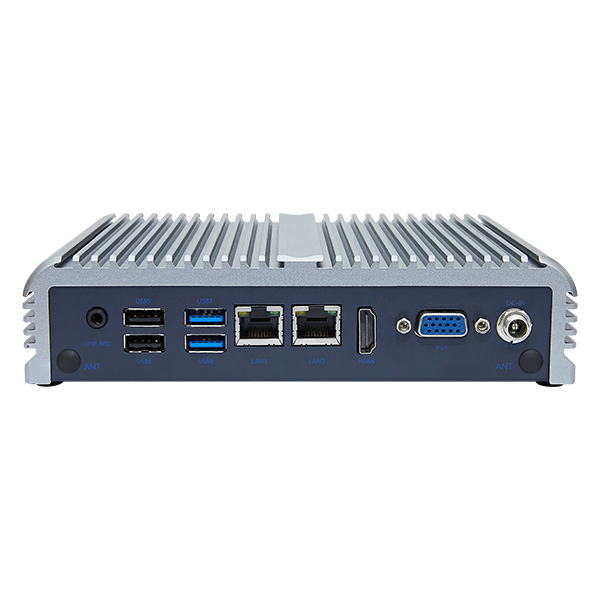
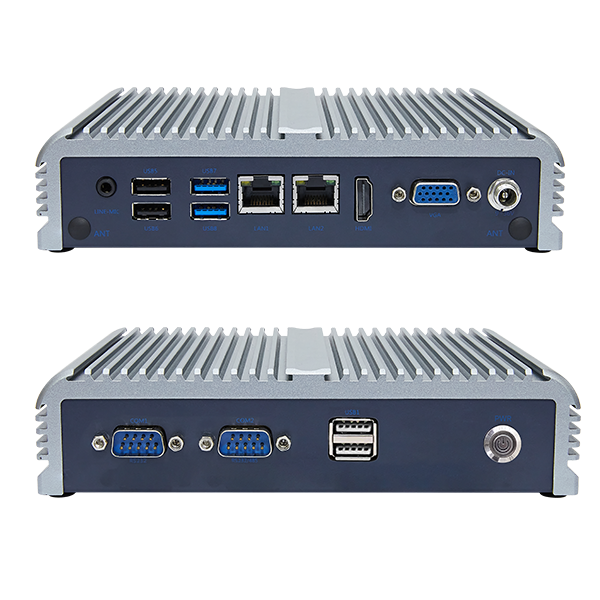
Applications of Fanless Embedded Box PCs
- Factory Automation: Controlling machinery, assembly lines, and process monitoring with reliable, real-time computing power.
- Robotics: Running control software and data processing for intelligent robotic systems.
- Transportation and Logistics: Managing fleet systems, tracking, and remote monitoring applications.
- Energy Management: Supervising smart grids, power plants, and renewable energy installations.
- Remote Monitoring and Data Acquisition: Collecting and processing data from sensors and devices in distributed locations.
- Industrial IoT Gateway: Acting as a local edge computing node that aggregates and processes data before cloud transmission.
Why Fanless Design Matters in Embedded Box PCs
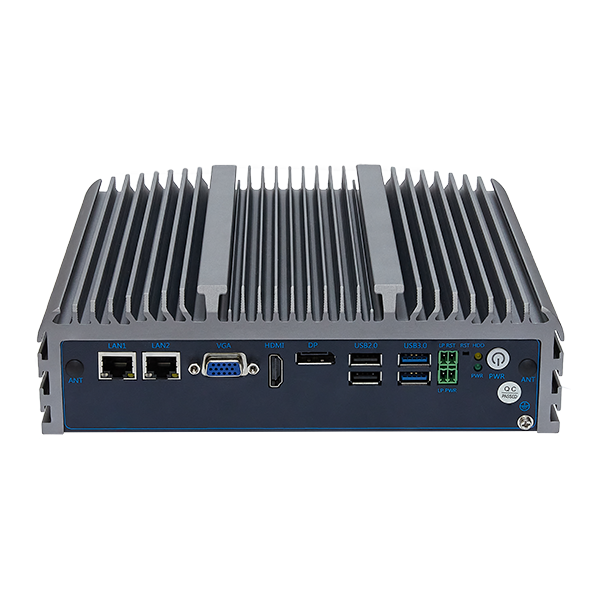
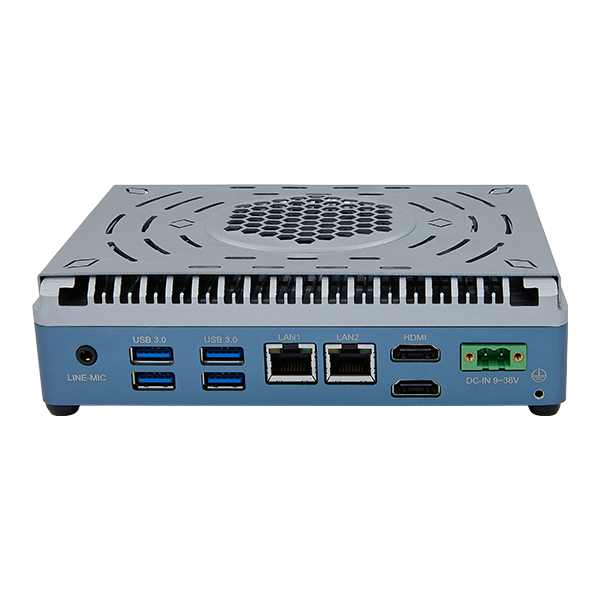
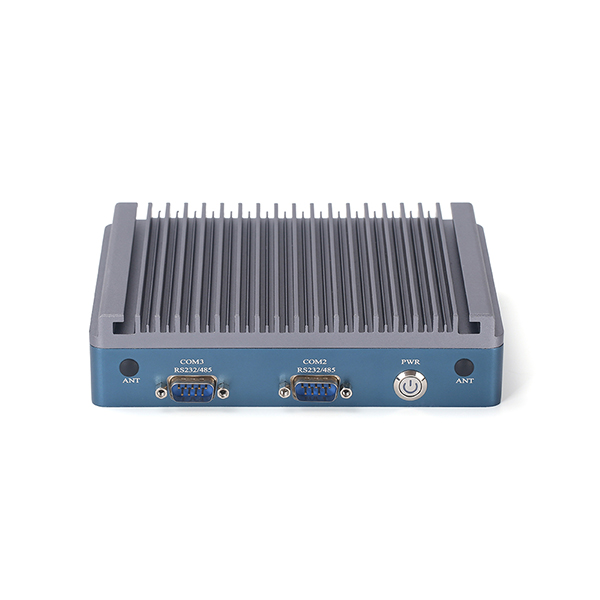
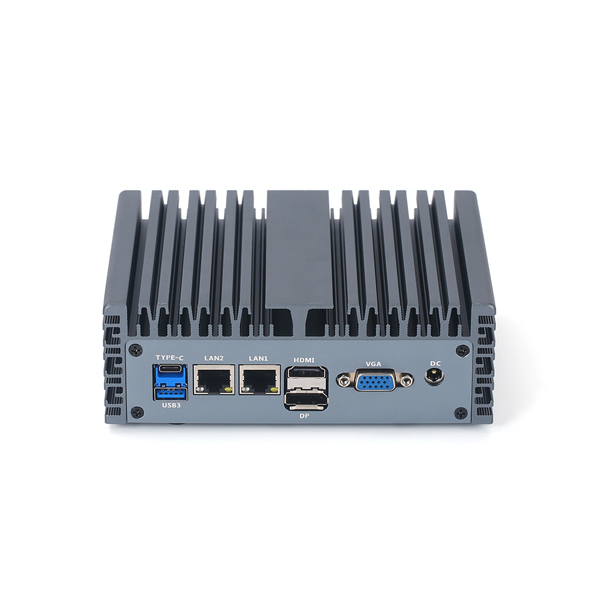
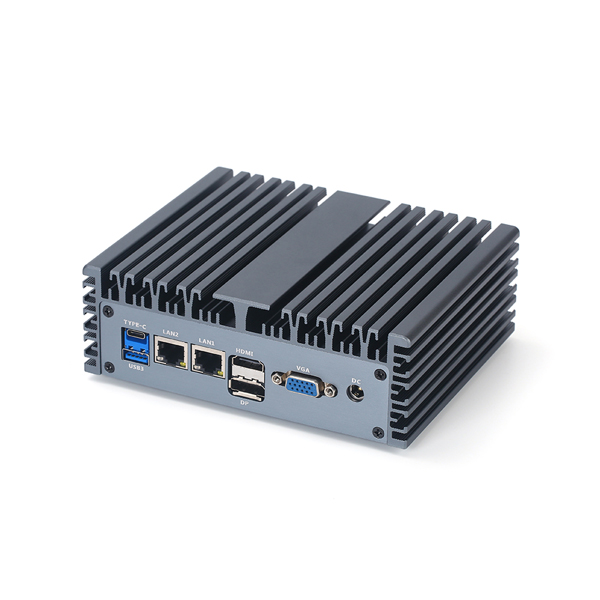
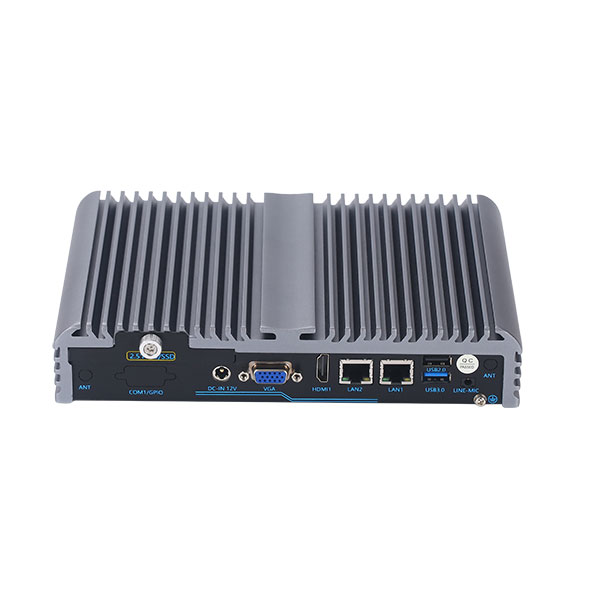
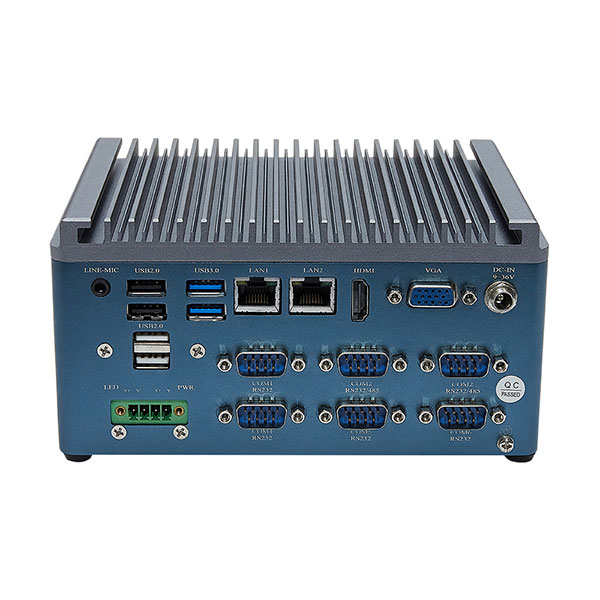
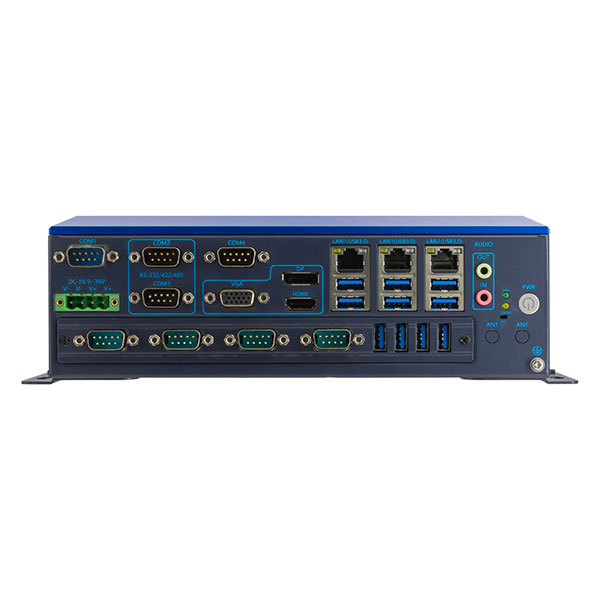
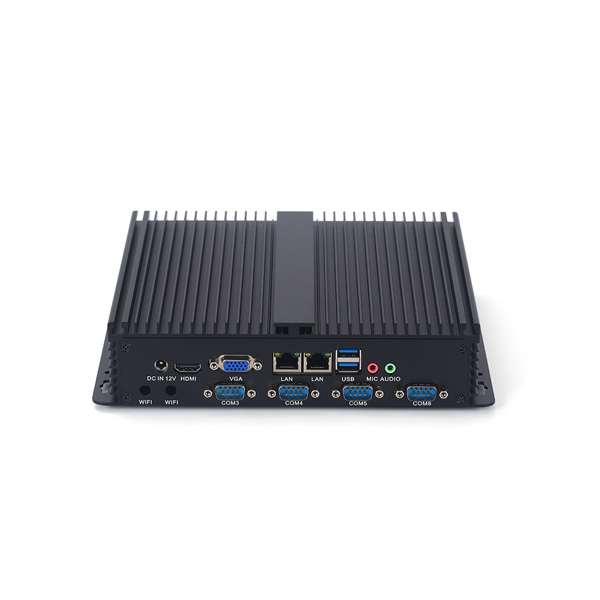
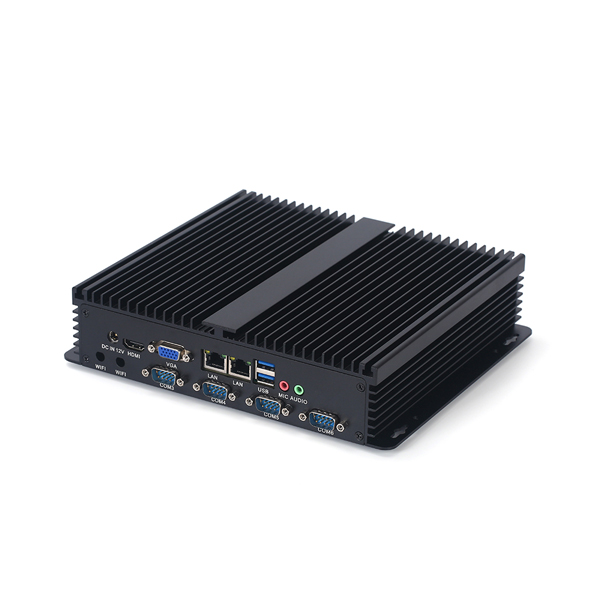
Fanless embedded box PCs have no moving parts, which is critical for industrial environments where dust, vibrations, and temperature fluctuations are common.
Without fans, these PCs avoid the typical points of mechanical failure, increasing system uptime and reducing maintenance costs. Moreover, fanless designs operate silently, which can be crucial in noise-sensitive environments.
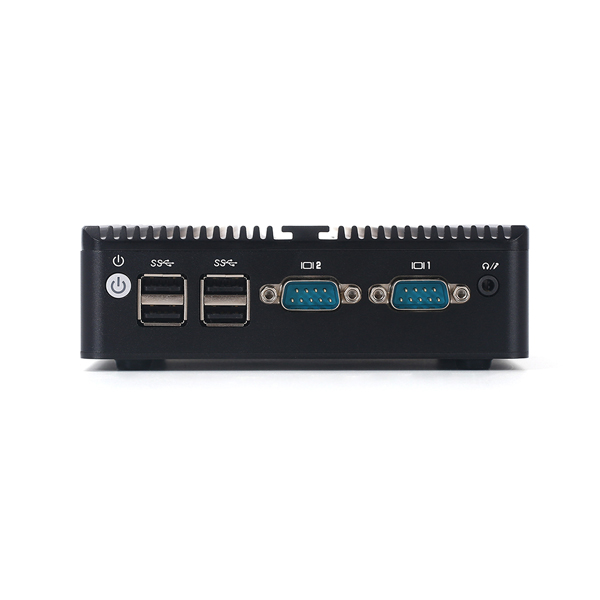
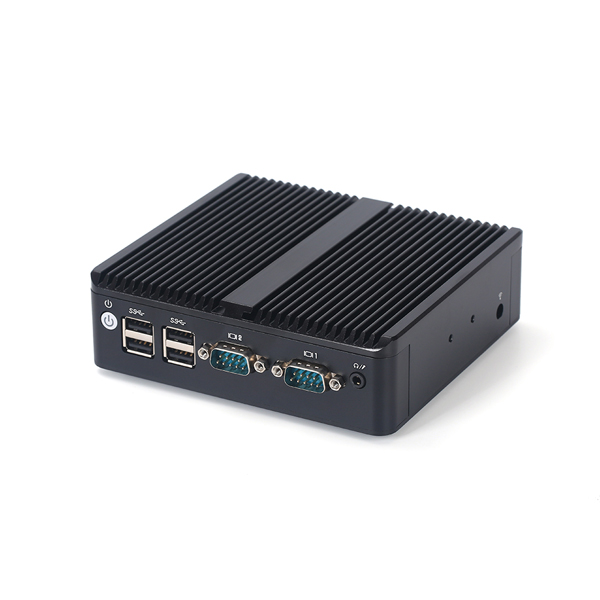
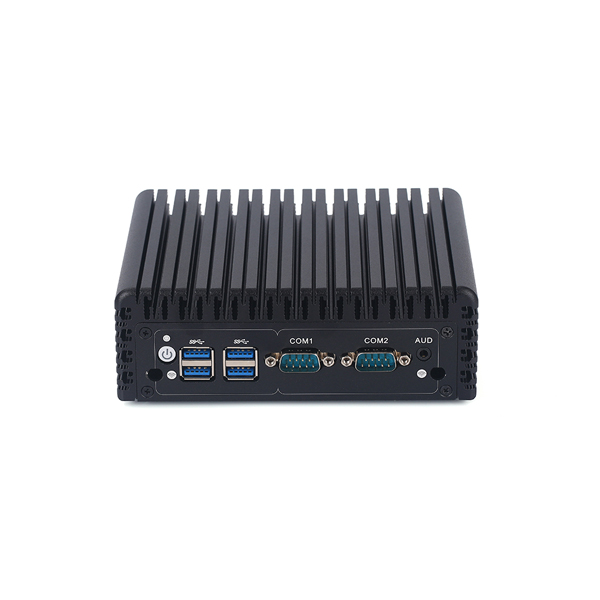
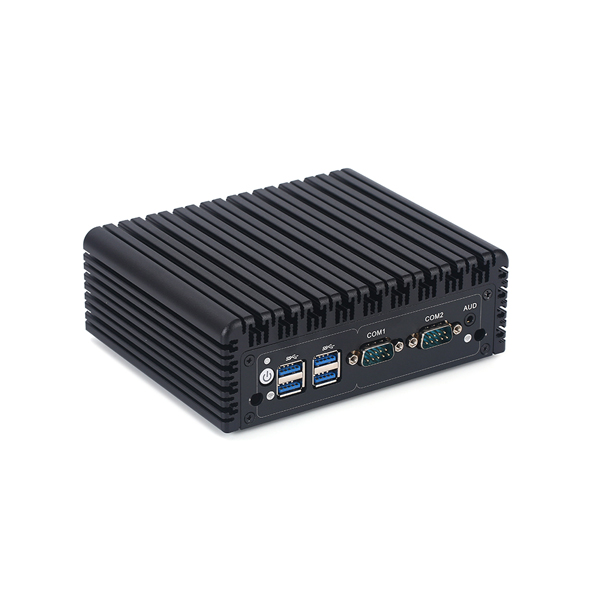
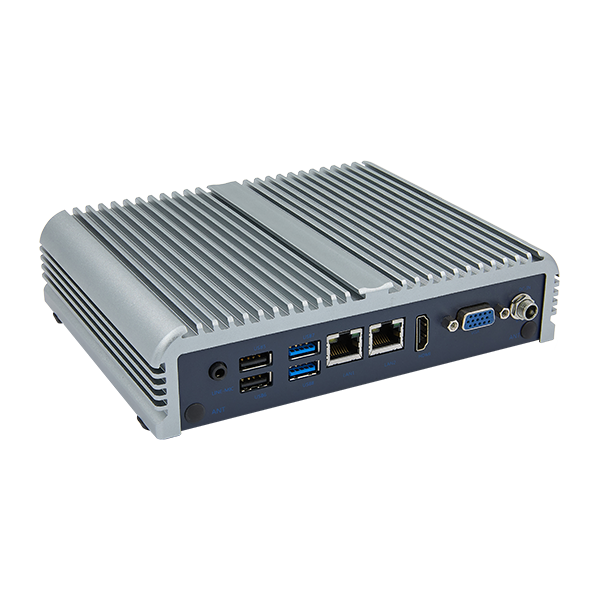
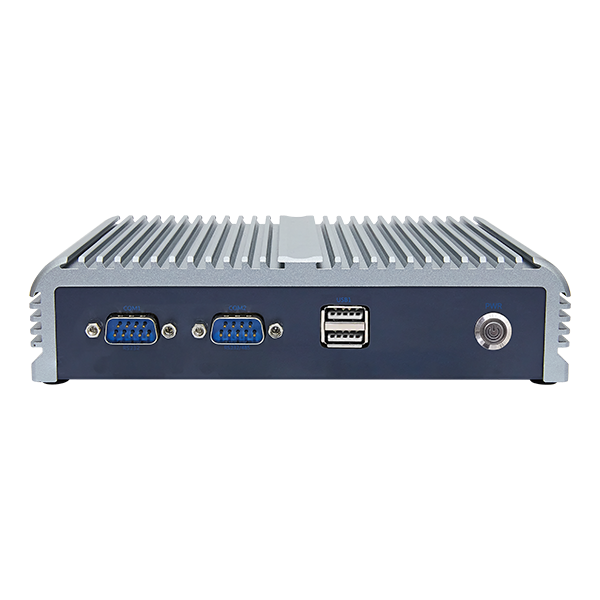
This makes the IC09 ideal for factories, outdoor installations, and applications requiring high reliability over long periods. Choosing a fanless embedded box PC improves equipment longevity and reduces total cost of ownership, directly benefiting your industrial automation projects.
Considerations Before Buying an Embedded Box PC
| Key Factor | What to Evaluate | Why It Matters |
|---|---|---|
| Performance Fit | Whether the processor meets your workload requirements | Ensures stable operation for industrial control and edge computing |
| Fanless Thermal Design | Passive cooling structure and heat dissipation space | Improves reliability in dust-prone and vibration-heavy environments |
| Network Capability | LAN speed and multi-network support | Supports industrial communication and high-speed data transmission |
| Environmental Compatibility | Operating temperature range and structural durability | Guarantees stable performance in factory or cabinet installations |
| Long-Term Stability | Watchdog, auto power-on, and recovery functions | Reduces downtime and supports continuous industrial operation |
Installation Guide for Fanless Embedded Box PC
- Stable Mounting: Install in a control cabinet, rack, or industrial enclosure with firm, vibration-resistant support.
- Adequate Airflow: Leave space around the chassis to allow passive cooling despite the fanless design.
- Power Supply: Use a stable industrial-grade power source matching voltage requirements.
- I/O & Network: Securely connect LAN, USB, display, and serial devices; avoid cable strain or interference.
- Environmental Check: Ensure the installation area is within rated temperature range and free from moisture or corrosive substances.
- Initial System Verification: Power on the system and confirm network, peripherals, and overall stability before full deployment.
FAQ
1. How do fanless PCs cool down?
Fanless PCs cool down through passive heat dissipation, using metal enclosures and heat sinks to transfer heat away from the processor and components. High-quality fanless embedded PCs are engineered with thermal design that maximizes airflow over internal surfaces, ensuring stable operation in industrial and edge environments without active cooling.
2. What are the main factors that affect the price of a Fanless Embedded Box PC?
The price of a Fanless Embedded Box PC is influenced by processor performance, memory and storage capacity, industrial-grade components, I/O interface options, and thermal design efficiency. Additional factors include brand reputation, certifications, and optional customization, such as extended temperature support or ruggedized chassis.
3. What are the advantages of choosing a Fanless Embedded Box PC?
Fanless Embedded Box PCs offer silent operation, reduced maintenance, enhanced reliability, and durability in harsh environments. Without moving parts, these systems resist dust, debris, and vibration, making them ideal for industrial automation, outdoor installations, and edge computing applications.
4. What is a Fanless Embedded PC and how does it differ from a regular PC?
A Fanless Embedded PC is a compact, industrial-grade computer designed to operate without cooling fans. Unlike regular PCs, it relies on passive thermal management and ruggedized construction to maintain performance in challenging conditions, including wide temperature ranges, dust, and vibration, making it suitable for continuous industrial or embedded applications.