Skip to content
Embedded computers play a vital role in industrial automation. They boost connectivity between machines and sensors, increase efficiency, and enable real-time control of processes. These systems also support advanced technologies like AI, IoT, and ML, which help factories achieve higher productivity.
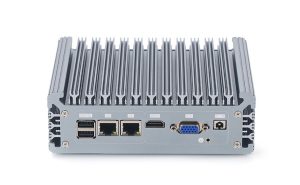
Embedded Computers in Industrial Automation
What Are Embedded Computers
Embedded computers are specialized devices designed to perform dedicated tasks within larger systems. These devices are often built into machines or equipment. They control operations and process data in real time.
Key Features for Industry
Industrial environments demand robust and reliable technology. Embedded computers offer several features that make them ideal for these settings:
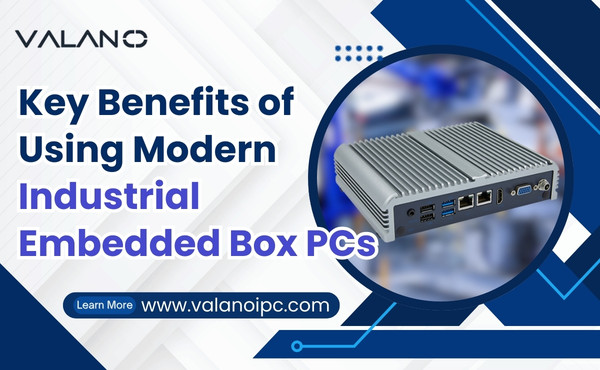
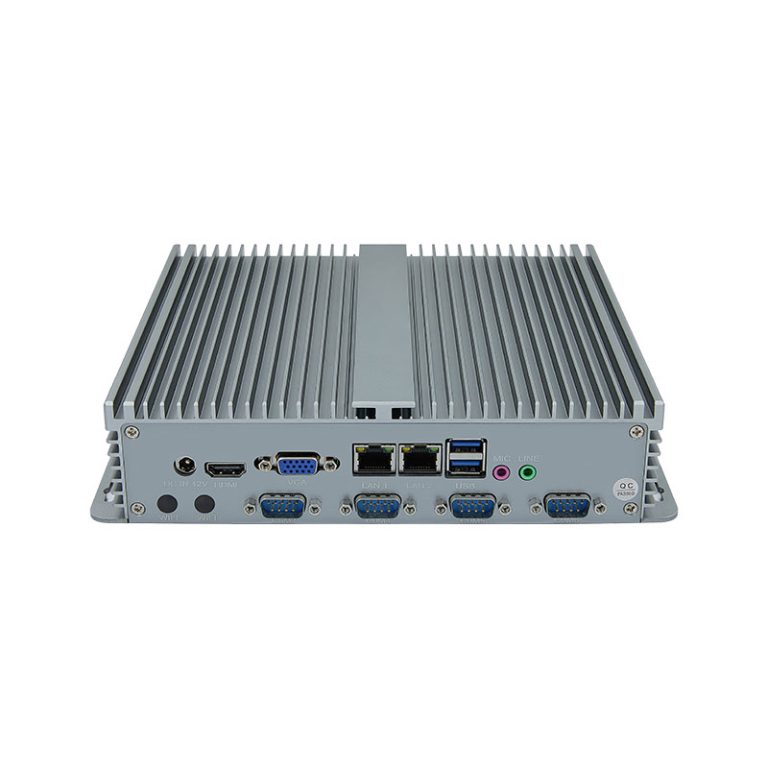
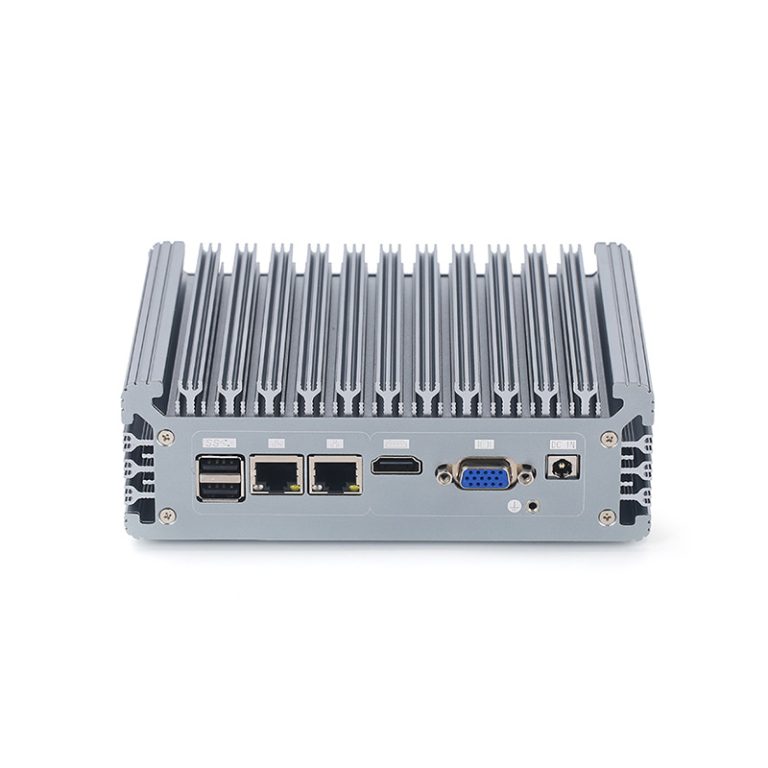
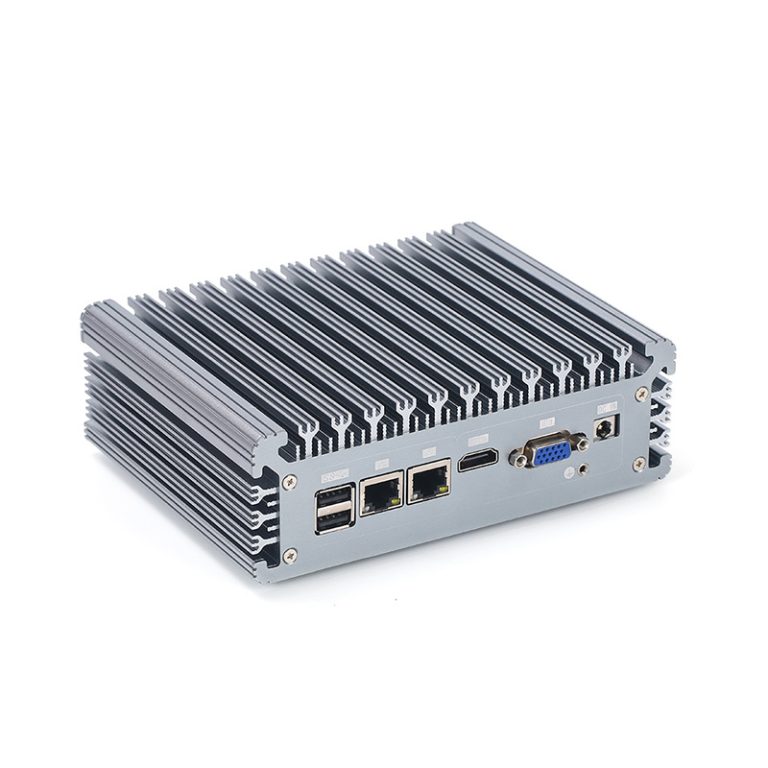
- Rugged design: Industrial embedded box pc models withstand dust, vibration, and extreme temperatures.
- Long-term stability: These devices run continuously without frequent maintenance.
- Real-time processing: Embedded systems respond instantly to changes in the environment.
- Flexible connectivity: Industrial embedded box pc units connect to sensors, controllers, and networks.
- Energy efficiency: Embedded computers use less power than traditional computers.
Difference from General PCs
Embedded computers differ from general-purpose PCs in several ways. General PCs handle multiple tasks and run various applications. Embedded systems focus on specific functions and operate within a defined environment.
| Feature | Embedded Computers | General PCs |
|---|---|---|
| Task | Dedicated | Multiple |
| Size | Compact | Larger |
| Power Consumption | Low | Higher |
| Reliability | High | Moderate |
| Environment | Industrial | Office/Home |
Industrial embedded box pc devices are built for durability and reliability. They integrate seamlessly into industrial automation systems. General PCs cannot match the performance and stability required in factories.
Why Embedded Computers Are Essential
Reliability and Stability
Embedded systems deliver unmatched reliability in industrial automation. These devices operate for long periods without failure. Factories depend on embedded computers to keep machines running smoothly.
Industrial automation environments often face harsh conditions. Embedded systems withstand dust, moisture, and vibration. Their stable performance ensures continuous operation and reduces downtime.
Real-Time Control and Monitoring
Real-time control is vital in industrial automation. Embedded computers process real-time data from sensors and machines. This allows quick responses to changes on the production line.
Monitoring is a core function of embedded systems. Operators use monitoring tools to track temperature, pressure, and speed. Accurate monitoring improves safety and product quality.
Embedded systems enable advanced control by adjusting machine actions instantly. Real-time data supports predictive maintenance and reduces waste. Automation becomes more efficient with precise monitoring.
Connectivity and Integration
Connectivity is essential for modern industrial automation. Embedded computers link machines, sensors, and networks. This integration allows seamless communication across the factory floor.
Embedded systems support multiple protocols for monitoring and control. They connect to cloud platforms and local servers. Data flows smoothly between devices, improving automation.
Scalability and Compact Design
Scalability is important in industrial automation. Factories often need to expand or change their production lines. Embedded computers make it easy to add new machines or upgrade existing systems.
These devices have a compact design. They fit into tight spaces on factory floors or inside control panels. Their small size allows engineers to install them in many different locations.
A compact system uses less space and reduces clutter. This helps keep work areas safe and organized. It also makes maintenance and upgrades easier.
Embedded computers support modular setups. You can connect extra sensors, controllers, or displays without major changes. This flexibility saves time and money during expansion.
Many models use standardized mounting options. This makes installation quick and simple. It also allows for easy replacement if a device fails.
A compact and scalable design supports future growth. Factories can adopt new technologies without replacing their entire system. This approach protects investments and supports long-term success.
Industrial Applications of Embedded Systems
Process Control
Process control is a core part of industrial automation. It involves managing and regulating variables like temperature, pressure, and flow within a production environment. Embedded systems play a key role in process control by collecting data from sensors and sending commands to machines.
Factories use embedded systems to keep the process stable and efficient. These systems monitor every step of production and make adjustments in real time. This helps maintain product quality and reduces waste.
Embedded computers can handle complex process control tasks. They ensure that each stage of manufacturing automation runs smoothly. This level of control is essential for industries like chemicals, food processing, and energy.
Robotics and Automation
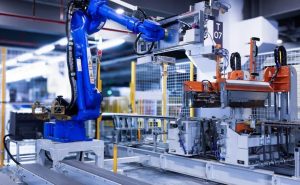
Robotics and automation have changed the way factories operate. Embedded systems act as the brains of robots and automated machines. They process information from sensors and guide the movement of robotic arms and conveyors.
Automation increases the speed and accuracy of production. Robots can work around the clock without getting tired. Embedded systems help these machines perform tasks like welding, assembly, and packaging.
Many factories use automation to improve safety. Robots can handle dangerous jobs, keeping workers out of harm’s way. Embedded systems make sure that robots respond quickly to changes in the environment.
IIoT Gateways
IIoT gateways connect machines and devices to the internet. They are a bridge between the factory floor and cloud-based systems. Embedded systems inside these gateways collect data from sensors and send it to central servers.
This connection allows for remote monitoring and control of production processes. Managers can track performance and spot problems before they cause downtime. IIoT gateways support automation by linking different parts of the production line.
Embedded systems in IIoT gateways help factories use data for better decision-making. They enable predictive maintenance and real-time alerts. This leads to smarter and more flexible industrial automation.
Predictive Maintenance
Predictive maintenance uses embedded computers to monitor equipment health and predict failures before they happen. Sensors collect data from machines, such as temperature, vibration, and pressure. Embedded systems analyze this information in real time.
Factories rely on predictive maintenance to reduce downtime. Machines can alert operators when parts need attention. This approach prevents unexpected breakdowns and keeps production running smoothly.
Embedded computers process large amounts of sensor data quickly. They use algorithms to spot patterns that signal wear or damage. When a problem is detected, the system sends a warning to maintenance staff.
Many industries use embedded systems for predictive maintenance. Manufacturing plants monitor motors, pumps, and conveyor belts. Energy facilities track turbines and generators. Food processing lines check refrigeration units and mixers.
Embedded computers support remote monitoring. Maintenance teams can view equipment status from anywhere. This feature allows faster response to issues and improves safety.
Factories benefit from predictive maintenance in several ways:
- Lower maintenance costs
- Fewer unplanned shutdowns
- Longer equipment life
- Improved worker safety
Embedded systems make predictive maintenance possible by connecting sensors, machines, and software. They provide accurate data and reliable alerts. This technology helps factories plan maintenance schedules and avoid emergencies.
A table shows the difference between traditional and predictive maintenance:
| Maintenance Type | Approach | Outcome |
|---|---|---|
| Traditional | Scheduled or reactive | Higher downtime |
| Predictive | Data-driven alerts | Reduced downtime |
Embedded computers also support integration with cloud platforms. Data from machines can be stored and analyzed for long-term trends. This information helps managers make better decisions about equipment upgrades and replacements.
Predictive maintenance is a key application of embedded systems in industrial automation. It keeps factories efficient and safe. It also supports the move toward smarter, connected operations.
Types of Embedded Computers
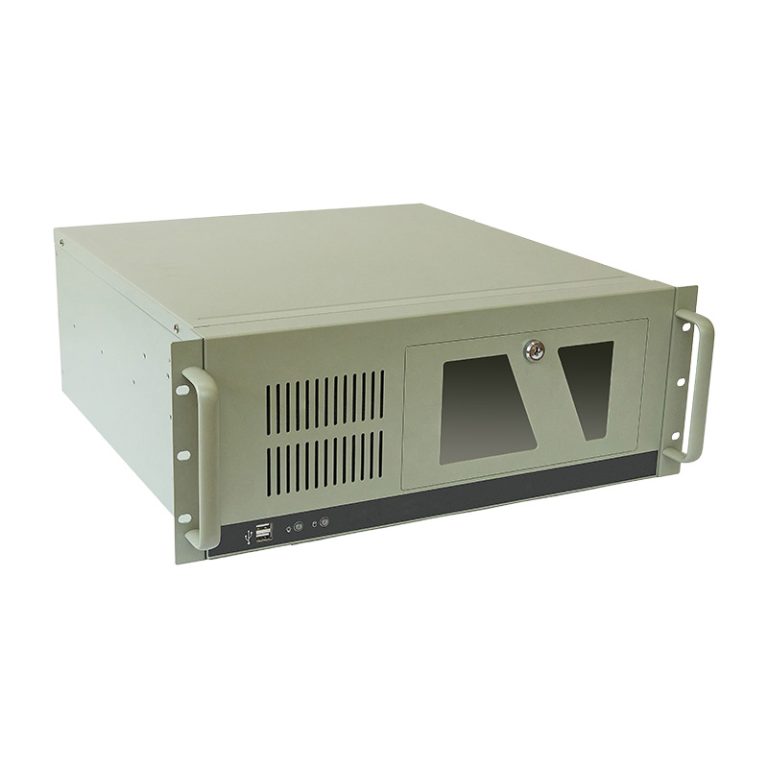
Industrial PCs
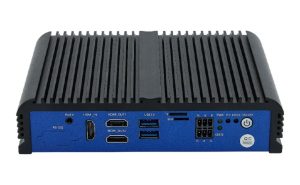
Industrial PCs are powerful computers built for tough environments. These devices control machines and manage data on factory floors. They often run complex software for automation and monitoring.
Industrial PCs feature rugged cases and reliable components. They resist dust, moisture, and vibration. Many models operate in extreme temperatures.
Factories use industrial PCs for tasks like process control and data logging. These computers support multiple operating systems. Engineers can customize them for different applications.
A table shows the main features of industrial PCs:
| Feature | Description |
|---|---|
| Durability | Withstands harsh conditions |
| Performance | Handles demanding tasks |
| Expandability | Supports extra modules |
| Connectivity | Links to many devices |
Industrial PCs help factories run smoothly. They provide reliable performance and easy integration.
PLCs
PLCs, or Programmable Logic Controllers, are essential in automation. These devices control machines and processes with precision. PLCs use simple logic to manage tasks like starting motors or opening valves.
PLCs are designed for reliability. They operate nonstop in factories and plants. Their compact size allows installation in control panels.
PLCs connect to sensors and actuators. They monitor inputs and send commands to machines. Many PLCs support remote access for troubleshooting.
A list of common PLC uses:
- Assembly line control
- Safety monitoring
- Packaging automation
PLCs are cost-effective. They require little maintenance and last for years.
Single-Board Computers
Single-board computers are compact devices with all components on one board. These computers handle simple tasks in automation. They are popular for their small size and low power use.
Single-board computers connect to sensors and other devices. They process data and control equipment. Many models support wireless communication.
Factories use single-board computers for monitoring and control. These devices support custom software and flexible setups.
A list of advantages:
- Affordable price
- Easy installation
- Energy efficiency
Single-board computers help factories automate tasks without high costs. They offer reliable performance in many applications.
Panel PCs and HMIs
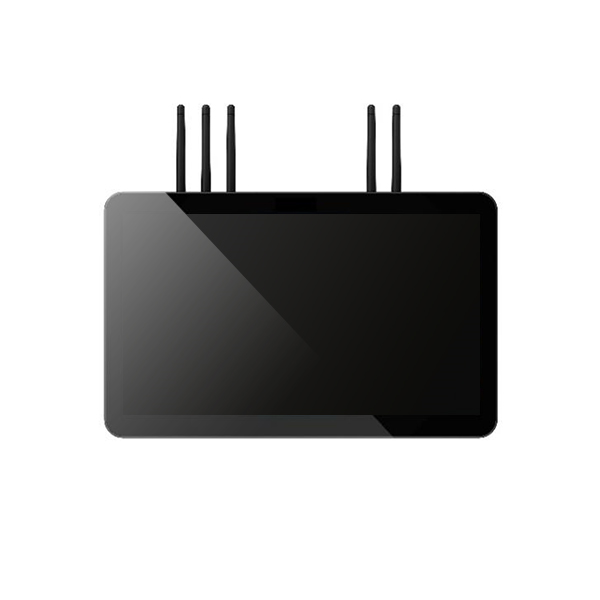
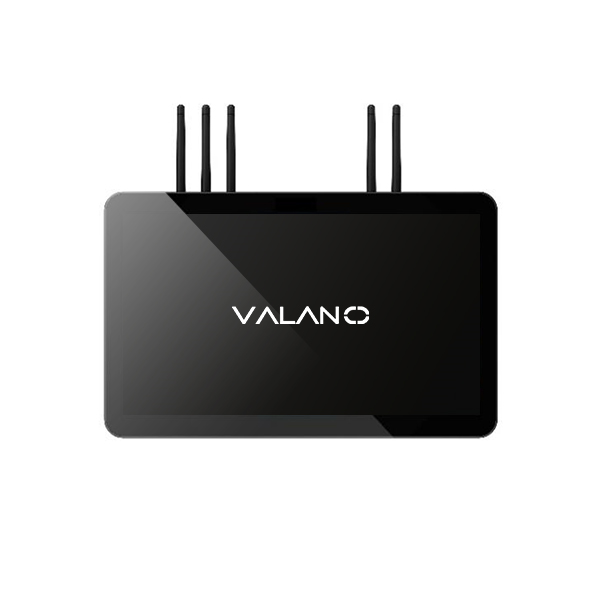
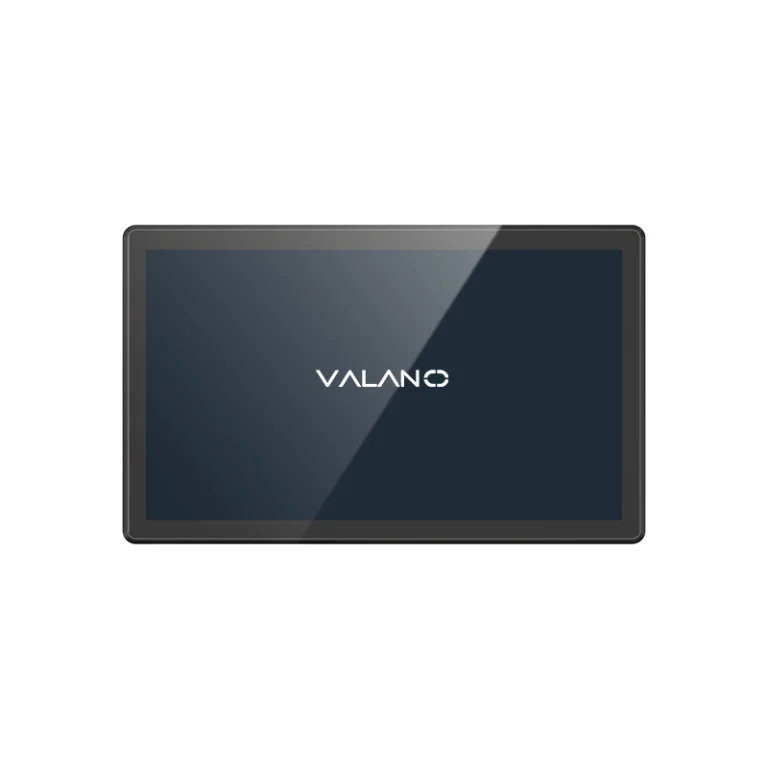
Panel PCs and HMIs are important tools in industrial automation. Panel PCs are computers with a built-in touchscreen display. HMIs, or Human-Machine Interfaces, allow workers to interact with machines and systems.
Panel PCs often mount directly onto equipment or control panels. Their screens show real-time data and system status. Workers use touch controls to adjust settings or respond to alerts.
HMIs provide a simple way to monitor and control processes. Operators can view graphs, alarms, and instructions on the screen. This helps them make quick decisions and keep production running smoothly.
Panel PCs and HMIs work well in harsh environments. Their rugged design protects against dust, moisture, and vibration. Many models support gloves or stylus input for easy use.
Factories use Panel PCs and HMIs in many applications:
- Assembly line monitoring
- Machine control
- Quality inspection
- Packaging management
Panel PCs often connect to sensors and controllers. They collect data and send commands to machines. HMIs display this information in a user-friendly format.
A table shows the difference between Panel PCs and HMIs:
| Feature | Panel PC | HMI |
|---|---|---|
| Display | Touchscreen computer | Touchscreen interface |
| Function | Data processing & control | User interaction |
| Connectivity | Multiple ports | Connects to controllers |
| Durability | High | High |
Panel PCs can run advanced software for automation. HMIs focus on simple controls and clear displays. Both devices help factories improve efficiency and reduce errors.
Panel PCs and HMIs support remote access. Engineers can monitor systems from another location. This feature helps with troubleshooting and maintenance.
Factories benefit from using Panel PCs and HMIs. Workers get real-time feedback and easy controls. Production becomes safer and more reliable.
Panel PCs and HMIs are key to modern industrial automation. They bridge the gap between people and machines. Their clear displays and simple controls make complex systems easier to manage.
Benefits for Industrial Automation
Energy Efficiency
Energy efficiency is a major benefit of using embedded computers in industrial automation. These systems use less power than traditional computers. Lower energy use means factories can save money on electricity bills.
Many embedded devices have features that help reduce energy waste. For example, they can enter sleep mode when not in use. This helps cut down on unnecessary power consumption.
Factories that use energy-efficient systems also help the environment. Less energy use means fewer greenhouse gas emissions. This supports global efforts to reduce pollution.
Durability and Longevity
Durability is important in industrial automation. Embedded computers are built to last in tough environments. They can handle dust, moisture, and high temperatures.
These systems often run for years without needing repairs. Their strong design means fewer breakdowns and less downtime. This helps factories keep production lines moving.
A table shows the difference between standard computers and embedded systems:
| Feature | Standard Computer | Embedded System |
|---|---|---|
| Lifespan | 3-5 years | 7-10 years |
| Maintenance | Frequent | Rare |
| Environment | Mild | Harsh |
Long-lasting equipment reduces the need for replacements. This saves money and keeps operations stable.
Precision and Consistency
Precision is key in industrial automation. Embedded computers control machines with high accuracy. This ensures that every product meets quality standards.
Consistency is just as important. Automated systems repeat tasks the same way every time. This reduces errors and improves product reliability.
Sensors and controllers work together to keep processes on track. Data from these devices helps adjust operations in real time. This level of control is hard to achieve without automation.
Factories that use precise and consistent systems can produce more goods with less waste. This boosts efficiency and supports business growth.
Enhanced Security
Security is a top priority in industrial settings. Embedded computers help protect sensitive data and control systems from cyber threats. They use secure boot processes and encryption to keep information safe.
Many embedded systems have built-in firewalls. These firewalls block unauthorized access and prevent attacks. Regular software updates also help close security gaps.
Physical security is important too. Embedded computers often come with tamper-resistant cases. This design keeps hardware safe from damage or theft.
A secure system helps factories meet industry standards. It also builds trust with customers and partners. Security is a key part of reliable automation.
A table shows common security features in embedded computers:
| Security Feature | Purpose |
|---|---|
| Encryption | Protects data |
| Firewall | Blocks unauthorized access |
| Secure Boot | Prevents tampering |
| Tamper Detection | Alerts for physical breaches |
Easy Integration
Easy integration is a major benefit of embedded computers. These systems connect smoothly with sensors, machines, and networks. This makes it simple to add new devices to an existing setup.
Many embedded computers support standard communication protocols. This allows them to work with different types of equipment. Engineers can link devices without complex wiring or programming.
Factories can expand their automation systems as needed. Adding new machines or upgrading software is straightforward. This flexibility supports growth and changing production needs.
A list of integration advantages:
- Faster setup times
- Lower installation costs
- Less training required
Easy integration helps factories respond quickly to market changes. It also makes it easier to adopt new technologies. Automation becomes more efficient and reliable with flexible systems.
Embedded Systems and Industry 4.0
Smart Factories
Smart factories use advanced technology to improve production. Embedded systems help machines communicate and share information. These systems collect data from sensors and send commands to equipment.
Factories become more efficient with real-time monitoring. Workers can see machine status and fix problems quickly. Smart manufacturing relies on accurate data and fast responses.
Embedded systems support automation and reduce human error. Machines adjust their actions based on feedback. This leads to higher quality and safer workplaces.
AI, ML, and IoT Integration
Artificial intelligence (AI), machine learning (ML), and the Internet of Things (IoT) are changing how factories work. Embedded systems process large amounts of data from sensors and devices. AI and ML use this data to find patterns and make predictions.
IoT connects machines to networks. Embedded systems act as gateways, linking equipment to cloud platforms. This allows remote monitoring and control.
Factories use AI and ML to improve maintenance and spot issues early. Embedded systems help machines learn from past data and adjust their actions. This makes production lines smarter and more flexible.
Future Trends
Industry 4.0 will bring new changes to manufacturing. Embedded systems will become more powerful and energy-efficient. Factories will use more sensors and devices to collect data.
Edge computing will grow in importance. Embedded systems will process information closer to the machines. This reduces delays and improves real-time control.
Cybersecurity will become a bigger focus. Factories will protect their data and systems from threats. Embedded computers will include stronger security features.
Factories will adopt new technologies faster. Embedded systems will support upgrades and easy integration. This will help businesses stay competitive.
Conclusion
Embedded computers are central to modern industrial automation, providing real-time control, robust connectivity, and seamless integration with AI, IoT, and predictive maintenance systems. Their durability, precision, and energy efficiency ensure reliable operations even in harsh factory environments. By enabling smarter, safer, and more efficient production, embedded computers drive productivity and support the evolution toward Industry 4.0, making them indispensable in today’s automated manufacturing landscape.