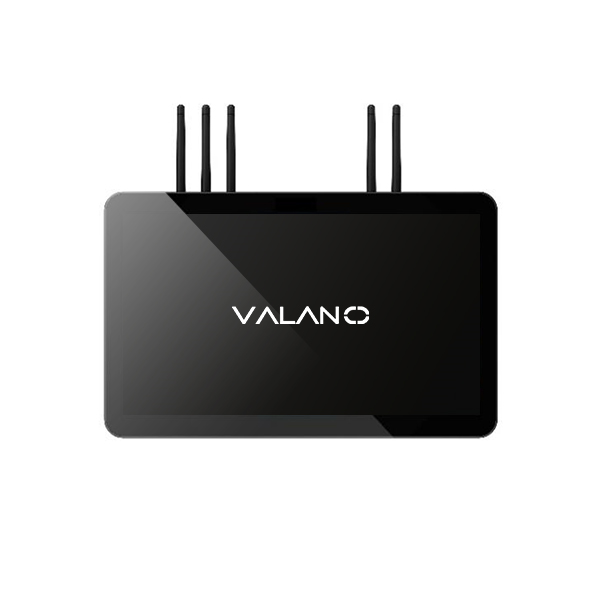
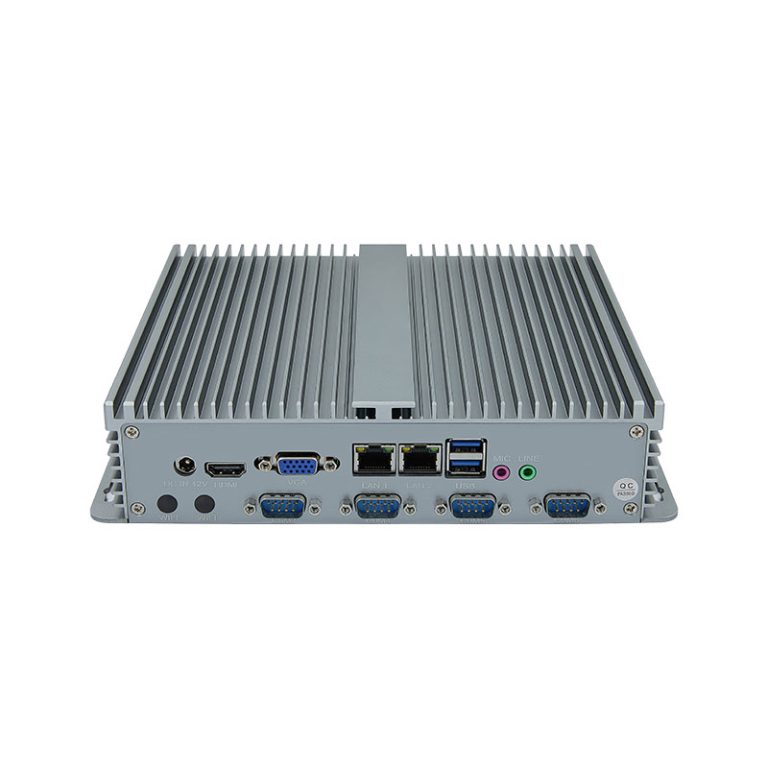
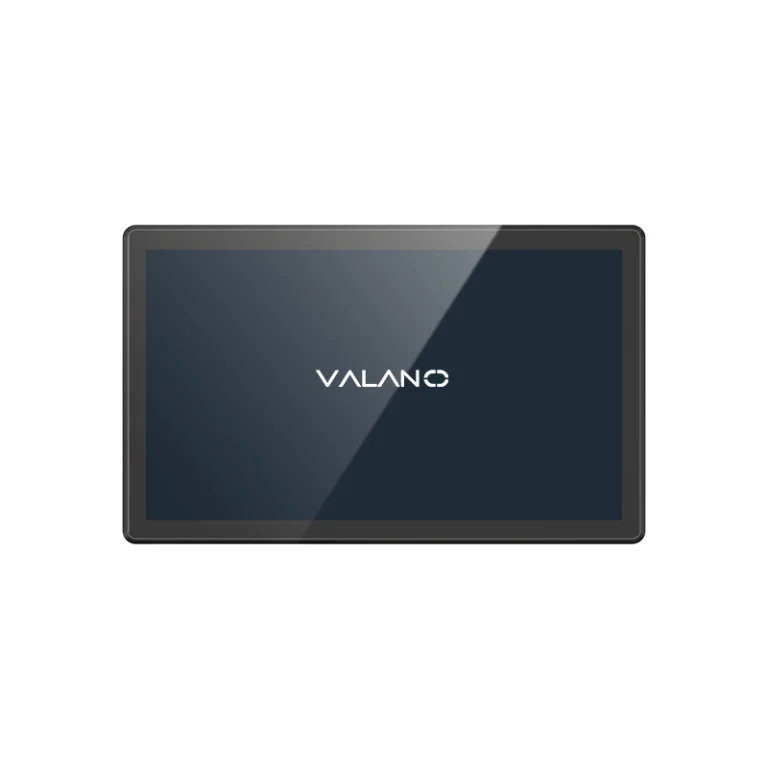
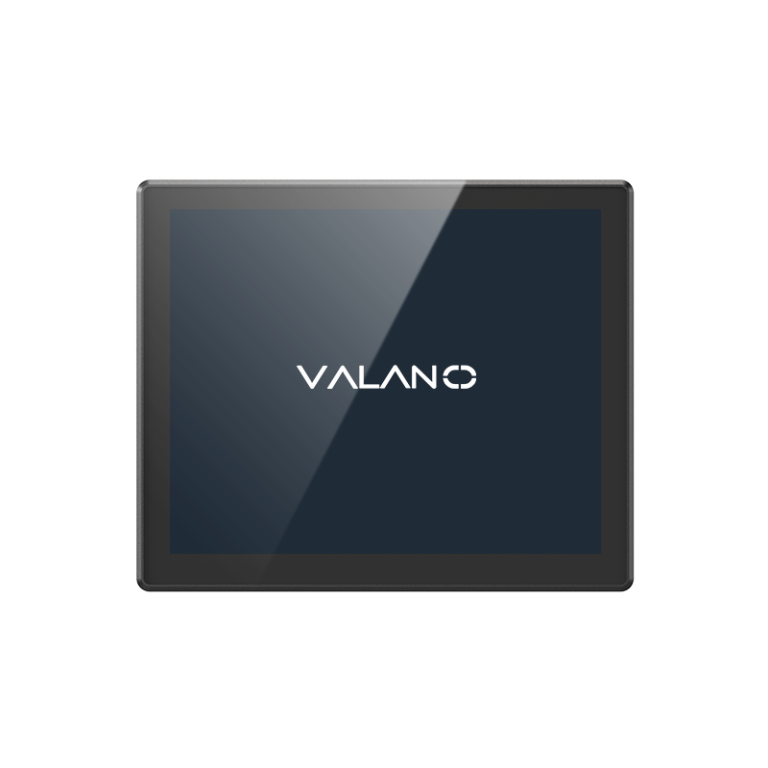
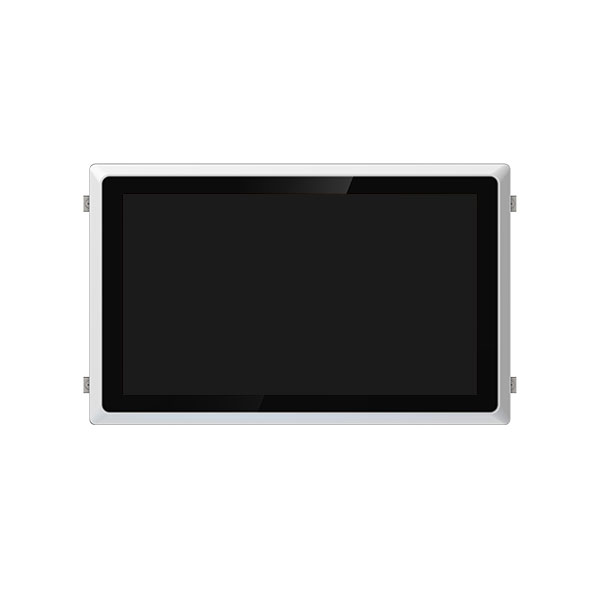
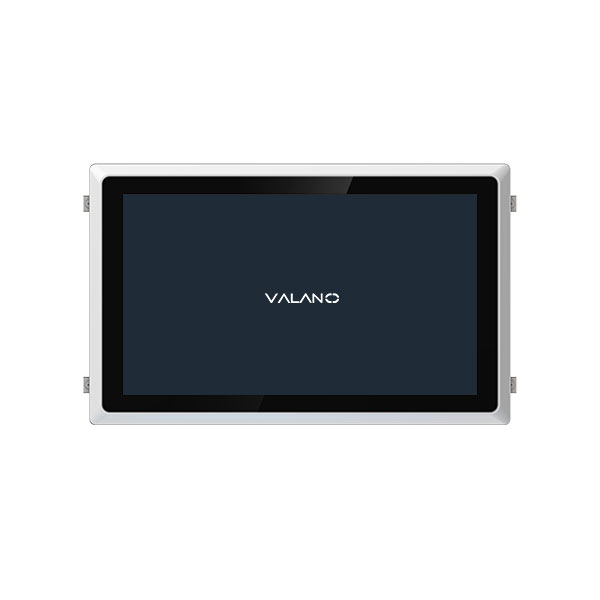
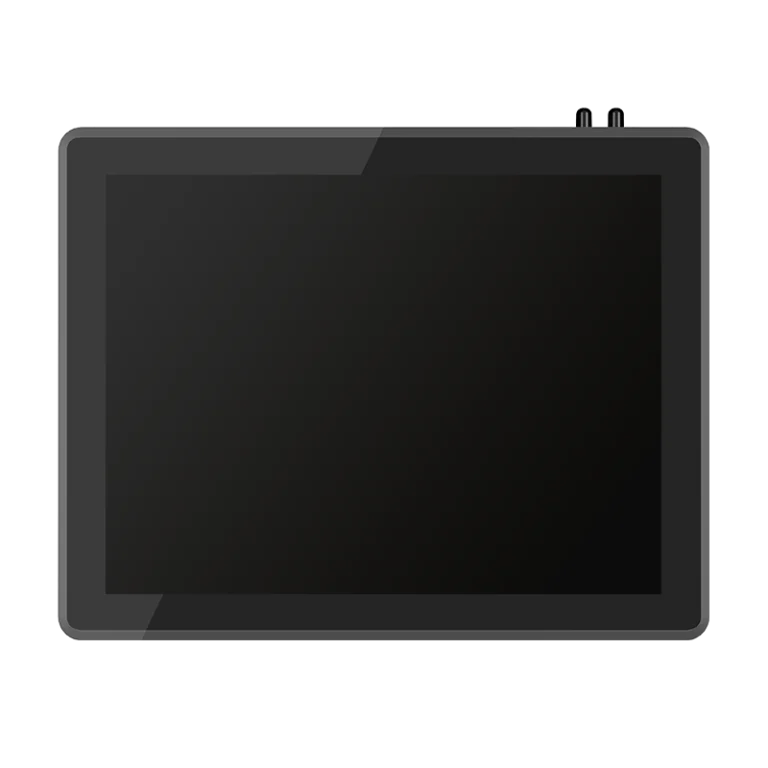
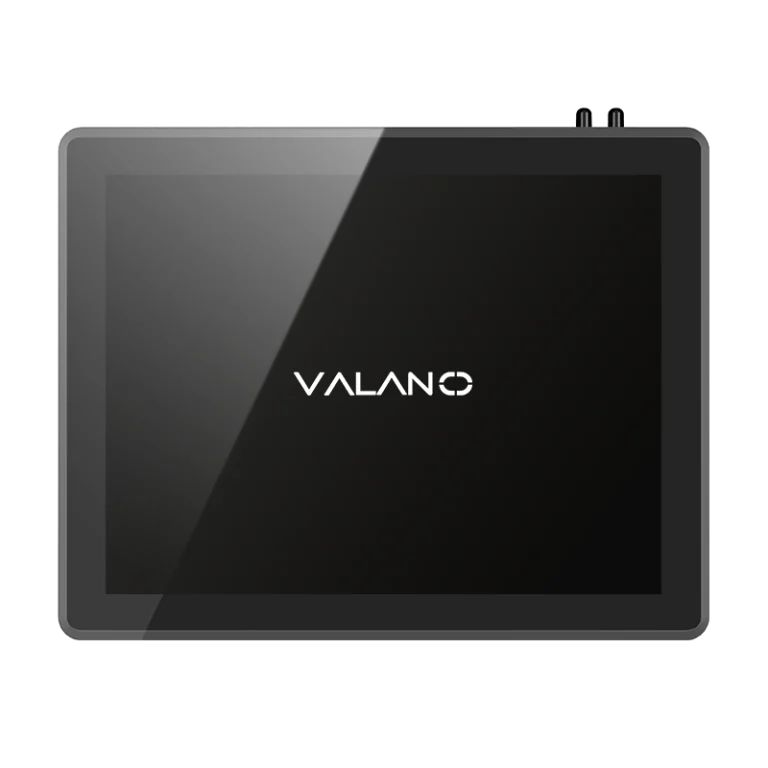
Selecting the right Panel PCs is crucial for modern smart transport systems, where reliability, durability, and seamless data integration drive efficiency. These devices enable real-time monitoring, streamlined operations, and enhanced passenger safety, making them a cornerstone of intelligent transportation solutions. Understanding the key factors in choosing Panel PCs ensures optimal performance and long-term value, setting the stage for smarter, more connected transit infrastructure.
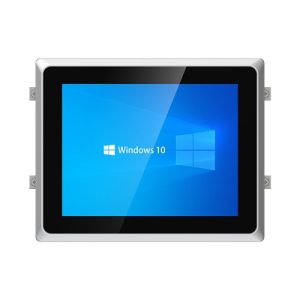
Durability and Environmental Resistance
Panel PCs in smart transport face tough environmental conditions every day. Durability is essential because these devices must operate in places with dust, moisture, and constant movement. Ruggedness and protection help ensure that panel PCs work reliably and last longer.
Vibration and Shock
Transport systems create strong vibrations and sudden shocks. Vibration resistance is important for panel PCs because it prevents damage from bumps and jolts. Ruggedness in design and protection features help absorb impacts and keep the device stable. Good vibration resistance lowers the risk of failure and reduces maintenance costs.
Temperature Tolerance
Panel PCs often work in extreme temperatures. High heat or freezing cold can damage sensitive electronics. Ruggedness and protection allow these devices to handle wide temperature ranges. Environmental protection keeps the system running smoothly, even in harsh environmental conditions.
IP Rating
IP rating measures the level of protection against dust and water. A high protection rating means the panel PC can resist moisture and dirt. Ruggedness and durability are linked to a strong IP rating. Devices with better protection rating last longer and need fewer repairs.
Panel PCs with strong environmental protection offer long-term reliability. Ruggedness and durability help lower maintenance costs and improve safety. Protection rating and vibration resistance are key factors for smart transport systems.
Connectivity and I/O Compatibility
Modern smart transport systems rely on strong connectivity. Panel PCs must connect with many devices and networks. Good connectivity helps data flow smoothly and supports real-time operations.
I/O Ports
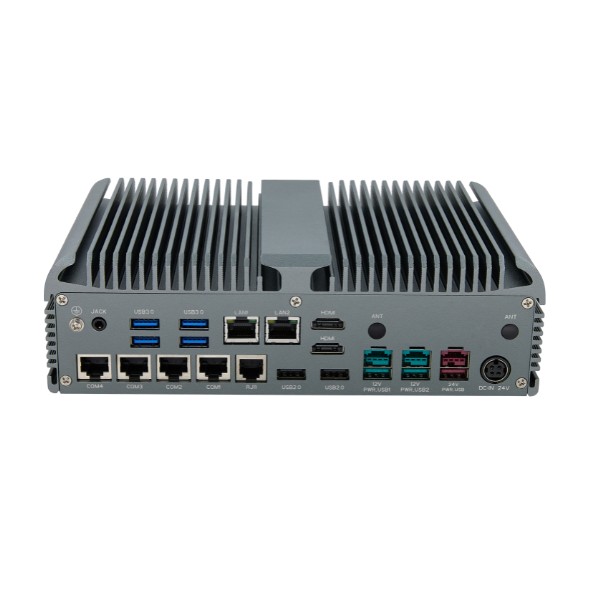
A panel PC needs a wide range of interface options. USB, serial, and Ethernet ports allow connection to sensors, cameras, and controllers. Interface compatibility ensures that each device works together without issues.
Transport environments often use different interface types. The right interface supports easy upgrades and future expansion. Reliable interface compatibility reduces downtime and improves system performance.
Wireless Options
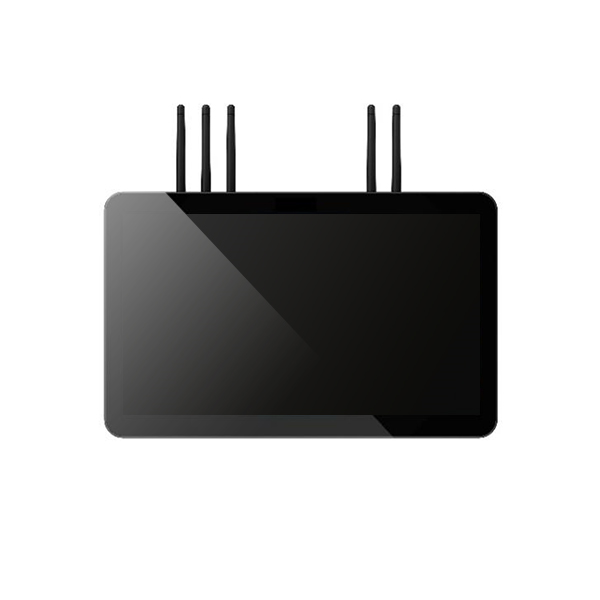
Wireless connectivity is important for mobile and remote transport systems. Wi-Fi, Bluetooth, and cellular connections help panel PCs communicate without cables. These wireless options support flexible installation and quick data transfer.
Wireless connectivity also allows remote monitoring and control. Operators can access system data from anywhere. This improves safety and efficiency in smart transport.
System Integration
Panel PCs must work with many transport technologies. Compatibility with sensors, ticketing systems, and GPS units is vital. Seamless integration depends on strong connectivity and the right interface.
System integration helps create a unified transport network. It allows data sharing between devices and improves decision-making. Good interface compatibility supports easy maintenance and future upgrades.
A panel PC with strong connectivity and interface compatibility is essential for smart transport. It supports reliable communication, easy integration, and long-term value.
Performance and Edge Computing
Processing Power
Panel PCs in smart transport must deliver high performance to handle complex tasks. Strong processors support real-time data analysis and control. These systems often run multiple applications at once, so optimal performance is critical for smooth operation.
Performance requirements vary by application. For example, ticketing systems need fast response times. Surveillance and monitoring demand quick image processing. Meeting these needs ensures efficiency and reliability.
A table can help compare processor types and their impact on performance:
| Processor Type | Application | Performance Level |
|---|---|---|
| Dual-core | Basic control | Moderate |
| Quad-core | Video analysis | High |
| Industrial-grade | AI & IoT | Very High |
Memory and Storage
Memory and storage play a key role in system efficiency. Sufficient RAM allows panel PCs to run multiple programs without lag. Large storage capacity supports data logging and software updates.
Transport systems generate large amounts of data. Fast memory and reliable storage improve performance and reduce delays. Efficient memory management also extends mean time between failures.
Battery life is important for mobile panel PCs. A long-lasting battery supports continuous operation and prevents downtime. Efficient power use helps maintain performance and extends battery life.
Edge Computing Benefits
Edge computing brings data processing closer to the source. This reduces the need to send all data to a central server. Local processing improves efficiency and lowers data transmission pressure.
Panel PCs with edge computing capabilities respond faster to events. They support real-time decision-making and enhance safety. Efficient edge computing also helps conserve battery and supports long-lasting battery operation.
Industrial panel pc solutions with robust configuration and edge computing deliver optimal performance. They improve efficiency, support strong connectivity, and extend mean time between failures.
Display and User Interaction
Screen Size and Resolution
Screen size affects how users interact with panel PCs in transport systems. Larger screens make it easier to view maps, schedules, and alerts. High resolution improves image clarity and helps users read information quickly.
| Screen Size | Typical Use Case | Benefit |
|---|---|---|
| 7-10 inch | Ticketing, basic control | Compact, portable |
| 12-15 inch | Navigation, monitoring | Better visibility |
| 17+ inch | Surveillance, dispatch | Detailed display |
A clear display supports fast decision-making. It also reduces errors in busy transport environments.
Touch Features
Touch screens offer a simple way to control panel PCs. Capacitive touch technology responds to light finger taps. Resistive touch works with gloves or styluses.
Smart transport systems often use touch screens for ticketing and navigation. Multi-touch support allows users to zoom and scroll. Touch features improve speed and comfort for operators and passengers.
Sunlight Readability
Transport environments often have bright lighting. Sunlight readability ensures that screens stay visible outdoors or near windows. Optical bonding reduces glare and increases contrast.
A sunlight-readable display prevents mistakes caused by poor visibility. It also improves safety for drivers and passengers.
Key features for sunlight readability:
- Anti-glare coating
- High brightness levels
- Optical bonding
Display quality matters in smart transport. Good visibility and smart touch features help users interact with panel PCs easily. These features support efficient operation and enhance user experience.
Certification and Compliance
Industry Standards
Panel PCs in smart transport must meet strict industry standards. These standards ensure that devices work safely and reliably in public settings. Common standards include EN 50155 for railway applications and ISO 7637 for road vehicles.
Meeting these standards shows that a panel PC can handle electrical noise, power surges, and other challenges. Devices that pass these tests are less likely to fail during daily use. Compliance also helps with system integration and future upgrades.
Safety Certifications
Safety certifications protect both users and equipment. Certifications like CE, FCC, and UL show that a device meets safety and electromagnetic compatibility rules. These marks mean the panel PC will not cause interference or pose hazards.
A table can help summarize key certifications:
| Certification | Purpose | Region |
|---|---|---|
| CE | Safety, EMC | Europe |
| FCC | Electromagnetic compatibility | United States |
| UL | Product safety | North America |
Transport systems often require proof of these certifications before installation. Choosing certified panel PCs reduces legal risks and supports safe operation. Certified devices also make it easier to pass inspections and audits.
Long-Term Support and Maintenance
Parts Supply
Reliable parts supply is important for smart transport systems. Panel PCs may need replacement parts during their service life. A steady supply of components helps reduce downtime and keeps systems running.
Many transport projects last for years. Choosing panel PCs with guaranteed parts availability supports long-term operation. This also makes repairs faster and less expensive.
Form Factor Stability
Form factor stability means the size and shape of the panel PC will not change often. Stable form factors make it easier to replace or upgrade devices. This helps transport operators avoid costly redesigns.
A consistent form factor also supports standard mounting and wiring. It allows for quick swaps if a device fails. This saves time and reduces maintenance work.
| Benefit | Impact on Operations |
|---|---|
| Easy replacement | Less downtime |
| Standardized mounting | Lower installation costs |
Vendor Support
Strong vendor support is key for long-term success. Good vendors offer technical help, software updates, and repair services. They answer questions and solve problems quickly.
Vendor support also includes training and documentation. This helps staff use and maintain panel PCs correctly. Reliable support increases system uptime and protects your investment.
Long-term support and maintenance ensure that panel PCs deliver value over many years. These factors help transport systems stay safe, efficient, and up to date.
Conclusion
Choosing the right Panel PCs is vital for smart transport systems, ensuring durability, reliable performance, seamless connectivity, and clear user interaction. By focusing on ruggedness, interface compatibility, display quality, and compliance, operators can reduce downtime, enhance safety, and support efficient operations. Selecting well-designed, certified panel PCs with strong vendor support maximizes long-term value, making them an indispensable component of modern, intelligent transportation infrastructure.