Skip to content
Ensuring durability and reliability in harsh environments is critical for industrial rugged tablets. MIL-STD-810H provides standardized testing to measure a device’s resistance to drops, vibration, temperature extremes, and more. Understanding this military-grade standard helps businesses select tablets that can withstand demanding conditions, minimize downtime, and protect valuable data. This article explores why MIL-STD-810H matters and how it guides the selection of rugged industrial tablets.
What is MIL-STD-810H?
Definition and background
The mil-std-810h standard defines a set of guidelines for testing equipment durability. The United States military created these standards to ensure devices can survive tough conditions. Many industries now use these standards to measure ruggedness in their products.
Devices tested under mil-std-810h standards must withstand environmental stress. These tests help manufacturers prove that their tablets work in extreme situations. The standard covers a wide range of physical and environmental challenges.
Types of tests included
The mil-std-810h standard includes many different tests. Each test checks how well a device performs under specific conditions. Some common tests are:
- Drop tests: Tablets must survive falls from certain heights onto hard surfaces.
- Vibration tests: Devices face strong vibrations to simulate transport or machinery use.
- Temperature tests: Tablets operate in both high and low temperatures.
- Humidity tests: Devices resist moisture and condensation.
- Shock tests: Tablets endure sudden impacts or jolts.
- Pressure tests: Devices withstand changes in air pressure.
These tests help manufacturers identify weaknesses in their products. Tablets that pass mil-std-810h standards show strong reliability. Industrial users trust these devices to perform in harsh environments.
Key MIL-STD-810H Tests Relevant to Rugged Tablets
Drop test
The drop test checks if a rugged tablet can survive falls in real-world situations. Testers drop the device from a set height onto hard surfaces. This extreme testing shows if the tablet can handle accidents on the job.
Many workers use tablets in busy or dangerous places. The drop test helps prove that a rugged device will keep working after a fall.
Vibration test
Vibration tests expose tablets to strong shaking, like what happens during transport or near heavy machines. This extreme testing helps find weak points in the device. Tablets that pass can handle daily use in trucks, factories, or construction sites.
- Vibration can loosen parts or damage screens.
- Extreme testing ensures the rugged tablet stays reliable.
Temperature & humidity tests
Temperature and humidity tests push tablets to work in hot, cold, wet, or dry conditions. Testers use extreme testing to see if the device can start up and run in these environments.
A rugged tablet must work in freezing warehouses or hot outdoor sites. Extreme testing for temperature and humidity proves the device can handle these changes.
Shock & pressure tests
Shock and pressure tests measure how well a tablet can handle sudden impacts or changes in air pressure. This extreme testing is important for tablets used in high places or during transport.
- Shock tests check if the device can survive bumps or drops.
- Pressure tests show if the rugged tablet works at different altitudes.
These tests help users trust that their rugged tablets will last in tough conditions. Extreme testing gives confidence that the device will not fail when needed most.
Why MIL-STD-810H is Critical for Industrial Rugged Tablets
Challenges in industrial environments
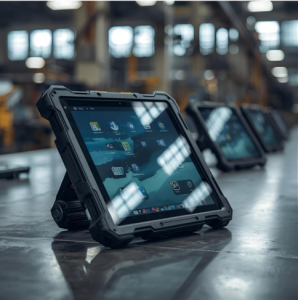
Industrial settings expose rugged tablets to dust, water, and frequent shocks. Workers often use these devices in extreme temperature environments and harsh environments. Real-world conditions can damage electronics without proper protection.
Rugged tablets face environmental stress every day. Weatherproof and shock-resistant features help them survive real-world environmental conditions.
How MIL-STD-810H testing ensures tablet reliability.
MIL-STD-810H testing simulates the toughest situations. Engineers test rugged devices for military-grade durability by exposing them to drops, vibrations, and temperature swings. These tests confirm that rugged tablets maintain reliability and protection in harsh environments.
- MIL-STD-810H standards push rugged tablets to their limits.
- Devices that pass show rugged strength and durability.
Impact of durability on productivity and safety.
Durability affects how long a rugged tablet lasts on the job. Workers rely on rugged devices to keep working in tough places. Reliable rugged tablets reduce downtime and improve safety for everyone.
Rugged tablets with proven durability help teams stay productive. They also protect workers from device failures in real-world conditions.
Benefits of MIL-STD-810H Certification
Extended device lifespan.
A rugged tablet with mil-std-810h certification often lasts longer than standard devices. The rugged design protects against drops, shocks, and harsh weather. This greater durability means workers can rely on their devices for long-lasting performance.
Reduced maintenance and replacement costs.
Rugged laptops and tablets that pass strict tests need fewer repairs. Companies spend less money on fixing or replacing broken devices. This leads to lower total cost of ownership and helps businesses avoid unexpected expenses.
Enhanced Safety and Adaptability
Rugged laptops and tablets work well in many tough settings. They resist dust, water, and extreme temperatures. Workers feel peace of mind knowing their rugged devices will not fail during critical tasks.
Rugged laptops and tablets help teams stay safe and productive in challenging conditions. This peace of mind supports reduced downtime and keeps operations running smoothly.
Increased trust from industrial customers.
Industrial customers want devices they can trust. Rugged laptops and tablets with mil-std-810h certification show a commitment to quality. These key benefits for enterprises build confidence and encourage long-term partnerships.
A rugged tablet or rugged laptop that meets these standards stands out in the market. Customers see the value in durability and reliability. They choose rugged devices for their proven performance and peace of mind.
Choosing a MIL-STD-810H Rugged Tablet
Identify Your Industry Needs
Every industry has unique requirements for technology. Workers in construction need devices that resist dust and drops. Field technicians may need screens that stay visible outdoors.
Tip: Make a list of the most common hazards and tasks in your workplace before choosing a device.
Check MIL-STD-810H Test Coverage
Not all rugged tablets pass every test in the mil-std-810h standard. Some devices only meet a few requirements.
- Review the manufacturer’s documentation for test results.
- Compare the tests with your workplace hazards.
A table can help organize your findings:
| Test Type | Device A | Device B |
|---|---|---|
| Drop | ✔ | ✔ |
| Vibration | ✔ | ✖ |
| Temperature | ✔ | ✔ |
| Humidity | ✖ | ✔ |
Evaluate Device Performance and Features
Performance matters as much as durability. A rugged tablet should run necessary apps smoothly. Battery life and screen brightness affect daily use.
Note: Check if the device supports gloves or wet hands for added convenience.
Check Manufacturer Reputation
Reliable support helps keep devices working longer. Manufacturers with strong reputations often provide better warranties and customer service.
- Look for reviews from other industrial users.
- Ask about repair options and replacement parts.
A rugged device with good support can reduce downtime and keep teams productive.
Conclusion
MIL-STD-810H ensures industrial rugged tablets can withstand extreme conditions, protecting both data and productivity in demanding environments. By evaluating devices through rigorous testing, businesses gain durable, reliable tools that reduce downtime, lower maintenance costs, and enhance worker safety. Understanding and prioritizing MIL-STD-810H certification empowers companies to select rugged tablets that deliver long-term performance and confidence in the field, making it a crucial standard for industrial operations.