Choosing the right computing platform is critical for industrial and automation applications. Industrial PC vs Embedded PC is a common comparison when evaluating performance, durability, scalability, and long-term reliability. Understanding the key differences helps engineers and system integrators select solutions that reduce downtime, control costs, and meet environmental demands. This article breaks down their core characteristics, use cases, and decision factors to guide informed system design.
Industrial PC vs Embedded PC Overview
What Is an Industrial PC?
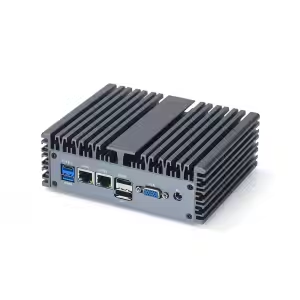
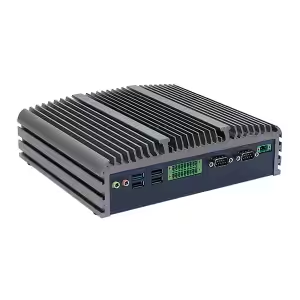
An industrial PC is a computer designed for use in factories and harsh environments. It handles complex control tasks and supports automation systems. These computers offer high reliability and can withstand dust, vibration, and extreme temperatures.
Industrial PCs often have flexible expansion options. They can connect to many devices and sensors for advanced control. Their design allows for easy upgrades and repairs.
What Is an Embedded PC?
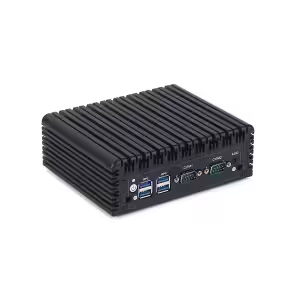
An embedded PC is a compact computer built into a larger machine or device. It performs specific control functions within equipment like robots, medical devices, or vehicles. These computers focus on one main task and usually do not need much expansion.
Embedded PCs use less power and generate less heat. They fit into small spaces and work quietly. Their simple design helps reduce maintenance needs.
Key Differences at a Glance
The industrial pc vs embedded pc debate centers on their structure, performance, and application. Here is a simple comparison to highlight the main distinctions:
| Feature | Industrial PC | Embedded PC |
|---|---|---|
| Main Purpose | General control and automation | Dedicated control for one function |
| Size | Larger, more expandable | Compact, space-saving |
| Expansion | High, supports many add-ons | Limited, few expansion slots |
| Durability | Very rugged, handles tough settings | Durable, but less than industrial PC |
| Power Consumption | Higher | Lower |
| Maintenance | Easier to upgrade and repair | Minimal, often sealed units |
| Application Fit | Factories, plants, automation lines | Robots, kiosks, vehicles |
The industrial pc vs embedded pc choice depends on the control requirements and the environment. Industrial PCs offer advantages in flexibility, expansion, and ruggedness. Embedded PCs provide advantages in size, power savings, and focused control.
A simple comparison shows that industrial PCs suit complex automation, while embedded PCs fit dedicated roles. Both types have advantages for different control tasks. Choosing the right industrial embedded computer ensures reliable operation and long-term advantages.
Structure and Design Comparison
Hardware Architecture
Industrial PCs use standard computer components like motherboards, CPUs, and memory modules. These parts are often similar to those found in desktop computers but are built for tougher environments. A rugged embedded pc uses specialized hardware designed for a single purpose, which helps it run more efficiently and reliably.
Industrial PCs can support a wide range of hardware, including extra storage drives and expansion cards. This flexibility allows them to handle many tasks at once. In contrast, a rugged embedded pc usually has fixed hardware, which keeps it simple and stable.
Form Factor and Compactness
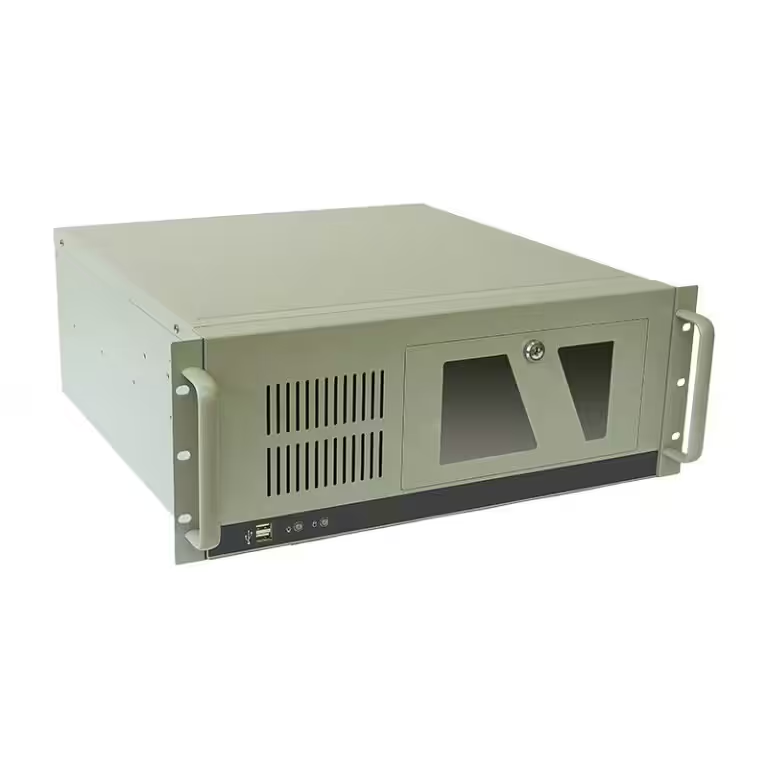
Industrial PCs are often larger because they need space for extra components and cooling systems. Their size makes them easy to upgrade or repair. However, they may not fit into tight spaces on factory floors.
A rugged embedded pc is much smaller and can fit inside machines or control panels. Its compact design saves space and makes installation easier. This feature is important for equipment that needs to stay lightweight or portable.
Durability and Ruggedness
Industrial PCs are built to handle dust, moisture, and vibration. Their cases are strong and protect the internal parts from damage. These computers can work in extreme temperatures and harsh environments.
A rugged embedded pc takes durability even further. It often has a sealed case to block out water and dust. This design allows it to operate in places where regular computers would fail.
Performance and Expansion
Processing Power
Industrial PCs deliver strong processing power for automation and control. These systems often use high-performance CPUs that support real-time performance. This helps them manage multiple control tasks at once. Embedded PCs focus on real-time performance for a single control function. They use efficient processors that balance speed and energy use. Rugged embedded systems maintain stable real-time performance even in harsh conditions.
Expansion Options
Industrial PCs offer high expandability. Users can add more memory, storage, or special cards for extra control features. This expandability supports scalability as automation needs grow. Embedded PCs have limited expandability. Most come with fixed hardware and few slots for upgrades. This design fits applications where control needs do not change often.
| System Type | Expandability | Scalability | Typical Use Case |
|---|---|---|---|
| Industrial PC | High | High | Large automation lines |
| Embedded PC | Low | Low | Single-function control |
Customization and Flexibility
Industrial PCs allow for high system integration and customization. Users can adjust hardware and software to fit unique control needs. This flexibility gives advantages in complex automation projects. Embedded PCs offer less customization but provide advantages in efficiency and reliability. Their fixed design ensures consistent real-time performance. When you match architecture to application, consider if you need flexibility or a focused solution.
Scalability matters for future growth. Industrial PCs support easy upgrades, while embedded PCs work best for stable, long-term control. Both types offer advantages, but the right choice depends on your control goals and the need for performance and expandability.
Cost and Maintenance
Initial Investment
Industrial PCs often require a higher initial investment. Their advanced hardware and rugged design increase the price. These systems offer advantages in industrial automation because they support complex tasks and future upgrades.
Embedded PCs usually cost less at the start. Their simple design and focused function keep expenses low. This makes them a good choice for projects with tight budgets or single-purpose automation needs.
Maintenance Needs
Industrial PCs are built for easy repairs and upgrades. Their modular parts allow quick replacement, which reduces downtime. This feature gives advantages in environments where continuous operation is important.
Embedded PCs need less maintenance. Their sealed design protects against dust and moisture. This lowers the risk of failure and keeps deployment cost and maintenance predictable.
A table can help compare maintenance needs:
| System Type | Maintenance Level | Repair Ease | Typical Lifespan |
|---|---|---|---|
| Industrial PC | Moderate | High | 7-10 years |
| Embedded PC | Low | Low | 5-7 years |
Deployment Considerations
Industrial PCs are easy to deploy in large automation systems. Their flexibility supports many devices and sensors. This gives advantages for industrial automation projects that may grow over time.
Embedded PCs are also easy to deploy in machines with limited space. Their compact size and low power use make them ideal for small equipment. These features help keep automation simple and reliable.
Application Scenarios
Industrial All-in-One PC Uses
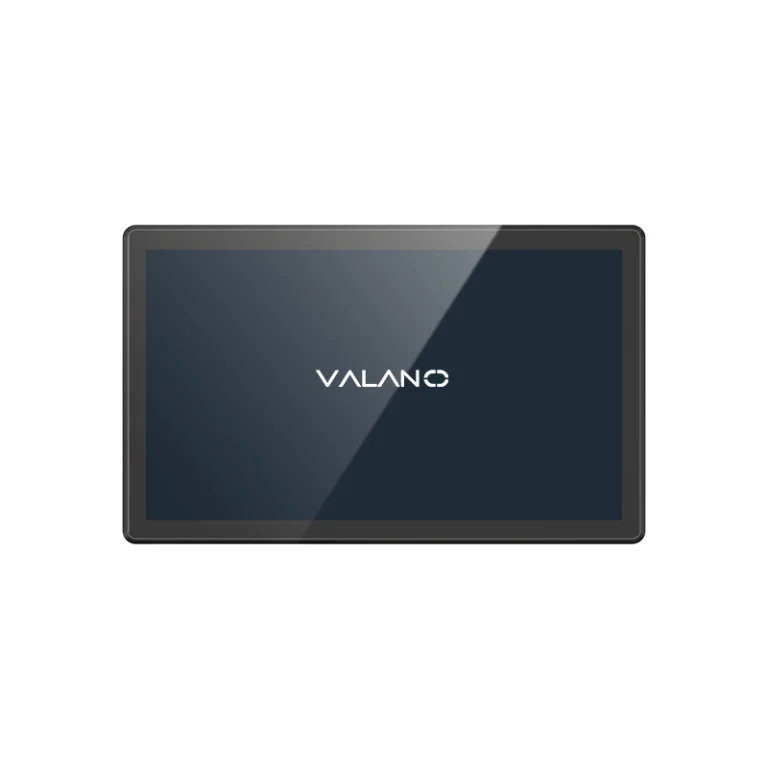
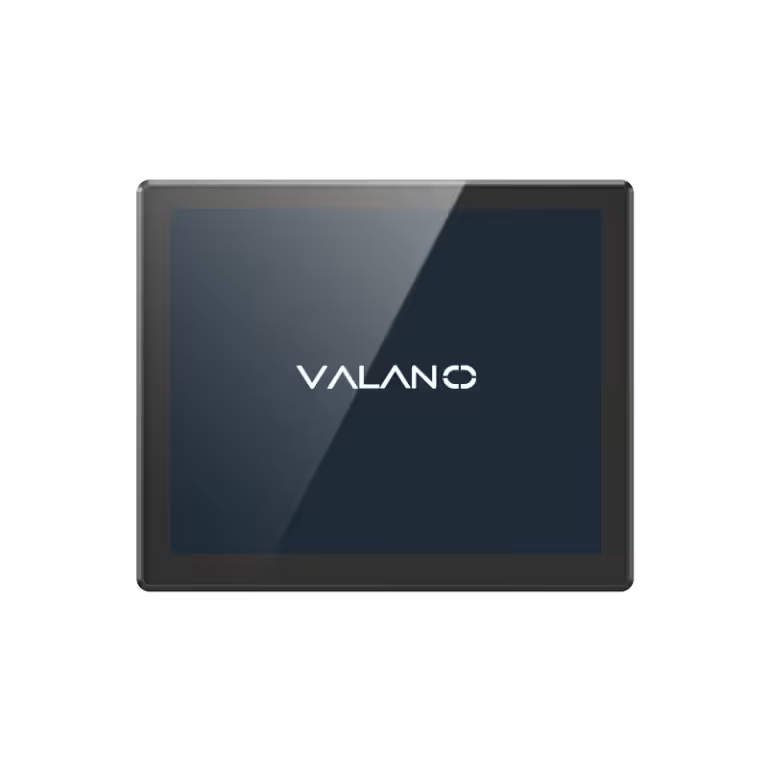
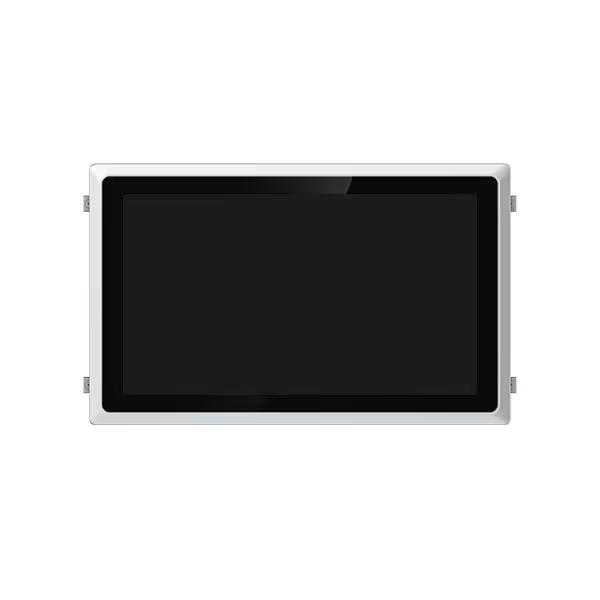
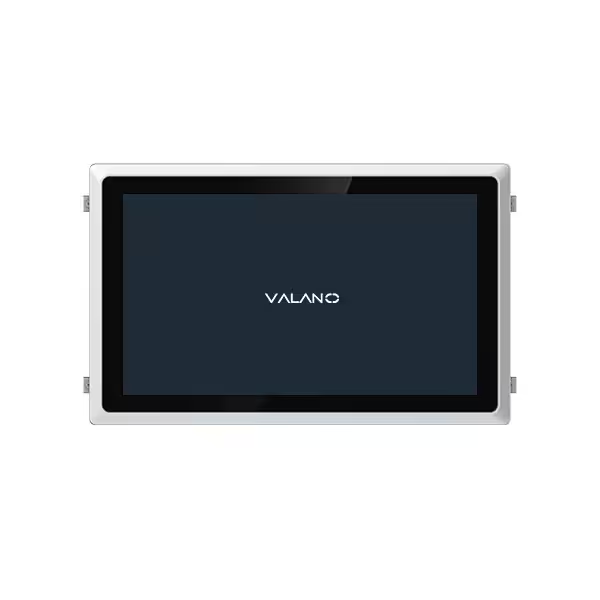
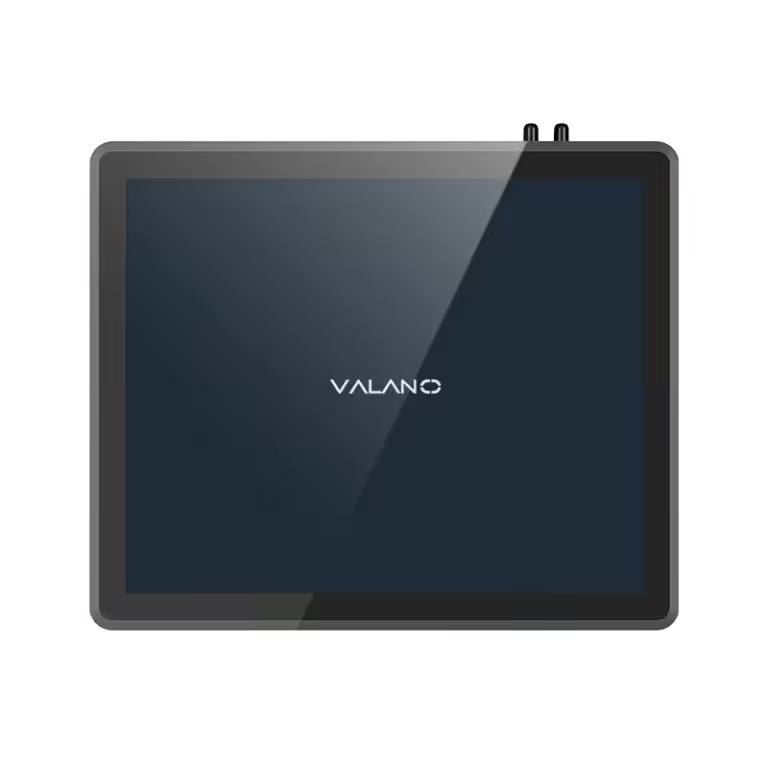
Industrial all-in-one pc systems work well in control rooms and production lines. These computers combine a display, processor, and input devices in one unit. This design saves space and reduces cable clutter.
Many industry applications use industrial all-in-one pc solutions for monitoring and data collection. Operators can view real-time data and control machines from a single screen. The industrial all-in-one pc also supports touch input, which helps in fast-paced environments.
Factories often choose an industrial all-in-one pc for quality control stations. The rugged design allows the system to handle dust and vibration. This makes the industrial all-in-one pc a reliable choice for harsh settings.
Embedded Industrial Computer Roles
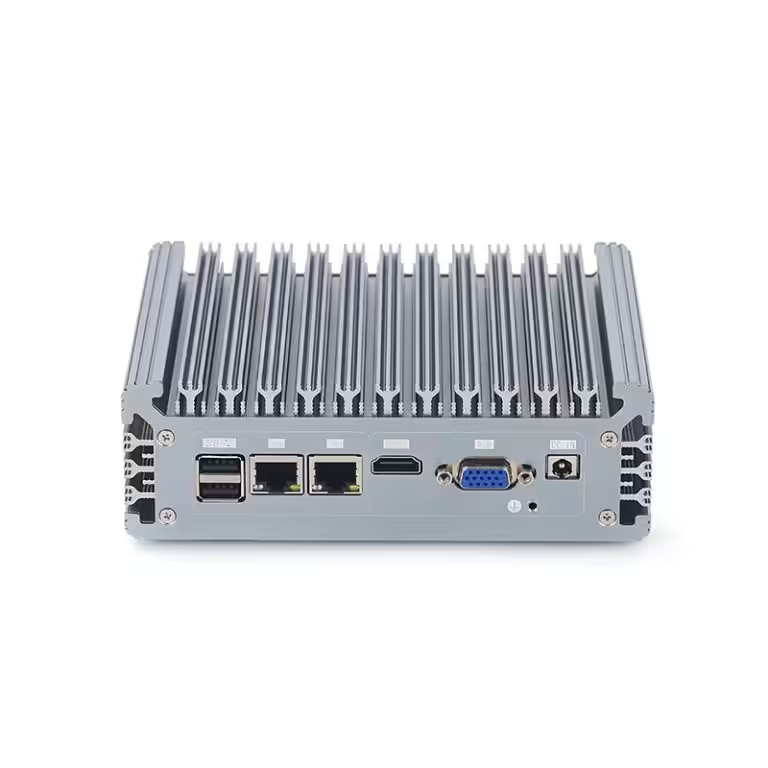
An embedded industrial computer fits inside machines and equipment. It controls one main function, such as managing a conveyor belt or regulating temperature. The small size of an embedded industrial computer allows it to fit in tight spaces.
Many industry applications rely on the embedded industrial computer for stable operation. These systems use less power and generate less heat. The embedded industrial computer often works in kiosks, medical devices, and smart meters.
Engineers select an embedded industrial computer for tasks that do not change often. The fixed design ensures long-term reliability. In many embedded applications, the embedded industrial computer provides precise and consistent control.
Rugged Embedded Computer Applications
A rugged embedded computer operates in extreme conditions. It resists water, dust, and shock. This makes the rugged embedded computer ideal for outdoor use and mobile equipment.
Transportation systems use the rugged embedded computer for vehicle control and monitoring. The sealed case protects the system from dirt and moisture. Many mining and oil field operations depend on the rugged embedded computer for safety and automation.
A rugged embedded computer also supports remote monitoring in harsh environments. It keeps working when other computers might fail. This reliability is important for critical industry applications.
Conclusion
Understanding the differences between Industrial PC vs Embedded PC enables more effective system planning in industrial and automation environments. Industrial PCs stand out for flexibility, scalability, and complex control, while embedded PCs excel in compact, energy-efficient, single-purpose applications. Aligning system architecture with performance demands, environment, and long-term maintenance goals helps reduce risk, improve reliability, and ensure sustainable operation—making this comparison essential for informed, future-ready deployment decisions.