Smart renewable energy systems rely on advanced computing to optimize performance, monitor assets, and improve efficiency across solar, wind, and grid operations. Industrial PCs play a critical role in enabling real-time data processing, system control, and reliable connectivity in harsh environments. This article explores how these systems support smarter energy applications and drive the transition toward more efficient and sustainable power infrastructure.
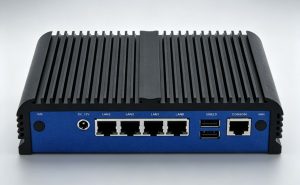
Industrial PCs in Smart Renewable Energy
Real-Time Data and Automation
Industrial pcs collect and process data from sensors in smart renewable energy systems. These computers use real-time analytics to monitor power generation, weather conditions, and equipment status. This information helps operators make quick decisions and adjust system settings.
Many smart renewable energy sites use automated controllers to balance supply and demand. These controllers can turn devices on or off and shift energy between batteries and the grid. This process keeps energy flowing smoothly and prevents waste.
Autonomous Energy Management
Modern renewable energy systems use advanced software and artificial intelligence. These tools allow the system to manage itself with little human help. The system can predict energy needs and adjust output automatically.
- Autonomous management supports Industry 4.0 goals.
- It helps create smarter, more efficient energy networks.
- It reduces downtime and increases reliability.
Smart renewable energy platforms can learn from past data. They use this knowledge to improve performance over time. This shift from simple data collection to autonomous control marks a big step forward for clean energy.
Benefits for Renewable Energy Systems
Durability and Reliability
Industrial pcs are built to last in tough environments. They can handle dust, moisture, and extreme temperatures. This durability means less downtime and fewer repairs for renewable energy systems.
Operators trust these computers to run 24/7. They support critical tasks like monitoring and control. This reliability helps keep power plants safe and efficient.
Energy Efficiency and Performance
Energy efficiency is important for every renewable energy project. Industrial pcs use advanced processors that save power while delivering strong performance. These computers process large amounts of data quickly.
- Fast data handling supports real-time decisions.
- Lower energy use reduces operating costs.
- Efficient systems help meet clean energy goals.
Smart renewable energy platforms depend on this balance of speed and efficiency. They can react to changes in weather or demand without wasting resources.
Scalability and Flexibility
Renewable energy systems often grow over time. Industrial pcs make it easy to add new devices or expand networks. Their flexible design supports many types of sensors and controllers.
Operators can upgrade software or connect new equipment without replacing the whole system. This flexibility saves money and supports future growth. It also helps smart renewable energy projects adapt to new technology.
Smart Grid and Renewable Energy Use Cases
Grid Monitoring and Load Balancing
A smart grid uses industrial PCs to monitor power flow and detect problems quickly. These systems collect data from sensors across the network. Operators can see where energy is needed and shift supply to match demand.
Dynamic load balancing helps prevent blackouts. When one area uses more power, the system can send extra energy there. Automated fault detection finds issues before they cause bigger problems.
Solar and Wind Applications
Industrial PCs play a key role in solar and wind projects. They track weather changes and adjust equipment for the best performance. In solar microgrids, these computers manage battery storage and control how much energy goes to the grid.
Hybrid systems combine solar, wind, and batteries. Industrial PCs help these systems work together smoothly. They make sure each part of the system runs at its best.
AI and Embedded Solutions
AI-powered solutions use advanced processors from Intel or AMD. These processors handle complex tasks like predicting energy needs and spotting faults. Ruggedized hardware keeps these systems running in harsh outdoor settings.
Embedded AI can learn from past data. It helps the smart grid make better decisions over time. This technology supports safer and more efficient energy networks.
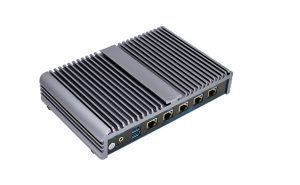
Hardware Essentials for Clean Energy
Rugged Design and Wide Temperature Range
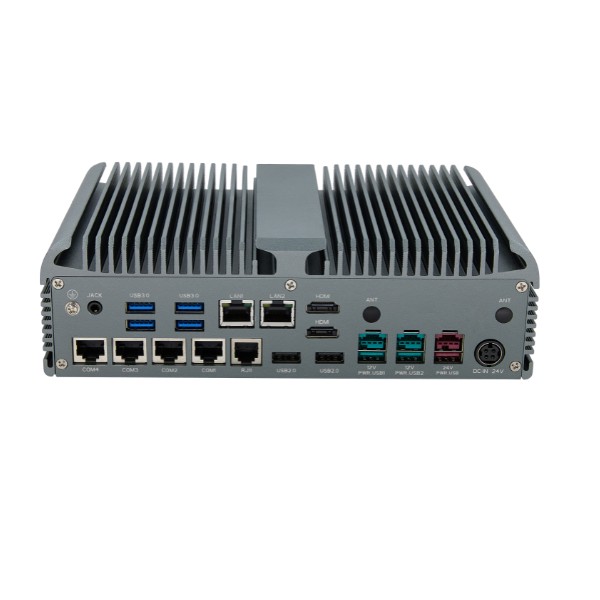
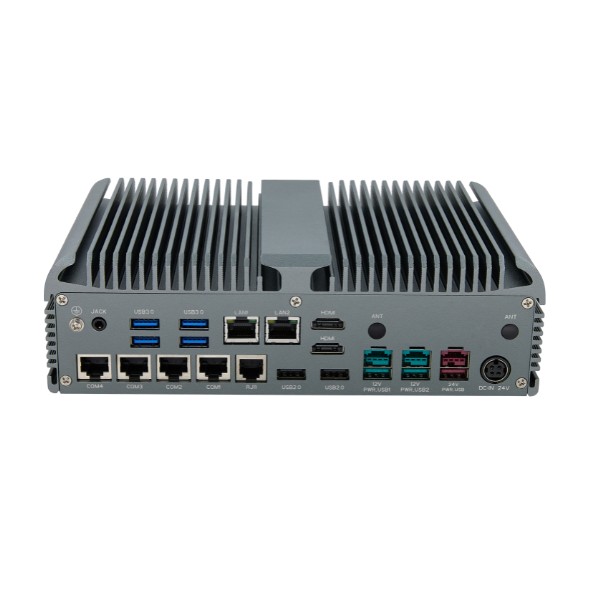
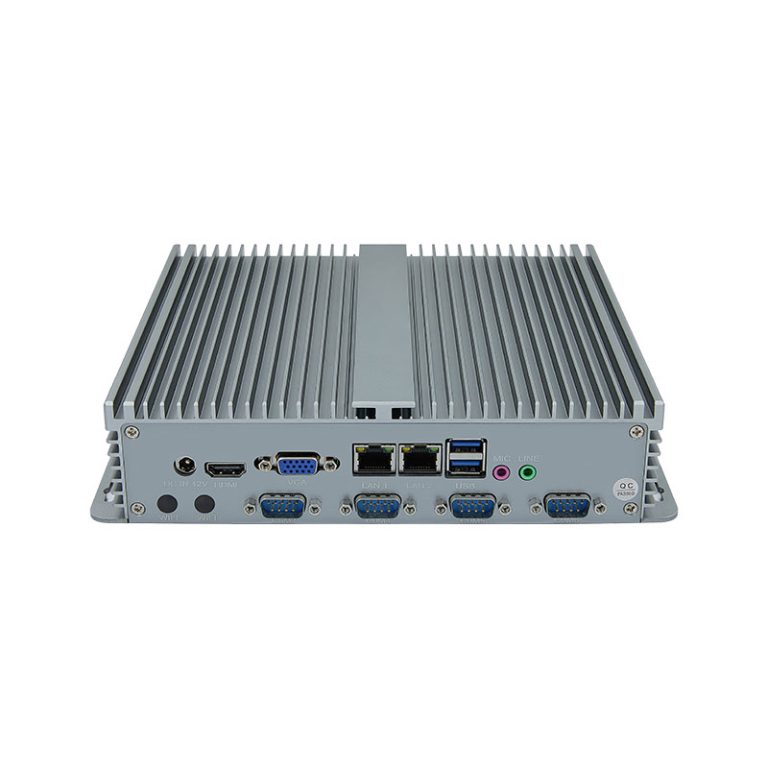
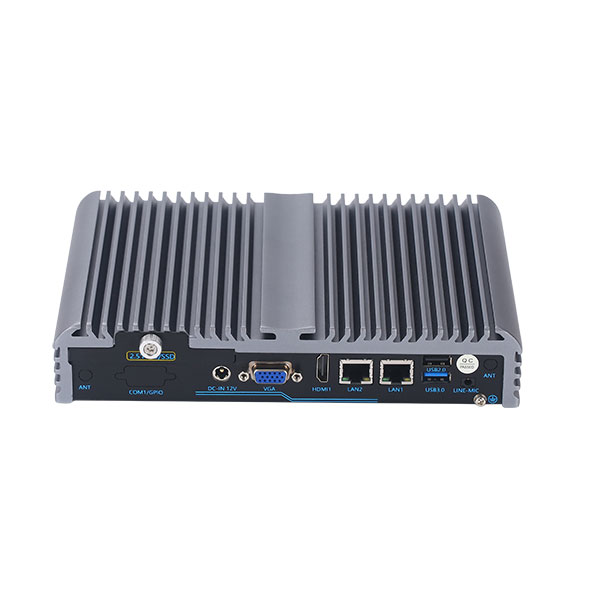
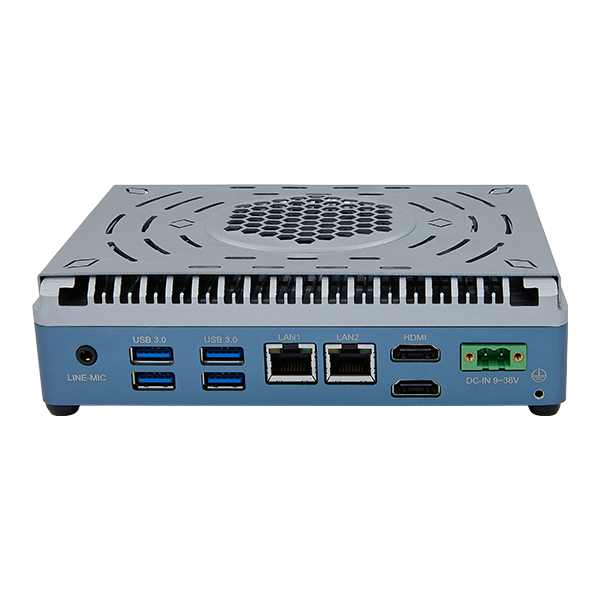
Industrial PCs are engineered to operate reliably across extreme and unpredictable environments. Whether exposed to high heat in desert solar farms or freezing conditions in remote wind installations, they maintain stable performance through reinforced enclosures, fanless designs, and industrial-grade components. These features also protect against dust, moisture, and vibration.
This rugged construction significantly reduces the risk of system failure, minimizing downtime and maintenance costs. As a result, renewable energy operations in remote or harsh locations can maintain continuous, reliable performance, ensuring consistent power generation and system stability.
Advanced Connectivity
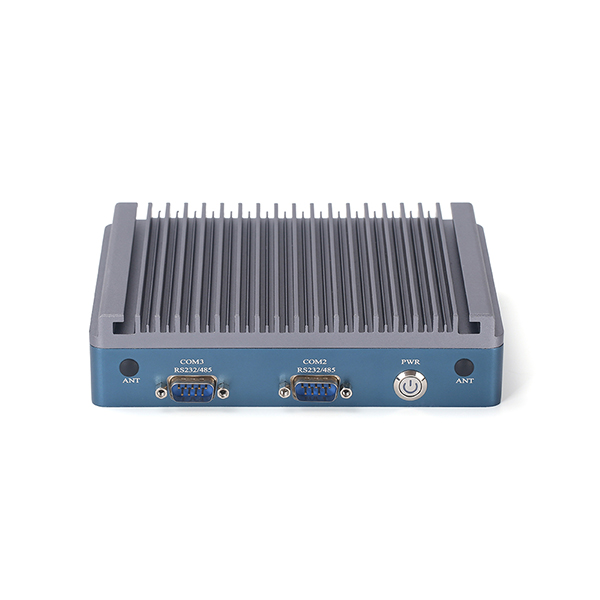
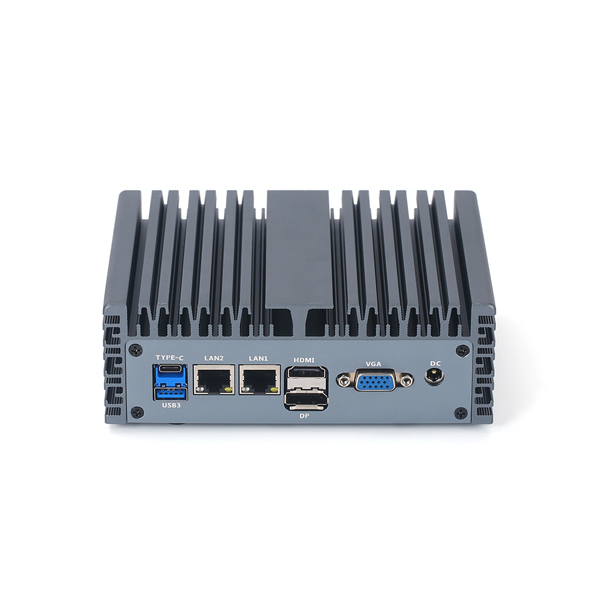
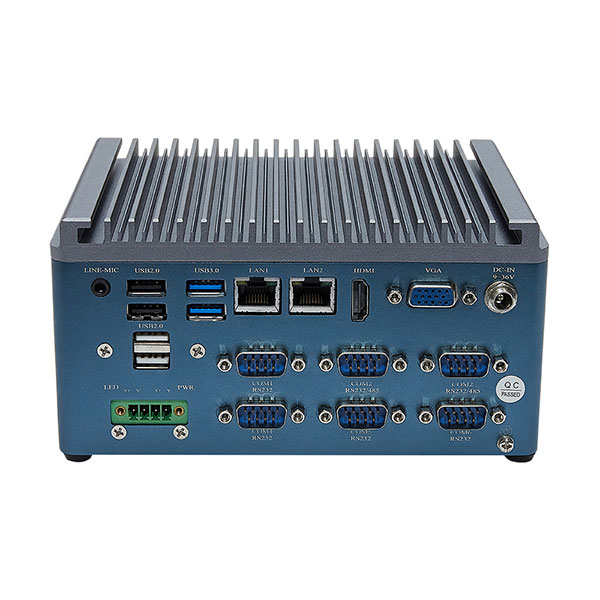
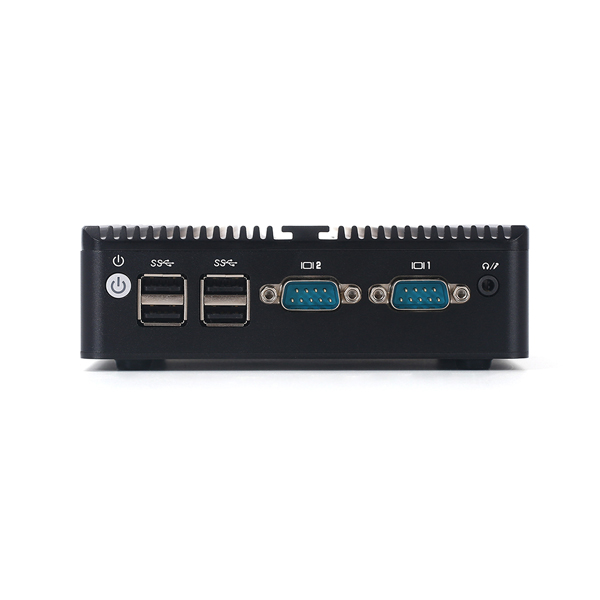
Modern energy systems need to connect many devices. Industrial PCs support a wide range of ports and wireless options. They can link to sensors, controllers, and cloud platforms.
- Ethernet, Wi-Fi, and cellular connections are common.
- Multiple ports allow for easy expansion.
- Secure data transfer protects system information.
A table can show common connectivity features:
| Feature | Benefit |
|---|---|
| Ethernet | Fast, stable data flow |
| Wi-Fi | Flexible placement |
| Serial Ports | Legacy device support |
Good connectivity helps operators monitor and control systems from anywhere.
Long Lifecycle and Support
Energy projects often last for many years, and Industrial PCs are designed to match this long operational demand with durable hardware and stable performance. Manufacturers typically provide extended product lifecycles, long-term availability of spare parts, and ongoing technical support, ensuring system continuity and reduced maintenance risks.
In addition, their stable hardware platforms make it easier to perform software updates, integrate new functions, and adapt to evolving energy management requirements. This helps renewable energy systems remain efficient, compatible, and future-ready without requiring major infrastructure replacements.
Conclusion
Industrial PCs are a key enabler of smart renewable energy systems, supporting real-time monitoring, automation, and intelligent decision-making across solar, wind, and grid operations. Their rugged design ensures reliable performance in harsh environments, while advanced connectivity and AI integration improve efficiency, scalability, and system responsiveness. As renewable energy networks evolve, these technologies help build more stable, efficient, and sustainable power infrastructure for the future.
Ready to upgrade your renewable energy infrastructure? Request a customized consultation with our experts and discover how Industrial PCs can boost your system’s long-term performance and efficiency.