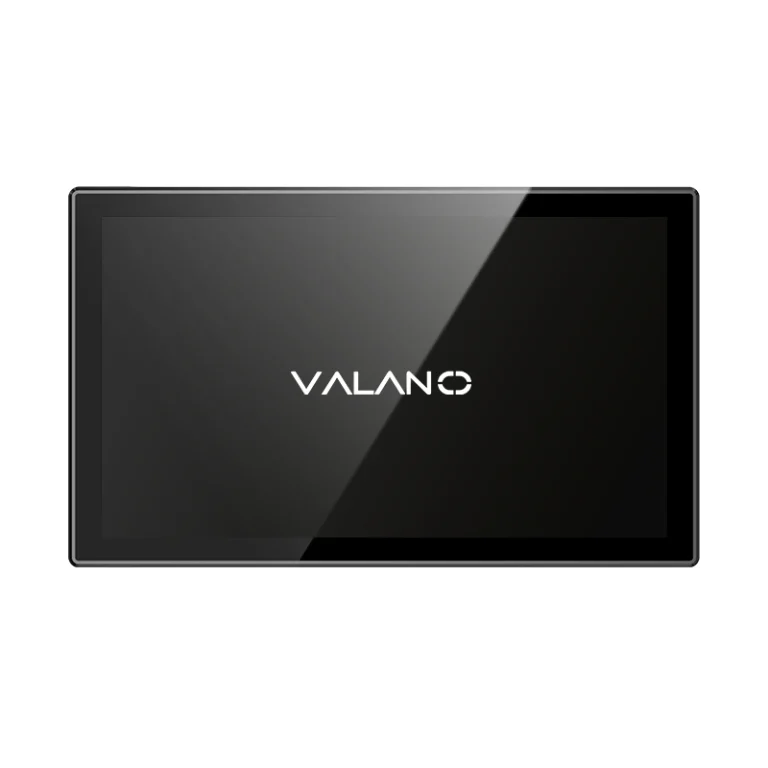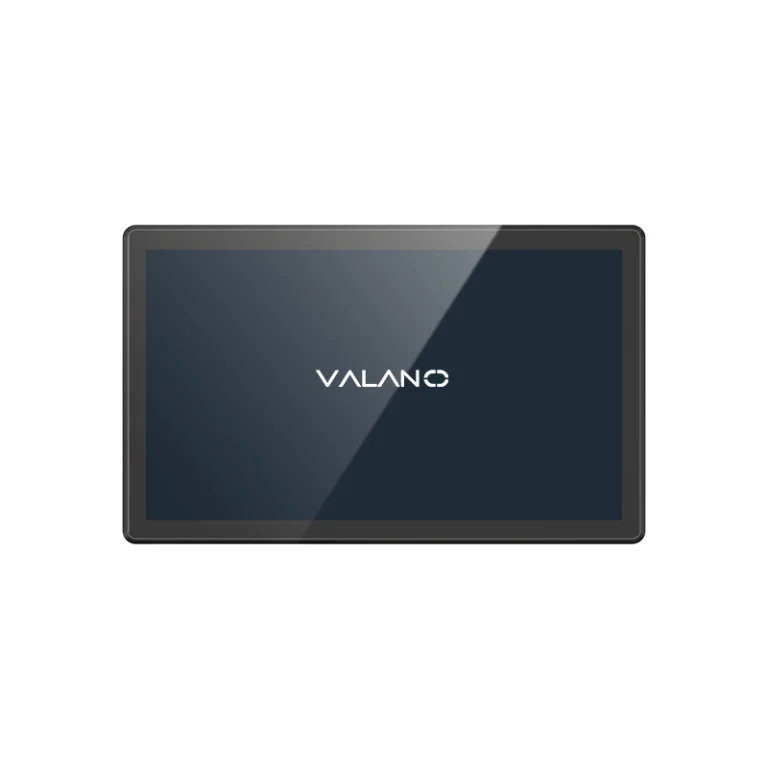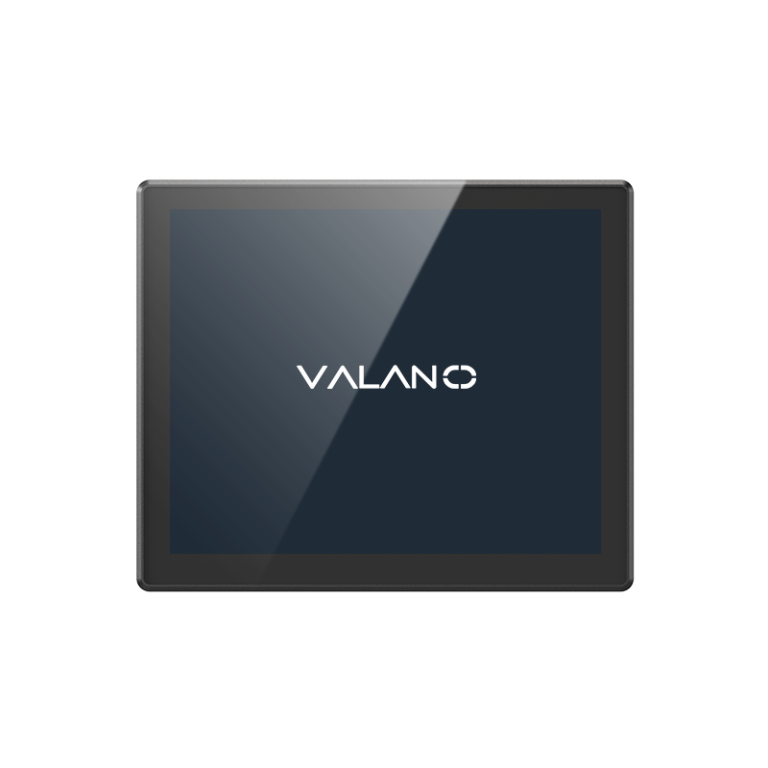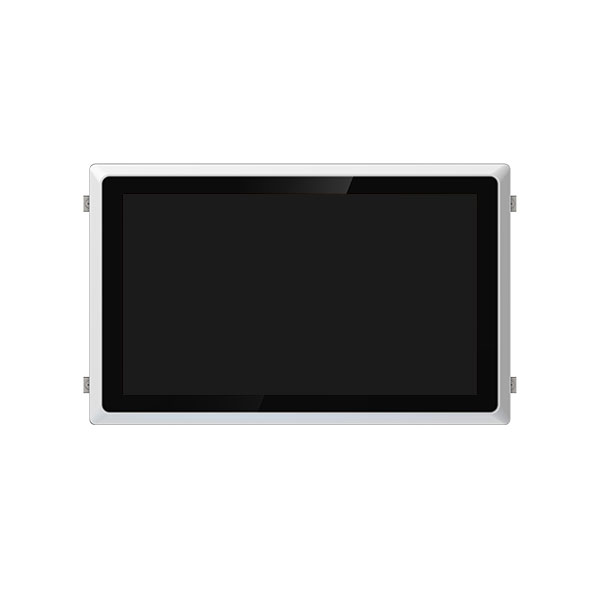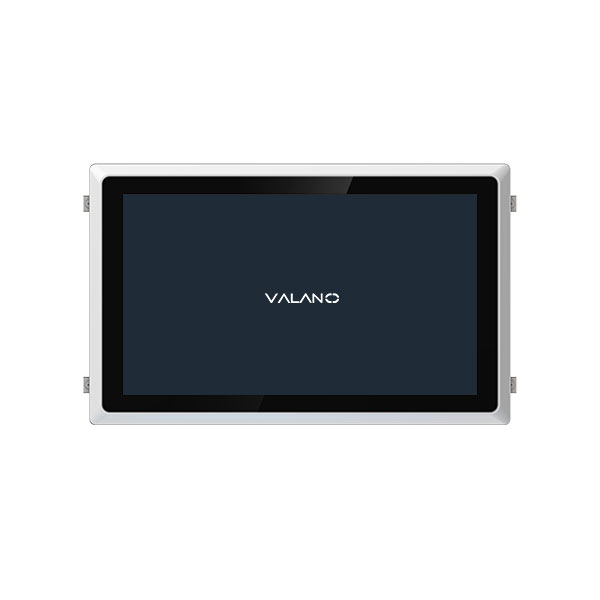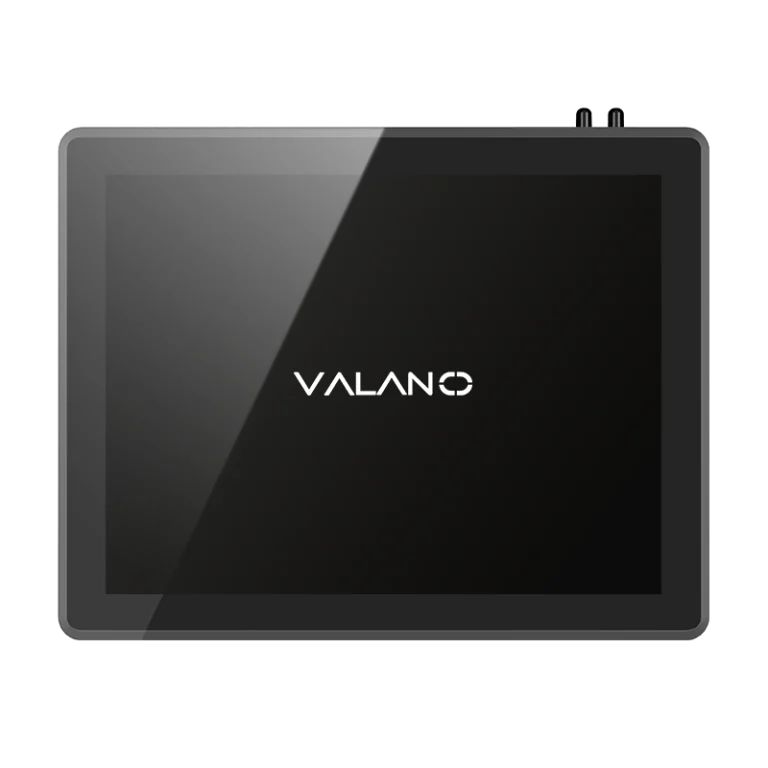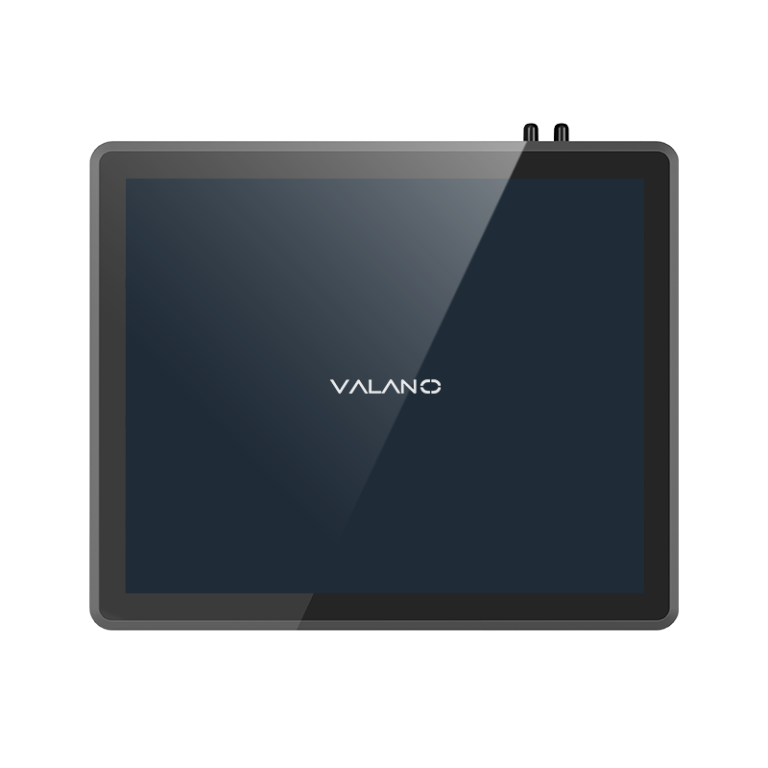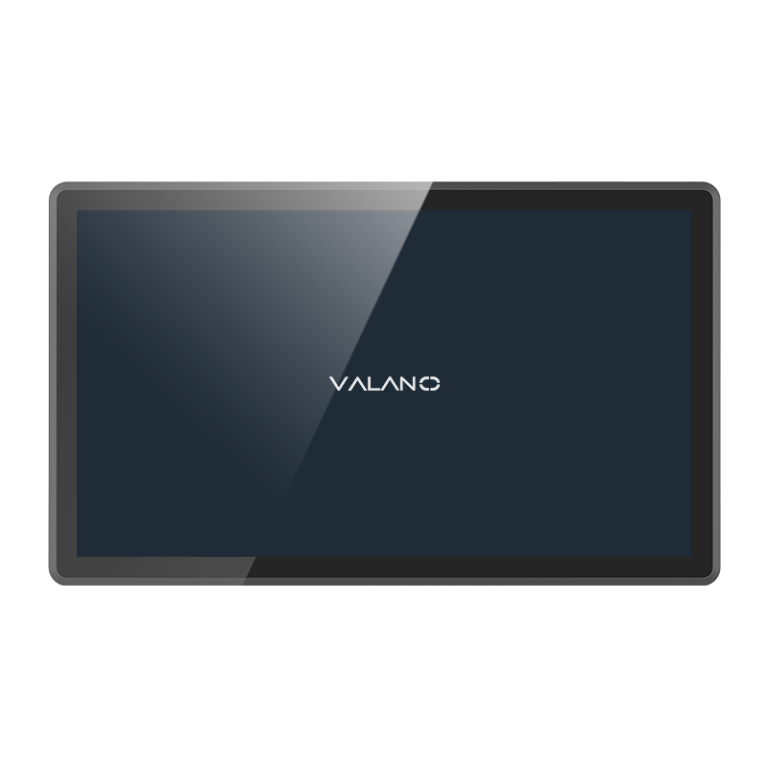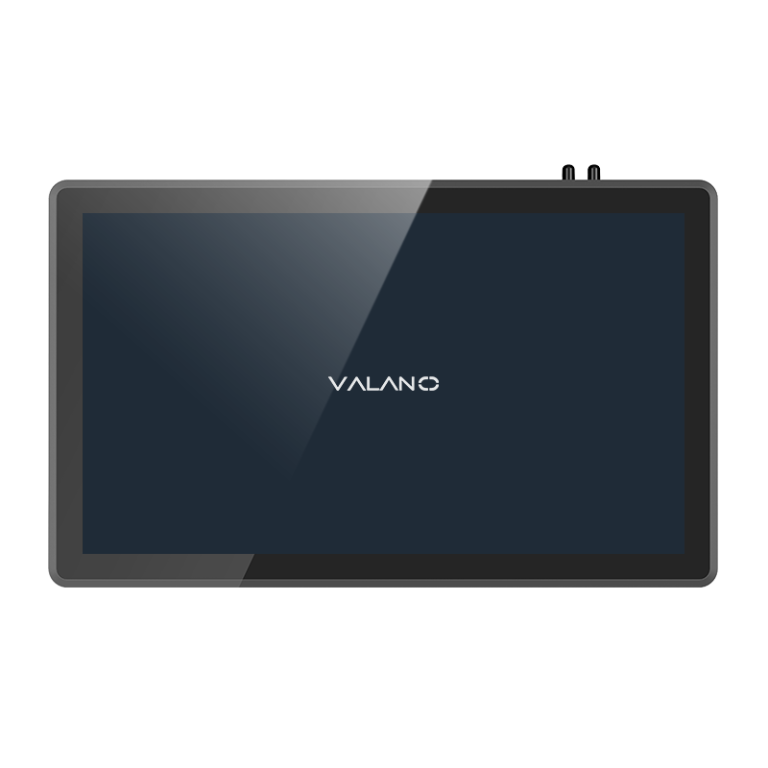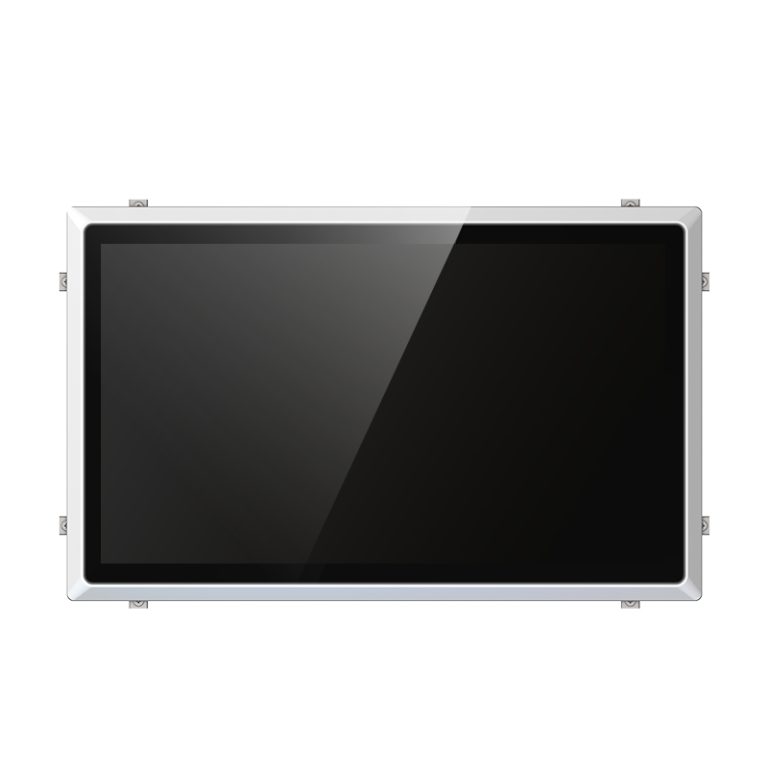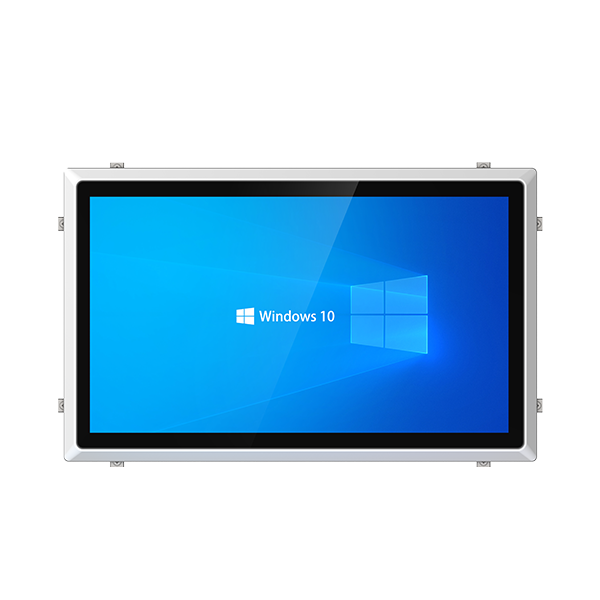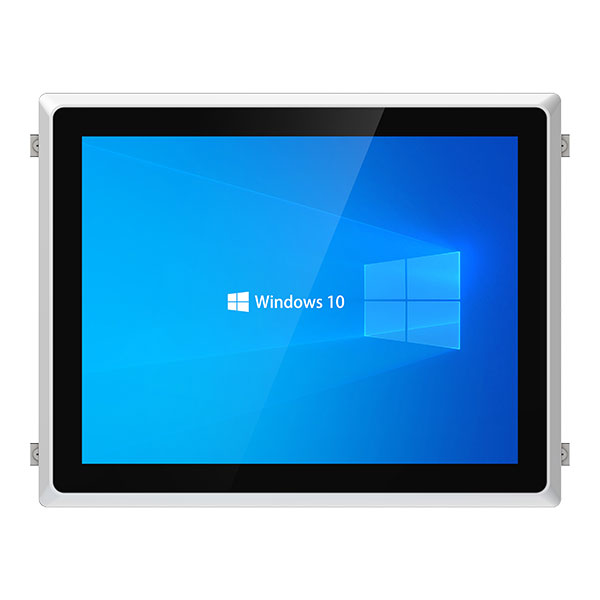
IP65 industrial panel PCs can help protect an operator interface from dust and water jets when the rated part of the device is exposed in a demanding work area. For manufacturers and system integrators, the practical benefits may include lower ingress-related risk, easier routine surface cleaning, and more dependable HMI access near production equipment. These benefits depend on what part of the unit is rated and whether the rating matches the actual exposure.
An IP65 rating does not make every panel PC suitable for every harsh environment. Buyers should consider the enclosure scope, connectors, cleaning method, temperature, vibration, and the computer’s workload alongside the rating.
IP65 Protection for Industrial Panel PCs
IP ratings classify enclosure protection against solid objects and water under defined test conditions. In IP65, the first digit indicates dust-tight protection, while the second indicates protection against water jets. This is relevant to panel PCs used near dust, splashes, and certain routine cleaning tasks.
The rating applies to the tested enclosure or surface, not automatically to the complete computing system in every configuration. Some industrial panel PCs have an IP65-rated front panel when installed in a cabinet or machine cutout; other designs may provide protection across more of the enclosure. Buyers should confirm the exact rated area in the datasheet and ask how connectors and cable interfaces are protected.
Operational Benefits in Harsh Environments
Reduced Dust and Water Ingress Risk
Dust can accumulate around exposed controls and enter equipment through unsealed openings. Moisture can also create problems when it reaches components that are not designed for wet exposure. An appropriately rated panel surface helps limit these specific ingress risks, supporting more dependable operation in dusty or splash-prone areas.
The benefit is most relevant when the operator interface is exposed to the environment. If the panel PC is fully enclosed inside a clean, sealed control cabinet, the IP65 front panel may provide less operational value than it would on an exposed machine face.
Fewer Exposure-Related Interruptions
Ingress protection can reduce one source of environmental stress on the HMI, but it cannot prevent every cause of failure. Heat, vibration, electrical faults, software issues, poor cable connections, and inadequate maintenance remain separate risks.
For plant operators, the practical value is a lower chance that dust or water entering the rated area will interrupt monitoring or operator input. This can support continuity at a machine station, although no IP rating guarantees uptime or prevents production downtime.
Easier Routine Surface Cleaning
A sealed front surface can make it easier to wipe dust and splashes from around the touchscreen without exposing the rated area to the same ingress risk as an unsealed interface. This can be useful on packaging lines, production equipment, and other workstations where routine surface cleaning is part of normal operations.
Cleaning conditions still matter. IP65 does not automatically establish compatibility with detergents, solvents, corrosive chemicals, hot water, steam, or high-pressure washdown. The cleaning procedure and materials must be checked against the device manufacturer’s specifications.
More Dependable Machine-Side HMI Access
Panel PCs combine a display and computer in one unit, allowing an HMI to be positioned near the machine or process it serves. When the interface is exposed to dust or water jets, an appropriate IP65 design can help protect the rated surface while operators view machine status, enter parameters, or respond to alarms.
The computing platform, display, touchscreen, and industrial interfaces still need to match the application. A suitable IP rating does not by itself ensure readable screens, glove operation, enough processing capacity, or compatibility with PLCs and control software.
Potential Maintenance and Lifecycle Value
Reducing ingress-related faults may lower some inspection, cleaning, or repair needs over time. It may also help avoid premature replacement where dust or splashing water is a meaningful exposure. These are potential lifecycle benefits, not guaranteed savings.
A evaluation should compare the cost of a suitably protected panel PC with the exposure and service conditions of the installation. An IP65 configuration may add value in an exposed work area, while an unnecessary rating may add cost without addressing the actual operating risk.
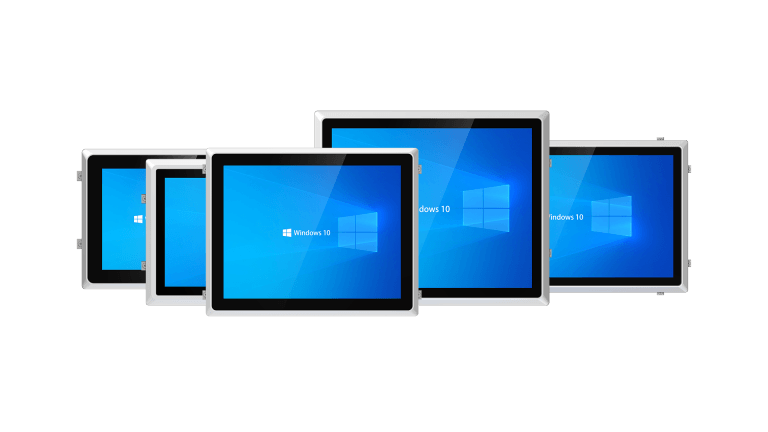
Industrial Environments That Benefit
The value of an IP65 industrial panel PC depends on the exposure at the operator interface. Common examples include:
| Operating condition | Potential benefit | Qualification |
|---|---|---|
| Dusty production areas | Helps limit dust ingress at the rated surface | Confirm whether the rating covers only the front or the full unit |
| Splash-prone packaging or process lines | Adds protection against water jets within the rating’s test conditions | Verify connector, cable, and rear-enclosure protection |
| Workstations requiring routine surface cleaning | Supports cleaning around a sealed operator-facing surface | Confirm chemical and washdown compatibility separately |
| Machine-side control stations | Supports exposed HMI use close to equipment | Vibration, temperature, and impact need separate specifications |
These examples are not blanket suitability claims. A wet food-processing washdown zone, for example, may require a higher protection level and compatible materials beyond IP65.
IP65 Limits and Protection Scope
IP65 is not synonymous with waterproof. It does not mean the device can be immersed, exposed to every water pressure, or cleaned with any fluid. The rating also does not state resistance to impact, vibration, extreme temperatures, UV exposure, or chemical corrosion.
The difference between front-panel and full-enclosure protection is especially important in procurement. A front-rated device may suit a panel-mounted installation where the rear enclosure is protected. An exposed installation may require a rating for the complete unit and its interfaces. The installed configuration, including seals, connectors, and cable routing, should be consistent with the manufacturer’s test conditions.
Factors That Determine Real-World Value
Before selecting an IP65 industrial panel PC, buyers should define the operating conditions and verify the product details that affect protection and usability:
- Exposure: dust type, water direction, frequency, and cleaning method
- Protection scope: front panel, full enclosure, and connected interfaces
- Touch operation: capacitive or resistive technology, glove use, and operator workflow
- Display requirements: screen size, brightness, viewing angle, and ambient lighting
- System requirements: processor, memory, operating system, I/O, and communication protocols
- Other environmental demands: temperature, vibration, shock, and chemical exposure
This review keeps the IP rating in context. It helps buyers specify a configuration that addresses the actual environmental risk without assuming IP65 covers unrelated durability or performance requirements.
Conclusion
IP65 industrial panel PCs can provide practical benefits when the operator-facing equipment is exposed to dust, water jets, or routine surface cleaning. Potential gains include reduced ingress-related risk, more reliable access to machine-side HMIs, and lower exposure-related maintenance. The value depends on the rated area, the installed configuration, and actual site conditions. Buyers should verify the complete protection scope and assess other environmental requirements separately.
Explore Valano Industrial Panel PCs
Planning an HMI or machine-control project in a dusty or splash-prone area? Explore Valano’s IP65 industrial panel PCs. Share your exposure conditions, cleaning method, screen size, touchscreen requirements, operating system, and I/O needs with our team. We can help identify configurations with a suitable protection scope for your project. Request a quote now.