Skip to content
Healthcare Efficiency Challenges
Workflow Delays in Medical Facilities
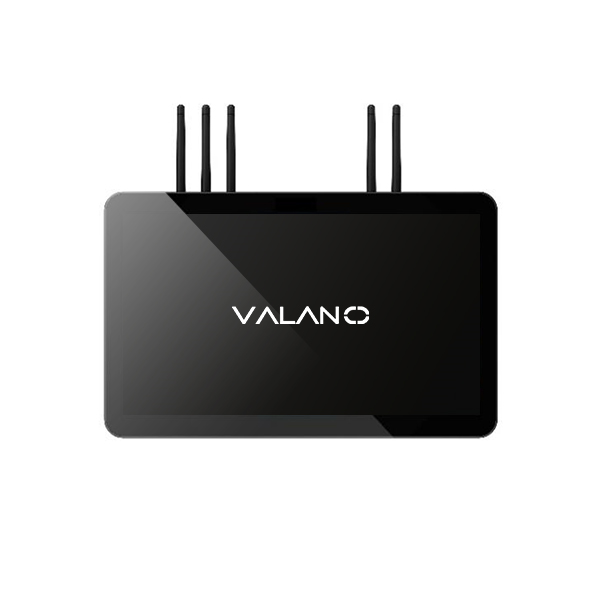
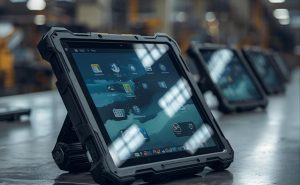
Medical staff often face workflow delays when using devices that cannot keep up with daily demands. Rugged tablets help reduce these delays by providing fast access to patient records and treatment plans. Staff can move between rooms and departments without worrying about device damage or interruptions.
Device Downtime and Reliability Issues
Many healthcare facilities struggle with device downtime. Standard tablets may fail after drops or exposure to liquids, causing interruptions in care. Rugged tablets are built to withstand rough handling, spills, and frequent cleaning, which keeps them working reliably throughout long shifts.
- Rugged tablets have strong casings and screens.
- They resist damage from disinfectants and falls.
- Reliable devices help staff focus on patient care instead of technical problems.
Patient Data Transfer Barriers
Patient data transfer is a major challenge in healthcare. Slow or insecure systems can delay treatment and create risks for patients. Rugged tablets support secure patient data transfer, allowing staff to share information quickly between departments and with remote specialists.
| Challenge | Rugged Tablet Solution |
|---|---|
| Slow patient data transfer | Fast, secure sharing |
| Device failures | Rugged design prevents downtime |
| Workflow interruptions | Reliable access to recorRemove featured imageds |
Rugged tablets improve efficiency by solving these common problems. They help healthcare teams deliver better care and keep patient data transfer safe and fast.
Key Features of Rugged Tablets
Durability and Long Battery Life
Rugged tablets are built to survive tough conditions in medical facilities. These devices can handle drops from carts or beds without breaking. They resist spills from water, coffee, or cleaning solutions.
Medical tablets have strong screens that do not crack easily. Staff can clean these rugged devices with disinfectants many times each day. This durability means fewer repairs and less downtime.
Long battery life is another key feature. Medical tablets can last through long shifts without needing a charge. Reliable power helps staff focus on patient care instead of searching for chargers.
Real-Time Patient Data Access
Rugged tablets give staff real-time data access at the point of care. Nurses and doctors can view patient records, lab results, and medication lists instantly. This quick access helps them make better decisions.
Medical tablets update information as soon as staff enter new data. This reduces mistakes and keeps everyone on the same page. Rugged devices work well in emergency rooms, operating rooms, and patient wards.
A nurse can check vital signs and update charts without leaving the patient’s side. This saves time and improves patient safety. Rugged tablets support fast and accurate care.
Integration with Healthcare Systems
Rugged tablets connect easily with hospital software and electronic health records. Staff can use medical tablets to scan barcodes, track medications, and schedule treatments. These rugged devices work with wireless networks and secure hospital systems.
Integration means staff do not need to switch between different devices. Medical tablets help teams share information quickly and safely. Rugged tablets support secure logins and protect patient privacy.
| Feature | Benefit in Medical Facilities |
|---|---|
| Rugged design | Withstands drops and spills |
| Long battery life | Reduces workflow interruptions |
| System integration | Smooth data sharing and updates |
Rugged Medical Tablets in Patient Care
Faster Decision-Making with Instant Data
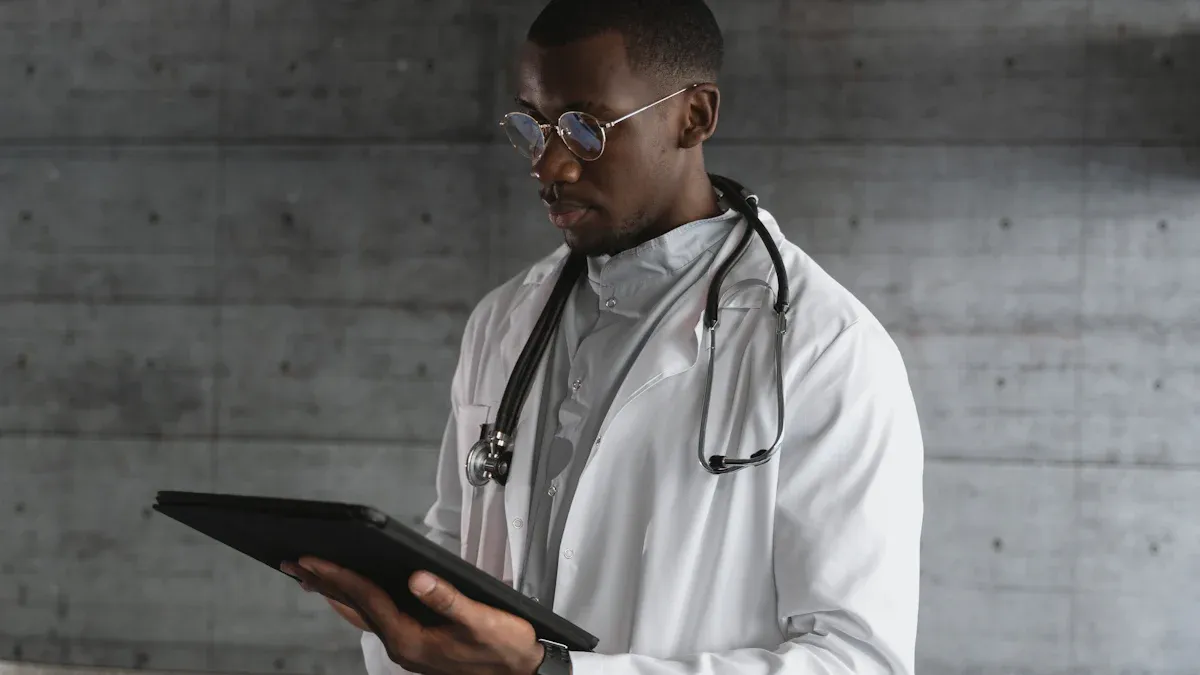
Rugged tablets give doctors and nurses instant access to patient records. Staff can view test results and treatment plans at the bedside. This quick access helps teams make decisions that improve patient care.
Rugged medical tablets update information in real time. Staff do not need to leave the room to check charts. This reduces delays and supports better outcomes.
Enhanced Communication and Collaboration
Rugged tablets support teamwork in busy hospitals. Staff can send updates and alerts to each other without leaving their stations. This keeps everyone informed and focused on patient care.
Rugged medical tablets allow teams to share notes and images quickly. Doctors and nurses can work together to solve problems faster. These rugged devices help reduce confusion and mistakes.
- Rugged tablets improve communication between departments.
- Teams can respond to changes in patient care needs right away.
Secure Messaging and Video Calls
Rugged tablets protect private information during messages and calls. Staff can use secure video calls to speak with specialists in other locations. This helps hospitals provide expert care even when specialists are not on site.
Rugged devices keep patient data safe from unauthorized access. Secure messaging on rugged tablets supports fast and private communication. These features help hospitals meet strict healthcare privacy rules.
| Feature | Benefit for Patient Care |
|---|---|
| Secure messaging | Protects patient information |
| Video calls | Connects staff with specialists |
| Rugged design | Works in all hospital settings |
Improving Administrative Workflows
Reducing Data-Entry Errors
Rugged tablets help reduce data-entry errors in healthcare settings. Staff can scan patient wristbands and medication barcodes directly into the system. This process improves billing efficiency and supports accurate record keeping.
Rugged tablets also allow staff to enter information at the point of care. Nurses and doctors can update charts without returning to a central station. This method keeps records current and supports healthcare efficiency.
Streamlining Check-In to Discharge
Rugged tablets make the check-in process faster for patients. Staff can collect signatures, verify insurance, and update forms on rugged devices. This approach speeds up billing efficiency and reduces wait times.
A table can show how rugged tablets improve each step:
| Step | Rugged Tablet Benefit |
|---|---|
| Check-In | Fast data entry |
| Treatment | Real-time updates |
| Discharge | Quick billing efficiency |
During emergency response, rugged tablets help staff track patient movement and treatment. This feature ensures that no step is missed from admission to discharge.
Supporting Healthcare Efficiency
Rugged tablets support healthcare efficiency by connecting administrative and clinical teams. Staff can share updates instantly, which helps with emergency response and billing efficiency. Rugged devices work reliably in all areas of the hospital.
- Rugged tablets withstand drops and spills during busy shifts.
- Staff can use rugged devices for secure communication and data sharing.
- Rugged tablets help hospitals maintain high standards for healthcare efficiency.
Patient Data Transfer and Telehealth
Secure Patient Data Transfer
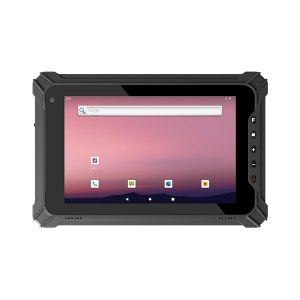
Medical teams need to share patient data quickly and safely. Rugged tablets help staff transfer information in real time without risking data loss. These rugged devices use secure connections to protect sensitive records from unauthorized access.
Hospitals often move patients between departments. Rugged tablets let staff update charts and send test results instantly. This reduces delays and helps doctors make better decisions.
Rugged tablets also work well during emergencies. Staff can collect and share information even in busy or chaotic settings. The rugged design keeps devices working, even if dropped or exposed to liquids.
Telehealth and Remote Consultations
Many hospitals now use telehealth to reach patients who cannot visit in person. Rugged tablets support video calls and secure messaging for remote care. Doctors can review records and talk with patients or specialists from any location.
A table shows how rugged tablets help with remote care:
| Feature | Benefit for Remote Care |
|---|---|
| Video calls | Connects patients and doctors |
| Secure messaging | Shares updates safely |
| Rugged design | Works in any environment |
Rugged tablets make it easy to share images, test results, and treatment plans. Staff can use these rugged devices in clinics, ambulances, or patient homes. This flexibility improves care for people in rural or hard-to-reach areas.
Conclusion
Rugged tablets offer medical facilities a practical way to reduce workflow delays, prevent device downtime, and strengthen secure data sharing. Their durable design and long battery life support continuous use in busy clinical environments, while real-time access to patient records and seamless system integration improve decision-making and communication. By streamlining both clinical and administrative tasks, rugged tablets help healthcare teams deliver faster, safer care with fewer interruptions. This makes them a vital tool for modern medical efficiency.