Skip to content
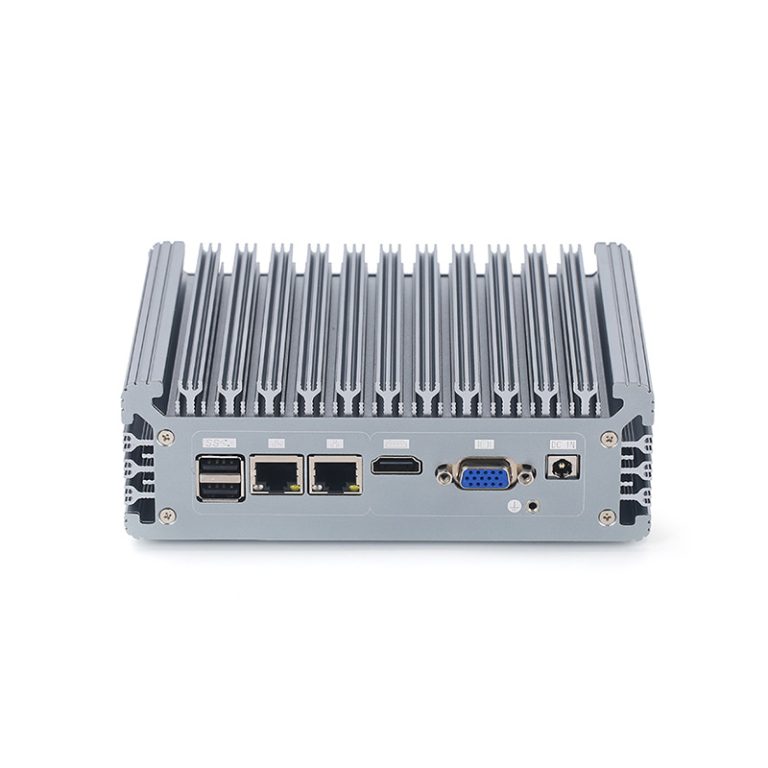
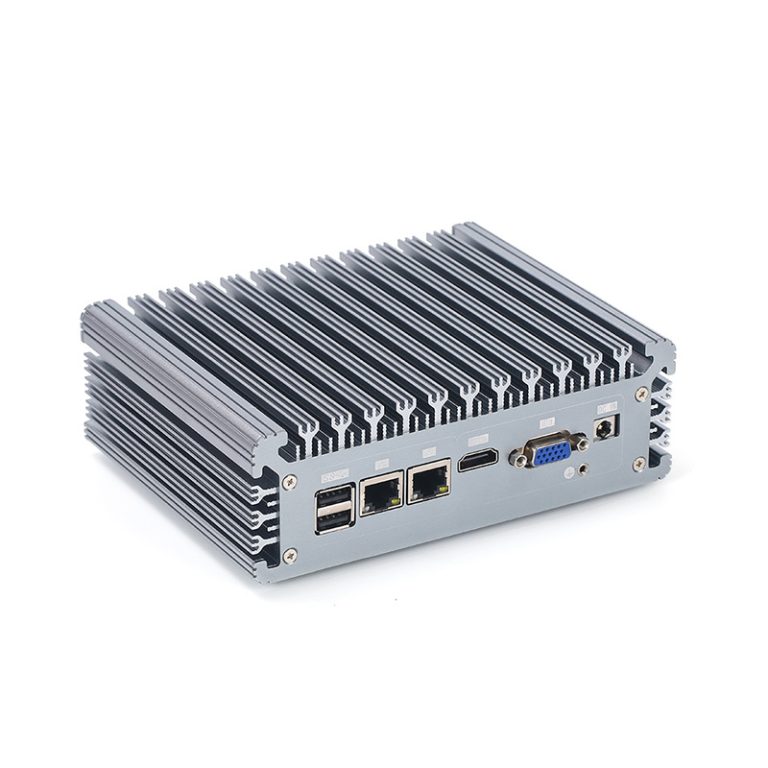
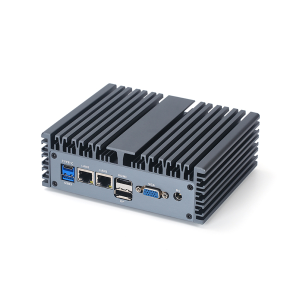
An Embedded Computer is a specialized computing system designed to perform dedicated functions within larger devices or machinery. Its compact design and reliable performance make it essential in industries ranging from automation to medical equipment. Understanding its key features and benefits helps businesses select the right solution for efficiency and precision. This article explores what an embedded computer is, its advantages, and practical applications.
Key Features of Embedded Computers
Dedicated Purpose
An embedded computer is designed to perform a specific task within a larger system. Unlike a general-purpose computer, it does not handle multiple unrelated jobs. This dedicated purpose allows the embedded system to work efficiently and reliably in its environment.
Compact Design
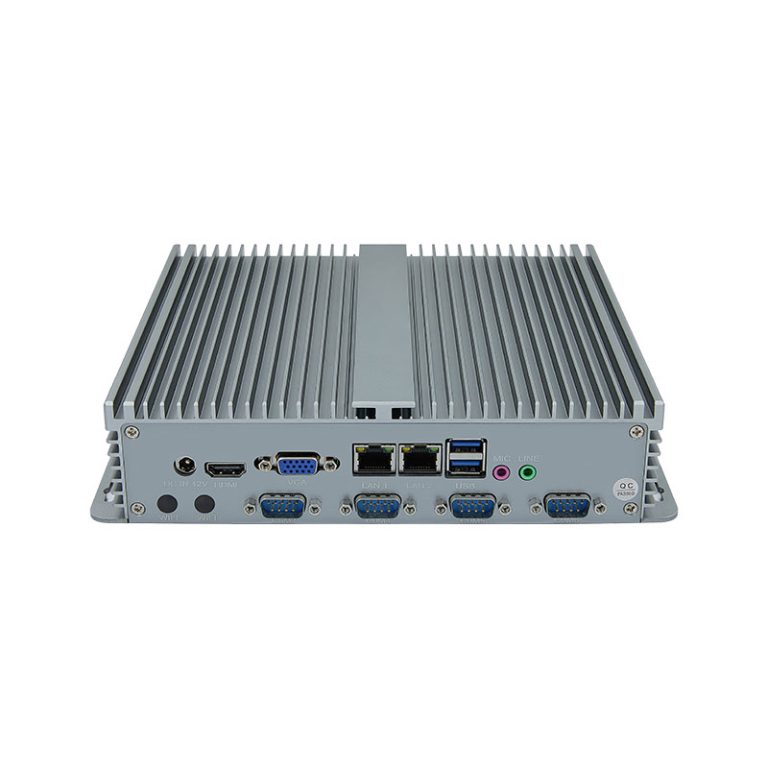
Most embedded computers have a small and compact design. This feature helps them fit into devices like medical equipment, industrial machines, or smart home gadgets. The compact size also makes it easier to install embedded systems in places with limited space.
High Reliability
Reliability is one of the most important features of embedded computers. These systems must work without failure for long periods, even in harsh conditions. Many embedded systems operate in factories, vehicles, or outdoor environments where they face dust, heat, or vibration.
Long-Term Availability
Manufacturers often support embedded computers for many years. This long-term availability is important for industries that need stable and consistent technology. It ensures that replacement parts and support remain available for the life of the embedded system.
Efficient Operation
Embedded computers use resources like power and memory very efficiently. They often run on low power, which is important for devices that need to stay on for long periods. Efficient operation also helps embedded systems work well in battery-powered devices and iot applications.
Note: The key features of embedded computers make them ideal for use in many industries, including iot, automation, and smart devices. The main types of embedded computers include microcontrollers and single-board computers, each designed for specific embedded system needs.
Benefits of Using an Embedded Computer
Operational Efficiency
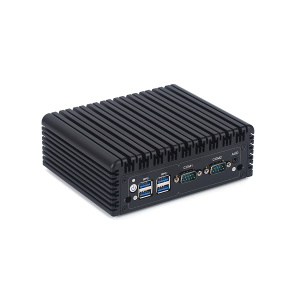
Embedded computers help devices work faster and use less energy. Many types of embedded systems can process information quickly because they focus on one job. This efficiency is important in industries like manufacturing, where machines must run all day without wasting power.
Tip: Efficient embedded systems can extend battery life in portable devices and reduce electricity costs in factories.
Cost-Effectiveness
One of the main benefits of using an embedded computer is lower cost. Companies can save money because these computers use fewer parts and need less maintenance. Many types of embedded systems last for years, which means fewer replacements and repairs.
Customization and Flexibility
Customization is a key advantage of embedded technology. Engineers can design different types of embedded computers to fit special needs, such as controlling robots or monitoring medical equipment. Customization also allows companies to add or remove features based on what their products require.
- Customization helps create smart home devices, security cameras, and even traffic lights.
- Each embedded system can be built for a unique task, making it more useful for its job.
Enhanced Security
Security is another important benefit of an embedded computer. Many embedded systems have fewer ways for hackers to attack because they only do one thing. Customization lets designers add special security features, which helps protect important data in medical devices, cars, and smart home products.
Note: The benefits of an embedded system include better protection for sensitive information and safer operation in critical environments.
Embedded Computer Applications
Industrial Automation
Factories use embedded computers to control machines and robots. These systems help manage assembly lines and monitor equipment. Many factories rely on embedded technology for safety and efficiency.
Note: Embedded systems in industrial automation can work for years without stopping.
Consumer Electronics
Many everyday devices use embedded technology. Examples include digital cameras, gaming consoles, and smartwatches. These products depend on embedded systems to deliver fast and reliable performance.
- Embedded devices in electronics often have simple controls and quick responses.
- They help make gadgets smaller and more energy-efficient.
Automotive Systems
Modern cars use embedded computers for many functions. These systems control engines, brakes, and airbags. Some vehicles use embedded technology for navigation and entertainment.
Tip: Embedded systems in cars improve safety and comfort for drivers and passengers.
Medical Devices
Hospitals and clinics use embedded technology in medical equipment. Devices like heart monitors and infusion pumps rely on embedded systems for accurate operation. These computers help doctors track patient health and deliver treatments.
- Embedded systems in medical devices must be reliable and secure.
- They often work in real-time to provide instant feedback.
Smart Home Tech
Smart homes use embedded computers to control lights, thermostats, and security systems. These devices connect to the internet and allow users to manage their homes remotely. Embedded technology makes smart homes more convenient and energy-saving.
Embedded systems in smart home tech help automate daily tasks and improve quality of life.
Embedded Computer vs. PC
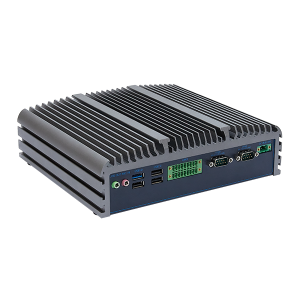
Purpose and Functionality
An embedded device is built for a single, specific job. A PC is designed to handle many tasks, such as browsing the internet or editing documents. Embedded systems often work inside larger machines, like cars or medical equipment.
Embedded devices help control and monitor important functions in everyday products.
Hardware Differences
Embedded hardware is usually small and uses less power. It may include sensors, controllers, or special chips. PCs have more powerful processors, larger memory, and extra ports for connecting devices.
| Feature | Embedded Device | PC |
|---|---|---|
| Size | Small | Large |
| Power Usage | Low | High |
| Components | Simple | Complex |
Embedded hardware is often built to last in tough conditions, such as heat or vibration.
Software and System Control
Embedded software is made for one job and often runs in real-time. It is simple and fast, with fewer updates. PC software is complex and can run many programs at once.
- Embedded software controls machines, sensors, or displays.
- PC software includes operating systems, games, and office tools.
Embedded systems play a key role in devices that need quick and reliable responses.
Conclusion
Embedded computers deliver targeted, reliable performance across industries, from industrial automation and medical devices to smart homes and automotive systems. Their compact design, efficiency, and customization make them cost-effective solutions for specialized tasks, while enhanced security ensures safe operation in critical environments. By focusing on specific functions, embedded computers optimize device performance and longevity, proving indispensable for businesses seeking precision, reliability, and practical technological innovation.