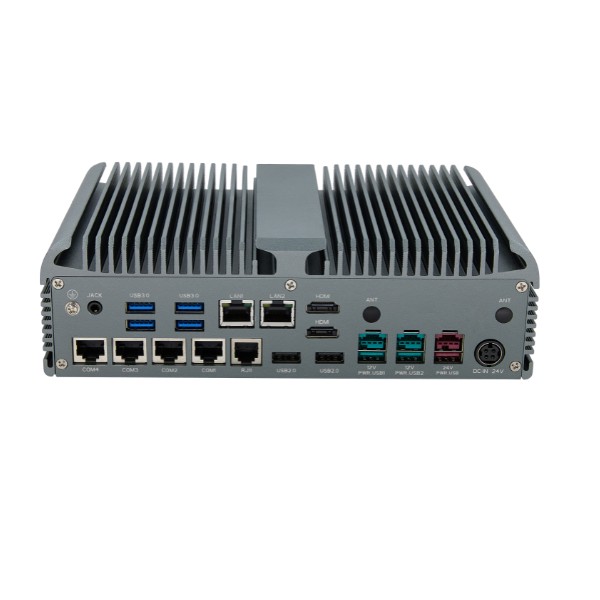
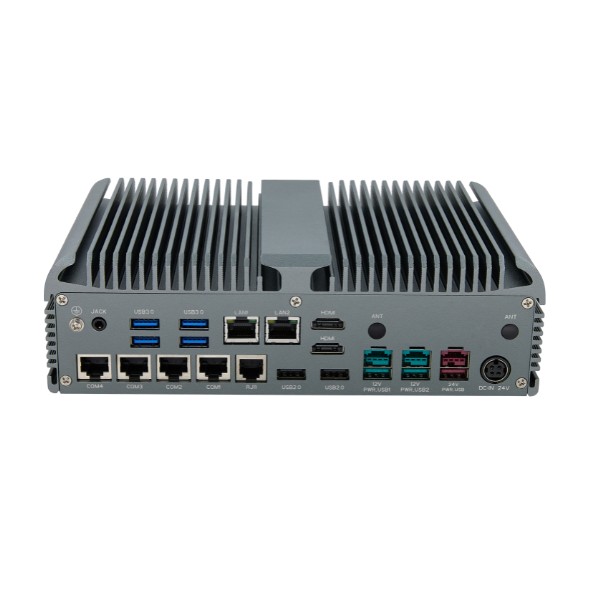
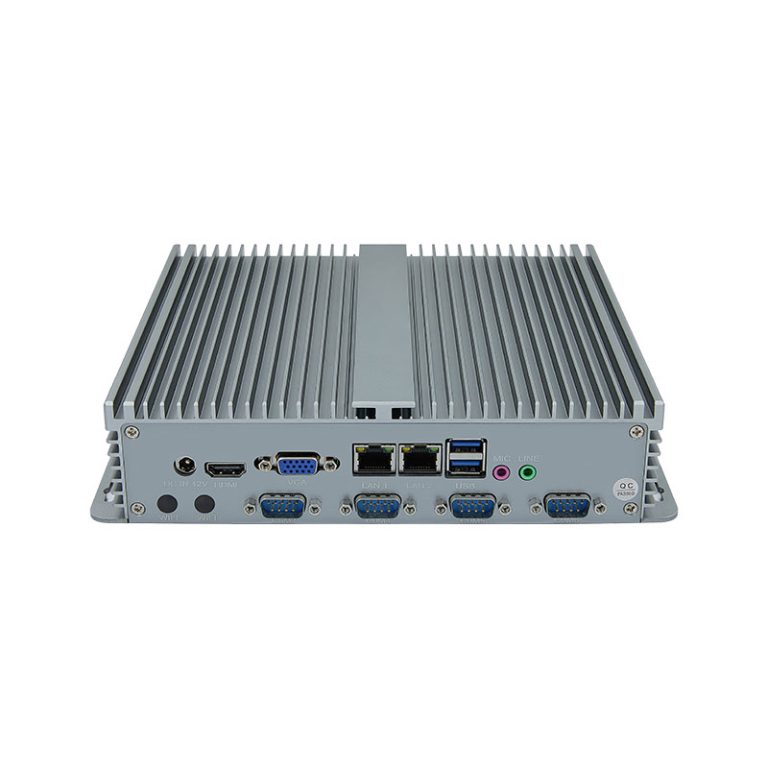
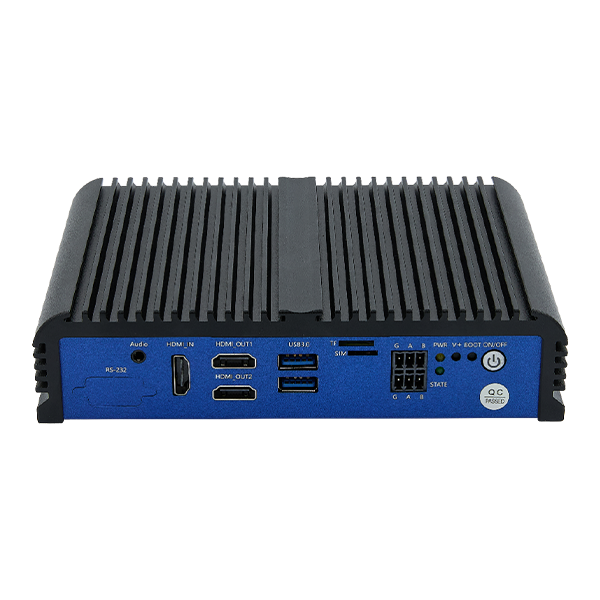
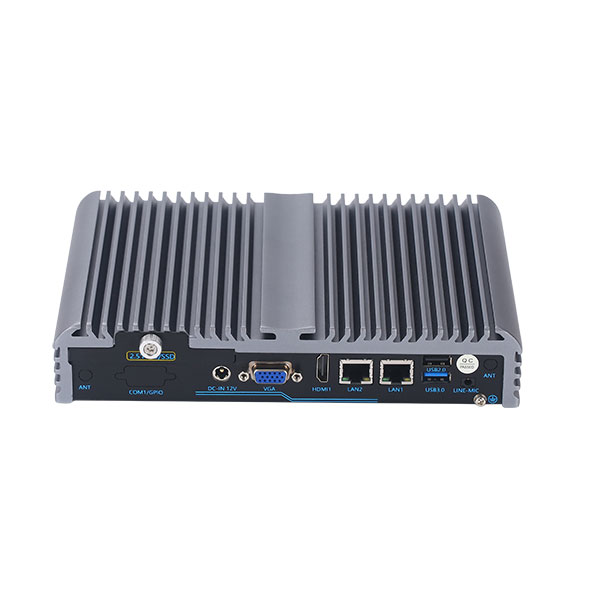
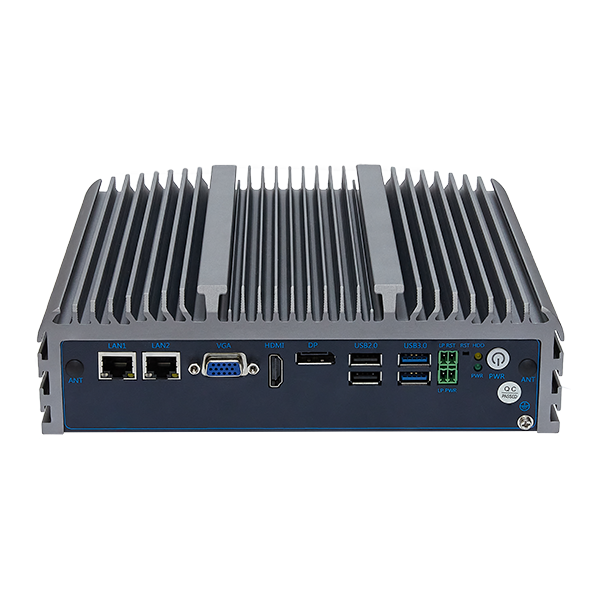
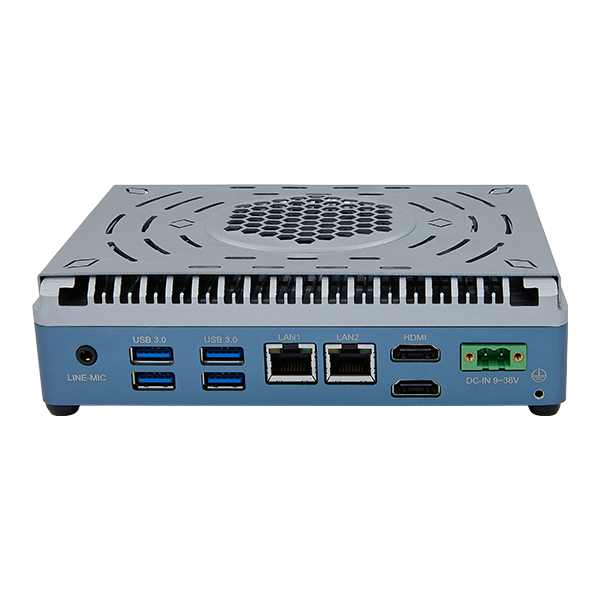
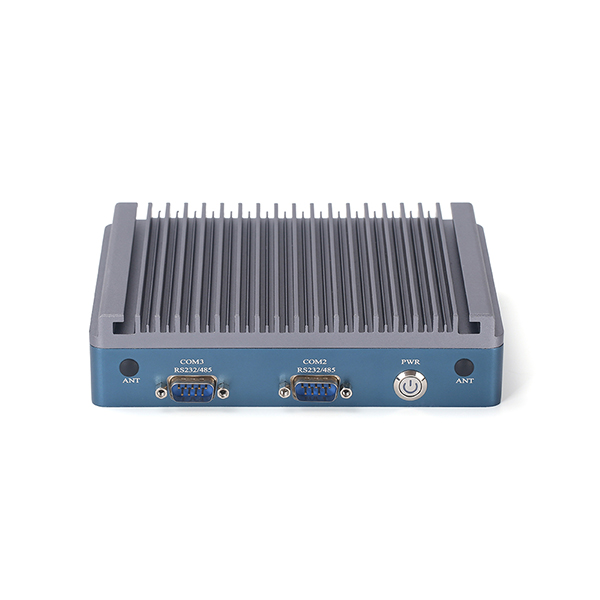
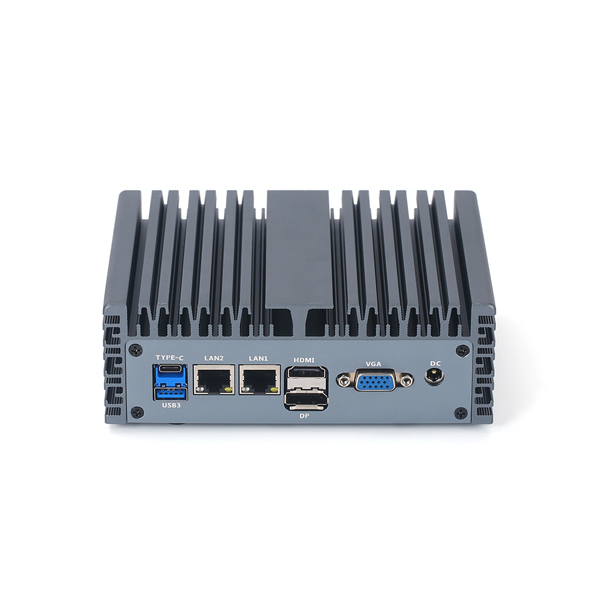
Industrial environments demand processors that ensure reliable operation, durability, and high computing power. The Best Processor Options include Intel Atom, Core, Celeron, Xeon, AMD Ryzen, EPYC, ARM, MIPS, and some legacy types. Choosing the right industrial CPU supports 24/7 operation and stable performance across a wide operating temperature range.
Key Selection Criteria for Industrial Embedded Computers
Reliability
Reliability is essential for industrial embedded systems. These systems must operate continuously in harsh environments. High reliability ensures stable operation even when exposed to extreme temperature changes or vibrations.
Power Efficiency
Power efficiency matters in industrial embedded systems. Efficient processors reduce energy consumption and heat output. Lower power usage also helps maintain stable temperature levels, which is important for systems that run in confined spaces.
- Power-efficient processors extend the lifespan of components.
- They support reliable operation in areas with limited cooling options.
- Energy savings can lower overall costs for industrial facilities.
Thermal Management
Thermal management is a key factor in processor selection. Industrial embedded systems often face wide temperature ranges. Good thermal management prevents overheating and maintains reliability.
Processors with advanced thermal controls handle temperature fluctuations better. They keep performance steady even when the environment changes. Proper cooling solutions also help maintain reliability.
Performance Needs
Performance requirements vary across industrial applications. Some systems need high processing power for complex tasks. Others require moderate performance for basic control functions.
Matching processor performance to application needs ensures efficient operation. It avoids unnecessary energy use and helps maintain stable temperature. This approach supports reliability and longevity.
Longevity
Longevity is important for industrial embedded systems. Long-lasting processors reduce maintenance and replacement costs. They must withstand frequent temperature shifts and continuous operation.
Best Processor Options Overview
Intel Atom and Celeron
Intel Atom and Celeron processors are popular in embedded computers. These models offer low power consumption and basic computing performance. Many industrial systems use them for simple control tasks and monitoring.
Intel Core and Xeon
Intel Core and Xeon processors deliver higher performance for demanding industrial applications. Core models suit embedded computers that need fast processing and multitasking. Xeon processors support advanced workloads, such as real-time data analysis and machine vision.
- Core and Xeon processors handle complex tasks in industrial settings.
- They provide strong reliability and support for long-term operation.
- Embedded computers with these processors often run in factories and automation systems.
AMD Ryzen and EPYC
AMD Ryzen and EPYC processors offer strong computing power for embedded computers. Ryzen models are good for mid-range industrial tasks. EPYC processors support high-performance needs, such as large-scale data processing and edge computing.
ARM and MIPS
ARM and MIPS processors are common in embedded computers that need flexibility and low power usage. ARM models are used in many industrial devices, including sensors and controllers. MIPS processors support specialized embedded computers for networking and control systems.
- ARM and MIPS processors allow embedded computers to operate in small spaces.
- They are ideal for industrial applications that require custom solutions.
- Many embedded computers use these processors for portable and remote systems.
Legacy Embedded Processors
Legacy embedded processors remain important in industrial systems. These models support older embedded computers that still run critical operations. Many industrial environments rely on legacy processors for stability and compatibility.
The best processor options for embedded computers depend on the needs of each industrial application. Each processor family offers unique strengths for embedded computers. Choosing the best processor options helps embedded computers achieve reliable performance and long-term operation in industrial environments.
Use Cases and Strengths
Low Power Applications
Many industrial applications require processors that use very little energy. These processors help rugged embedded computers operate in remote locations or where cooling is limited. Rugged systems with low power needs often run for long periods without maintenance.
High Performance Needs
Some industrial tasks demand high computing power. Rugged embedded computers with advanced processors can handle complex calculations and real-time data processing. These systems support applications like automated inspection and process control.
Rugged designs ensure stable operation even when workloads are heavy. High performance processors keep up with demanding environments.
Custom Embedded Solutions
Custom embedded solutions are tailored for unique industrial needs. Engineers focus on several key areas to ensure rugged performance:
- Thermal management uses dynamic modeling, heat source mapping, and real-time monitoring.
- Filesystem integration considers allocation unit alignment, wear leveling, and write coalescing.
- Signal integrity relies on length-matched differential pairs and controlled impedance routing.
- Wear leveling requires knowledge of controller algorithms and host-assisted mechanisms.
- Progressive failure response includes runtime bad block management and predictive failure indicators.
These steps help rugged embedded computers meet strict requirements for reliability and durability.
AI and Edge Computing
AI and edge computing are changing industrial systems. Rugged embedded computers now process data close to the source, reducing delays. Edge devices analyze information in real time, which improves decision-making.
Rugged systems at the edge support smart factories and connected equipment. They deliver fast results and keep sensitive data secure.
Comparison of Processor Families
Key Specs Summary
The table below shows a summary of key specifications for each processor family. It highlights important features such as power usage, performance level, and thermal design.
| Processor Family | Power Usage | Performance Level | Thermal Design | Typical Core Count | Example Top Model |
|---|---|---|---|---|---|
| Atom / Celeron | Low | Basic | Simple | 2-4 | High-efficiency variant |
| Core | Moderate | High | Advanced | 4-16 | Flagship desktop model |
| Xeon | Moderate | Very High | Advanced | 8-38 | High-end workstation CPU |
| Ryzen | Moderate | High | Advanced | 6-16 | Top desktop processor |
| EPYC | High | Extreme | Enhanced | 16-64 | Server-class CPU |
| ARM | Very Low | Basic to Mid | Simple | 2-8 | High-performance ARM chip |
| MIPS | Very Low | Basic | Simple | 1-4 | Embedded MIPS processor |
| Legacy Embedded | Low | Basic | Simple | 1-2 | Long-life legacy model |
Ideal Industrial Applications
- Atom / Celeron: Good for monitoring, basic control, and low-power devices.
- Core: Suitable for automation, data logging, and multitasking in industrial PCs.
- Xeon: Best for real-time analysis, machine vision, and heavy data processing.
- Ryzen: Fits mid-range control, visualization, and edge computing.
- EPYC: Handles large-scale processing, virtualization, and AI at the edge.
- ARM: Works well in sensors, controllers, and portable embedded systems.
- MIPS: Used in networking, gateways, and specialized control units.
- Legacy Embedded: Maintains compatibility in older systems and long-term projects.
Choosing the Right Processor
Application Assessment
Start by identifying the main tasks your embedded system must perform. Determine if the CPU needs to handle real-time data, basic control, or complex calculations. Consider if the system will require 24/7 operation, as this affects processor selection and reliability.
Environmental Considerations
Industrial environments present unique challenges. Review the operating temperature range for your application. Many systems must function from -40°C to +105°C. Use dynamic thermal modeling to simulate temperature changes during 24/7 operation. Place components away from heat sources and use thermal barriers when needed.
| Key Selection Criteria | Description |
|---|---|
| ECC strength and margin | Correction capability for worst-case conditions |
| Endurance specifications | Program and erase cycles matching requirements |
| Temperature range | Operation from -40°C to +105°C |
| Health monitoring | S.M.A.R.T. attributes and margin indicators |
| Power fail protection | Internal capacitance or external requirements |
| Interface specifications | Signal integrity margins for board-level implementation |
Future-Proofing
Plan for future upgrades and changes. Choose a CPU that supports expansion and new features. Look for processors with extended support and health monitoring. This approach helps maintain reliability during 24/7 operation and reduces replacement cost.
- Select processors with endurance specifications that match your expected usage.
- Consider signal integrity and interface specifications for long-term stability.
- Use health monitoring to track system performance over time.
Cost vs. Performance
Balance cost and performance for your industrial embedded system. High-performance processors may increase cost but offer better reliability and support for demanding tasks. Low-cost options suit basic control and monitoring.
- Compare the cost of different processor families based on your needs.
- Evaluate if the processor can handle 24/7 operation without excessive maintenance cost.
- Choose a CPU that fits your budget and application requirements.
Conclusion
Choosing the right processor is critical for ensuring the reliability, efficiency, and long-term performance of industrial systems. From low-power ARM and Atom solutions to high-performance Xeon and EPYC platforms, each option supports different operational needs and environments. By evaluating factors such as thermal management, power consumption, scalability, and workload requirements, businesses can select the Best Processor Options for Industrial Embedded Computers and build systems that deliver stable, durable, and future-ready industrial performance.