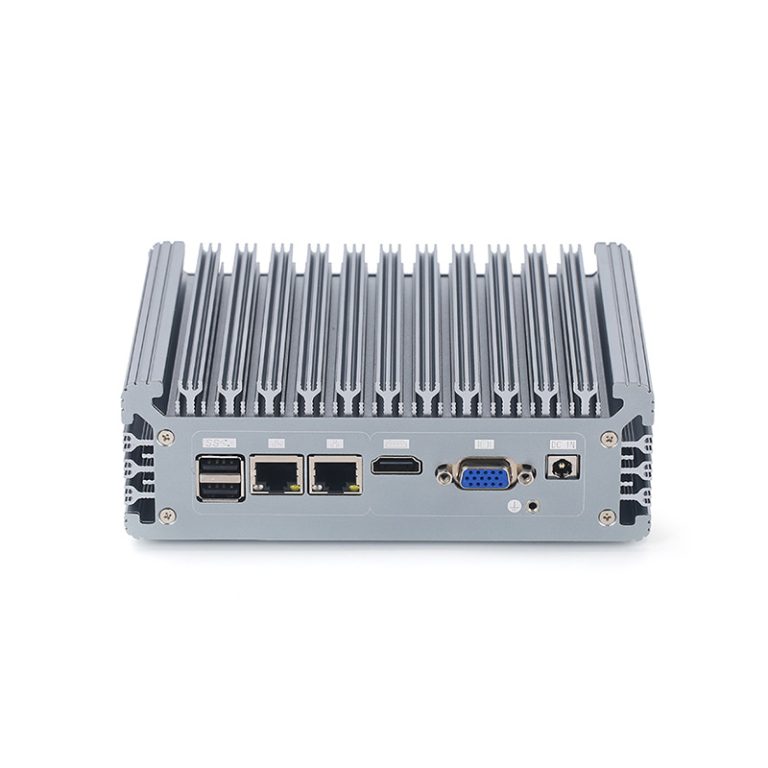
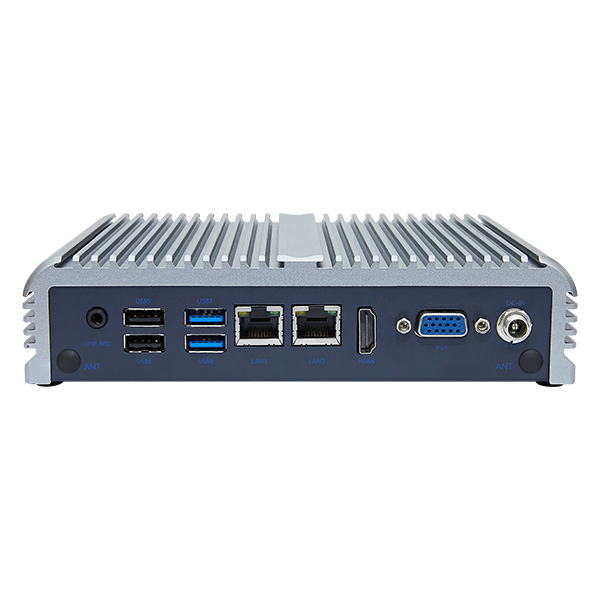
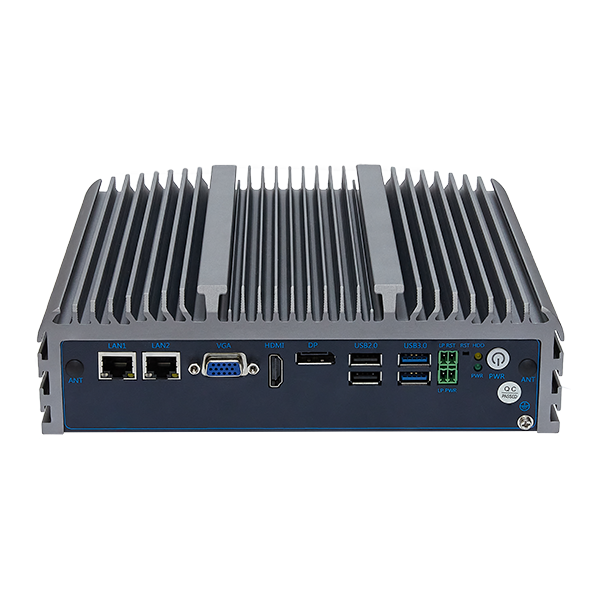
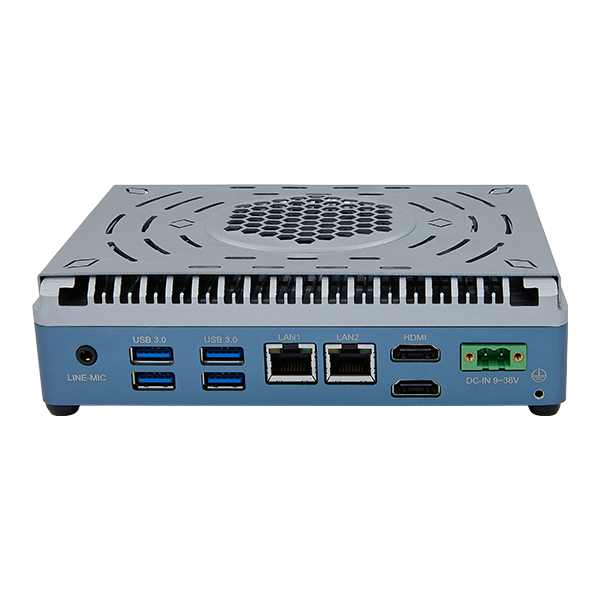
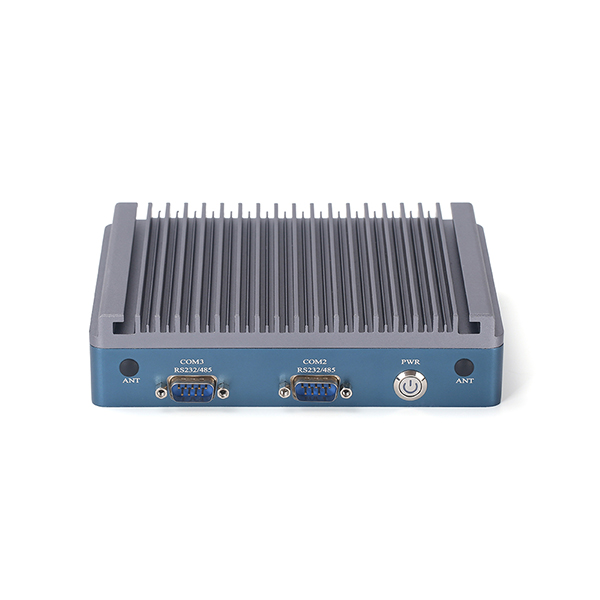
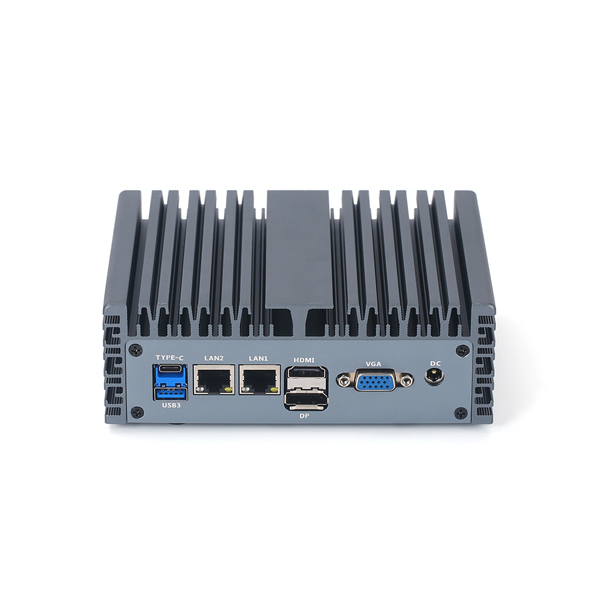
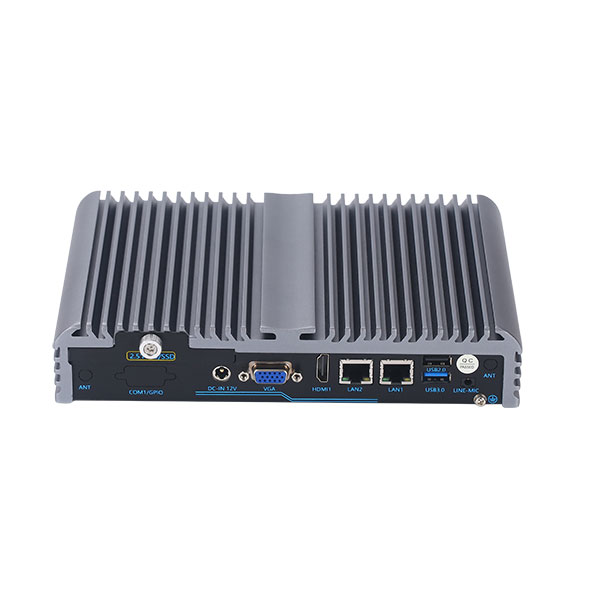
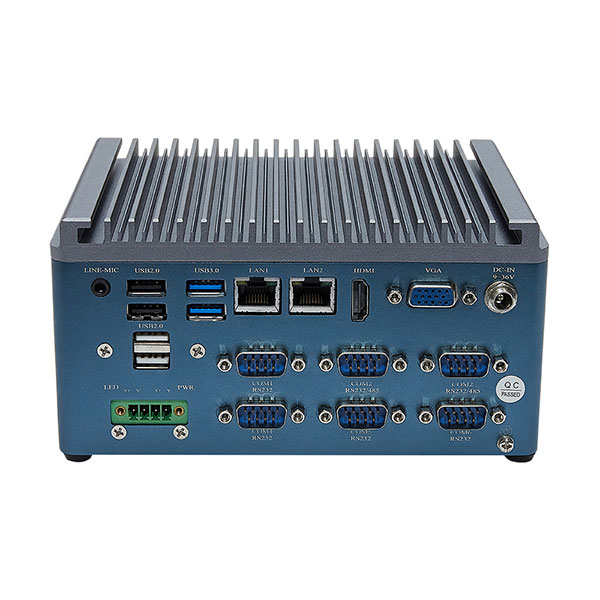
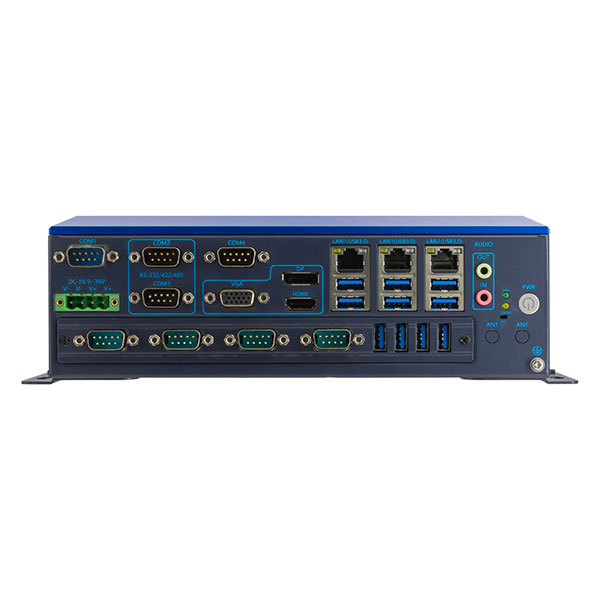
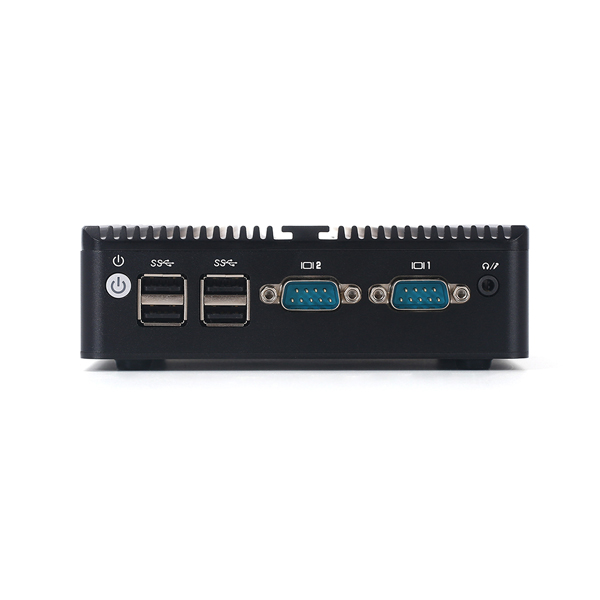
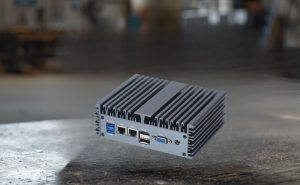
Factories often face harsh conditions, including dust, vibration, and temperature changes. Desktop PCs struggle to perform well in these environments. Fanless industrial pcs use a fanless design with no moving parts and rely on passive cooling, making them more reliable and better suited for factory floors.
Reliability of Fanless Industrial PCs
Fewer Failure Points
Factories demand high reliability from their equipment. Fanless industrial pcs have no moving parts, which means fewer components can break. This design reduces mechanical failures and keeps the pc running longer.
Many desktop computers rely on fans that can fail or collect dust. Fanless industrial mini pc models avoid these issues and maintain steady performance.
Longer System Lifespan
Fanless industrial pcs last longer in tough environments. The passive cooling system protects sensitive electronics from heat damage. This feature increases the reliability of the pc and supports continuous operation.
- Industrial mini pc devices use sturdy materials and sealed cases.
- These features help them survive in factories where dust and vibration are common.
Reliability improves when the system does not need frequent repairs. Fanless industrial pc models offer a longer lifespan and reduce downtime for factories.
Durability and Ruggedness
Dust and Vibration Resistance
Factories often have dust, debris, and constant movement. A fanless industrial mini pc uses a sealed case and a rugged monolithic structure. This design keeps dust and particles out of the system.
Many desktop computers have open vents and moving fans. These parts can pull in dust and cause failures. An industrial mini pc has fewer connectors and screws, which means fewer places for dust to enter.
Withstanding Temperature Fluctuations
Temperature changes happen often in factories. A fanless industrial pc can handle these shifts without losing performance. The passive cooling system spreads heat evenly and protects the hardware.
Some computers overheat or freeze in extreme conditions. The industrial design uses sturdy materials that work well in both hot and cold environments. This durability means the pc can run for long periods without problems.
- Fanless systems do not rely on fans that can break or slow down.
- The sealed case keeps out moisture and humidity, adding another layer of protection.
A fanless industrial mini pc is built to last in harsh settings. It keeps working when other computers might fail. This reliability helps factories avoid costly downtime and repairs.
Maintenance and Downtime
Minimal Cleaning Needs
Factories often struggle with dust and debris. Desktop computers require frequent cleaning because fans pull in particles. This leads to clogged vents and reduced performance.
A fanless industrial mini pc uses a sealed case. The design keeps dust out and reduces the need for cleaning. Workers spend less time maintaining the pc, which improves productivity.
Reduced Repairs
Desktop computers often break down in factory environments. Fans and moving parts fail, causing unexpected downtime. Repairs can take hours or days, which disrupts production.
Fanless industrial systems have fewer parts that can fail. The absence of fans means less wear and tear. This reduces the number of repairs and keeps downtime to a minimum.
- Industrial mini pc models are built for tough conditions.
- They operate reliably without frequent maintenance.
- Factories benefit from fewer interruptions and lower repair costs.
A fanless pc offers a clear advantage in maintenance. The dust-free design and rugged build help factories avoid costly downtime. Workers can focus on their tasks instead of fixing equipment.
Harsh Environment Performance
Stable Operation Without Overheating
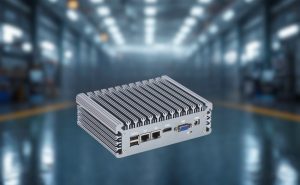
Factories often experience extreme heat and cold. A fanless industrial mini pc uses passive cooling to manage temperature changes. This design keeps the pc stable and prevents overheating in an industrial environment.
Continuous operation is important for factory tasks. Industrial fanless pc operation supports long hours without overheating. The system stays reliable even when conditions are tough.
Heavy Workload Handling
Factories rely on computers to control machines and monitor production. An industrial mini pc handles heavy workloads with ease. The rugged build and advanced hardware deliver strong performance.
- The pc supports high-intensity software and complex tasks.
- It processes data quickly and keeps up with fast-paced operations.
- The fanless design reduces the risk of mechanical failure during busy shifts.
Industrial fanless pc operation ensures smooth performance under pressure. The system can run demanding programs without slowing down. This reliability helps factories meet production goals.
A fanless pc offers efficiency and durability. It operates efficiently in challenging conditions and supports continuous work. Factories benefit from stable operation and fewer disruptions.
Cost-Effectiveness of Fanless PCs
Lower Operating Costs
Factories need to control cost to stay competitive. Fanless industrial pcs help reduce expenses by lowering energy use. The passive cooling system does not require fans, so the pc uses less power.
A fanless panel pc also avoids costly downtime. Workers spend less time fixing equipment, so production stays on schedule. The system runs efficiently and keeps operating costs low.
Fewer Replacements
The mean time between failures is higher for fanless industrial pcs. These systems last longer because they have fewer moving parts. Factories replace equipment less often, which reduces cost over time.
- Fanless panel pc devices use strong materials and rugged cases.
- They withstand harsh conditions and keep working for years.
- Fewer replacements mean less waste and lower spending.
A table can show the difference in replacement rates:
| System Type | Average Replacement Cycle | Maintenance Cost |
|---|---|---|
| Desktop PC | 2-3 years | High |
| Fanless Panel PC | 5+ years | Low |
Cost savings add up quickly. Fanless systems offer reliable performance and reduce the need for new purchases. This makes them a smart choice for factories that want to manage cost and improve efficiency.
Conclusion
Fanless industrial PCs offer strong reliability, durability, and low maintenance. These systems perform well in factories and help reduce noise. The sealed design keeps dust out and lowers the risk of breakdowns.
Factories benefit from less downtime and lower costs. Fanless PCs also cut down on noise, which improves the work environment. The noise level stays low, even during heavy use.
Decision-makers should consider the long-term benefits. Choosing fanless industrial PCs means less noise, fewer repairs, and better performance. This choice supports a safer and more efficient factory floor.