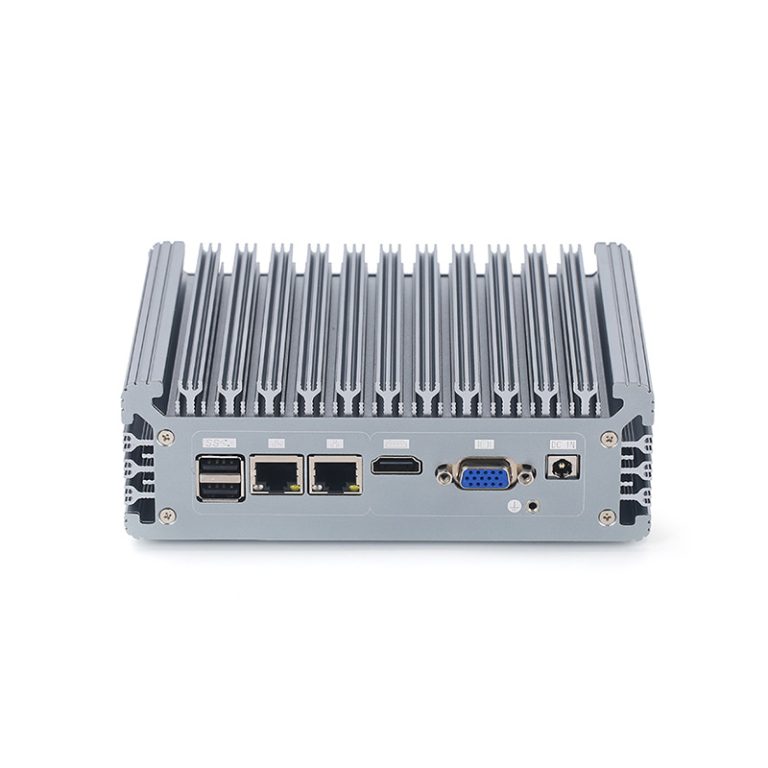
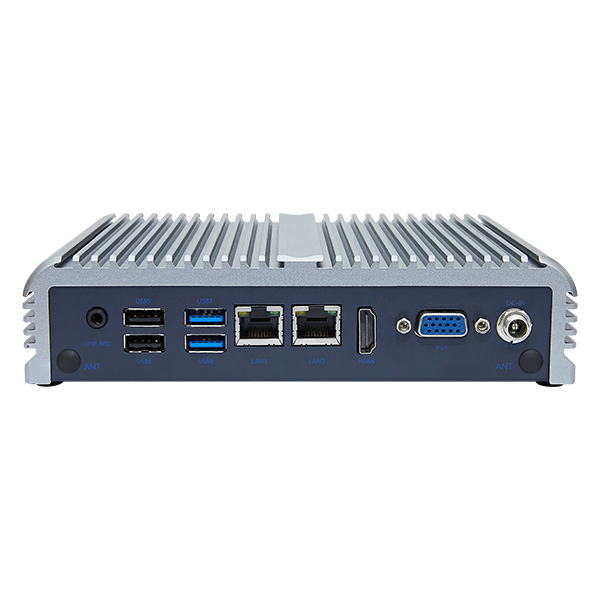
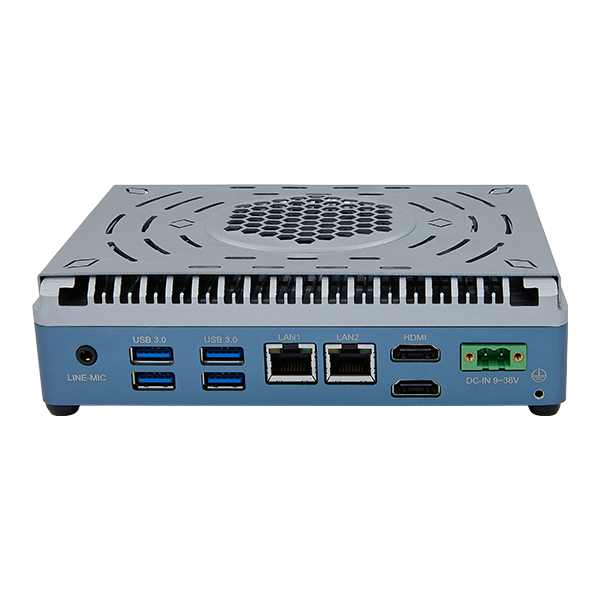
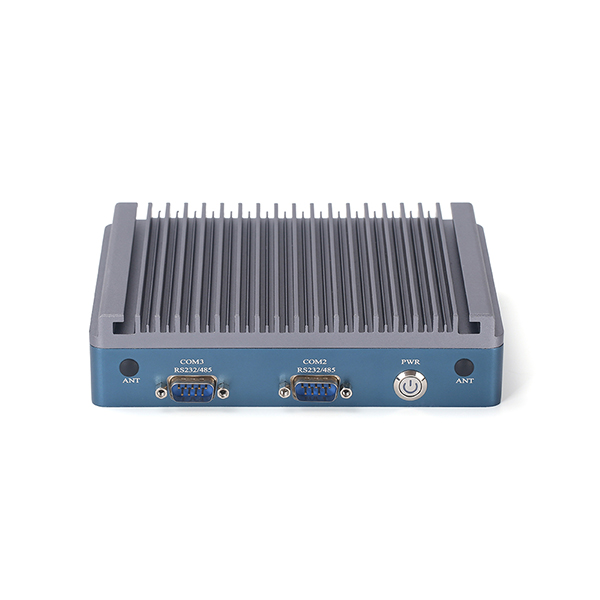
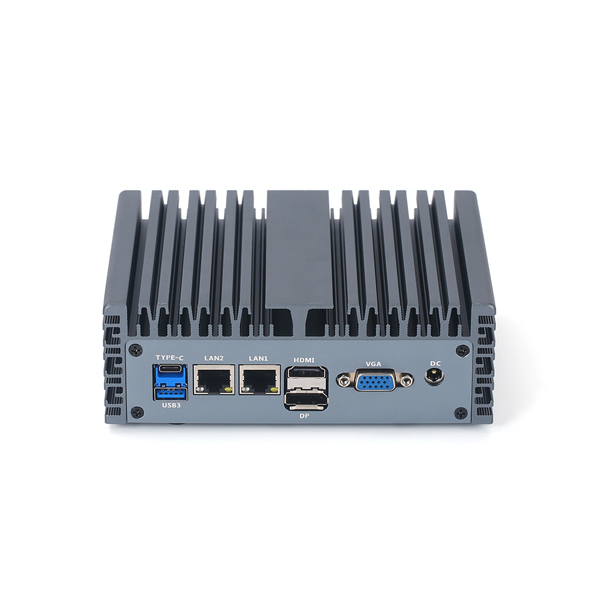
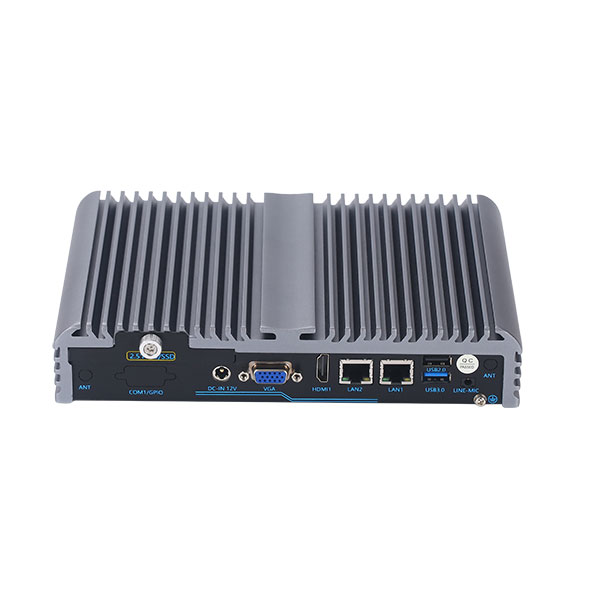
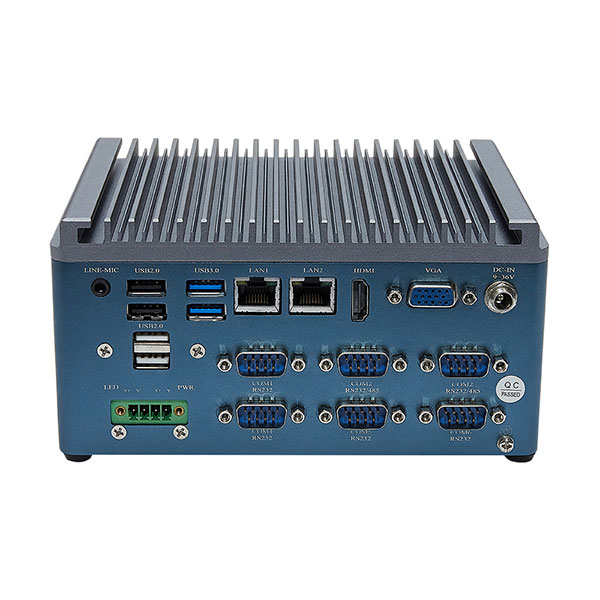
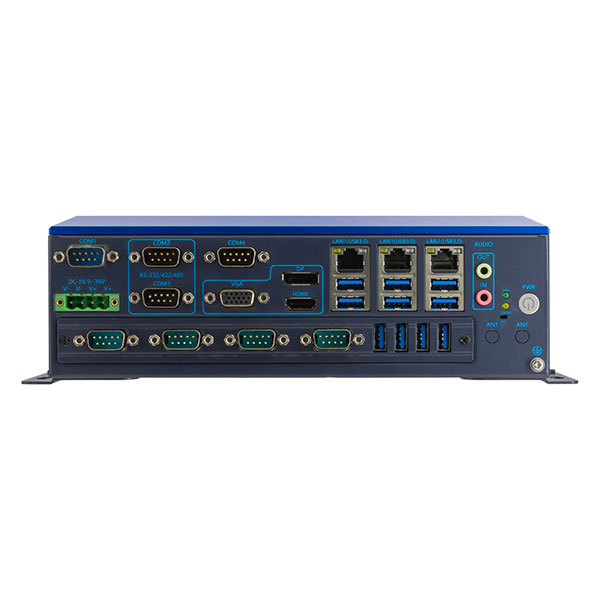
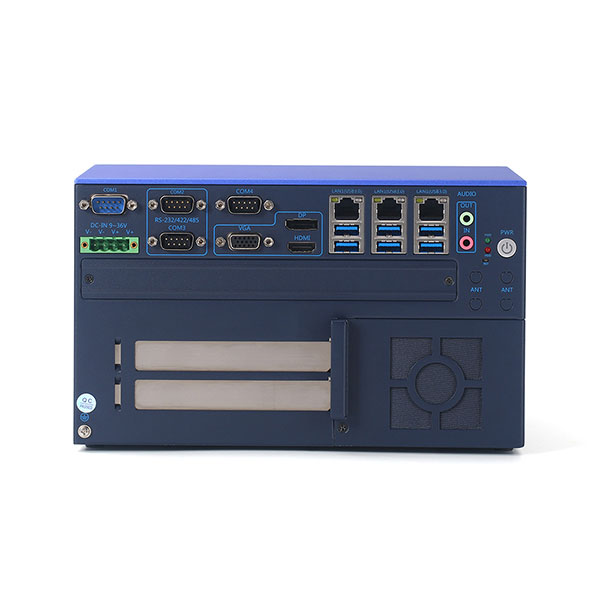
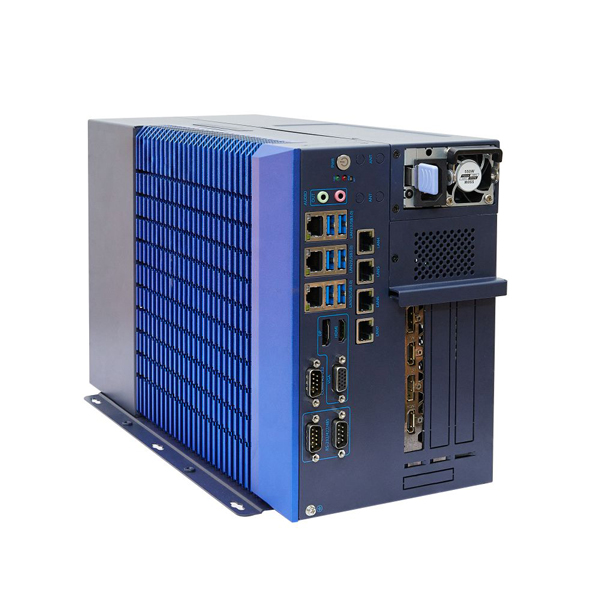
Industrial pc growth will reshape how factories, energy sites, and logistics hubs operate by 2026. Leaders in technology now rely on industrial pc growth to process more data and adapt to rapid changes. Industrial pc growth drives new trends in automation, data analysis, and smart controls, making it a priority for every business that seeks an edge. Industrial pc growth also influences how companies respond to risk and plan for the future. As industrial pc growth accelerates, the ability to turn data into action becomes essential for success.
Drivers of Industrial PC Growth
Industry 4.0 Impact
Industry 4.0 has changed the way factories and plants use technology. Industrial pc systems now help companies collect and analyze data from machines and sensors. These systems support smart manufacturing technologies, making it easier to spot trends and improve production.
The demand for industrial automation continues to rise. Companies want to use automation and data processing to boost efficiency and reduce errors. Industrial computing helps businesses make faster decisions by turning raw data into useful information.
Automation Initiatives
Automation is a key force behind industrial pc growth. Many industries use industrial automation to control machines, monitor processes, and manage data. These trends help companies lower costs and increase output.
Market growth projections show that automation will remain a top priority. Industrial computing allows for real-time data collection and analysis, which supports better decision-making. As a result, the market for industrial pc products continues to expand.
Sector Expansion
New sectors are driving emerging trends in industrial pc adoption. Defense, data centers, and infrastructure projects now rely on industrial pc systems for secure and stable operations. These areas need reliable data handling and strong automation features.
The market is seeing growth as more sectors invest in industrial automation. Projections suggest that industrial pc demand will rise in both traditional and new industries. This expansion highlights the importance of tracking trends and understanding market growth projections.
AI-Enabled Industrial PC
Operational Efficiency
AI is changing how industrial pc systems work in factories and plants. These systems use real-time data processing to monitor machines and spot problems before they cause downtime. This approach helps companies improve operational efficiency and reduce waste.
Many businesses now use industrial computing to automate routine tasks. AI can adjust machine settings based on data from sensors. This means less manual work and fewer mistakes.
Decision-Making Enhancement
AI helps leaders make better decisions by analyzing large amounts of data quickly. Industrial pc systems with AI can find patterns in real-time data processing that humans might miss. This leads to smarter choices about maintenance, production, and safety.
Industrial computing also supports predictive analytics. AI can warn managers about equipment failures before they happen. This allows teams to plan repairs and avoid costly breakdowns.
Key benefits of AI in industrial pc systems:
- Faster response to problems
- Improved product quality
- Better use of resources
AI-enabled industrial pc solutions will play a bigger role in the future. Companies that invest in these technologies will stay ahead in a fast-changing market.
Remote Monitoring and Management
Control Capabilities
Remote monitoring has become a key feature in modern industrial PC systems. These systems allow operators to control machines and processes from almost any location. This means that teams can respond to issues quickly, even if they are not on-site.
Industrial PCs support remote access through secure networks. Operators can start, stop, or adjust equipment using simple interfaces. This level of control helps reduce downtime and keeps production running smoothly.
Many companies use remote monitoring to schedule maintenance. They can check machine status and performance in real time. This helps prevent unexpected breakdowns and saves money on repairs.
Oversight Improvements
Remote management tools give supervisors a clear view of all operations. They can track performance, monitor energy use, and review system logs without being on the factory floor. This oversight leads to better decision-making and faster problem-solving.
Key benefits of improved oversight:
- Early detection of issues
- Better resource allocation
- Increased transparency
Supervisors can use dashboards to see trends and spot inefficiencies. These insights help teams make changes that boost productivity. Remote oversight also supports compliance by keeping detailed records of system activity.
Remote monitoring and management will continue to shape the future of industrial PC systems. These tools give businesses the flexibility and control needed to stay competitive in a changing market.
Hybrid and Multitier Architectures
Hardware Evolution
Hybrid and multitier architectures are changing how industrial PCs operate. These systems combine different types of hardware to handle complex tasks. Many factories use a mix of traditional computers and specialized devices to improve performance.
Industrial PCs now support multiple layers of processing. One layer manages basic controls, while another handles advanced analytics. This setup allows companies to run both simple and complex operations at the same time.
System Flexibility
System flexibility is a major benefit of hybrid and multitier architectures. Companies can adjust their setups to match changing needs. For example, they can add new devices or software without disrupting ongoing work.
Flexible systems support different types of workloads. Some machines focus on real-time control, while others process large amounts of data. This approach helps businesses respond quickly to new challenges.
Key advantages of system flexibility:
- Easier upgrades
- Faster adaptation to new technologies
- Improved reliability
| Feature | Benefit |
|---|---|
| Modular design | Simple maintenance |
| Layered control | Better performance |
| Expandable setup | Supports growth |
Hybrid and multitier architectures will play a bigger role in the future. Companies that invest in flexible systems can stay competitive and meet industry demands.
IoT Adoption and Industrial PC Growth
Connected Systems
IoT connects machines, sensors, and controllers in factories. Industrial PC systems use iot to link these connected devices and share data across the network. This connection helps companies monitor equipment and track production in real time.
Many businesses choose iot integration to improve communication between machines. With iot, operators can see how each part of the system works together. This visibility leads to faster problem-solving and better use of resources.
IoT integration also supports remote access. Teams can check equipment status from anywhere. This flexibility helps companies respond quickly to issues.
Data Collection
Industrial PC systems use iot to gather data from many sources. Sensors send data about temperature, speed, and energy use. This information goes to a central system for data processing.
IoT integration allows for real-time data analytics. Companies use data analytics to find patterns and improve efficiency. Data management becomes easier when all data flows through one platform.
Benefits of iot data collection:
- More accurate data
- Faster data processing
- Better data analytics
IoT solutions help companies make smart decisions. Data analytics tools turn raw data into useful insights. This process supports better planning and reduces downtime.
Cybersecurity Measures for Industrial PC
Infrastructure Protection
Industrial PC systems face many cybersecurity threats. These threats can disrupt operations and cause breaches. Companies must use cybersecurity measures to protect their infrastructure.
Security starts with strong firewalls and network controls. Many businesses use strong encryption protocols to keep data safe. Enhanced security features help block unauthorized access.
A good security plan includes monitoring for unusual activity. Teams should check logs and alerts every day. Quick action can stop breaches before they spread.
Compliance Needs
Many industries must follow strict rules for security. These rules help protect sensitive data and prevent breaches. Cybersecurity measures help companies meet these requirements.
Some rules require regular audits and reports. Companies must show that they use proper security steps. This includes using cybersecurity measures like access controls and data backups.
| Compliance Task | Security Benefit |
|---|---|
| Regular audits | Finds weak spots |
| Access control | Limits data exposure |
| Data backup | Prevents data loss |
Cybersecurity measures also help companies avoid fines. Meeting compliance needs builds trust with customers and partners. Security is not just about technology; it is about keeping business safe.
System Stability and Lifecycle
Predictable Product Lifecycle
Industrial PC systems must offer a predictable product lifecycle. Companies need to know how long their equipment will last and when updates are required. This planning helps avoid unexpected costs and downtime.
Manufacturers design industrial PCs for long-term use. They often provide clear timelines for support and replacement. This approach allows businesses to schedule upgrades and keep operations running smoothly.
Long-Term Reliability
Reliability is a top priority for industrial PC users. These systems must work in harsh environments, such as factories or outdoor sites. Consistent performance over many years is essential.
Many industrial PCs use rugged components to boost reliability. They resist dust, heat, and vibration. This design helps prevent failures and keeps machines running.
Key factors that improve reliability:
- Quality hardware
- Regular maintenance
- Strong system monitoring
A reliable system reduces the chance of breakdowns. It also supports safety and productivity. Companies that focus on reliability can trust their equipment to perform every day.
Sustainability and Energy Efficiency
Green Computing
Green computing focuses on reducing the environmental impact of industrial PC systems. Many companies now choose hardware that uses less energy and produces less heat. This helps lower the carbon footprint of factories and plants.
Industrial PCs often use energy-efficient processors and components. These parts require less power and last longer. Some systems also use smart cooling methods to save even more energy.
Many organizations set goals to reduce waste and recycle old equipment. They look for products that use recyclable materials and avoid harmful chemicals. This approach keeps harmful substances out of landfills.
Key benefits of green computing:
- Lower energy use
- Less electronic waste
- Improved company reputation
Cost Reduction
Energy efficiency leads to real savings for businesses. Lower power use means smaller energy bills each month. Over time, these savings can add up to a large amount.
Industrial PCs with efficient designs often need less maintenance. Fewer repairs and longer lifespans reduce costs for companies. Smart power management features also help avoid expensive downtime.
| Energy-Saving Feature | Business Benefit |
|---|---|
| Low-power hardware | Reduces electricity |
| Smart cooling | Cuts maintenance |
| Auto-sleep modes | Prevents waste |
Many buyers now consider energy use when choosing new equipment. They compare the total cost of ownership, not just the purchase price. This helps them make smart decisions for the future.
Buyer Implications and Future Growth
Investment Evaluation
Decision-makers must carefully evaluate investments in industrial pc systems. The market offers many options, so buyers should compare features, reliability, and support. A clear understanding of total cost of ownership helps avoid unexpected expenses.
Buyers should look at how each system fits current and future needs. Some industrial pc models offer better performance for manufacturing, while others focus on data processing. It is important to check if the system can handle future market demands.
A simple checklist can help guide the evaluation process:
- Assess hardware durability and compatibility.
- Review vendor support and warranty terms.
- Estimate upgrade and maintenance costs.
- Check for energy efficiency and sustainability features.
Strategic Alignment
Aligning technology investments with business goals ensures lasting value. Industrial pc systems should support both current operations and future growth. Companies need to match their technology choices with market trends and manufacturing strategies.
A strong alignment helps businesses stay flexible as the market changes. For example, scalable systems allow for easy expansion when production increases. Decision-makers should also consider how new systems will integrate with existing infrastructure.
| Alignment Factor | Business Benefit |
|---|---|
| Scalability | Supports future growth |
| Integration | Reduces disruption |
| Compliance | Meets industry standards |
Conclusion
Industrial PC growth will shape the future of factories and critical industries. Key trends include AI, remote management, flexible systems, IoT, and strong cybersecurity. Companies should watch for new developments and update their strategies often.