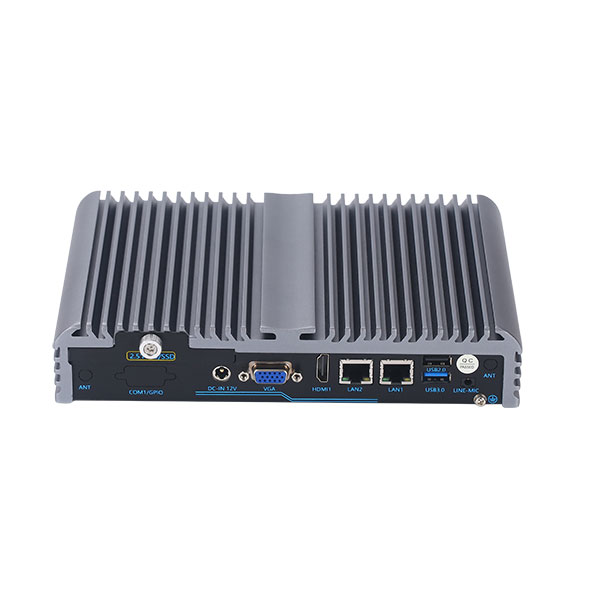
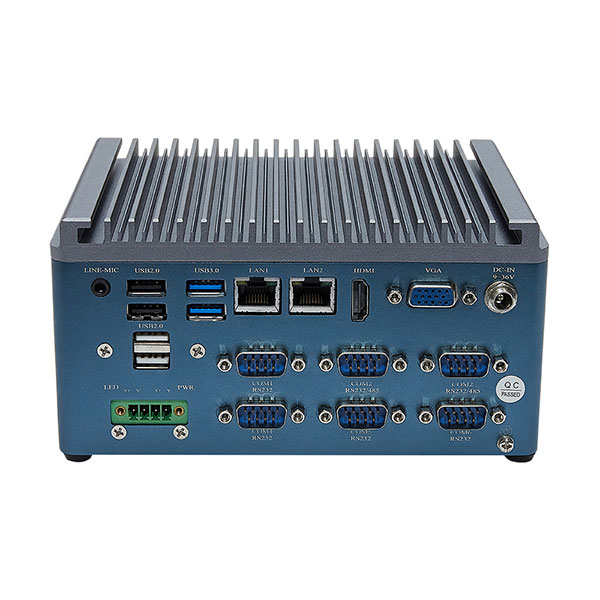
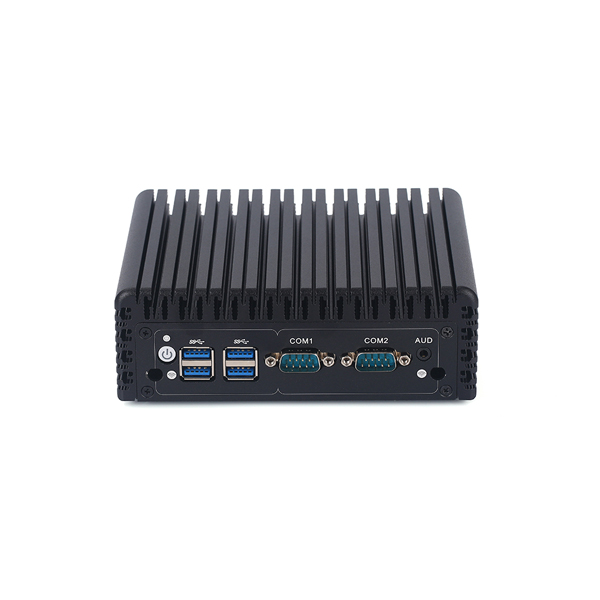
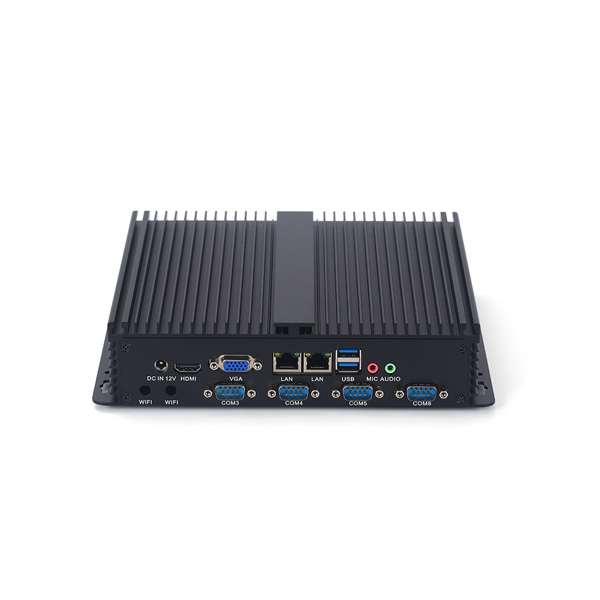
Industrial pc procurement requires careful planning. The process includes evaluating environment-specific needs, setting clear procurement policies, and keeping thorough documentation. Technology, data analysis, and teamwork help address challenges and improve procurement management, especially in it procurement where it procurement challenges often arise.
Industrial PC Procurement Needs Assessment
Defining Operational Requirements
Every industrial pc procurement begins with a clear understanding of operational needs. The environment and context shape the requirements for hardware, software, and durability. Teams must identify core it requirements, such as processing power, connectivity, and compatibility with existing systems.
A well-defined procurement strategy ensures that the procurement process aligns with business goals. Teams should consider the challenges of harsh environments, temperature extremes, and dust exposure. These factors influence the selection of suitable industrial PCs.
Make-or-Buy Analysis
Organizations must decide whether to build custom solutions or purchase from a vendor. This decision depends on budget, technical expertise, and time constraints. A make-or-buy analysis helps compare costs, risks, and benefits.
- Buying from a vendor can speed up the procurement process.
- Building in-house may offer more control but can increase complexity.
Teams should evaluate the procurement strategy based on available resources and long-term needs. The analysis must include documentation to support future audits and compliance checks.
Stakeholder Alignment
Stakeholder alignment is essential for successful procurement. Teams must involve IT, operations, and finance to ensure all requirements are met. Clear communication helps address challenges and prevents delays.
Stakeholders must agree on the procurement process, budget, and vendor selection criteria. Regular meetings and updates keep everyone informed and engaged. This approach supports compliance and value throughout the procurement process.
Procurement Process: Market Research and Vendor Shortlisting
Researching Solutions
Teams begin the procurement process by gathering information about available industrial PC solutions. They study technical specifications, environmental ratings, and compatibility with existing systems. Documentation of findings supports strategic sourcing and helps compare options.
Research should include reviews from industry sources and case studies. Teams must focus on solutions that meet operational needs and comply with procurement policies.
Vendor Reputation and Capabilities
Reliable vendor reputation plays a key role in procurement. Teams evaluate vendors based on reliability, technical support, and delivery history. They check certifications and compliance records to ensure quality.
A table can help organize vendor information:
| Vendor Name | Certifications | Support | Delivery Time |
|---|---|---|---|
| Vendor A | Yes | High | Fast |
| Vendor B | Yes | Medium | Moderate |
| Vendor C | No | Low | Slow |
Teams use this data to assess vendor capabilities and make informed decisions.
Shortlisting Suppliers
Shortlisting suppliers is a critical step in vendor selection. Teams review documentation and compare vendors against requirements. They select suppliers who offer the best value and meet procurement standards.
Shortlisted vendors move forward in the procurement process. This approach ensures transparency and supports compliance.
Requesting and Comparing Quotes
Preparing RFQs
The procurement process moves forward with the creation of Request for Quotations (RFQs). Teams must list all technical requirements, delivery timelines, and support expectations in the RFQ. Clear RFQs help vendors understand what the organization needs.
RFQs should reach multiple vendors. This step increases the chance of finding the best solution for industrial pc procurement.
Analyzing Pricing and Specs
After receiving quotes, teams compare pricing and technical specifications. They check if each quote meets the requirements set in the RFQ. A table can help organize the data for easy review:
| Vendor | Price | Specs Match | Delivery Time | Support |
|---|---|---|---|---|
| A | $$ | Yes | 2 weeks | High |
| B | $$$ | Partial | 3 weeks | Medium |
| C | $ | Yes | 4 weeks | Low |
Teams look at cost, features, and vendor support. This helps them find the best value.
Ensuring Transparency
Transparency is key in procurement. Teams must document every step of the process. They should keep records of all vendor communications and decisions.
Open communication with vendors builds trust. It also helps resolve any issues quickly during the procurement process.
Procurement Process: Vendor Evaluation
Compliance and Certifications
Vendor evaluation starts with checking compliance and certifications. Teams must confirm that each vendor meets industry standards and follows legal requirements. This step helps reduce risks and supports procurement management.
A checklist can help track important certifications:
- Safety certifications
- Environmental standards
- Quality management systems
Performance Review
Performance review is a key part of the procurement strategy. Teams look at past delivery records, product reliability, and customer feedback. This evaluation helps identify vendors who can meet the organization’s needs and handle challenges.
A simple table can show performance data:
| Vendor | On-Time Delivery | Product Quality | Support Rating |
|---|---|---|---|
| X | 98% | High | Excellent |
| Y | 90% | Medium | Good |
Teams use this information to guide vendor selection and improve the procurement process.
Risk Assessment
Risk assessment protects the budget and ensures value. Teams review financial stability, supply chain risks, and the vendor’s ability to handle unexpected events. This step helps control cost and supports it procurement goals.
Teams document all findings to support future decisions and maintain a clear record of the evaluation process.
Approval and Purchase Order
Internal Authorization
The procurement process moves forward only after internal authorization. Teams must seek approval from department heads or management. This step ensures that the purchase aligns with company goals and budget limits.
A clear approval workflow helps prevent delays. Many organizations use digital tools to track approvals. These tools also create an audit trail for future reference.
PO Creation
Once authorized, the team creates a purchase order. The purchase order lists the product details, quantities, prices, and delivery terms. This document acts as a formal agreement between the organization and the vendor.
A well-prepared purchase order reduces misunderstandings. It also helps both parties track the order status. Teams should double-check all information before sending the document.
| Item | Quantity | Price | Delivery Date |
|---|---|---|---|
| Industrial PC | 10 | $X | MM/DD/YYYY |
Order Communication
Order communication is vital for a smooth transaction. The team sends the purchase order to the vendor and confirms receipt. Clear communication helps the vendor understand expectations and delivery timelines.
Teams should keep records of all messages with the vendor. This practice supports compliance and helps resolve any issues quickly. Good communication also builds trust and sets the stage for a successful contract.
Contract Negotiation and Compliance
Terms and Pricing
Teams must review all terms before signing any agreement. They compare pricing structures from each vendor to find the best value. A table can help show the main points for each offer:
| Vendor | Payment Terms | Warranty | Price Structure |
|---|---|---|---|
| A | Net 30 | 2 years | Fixed |
| B | Net 45 | 1 year | Variable |
Teams look for clear payment terms and fair warranties. They also check if the price includes all services and support.
Regulatory Checks
Every contract must follow local and international laws. Teams check that each vendor meets safety and environmental rules. They review certifications and legal documents to avoid future problems.
A checklist can help track compliance:
- Safety standards met
- Environmental rules followed
- Proper certifications provided
Teams keep records of all checks for future audits. This step protects the organization from legal risks.
Finalizing Agreements
After all terms are clear, teams move to finalize the contract. They confirm that both sides agree on delivery dates, support, and payment. Good communication with the vendor helps prevent misunderstandings.
This step marks the end of the negotiation phase in procurement. It ensures that the organization gets the right product at the right cost.
Order Tracking and Communication

Monitoring Status
Order tracking begins as soon as the purchase order is confirmed. Teams use tracking systems to monitor the progress of each shipment. These systems show updates on shipping, estimated arrival, and any delays.
A simple dashboard can help teams see the status of all orders at a glance. This tool reduces confusion and helps everyone stay informed. Teams should check the dashboard daily to catch any changes early.
Vendor Updates
Regular updates from the vendor are important for smooth procurement. The vendor should send notifications when the order ships, reaches key checkpoints, or faces any issues. Clear communication helps teams plan for receiving and installing the industrial PCs.
Teams can request a summary report from the vendor at each stage. This report should include tracking numbers, expected delivery dates, and any special instructions. Keeping these records supports compliance and future audits.
Issue Resolution
Problems can happen during shipping or delivery. Teams must act quickly when they spot an issue. They should contact the vendor right away to report missing items, damaged goods, or late shipments.
A simple checklist can help teams track the steps for resolving issues:
- Identify the problem
- Contact the vendor
- Document the issue and response
- Follow up until the problem is fixed
Delivery, Inspection and Acceptance
Logistics Coordination
Logistics coordination ensures that industrial PCs arrive on time and in good condition. Teams work with the vendor to schedule delivery and confirm shipping details. They track shipments using digital tools and update records as each step is completed.
A checklist helps teams monitor delivery progress:
- Confirm shipping date with vendor
- Track shipment status
- Prepare receiving area
Product Inspection
Product inspection begins when the shipment arrives. Teams check each industrial PC for damage and verify that all items match the order. They compare serial numbers and specifications against the purchase order.
A simple table can help organize inspection results:
| Item | Serial Number | Condition | Matches Order |
|---|---|---|---|
| Industrial PC | 12345 | Good | Yes |
| Industrial PC | 67890 | Damaged | No |
If any issues are found, teams contact the vendor immediately. Quick action prevents delays and ensures quality.
Acceptance Documentation
Acceptance documentation records the outcome of the inspection. Teams complete forms that show the products meet requirements. They include details such as delivery date, item condition, and any discrepancies.
Teams send a copy of the acceptance report to the vendor. This step closes the delivery phase and starts the warranty period.
Post-Delivery Review and Supplier Management
Performance Evaluation
Teams should review the vendor’s performance after every purchase. This evaluation checks if the vendor met delivery timelines, product quality, and support standards. A simple table can help track these results:
| Vendor | Delivery On Time | Product Quality | Support Level |
|---|---|---|---|
| 1 | Yes | High | Good |
| 2 | No | Medium | Fair |
This process helps identify strengths and areas for improvement. It also supports future procurement decisions and reduces challenges.
Process Improvement
Continuous improvement is important in it procurement. Teams should analyze what worked well and what caused delays or extra cost. They can use feedback from the evaluation to update procurement steps and policies.
Small changes can make the next procurement smoother. This approach helps teams stay within budget and avoid repeating mistakes.
Relationship Building
Building a strong relationship with each vendor brings long-term value. Teams should communicate openly and share feedback after contract completion. Good relationships help solve problems faster and can lead to better terms in future agreements.
A trusted vendor may offer better support or flexible payment options. Teams should keep records of all interactions to support ongoing supplier management. This practice ensures that the procurement process remains efficient and reliable.
Conclusion
A structured industrial pc procurement process helps organizations reduce risk, improve purchasing efficiency, and ensure long-term operational reliability. From needs assessment and vendor evaluation to delivery tracking and supplier management, each stage supports better decision-making, cost control, and compliance. Strong communication, clear documentation, and data-driven procurement strategies also help overcome common procurement challenges. By following a well-defined process, businesses can secure high-quality industrial PCs while improving procurement performance and long-term value.