Skip to content
Embedded industrial pcs are at the center of industrial edge computing. These systems process data right away and let ai work on the factory floor. Embedded industrial pcs help iiot and artificial intelligence, so monitoring and control get better. Industrial managers use embedded industrial pcs to watch things at the edge and make better choices. Embedded industrial pcs help factories use ai and iiot for smarter and quicker work.
Embedded Industrial PCs and Edge Fundamentals
Why Embedded PCs for Edge
Embedded computer technology is very important for industrial edge computing. These computers work well in tough places like factories and plants. Many companies pick an embedded computer because it can handle dust, shaking, and hot or cold weather.
An embedded computer helps with distributed architectures. This means factories can put many small computers close to machines. These computers collect and process data right where it happens.
Local Data Processing
Factories use embedded computer systems to handle data nearby. This means they do not need to send all the information to a faraway data center. Local data processing helps factories react faster to changes on the floor.
Here is a table that shows how local and remote data processing are different:
| Feature | Local Processing (Edge) | Remote Processing (Cloud) |
|---|---|---|
| Speed | Fast | Slower |
| Data Security | High | Depends on network |
| Network Dependence | Low | High |
Local processing is important for iiot. It lets factories use sensors and smart devices to make quick choices. An embedded computer can do these jobs without waiting.
Real-Time Decision Making
Factories need to make choices right away. An embedded computer can look at data from machines and sensors fast. This helps workers fix problems before they get worse.
Many iiot applications need real-time action. For example, a system can stop a machine if it finds a problem. These systems help keep workers safe and machines working well.
Edge computing with embedded computer systems gives factories more control. It helps with smart manufacturing and keeps companies strong.
Key Benefits for Industrial Edge
Lower Latency
Factories must respond fast to changes. Embedded industrial PCs handle data right at the edge. This cuts down on delays. Machines can act quickly when sensors send signals. Production keeps going without stopping.
When data stays near machines, workers get alerts faster. This speed matters for real-time checks and quick choices.
Operational Efficiency
Embedded industrial PCs help factories work better. Edge computing means less waiting for information. Workers use tools to watch machines and find problems early.
Many factories use edge devices to automate jobs. These devices gather data and send updates to managers. This saves time and lowers mistakes.
Edge computing makes factories more efficient by:
- Letting workers monitor locally
- Cutting down manual checks
- Helping automatic changes
Quality Control
Quality control matters in every factory. Embedded industrial PCs help check products during production. They spot defects and warn workers if something is wrong.
Factories use edge systems to watch temperature, pressure, and speed. These systems make sure products meet standards. Managers depend on monitoring to keep quality high.
Here is a table showing how edge computing helps quality control:
| Benefit | Edge System Role |
|---|---|
| Early Detection | Finds defects fast |
| Consistent Output | Keeps standards steady |
| Less Waste | Stops bad products early |
Predictive Maintenance
Factories use predictive maintenance to keep machines working. Embedded industrial PCs help by checking machines all the time. These computers get data from sensors and look for problems.
Embedded PCs can find small problems before they get worse. They check things like temperature, shaking, and noise. If something changes, the system tells workers right away.
Here is a table that shows how predictive maintenance helps factories:
| Benefit | How Embedded PCs Help |
|---|---|
| Fewer Breakdowns | Spot issues early |
| Lower Repair Costs | Fix problems before failure |
| Longer Machine Life | Keep equipment healthy |
Factories do not need to stop work for surprise repairs. Workers can plan when to fix machines. This makes everything smoother and safer.
Predictive maintenance also helps with safety. Machines that work well are less likely to hurt people. Embedded industrial PCs help keep factories safe and busy.
Edge Applications with Embedded Industrial PCs
Robotics and Automation
Embedded computer systems are important in robotics and automation. These computers help control robots in factories. They make sure machines move and pick things up the right way. Many factories use embedded computer technology for automation. These computers can do hard jobs for a long time. They also help robots talk to sensors and other machines. Robots must make choices quickly. An embedded computer helps them react fast. This keeps the production line working well.
AI at the Edge
Factories use ai to help make smart choices. An embedded computer can run ai models right at the edge. This means it does not need to send data far away. Edge ai helps factories find problems early. For example, a camera can use ai to spot defects in products. The embedded computer looks at pictures and gives answers right away. Many companies use iiot and edge ai together. This helps them get more from their data. Workers can see alerts and fix problems before they get bigger.
Here is a table showing how ai at the edge helps factories:
| Application | Benefit |
|---|---|
| Visual Inspection | Finds defects quickly |
| Predictive Alerts | Warns about machine problems |
| Process Control | Adjusts settings automatically |
IIoT Integration
Factories connect many devices using iiot. An embedded computer acts as a bridge between sensors, machines, and the network. It collects data from many places and sends it where it needs to go. IIoT and edge ai work well together. The embedded computer can do ai tasks and share results with other systems. This makes the whole factory smarter and more connected. With iiot, managers can watch machines from anywhere. The embedded computer helps keep data safe and neat. It also helps devices talk to each other fast.
Embedded computer technology helps with many iiot jobs. It helps factories grow and change when needed. This makes it very important for modern industry.
Smart Factories
Smart factories use technology to make work faster and better. Embedded industrial PCs help these factories run well. They connect machines, sensors, and workers on the floor.
A smart factory gets data from many places. Embedded PCs collect and process this data nearby. This lets managers see what is happening right now.
Many smart factories use sensors to watch machines and products. These sensors send information to embedded PCs. The PCs check the data and send alerts if something is wrong.
Here are some ways embedded industrial PCs help smart factories:
- Watch machines for signs of trouble
- Control robots and other automated systems
- Track products as they move through the factory
- Collect and store data for later use
A smart factory needs to change easily. Embedded PCs make it simple to add new machines or change how things work. This helps factories keep up with new products and customer needs.
| Feature | Benefit for Smart Factories |
|---|---|
| Real-Time Monitoring | Fast response to problems |
| Automation | Less manual work |
| Data Collection | Better planning and reporting |
| Easy Upgrades | Quick changes to production |
Smart factories use embedded PCs to keep data safe. These computers can block unsafe network traffic and protect important information. Security matters a lot in modern factories.
Embedded PCs help smart factories save energy. They can turn off machines when not needed. This lowers costs and helps the environment.
Managers use dashboards to see what is happening in the factory. Embedded PCs send data to these dashboards. Workers and managers can make better choices with this information.
Smart factories can grow and change over time. Embedded industrial PCs help with this growth. They help factories stay modern and ready for the future.
Deploying Embedded Computers in Industry
Choosing the Right Embedded Computer
Factories must pick the best computer for their work. The right industrial embedded computer depends on what it needs to do. Some jobs need more power, but others need a smaller size. Managers check the environment first. They see if the computer will face dust, heat, or vibration. They also look at how much space is there. Picking well means fewer problems later. The computer should match the machines and sensors in the factory. It should also fit the budget.
Industrial Embedded Box PC Selection
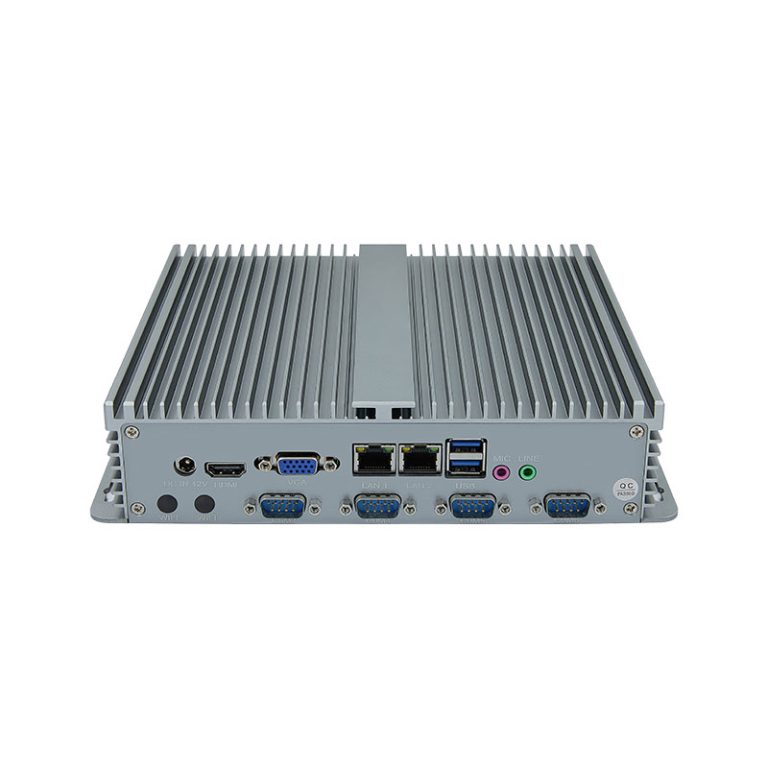
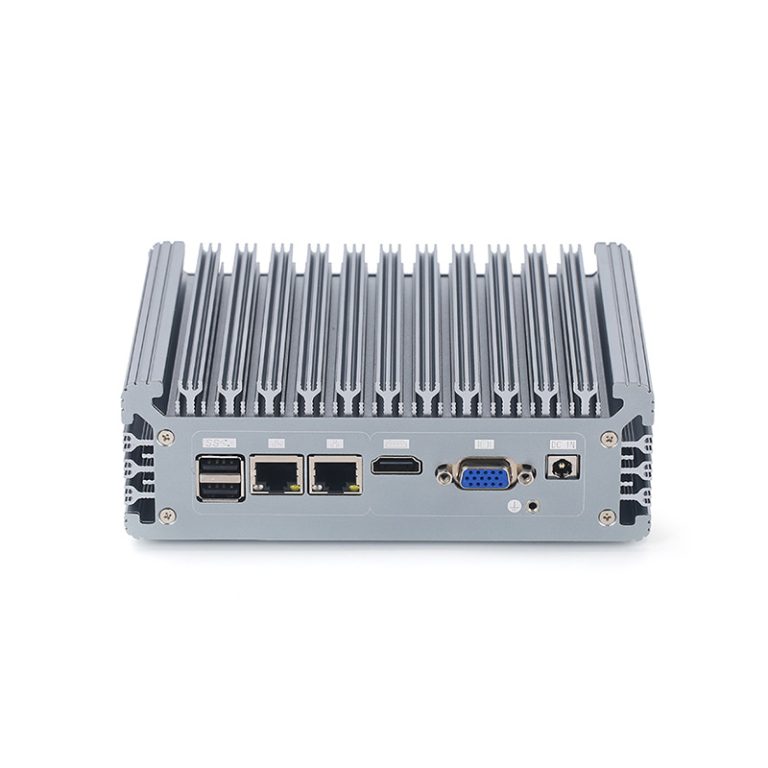
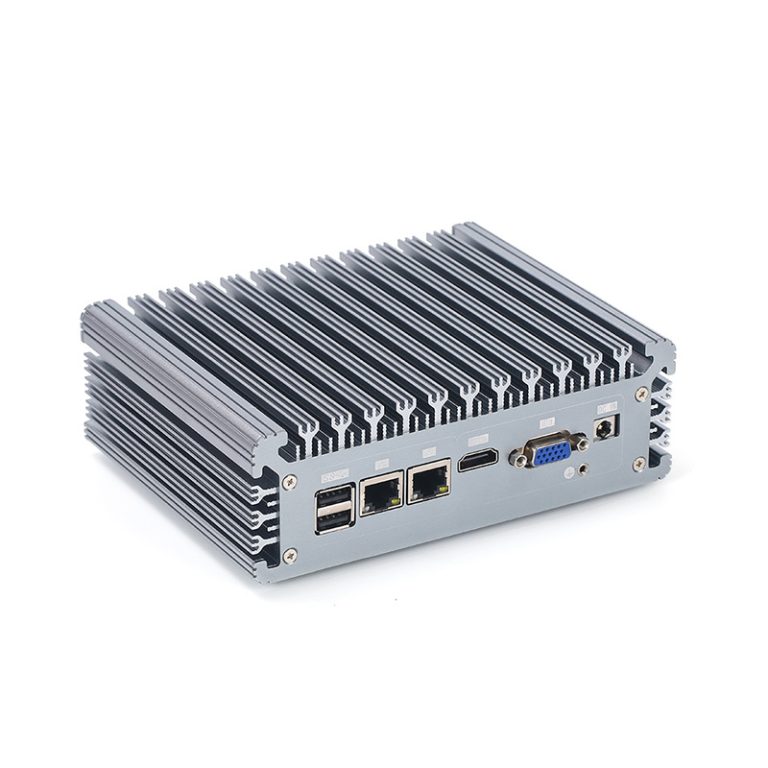
Many factories use an industrial embedded box pc for control and data jobs. This computer works well in tough places. It has a strong case that keeps out dust and bumps. There are many kinds of industrial embedded box pc. Some are small and fit in tight spots. Others are bigger and have more ports for devices.
Here is a table to compare different box PCs:
| Feature | Small Box PC | Large Box PC |
|---|---|---|
| Size | Compact | Larger |
| Power | Lower | Higher |
| Ports | Fewer | More |
| Cooling | Fanless | May have fans |
Factories pick an industrial embedded box pc based on their needs. If space is tight, a small box pc is best. If many devices connect, a bigger box pc is better. Some box PCs have special features. They may have extra water protection or support more storage. These features help with special jobs.
Connectivity and Security
Factories connect lots of machines and sensors. An industrial embedded box pc must have the right ports and wireless options. Good connectivity helps data move fast and safely. Security is very important in factories. The box pc should block unsafe network traffic. It should also protect data from outside threats.
Here are some ways to keep systems safe:
- Use strong passwords for all devices.
- Update software often.
- Limit who can access the computer.
A secure industrial embedded box pc keeps the factory running. It stops hackers and keeps data safe. Managers should check security often.
Industrial embedded computers help factories grow. They support new machines and more sensors. Embedded computer systems make it easy to add new features when needed.
Scalability
Factories sometimes need to make their production bigger or smaller. Scalability means a system can handle more work or new jobs without big changes. An industrial embedded box pc helps factories grow or shrink when needed.
Many factories begin with just a few machines. When they need more, they add new machines and sensors. An industrial embedded box pc connects to these new devices easily. This makes it simple for factories to get bigger without changing everything.
A scalable system saves both money and time. Factories can add new features without stopping work. The industrial embedded box pc works with many kinds of software and hardware. Upgrades are quick and easy.
Here is a table showing how scalability helps factories:
| Benefit | How It Helps Factories |
|---|---|
| Easy Expansion | Add new machines quickly |
| Cost Savings | No need for full replacements |
| Flexible Upgrades | Support for new technology |
| Less Downtime | Keep production running |
The industrial embedded box pc can do many jobs. It can control one machine or a whole line. When factories add more lines, they use the same kind of industrial embedded box pc. This keeps training and support easy.
Scalable systems help with planning for the future. Managers can try new ideas on a small scale first. If the idea works, they can use more industrial embedded box pc units across the factory.
A scalable industrial embedded box pc works with wired and wireless connections. This means it fits into old and new setups. Factories can add more sensors, cameras, or robots when needed.
Scalability also helps with data. As factories collect more information, the industrial embedded box pc handles the extra work. It processes data at the edge so the network does not get too busy.
Embedded PCs, IIoT, and Cloud Integration
Edge-Cloud Collaboration
Factories use embedded computer technology to link the edge and cloud. These computers gather data from machines and send important info to cloud servers. The edge makes quick choices, but the cloud keeps lots of data and runs big reports.
Embedded computer systems help factories use local and remote tools. This teamwork lets managers see updates right away and spot trends over time. The edge acts fast, and the cloud helps with planning.
Data Management
Factories make a lot of data every day. Embedded computer systems sort this data at the edge before sending it to the cloud. This keeps networks from getting too crowded.
A table can show how data moves in a factory:
| Step | Role of Embedded Computer |
|---|---|
| Collect Data | Reads sensors and machines |
| Process Locally | Filters and sorts information |
| Send to Cloud | Shares key data for storage |
Embedded computer systems also keep data safe. They block unsafe files and protect important info. Good data management means factories can trust their numbers.
Hybrid Architectures
Many factories use both edge and cloud together. This is called a hybrid architecture. Embedded computer systems make this work by running at the edge and talking to the cloud.
A hybrid setup lets factories control fast actions and use the cloud for big data jobs. Embedded computer technology helps connect old machines to new digital tools. This makes upgrades and growth easier.
Factories can add more embedded computer units as they get bigger. Hybrid systems help factories stay flexible and ready for change. Managers can pick what data stays at the edge and what goes to the cloud.
Future Trends in Industrial Edge
Advances in Embedded PC Hardware
The future will bring big changes to hardware. An embedded computer will get smaller and stronger. These computers will use less power and last longer in tough places.
New systems will have better chips and faster memory. This lets an embedded computer handle more data from machines and sensors. Factories will have less downtime because these systems will be more dependable.
Evolving Edge Use Cases
Factories will find new ways to use edge technology. An embedded computer will help with more jobs, like tracking tools and checking worker safety. These systems will also help control air quality and save energy.
Here are some future ways factories will use edge:
- Smart cameras for better security
- Systems that watch for leaks or spills
- Robots that move parts without help
A table shows how edge jobs are changing:
| Old Use Case | New Use Case |
|---|---|
| Machine control | Worker safety monitoring |
| Data collection | Energy management |
| Quality checks | Smart inventory tracking |
Factories will use more sensors and smart devices. An embedded computer will connect these devices and help them share data.
AI and Machine Learning Integration
Artificial intelligence will change edge computing in the future. An embedded computer will run ai models right on the factory floor. This will help systems learn from data and make better choices.
Artificial intelligence can spot problems before they stop production. It can also help systems adjust settings to save power. Many factories will use ai to check products and warn workers about issues.
An embedded computer with ai will help factories stay ahead. These systems will support new tools and help workers do their jobs better.
Conclusion
Embedded computer systems help factories use data and ai to improve. These computers let factories control things in real time. They also check quality and help fix machines before they break. Managers pick an embedded computer because it is strong and fast. It can also work with ai at the edge. An embedded computer connects machines and sensors easily. It helps factories add new technology and grow. In the future, more embedded computers and ai will work together. This will make factories smarter.