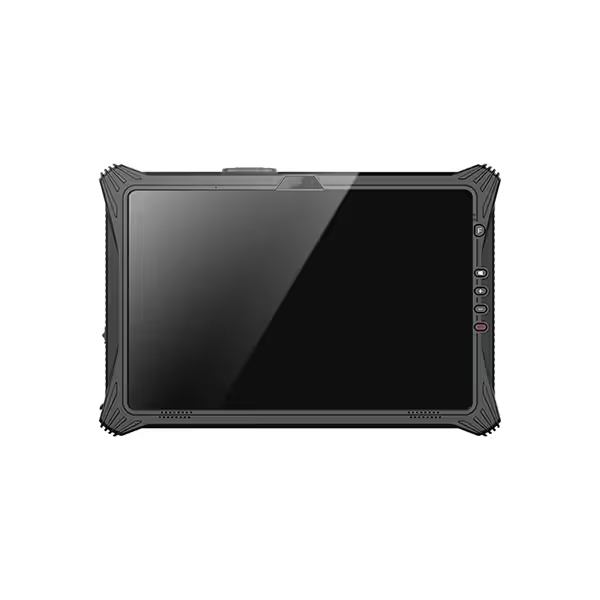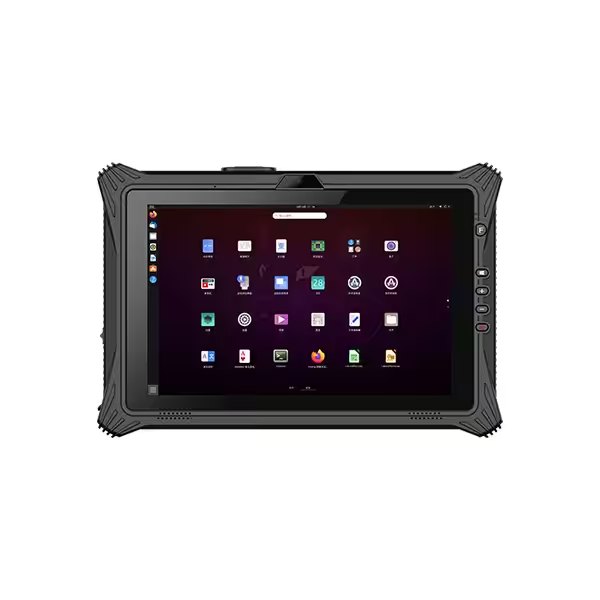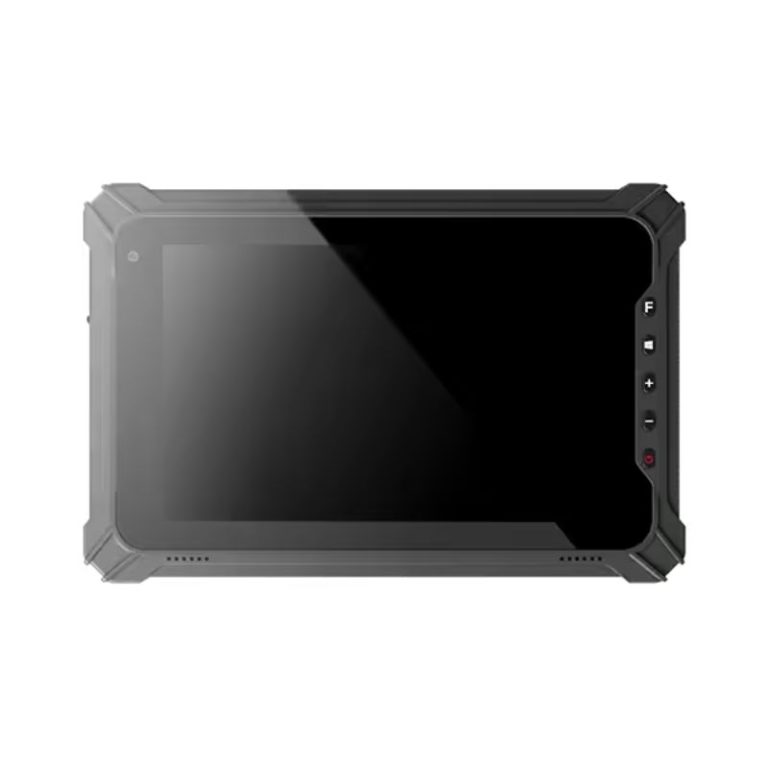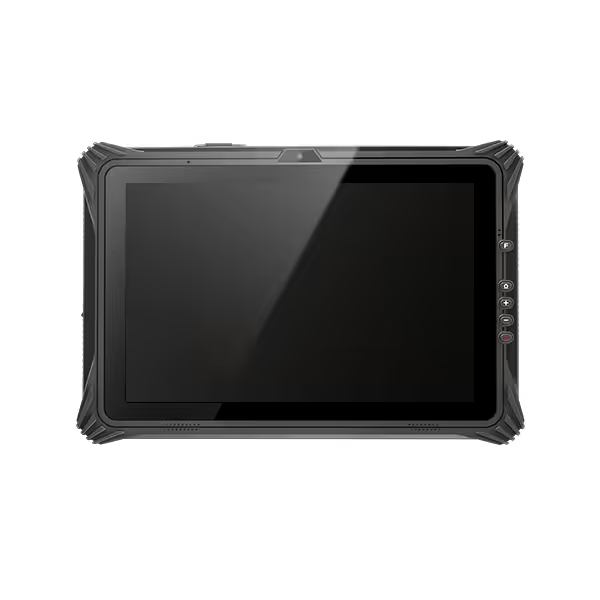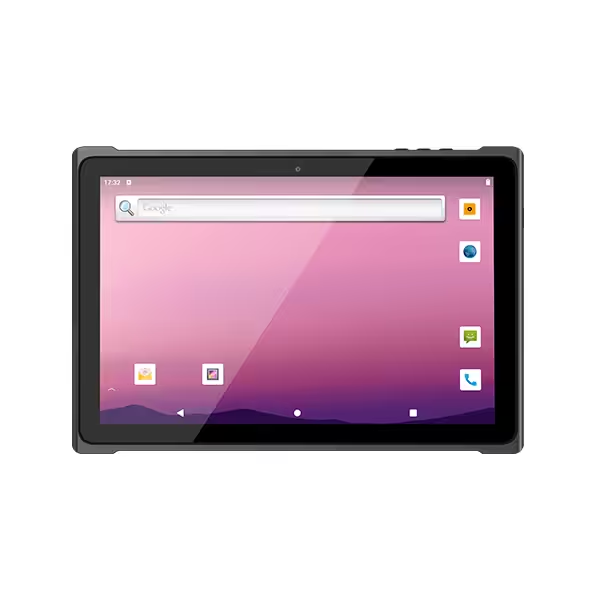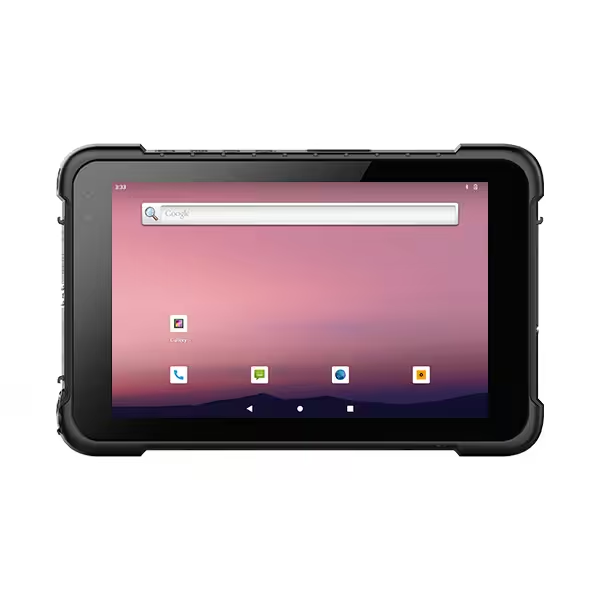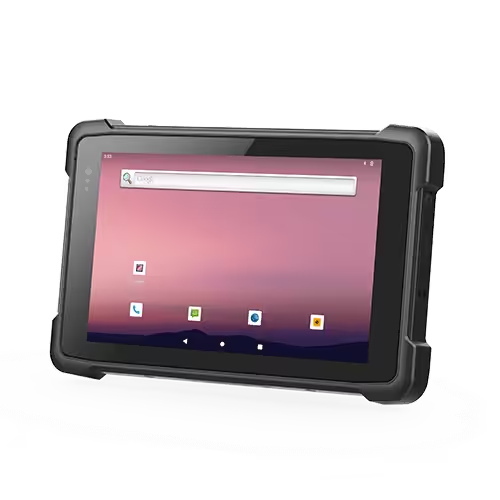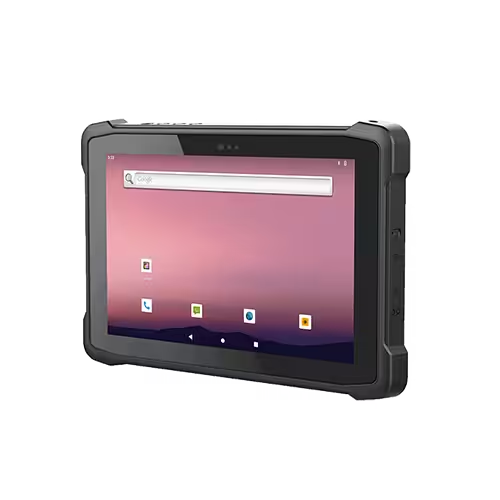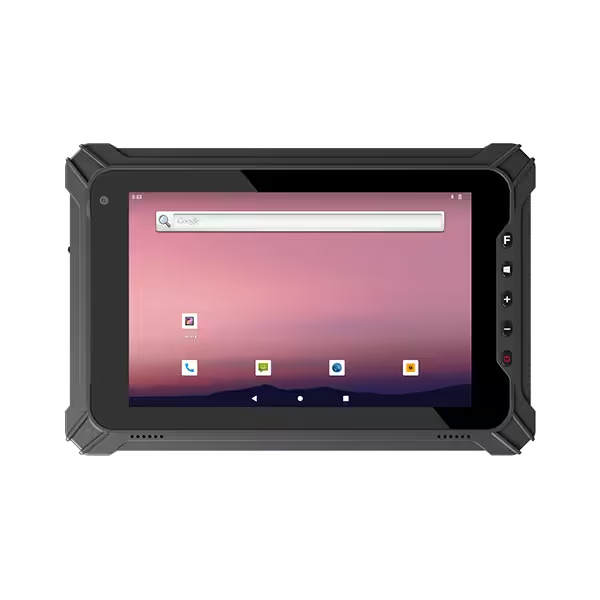
IP65 and MIL-STD-810H often appear together in rugged tablet specifications, but they describe different aspects of protection. IP65 classifies enclosure protection against dust and water jets. MIL-STD-810H provides environmental test methods that can be selected and tailored to expected operating conditions.
Neither specification, by itself, demonstrates that rugged tablets can withstand every workplace hazard. The right choice depends on actual exposure: dust, water jets, drops, vibration, temperature extremes, or several conditions together. Buyers should match those risks to the test details and device configuration behind each claim.
The useful comparison is not “Which one is better?” IP65 and MIL-STD-810H do not measure ruggedness on the same scale. One describes ingress protection; the other provides methods for evaluating selected environmental stresses. Some deployments need evidence for both.
IP65 Rating for Rugged Tablets
The IP Code is defined by IEC 60529, which classifies degrees of protection provided by electrical equipment enclosures. In IP65, the first digit concerns protection against solid objects and dust. The second concerns protection against water.
- 6 — Dust-tight: The enclosure meets the applicable dust-protection test requirements.
- 5 — Water jets: The enclosure is tested against water projected through a nozzle under specified conditions.
The digits describe separate aspects of enclosure protection. The “6” does not describe water resistance, while the “5” does not indicate protection from drops or vibration.
IP65 does not mean that tablets can be immersed in water. Immersion is covered by other water-protection levels, including IPX7 and IPX8. Nor does IP65 automatically establish resistance to high-pressure washing, hot water, detergents, oils, or chemicals. Those conditions require separate evidence.
IP65 may suit environments where tablets encounter dust, rain, splashes, or water jets comparable to the specified test conditions. Buyers should consider how often exposure occurs, how forceful water contact is, and whether users follow instructions for covers and connectors. Test results do not remove the need to keep seals in good condition or operate protective covers correctly.
IP65 also says nothing about drop resistance, shock, vibration, or temperature extremes. Those are separate performance questions. Treating the code as an overall durability score can lead to gaps in protection planning.
MIL-STD-810H Testing for Rugged Tablets
MIL-STD-810H sets out environmental engineering guidance and laboratory test methods. The U.S. Defense Logistics Agency describes the standard as supporting an environmental tailoring process: test methods are selected to reflect expected service conditions. It does not impose one universal set of design or test requirements for every device.
Depending on expected use, testing may address conditions such as:
- Mechanical shock or transit drops
- Vibration during vehicle or equipment operation
- High- and low-temperature operation or storage
- Humidity, altitude, or blowing rain
- Sand and dust exposure
The method, procedure, and test conditions determine what each result can demonstrate. Drop results, for example, need context: test setup, impact conditions, device configuration, and acceptance criteria can all affect how closely results match field use. “Drop tested” without those details gives buyers little basis for comparison.
The standard name alone does not reveal which tests were performed. Testing for vibration and temperature does not confirm that tablets were also tested for drops, humidity, rain, or every other method in MIL-STD-810H. Buyers should request the methods and procedures used, test conditions, and supporting documentation. Rugged-device guidance from Panasonic likewise recommends checking which methods and procedures were performed.
The word “military” in the standard’s name can also create confusion. A MIL-STD-810H claim does not, by itself, establish military procurement approval or suitability for every military application. It tells buyers to investigate the relevant tests and results.
IP65 vs MIL-STD-810H: Key Differences
| Comparison point | IP65 | MIL-STD-810H |
|---|---|---|
| Main focus | Dust and water ingress | Selected environmental stresses |
| Scope | Enclosure protection under specified dust and water-jet conditions | Methods selected and tailored for expected environments |
| Useful evidence | IP test details and tested configuration | Methods, procedures, conditions, and test documentation |
| Does not establish by itself | Drop, vibration, or temperature performance | Whether every method in the standard was performed |
| Relationship to the other | Addresses ingress risks alongside environmental testing | Can address selected stresses that IP codes do not measure |
The claims are complementary, not interchangeable. IP65 gives defined information about enclosure protection against dust and water jets. MIL-STD-810H documentation can show how devices performed under selected environmental tests. If deployments involve both ingress and mechanical or climatic risks, buyers need to assess both.
Some environmental conditions may appear in discussions of both specifications. Dust exposure, for example, can relate to enclosure ingress and environmental testing. That overlap does not make the results equivalent: the test purpose and conditions still matter. Buyers should confirm what each test evaluated instead of assuming that one dust-related result proves every kind of dust protection.

Rugged Tablet Protection by Work Environment
Dusty and Wet Worksites
Construction, utilities, field inspection, and outdoor maintenance can expose tablets to dust and water. IP65 may be relevant when exposure resembles the specified dust and water-jet tests. Rain, splashes, directed water jets, pressure washing, and immersion are different conditions; teams should not treat them as interchangeable.
Routine washdown, submersion, or chemical cleaning calls for separate confirmation. Check cleaning instructions and ask for evidence that covers actual exposure. Also confirm how protective covers and seals must be positioned during operation.
Frequent Handling and Drops
Workers carrying tablets between vehicles, equipment, and work areas may face frequent drops or impacts. IP65 does not cover those events. Review drop or shock test information, including the method, conditions, device configuration, and acceptance criteria.
Drop height alone is not enough to predict field performance. Surface type, impact orientation, number of drops, operating state, and use of protective accessories can affect how closely test results represent daily handling. Compare those conditions with how workers carry and use tablets.
Vehicle-Mounted Work
Forklifts, service vehicles, and industrial equipment can expose mounted tablets to sustained vibration and shock. Check which vibration and shock tests were performed and whether the tested setup reflects intended mounting and use conditions. IP65 may still be relevant if dust or water exposure is also part of deployment.
Mounts, cables, connectors, and power supplies form part of the installed setup. Verify that test documentation applies to the configuration under consideration, especially where accessories or mounting hardware differ from the tested setup.
Changing Temperatures
Outdoor work and vehicle storage can involve hot or cold conditions. Review operating and storage temperature ranges alongside test evidence. Storage limits do not necessarily describe conditions for powered operation, so confirm both.
Temperature can also affect practical usability. Display readability, battery behavior, charging limits, and accessory operation may matter even when enclosure protection remains suitable. These details do not replace environmental test evidence, but they help determine whether tablets fit the workflow.
How to Choose Rugged Tablet Protection
1. List Workplace Exposures
Record conditions tablets will face during normal use and foreseeable incidents. Include dust, rain, water jets, cleaning methods, drops, vibration, heat, cold, humidity, and storage conditions. Note how often each exposure occurs and which teams or locations face it.
Describe real workflows instead of relying on broad labels such as “outdoor use.” Tablets used under covered loading areas face different conditions from devices mounted on machinery or cleaned after every shift.
2. Identify the Most Likely Failure Risks
Rank hazards by likelihood and consequence. Tablets used near dust and washdown may need strong ingress evidence. Vehicle-mounted devices may need documented vibration testing. Hand-carried tablets may need clear drop-test results. Deployments involving several hazards may call for both IP and environmental test evidence.
Consider the cost of device failure as well as the chance of exposure. If downtime interrupts inspections, dispatch, or data entry, reliability evidence may matter more than the highest available rating. This helps focus comparisons on risks with real operational impact.
3. Match Risks to Test Evidence
Use the IP code to assess dust and water ingress claims. Use specific MIL-STD-810H methods, procedures, and conditions to assess environmental-test claims. Do not treat either specification as proof of performance beyond its tested scope.
Create a risk-to-evidence checklist. For each exposure, record the relevant specification, available test details, and unanswered questions. This makes supplier comparisons more consistent and shows where similar labels hide different levels of documentation.
4. Confirm the Tested Configuration
Check whether documentation applies to the model and configuration being purchased. Ports, protective covers, accessories, mounts, and other details can affect how closely test evidence represents field deployment. Request test reports or clear test summaries when available.
Confirm that product names and configurations in documentation match purchase specifications. If several versions share one product family name, verify screen size, ports, battery, mounting hardware, and accessories. Do not assume that evidence for one configuration covers every variant.
5. Check Operating Requirements
Confirm operating and storage temperature ranges, cleaning instructions, and restrictions on water or chemical exposure. Review these details alongside test claims so selection decisions reflect actual use conditions.
Other requirements affect practical suitability too. Screen brightness, glove or wet-touch operation, battery replacement, connector access, and mounting options may determine whether tablets remain usable in the field. These features do not substitute for protection testing, but they complete the fit assessment.
Common Selection Mistakes
Treating IP65 as Immersion Protection
IP65 does not mean that tablets can be submerged. The “5” refers to water-jet protection under specified test conditions. Immersion is covered by other IP water-protection levels.
Assuming MIL-STD-810H Covers Every Test
The standard supports tailored environmental testing. Verify which methods and procedures were performed for each device. Broad claims without test details make meaningful comparisons difficult.
Ranking One Specification Above the Other
There is no direct ranking between IP65 and MIL-STD-810H. They address different test scopes. Relevant evidence depends on workplace hazards and the consequences of device failure.
Comparing Specifications Without Checking Conditions
Two product pages may display similar claims but provide different levels of test detail. Review test conditions, tested configurations, and supporting records. Specifications help only when their scope matches deployment needs.
Frequently Asked Questions
Does IP65 Protect Rugged Tablets From Drops?
No. IP65 addresses dust and water ingress. Drop and shock performance require separate test evidence.
Does MIL-STD-810H Replace an IP Rating?
No. MIL-STD-810H testing does not automatically provide an IP code. Check ingress protection separately when dust or water exposure matters.
Should Rugged Tablets Have Both IP65 and MIL-STD-810H Testing?
When deployments involve dust or water exposure as well as drops, vibration, or temperature extremes, both types of evidence may be relevant. Check specific test details instead of relying only on product labels.
What Should Buyers Request From Suppliers?
Request IP test details, MIL-STD-810H methods and procedures, test conditions, acceptance criteria, and documentation identifying the tested device configuration. These details help buyers judge whether results relate to workplace risks.
Conclusion
IP65 and MIL-STD-810H help buyers assess different aspects of rugged tablet protection. IP65 addresses dust and water-jet ingress. MIL-STD-810H supports selected environmental tests tailored to expected conditions.
For sound selection, list workplace exposures, identify likely failure risks, and match each risk to relevant test evidence. Verify tested methods, conditions, and device configurations before treating protection claims as suitable for deployment. The best fit is the one whose documented test scope matches real work conditions, not simply the product with the longest list of specifications.