Skip to content
Industrial PCs play a critical role in modern manufacturing and automation, offering robust performance and reliability in demanding environments. Understanding their strengths and weaknesses helps businesses choose the right system for efficiency, durability, and long-term value. This article explores the key advantages and potential limitations of Industrial PCs, providing insights to make informed decisions for industrial operations.
Strengths of Industrial PCs
Rugged Construction
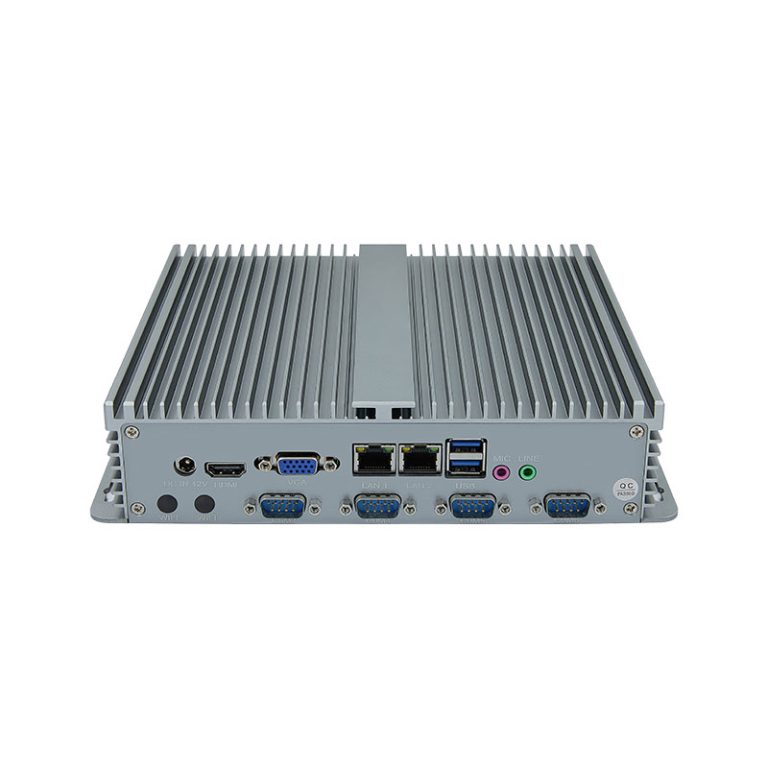
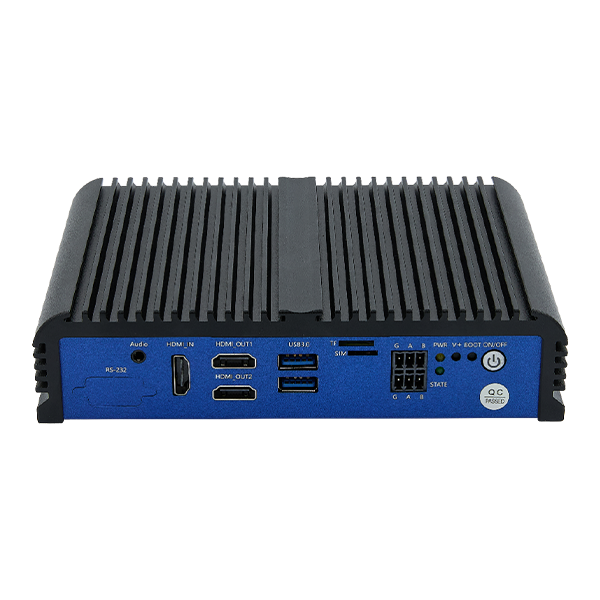
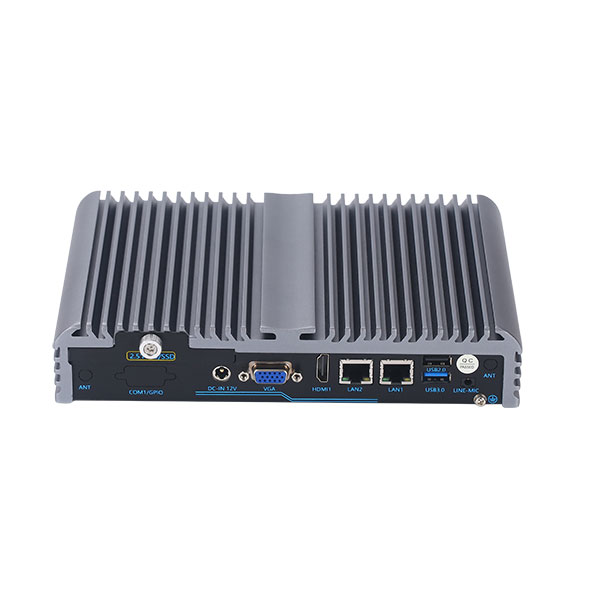
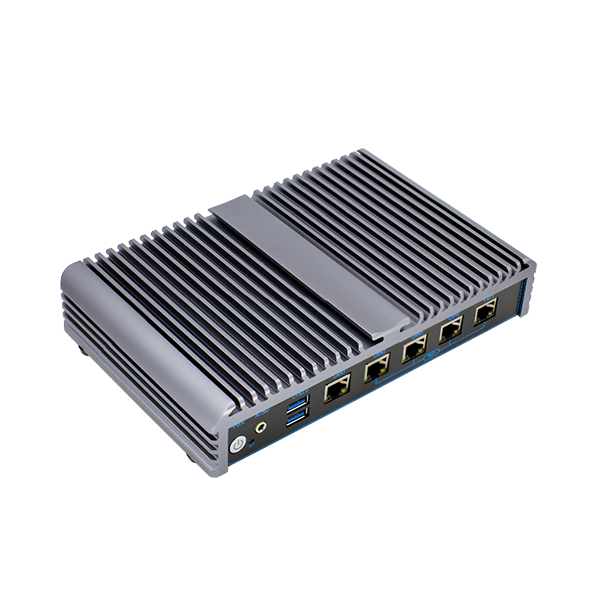
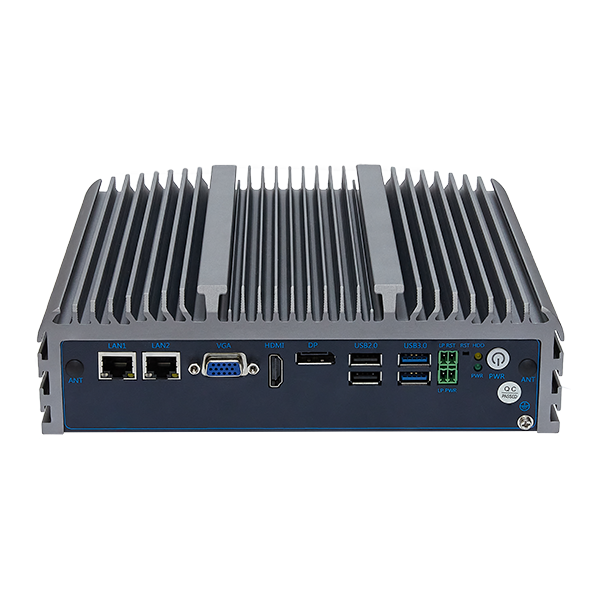
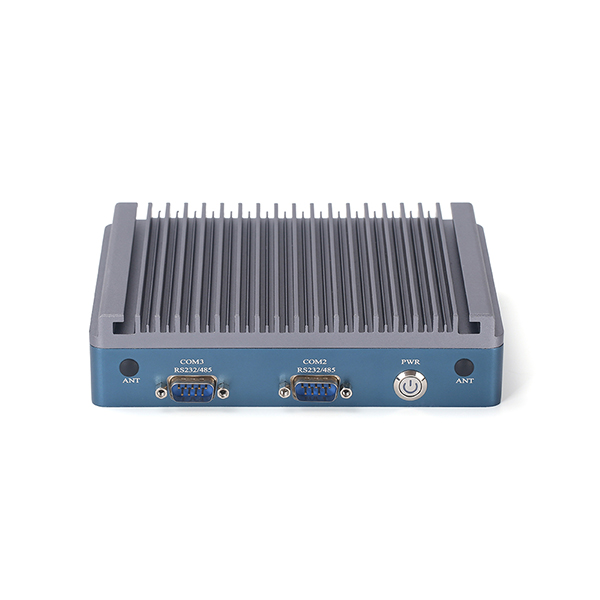
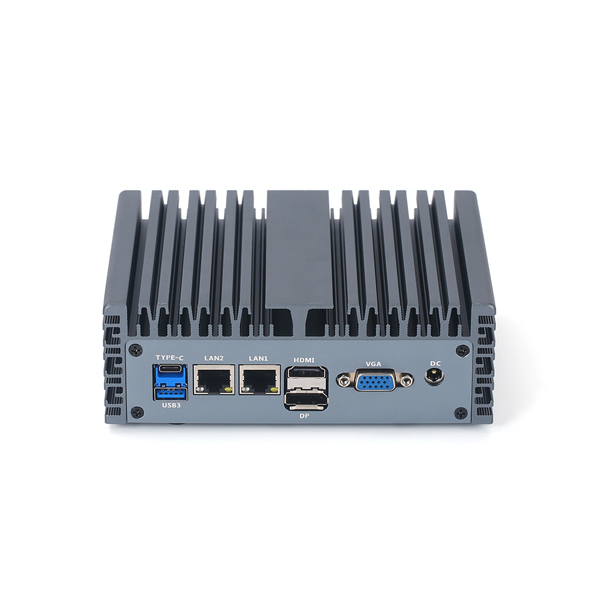
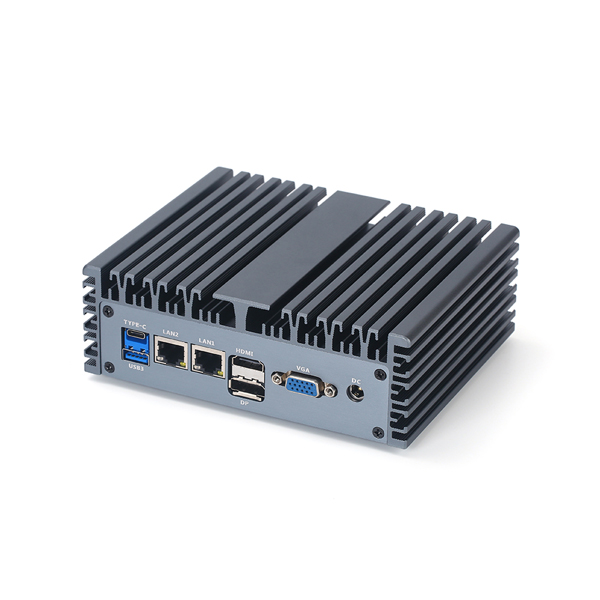
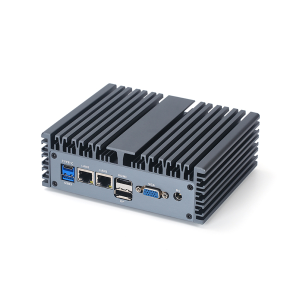
Industrial PCs have rugged construction that allows them to withstand the rigors of harsh environments. These systems use reinforced enclosures and solid state industrial computers to resist vibration and shock. Many industrial computing platforms offer protection against physical damage, making them durable and reliable for continuous use.
Reliability and Uptime
Reliability stands as one of the main strengths of industrial PCs. These devices operate for long periods without failure, supporting critical automation tasks. Industrial computing platforms often feature redundant components to maximize uptime and ensure reliable performance.
| Reliability Feature | Benefit |
|---|---|
| Redundant Power | Prevents downtime |
| Solid State Drives | Increases reliability |
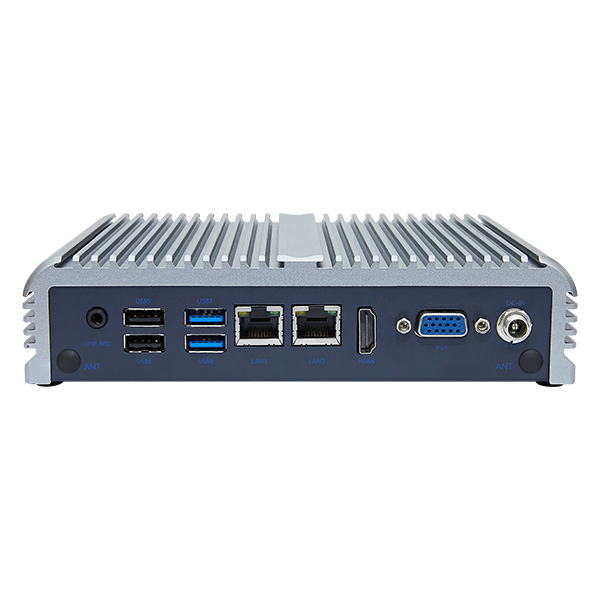
| Fanless Design | Reduces maintenance |
Industrial computer systems deliver consistent processing and memory capabilities, which helps maintain stable operations.
Environmental Resistance
Industrial PCs resist extreme temperatures, moisture, and contaminants. Many models are waterproof and dustproof, which allows them to function in challenging industrial environments. These features ensure reliable performance even when exposed to chemicals or heavy dust.
Industrial computing platforms often meet strict standards for environmental resistance. This makes them suitable for factories, outdoor installations, and other demanding locations.
Touchscreen and Mounting Options
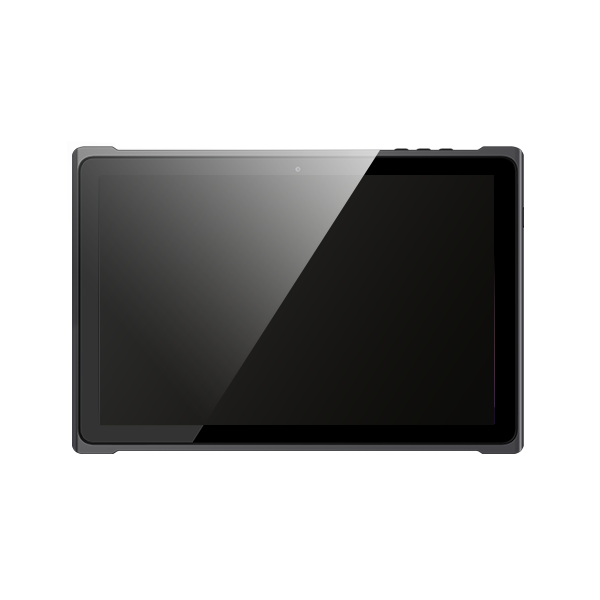
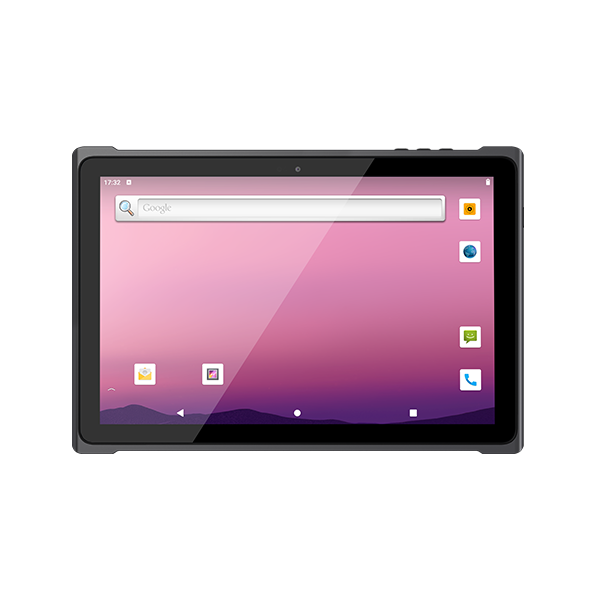
Industrial PCs offer flexible touchscreen interfaces and mounting options. Touchscreens improve usability for operators, especially in automation settings. Industrial computing platforms support panel, wall, and rack mounting, which allows easy integration into existing systems.
Compact Panel PCs
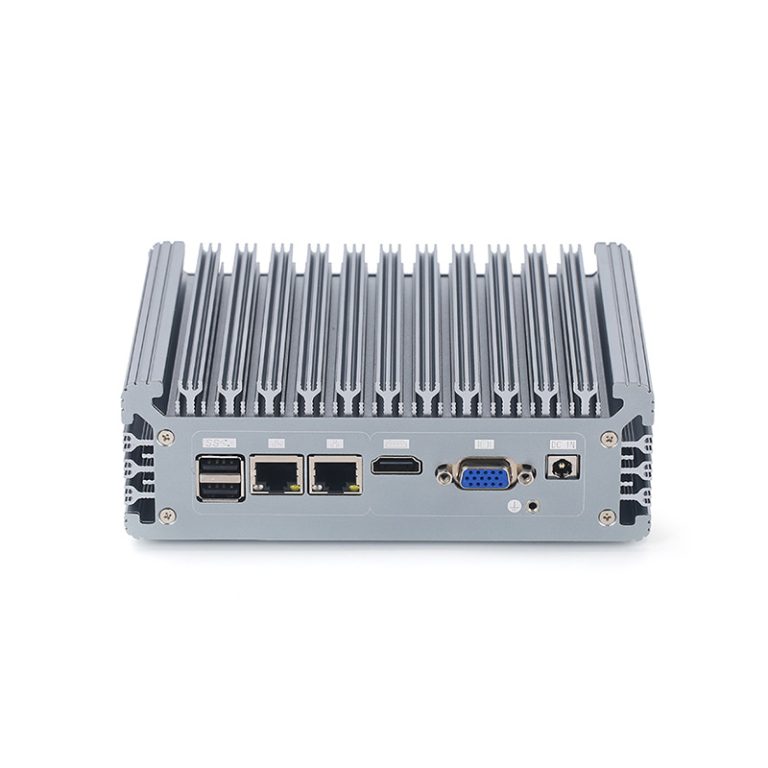
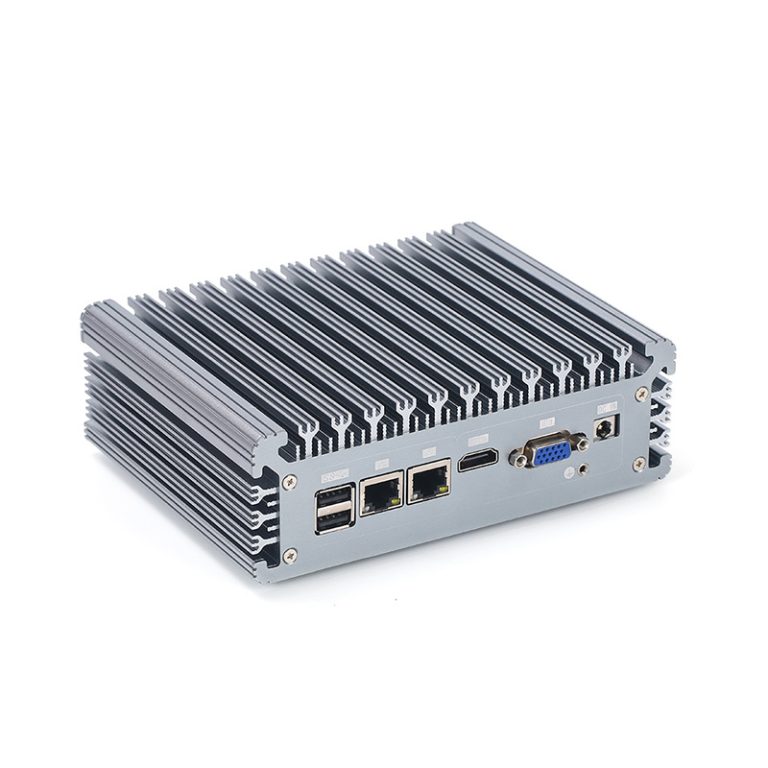
Compact panel PCs save space while delivering strong performance. These industrial computing platforms fit into tight areas without sacrificing reliability. Their small size makes them ideal for control panels and machine interfaces.
Industrial PCs with compact designs often include advanced processing and memory features. This allows them to handle complex automation tasks efficiently.
System Control and Efficiency
Industrial PCs provide precise system control and improve efficiency in industrial environments. These computers manage automation processes, monitor equipment, and collect data. Industrial computing platforms support real-time processing, which boosts overall performance and reliability.
Industrial computer systems help streamline operations and reduce human error. Their reliable features make them essential for modern automation.
Weaknesses of Industrial PCs
Higher Cost
Industrial pcs often require a larger investment than standard computers. The advanced features and rugged design increase the initial price. Many organizations must consider the total cost of ownership, which includes not only the purchase price but also installation, training, and long-term support.
Size and Space Needs
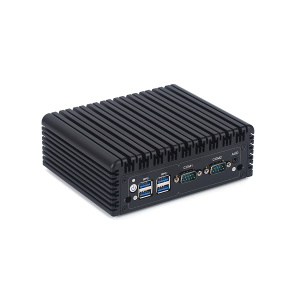
Some industrial pcs have larger enclosures to provide extra protection. These systems may need more space in control rooms or on factory floors. Compact models exist, but many applications still require larger units for durability.
Maintenance Challenges
Maintenance for industrial pcs can be complex. Specialized parts and unique designs may require trained technicians. The total cost of ownership rises when organizations need to schedule regular inspections or repairs.
Maintenance factors that affect total cost of ownership:
- Availability of replacement parts
- Need for skilled technicians
- Downtime during repairs
Limited Upgrades
Industrial pcs often have limited upgrade options. Many models use sealed cases or custom components for protection. This design can make it difficult to add new features or improve performance over time.
Risk of Obsolescence
Technology changes quickly in the industrial sector. Industrial pcs may become outdated before the end of their expected service life. Organizations must plan for the total cost of ownership, including future upgrades or replacements.
| Weakness | Impact on Total Cost of Ownership |
|---|---|
| Higher Initial Cost | Increases investment |
| Maintenance Complexity | Raises ongoing expenses |
| Limited Upgrades | May require early replacement |
| Obsolescence Risk | Adds to long-term costs |
Application Suitability
Where Industrial PCs Excel
Industrial pcs perform best in environments that demand durability and reliability. Many factories use these systems on the factory floor to control machines and monitor production lines. Operators rely on industrial pcs for tasks that require continuous operation and resistance to dust, moisture, and vibration.
Industrial pcs also excel in outdoor installations. These computers handle temperature changes and exposure to contaminants. Their rugged design makes them ideal for transportation, energy, and food processing industries.
Limitations in Certain Scenarios
Industrial pcs may not fit every application. Some offices or light-duty environments do not need the rugged features these systems offer. The higher cost and larger size can make industrial pcs less practical for small businesses or locations with limited space.
Upgrading industrial pcs can be difficult. Many models have sealed cases, which limits the ability to add new hardware. Organizations must also plan for the risk of obsolescence, especially when technology changes quickly.
| Scenario | Suitability of Industrial PCs |
|---|---|
| Factory floor | High |
| Office environment | Low |
| Outdoor installation | High |
| Small retail space | Low |
Choosing the Right Industrial PC
Selecting the right industrial pcs requires careful planning. Decision-makers should consider the specific needs of the factory floor, such as exposure to dust, vibration, and temperature extremes. They should also evaluate the available space and mounting options.
A checklist can help guide the selection process:
- Identify environmental challenges on the factory floor.
- Determine the required processing power and memory.
- Check for compatibility with existing equipment.
- Plan for future maintenance and upgrades.
Balancing Pros and Cons
Decision-Making Tips
People in manufacturing and industrial settings often face tough decisions about technology investments. They should start by listing the specific needs of their environment. A table can help compare the strengths and weaknesses of industrial pcs for each application.
| Factor | Strengths | Weaknesses |
|---|---|---|
| Durability | High | Larger size |
| Reliability | Excellent | Higher cost |
| Upgrade Potential | Limited | Limited upgrades |
Decision-makers should gather input from operators and technicians. They need to consider how each feature will affect daily operations. Using this information helps them make informed decisions that match their goals.
Practical Advice
Teams should visit the installation site before making any decisions. They can check for space limitations and environmental hazards. A checklist helps ensure all factors are considered.
- Review environmental risks like dust or moisture.
- Measure available space for mounting.
- Ask about future upgrade needs.
- Estimate maintenance costs.
People should also plan for technology changes. They can set a schedule to review equipment every few years. This approach helps them stay ahead of obsolescence and maintain efficiency.
Conclusion
Industrial PCs offer unmatched durability, reliability, and control in demanding industrial environments, making them essential for automation and data management. While higher costs and limited upgrade options require careful planning, their rugged design and efficient performance deliver long-term operational value. By aligning system selection with specific environmental and workflow needs, businesses can maximize productivity and ensure a resilient industrial infrastructure. Industrial PCs remain a strategic investment for modern manufacturing and automation.