Skip to content
Modern manufacturing and automation rely on rugged, reliable computing built for harsh environments. This article explores the key types of Industrial Computers used across industry, explaining how each supports stability, real-time control, and long-term operation. Understanding their differences helps engineers and decision-makers select the right solution to improve productivity, reduce downtime, and ensure system reliability as industrial applications continue to evolve.
Key Types of Industrial Computers
Industrial PCs
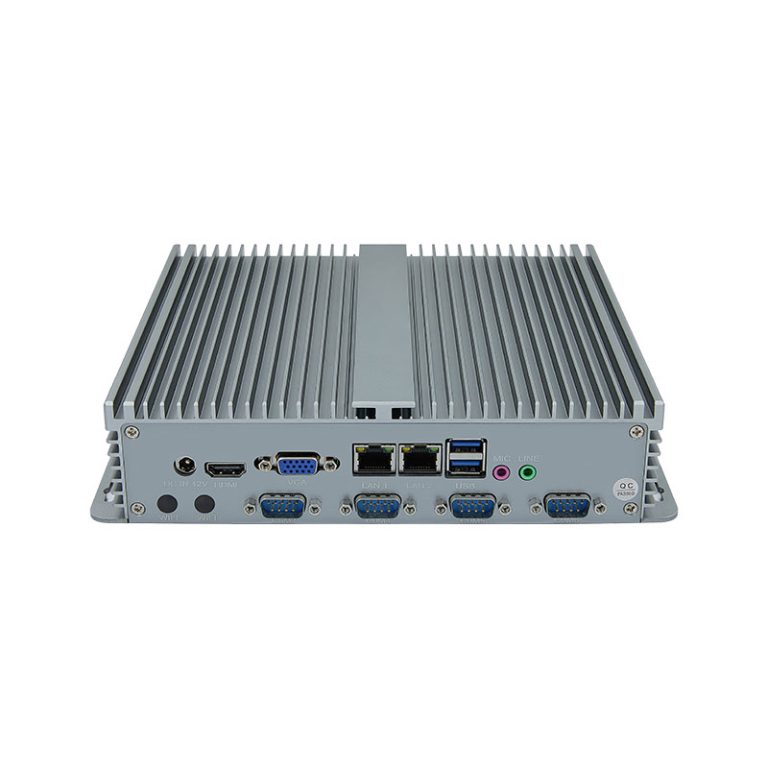
Industrial pc systems are the backbone of many industrial environments. These computers offer high reliability and durability for harsh conditions. Industrial pcs support process automation and production line automation in modern manufacturing.
Industrial pcs come in various sizes and configurations. They handle real-time monitoring and control tasks. Many industrial pcs have expansion slots for customization.
Panel PCs
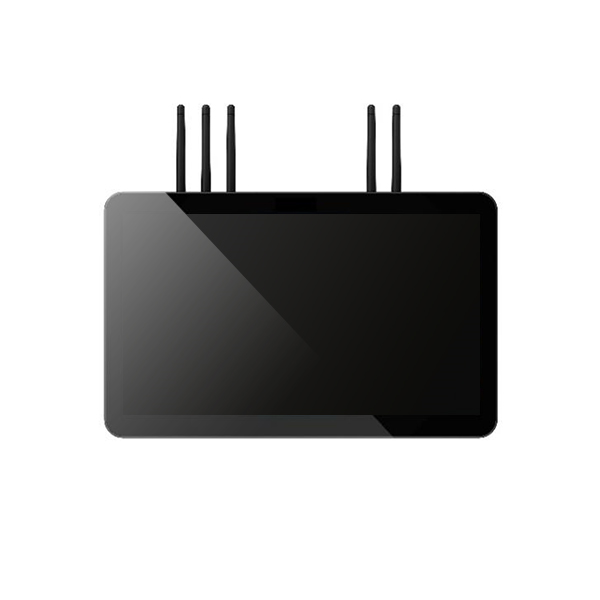
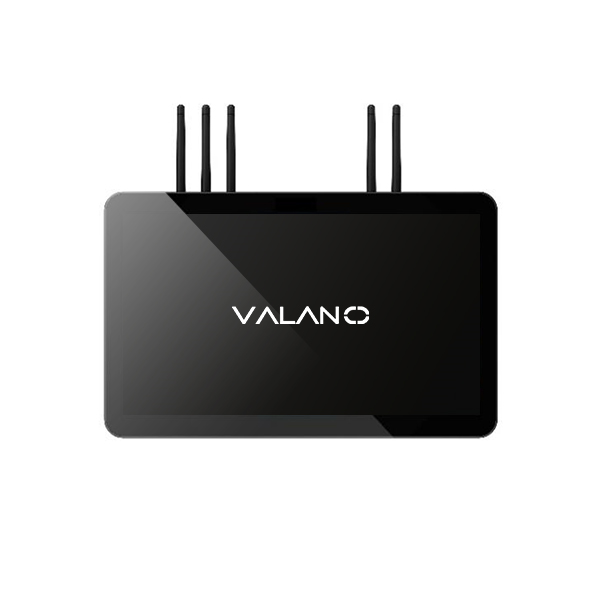
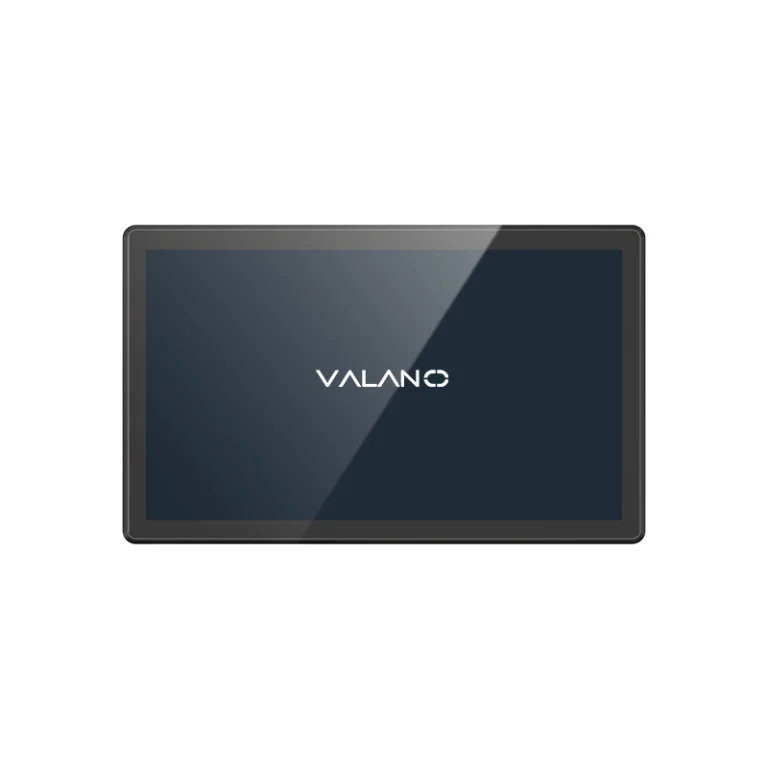
Industrial panel pcs combine a computer and a touchscreen display in one unit. These computers mount directly onto machinery or control panels. Panel pcs are ideal for production environments where space is limited.
Industrial panel pcs provide easy access to controls and data. Their sealed designs protect against moisture and dust. These computers are common in food processing and pharmaceutical industries.
Industrial Tablets
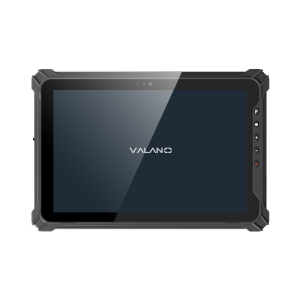
Industrial tablets offer mobility and flexibility for workers on the move. These computers feature rugged exteriors and reinforced screens. Industrial tablets withstand drops, spills, and extreme temperatures.
Workers use industrial tablets for inventory management and field inspections. These computers support wireless connectivity for real-time data access. Industrial tablets improve efficiency in warehouses and outdoor sites.
Industrial Display Monitors
Industrial display monitors show critical data and system status in production areas. These monitors connect to industrial pcs or other computers. Industrial display monitors feature tough glass and metal frames.
Operators rely on industrial display monitors for visual feedback. These monitors resist shock and vibration. Industrial display monitors are essential for monitoring and control stations.
Single Board Computers
Single board computers are compact devices with all components on one circuit board. These computers fit into tight spaces and custom enclosures. Single board computers power embedded systems and specialized industrial applications.
Single board computers offer low power consumption and reliable performance. Engineers use these computers for automation and sensor integration. Single board computers are popular in robotics and IoT solutions.
Industrial Mini PCs
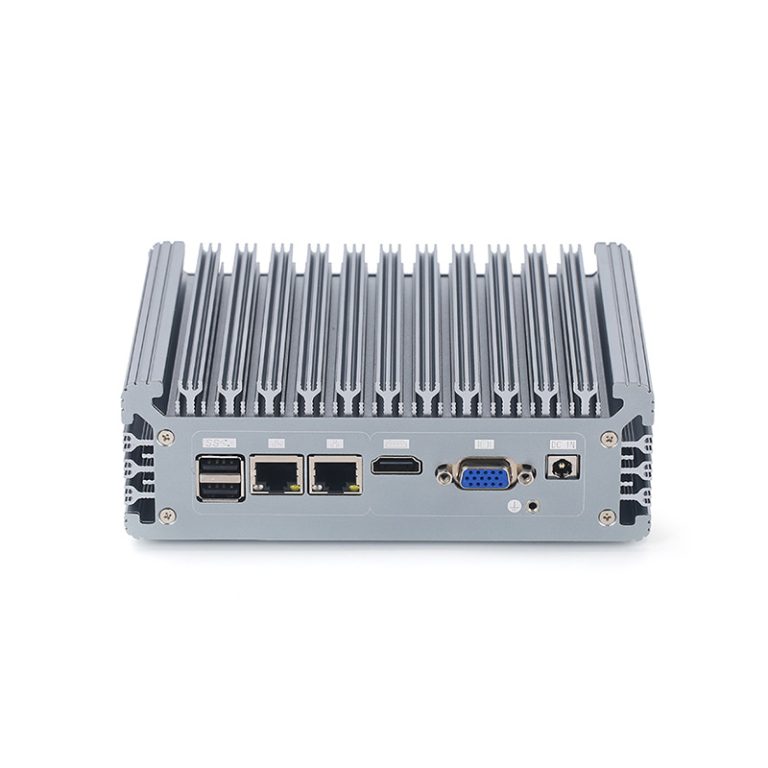
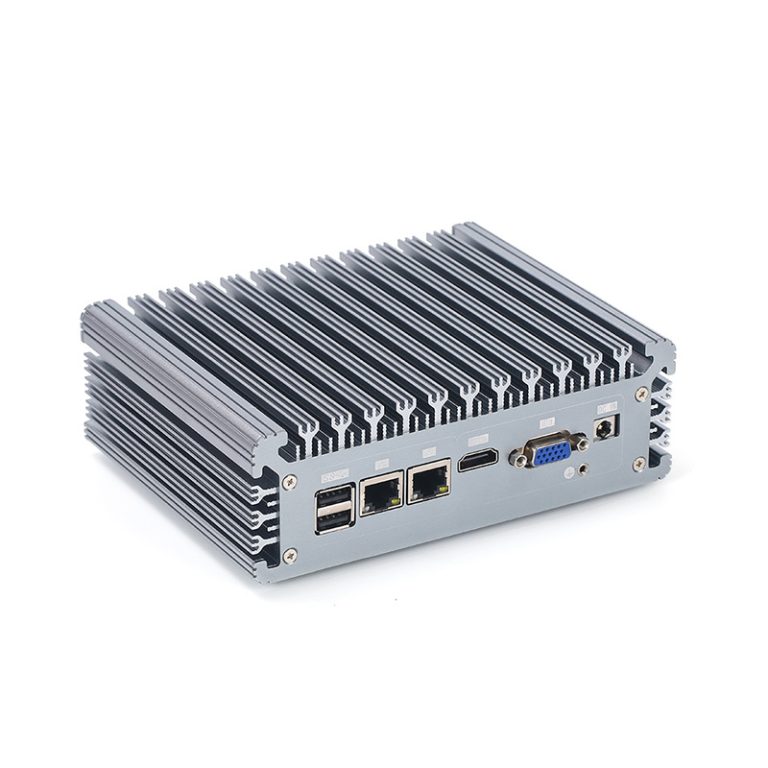
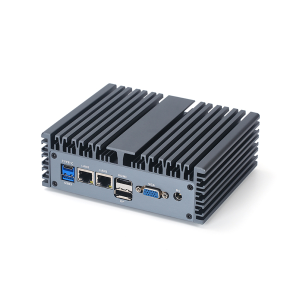
Industrial mini pcs deliver computing power in a small form factor. These computers save space in crowded industrial environments. Industrial mini pcs run control software and data logging applications.
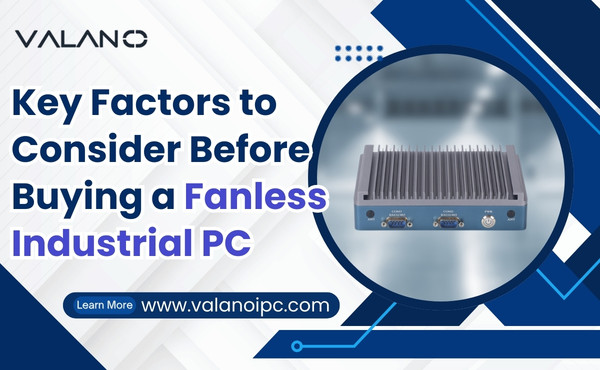
Industrial mini pcs feature fanless cooling and solid-state drives. These computers operate quietly and efficiently. Industrial mini pcs are suitable for kiosks and digital signage.
Rackmount PCs
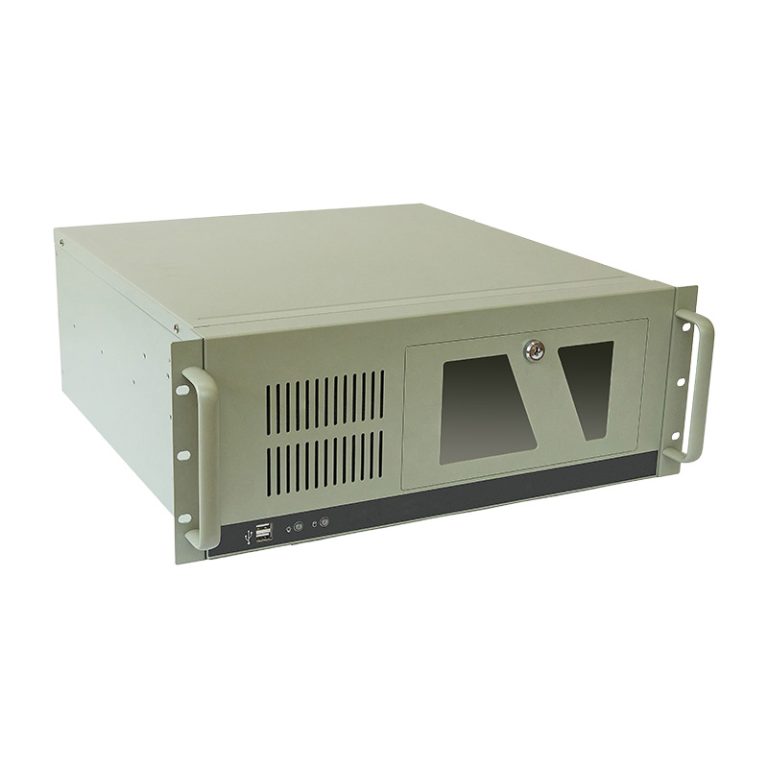
Rackmount pcs install in standard server racks for centralized control. These computers manage large-scale industrial networks and data centers. Rackmount pcs offer high reliability and easy maintenance.
Rackmount pcs support multiple expansion cards and redundant power supplies. These computers handle complex automation and monitoring tasks. Rackmount pcs are common in factories and utility plants.
Box PCs
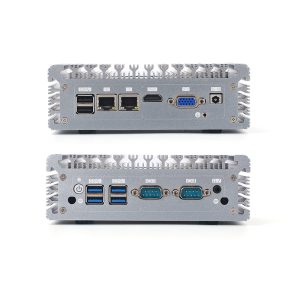
Box pcs are versatile computers with rugged enclosures. These computers mount on walls, machines, or inside cabinets. Box pcs provide reliable performance in harsh industrial environments.
Box pcs support a wide range of industrial applications. These computers feature flexible I/O ports for connectivity. Box pcs are used in transportation, energy, and process automation.
A table below summarizes the key features for industrial computers by type:
| Type | Key Features for Industrial Computers | Typical Use Cases for Industrial Computers |
|---|---|---|
| Industrial PCs | Rugged, expandable, high reliability | Production, automation, real-time monitoring |
| Panel PCs | Touchscreen, sealed, compact | Machine control, operator interface |
| Industrial Tablets | Portable, rugged, wireless | Field work, inventory, inspections |
| Industrial Display Monitors | Durable, shock-resistant, clear display | Monitoring, control rooms |
| Single Board Computers | Compact, low power, embedded | Robotics, IoT, sensor integration |
| Industrial Mini PCs | Small, quiet, efficient | Kiosks, signage, data logging |
| Rackmount PCs | Centralized, expandable, redundant | Data centers, network control |
| Box PCs | Versatile, rugged, flexible I/O | Transportation, energy, process automation |
The key types of industrial computers each serve unique roles in industrial environments. Selecting the right type ensures reliability and efficiency in production and automation tasks.
Features and Applications by Type
Rugged Design and Durability
Industrial computers are built to survive tough industrial environments. Most computers feature reinforced casings, sealed ports, and fanless cooling systems. These design elements protect the computer from dust, moisture, and vibration.
Panel PCs and industrial tablets often have touchscreens with shatter-resistant glass. Rackmount PCs and box PCs use metal frames for extra durability. Rugged design ensures reliability in production areas and modern manufacturing facilities.
Processing Power and Performance
Processing power varies across different types of industrial computers. Industrial PCs and rackmount PCs offer high performance for complex automation and control tasks. These computers can handle large data sets and run advanced software.
Single board computers and industrial mini PCs provide efficient performance for embedded systems and simple control functions. Industrial tablets balance mobility with enough power for field work and inspections.
Panel PCs deliver reliable performance for operator interfaces and machine control. The right computer supports smooth production and improves efficiency in industrial applications.
Typical Industrial Applications
Industrial computers serve many roles in industrial environments.
- Industrial PCs and rackmount PCs are common in production lines, network control, and data centers.
- Panel PCs work well for machine control and operator interfaces in modern manufacturing.
- Industrial tablets support inventory management and field inspections.
- Single board computers power robotics and sensor integration.
- Box PCs and industrial mini PCs fit into kiosks, digital signage, and process automation.
The applications of industrial computers depend on their features and design. Matching the computer to the task ensures reliability and optimal performance.
Choosing the Right Industrial Computer
Factors to Consider
Selecting industrial computers requires careful planning. Start by looking at the environment where the computer will operate. Dust, moisture, and vibration can affect performance and durability.
Think about the temperature range and space available for installation. High reliability is important for production and automation control.
Budget also plays a role. Some computers cost more because they offer extra protection or advanced features.
Matching Types to Industrial Needs
Different industries have unique requirements. For example, modern manufacturing often needs real-time monitoring and production line automation. Panel PCs work well for operator interfaces in food processing.
Industrial tablets are best for field inspections and mobile tasks. Rackmount PCs suit data centers and network control in large factories.
Box PCs and mini PCs fit into tight spaces and support process automation. Single board computers are ideal for embedded systems and robotics.
| Industry Example | Best Computer Type | Reason |
|---|---|---|
| Automotive Production | Industrial PCs | High reliability, expansion |
| Food Processing | Panel PCs | Sealed, easy to clean |
| Warehousing | Industrial Tablets | Mobility, wireless access |
| Utilities | Rackmount PCs | Centralized control |
Practical Selection Tips
When learning how to choose the right industrial pc, focus on your main application. If you need production line automation, choose a computer with strong processing power. For industries where industrial pcs are used, durability and flexible I/O ports matter.
Always review the applications of industrial computers in your field. Ask vendors about support for industrial automation and real-time monitoring.
Selecting industrial computers becomes easier when you match features to your needs. Use a checklist to compare options and make the best choice.
Conclusion
In summary, the various types of Industrial Computers each address specific operational demands, from centralized control and real-time automation to mobile data access and embedded systems. By understanding their core features, performance levels, and application scenarios, businesses can make informed decisions that enhance reliability, efficiency, and long-term system stability. Selecting the right solution is a critical step toward building resilient and future-ready industrial operations.