Skip to content
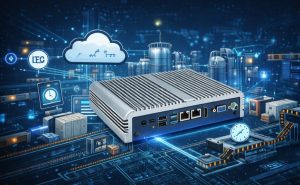
The main purpose of embedded computers in industry is to manage specific tasks that require high speed and accuracy. Embedded computers control machines, collect data, and run embedded software for industrial automation. They help factories monitor equipment in real time and make production processes more efficient.
Main Purpose of Embedded Computers
Dedicated Functions in Industry
Embedded computers serve a main purpose in industry by handling specific tasks. These specialized computing systems do not perform general tasks like regular computers. Instead, they focus on one or a few dedicated jobs, such as monitoring temperature or controlling a conveyor belt.
Factories use embedded computers to manage machines and equipment. Each embedded computer is designed for a particular function. This makes them reliable and efficient for industrial automation.
Real-Time Control and Monitoring
The main purpose of embedded computers includes real-time control and monitoring. These computers collect data from sensors and respond instantly to changes. Real-time performance is important in industrial automation because delays can cause problems or even accidents.
Embedded computers process information quickly. They send commands to machines without waiting. This ensures that production lines and equipment stay safe and efficient.
Many factories use embedded computers for real-time control. They help monitor systems and make quick decisions. This is a key part of industrial automation.
Process Automation
Process automation is another main purpose of embedded computers. These computers help automate repetitive tasks in factories. They reduce the need for human workers in dangerous or boring jobs.
Embedded computers can control robots, manage assembly lines, and check product quality. They make sure each step happens at the right time. This leads to faster and more accurate production.
Industrial automation depends on embedded computers. They connect with other computers and even IoT devices to share information. Embedded technology helps factories become smarter and more connected.
What Are Industrial Embedded Systems
Embedded vs. General-Purpose Computers
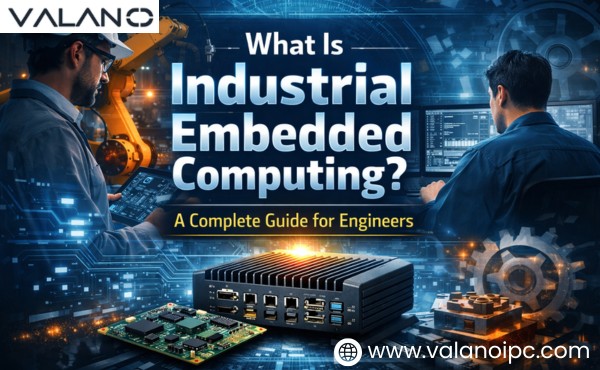
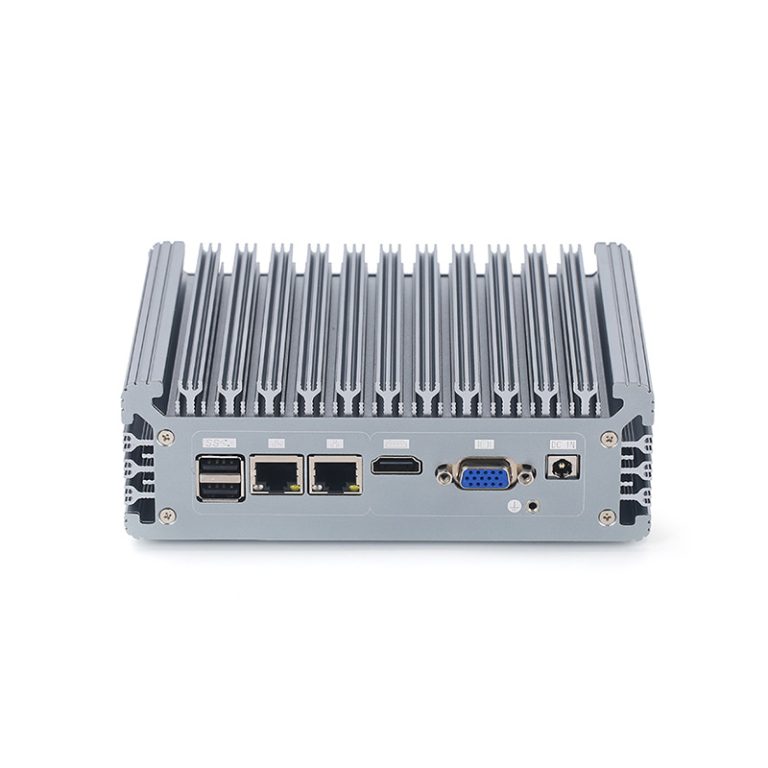
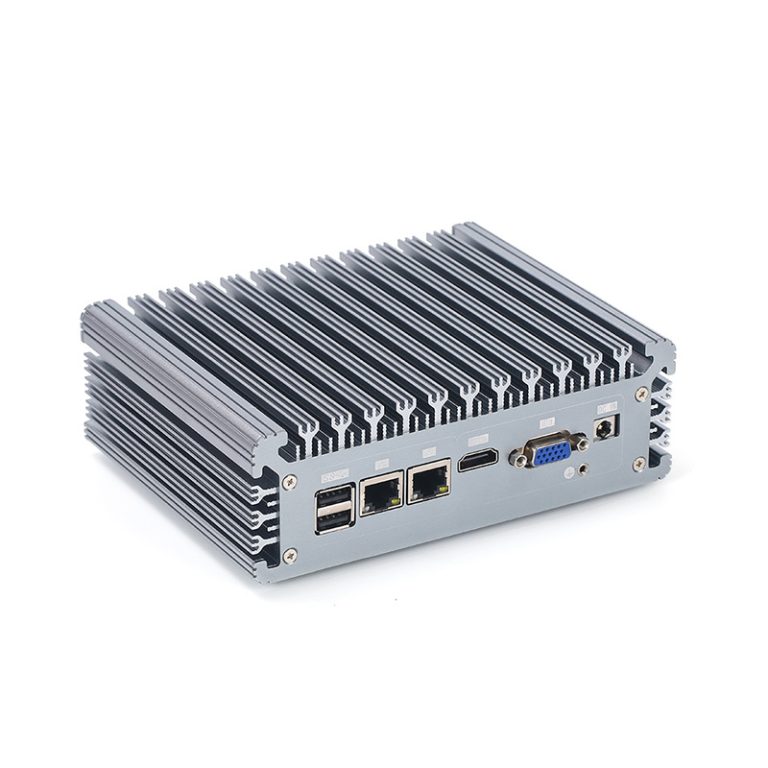
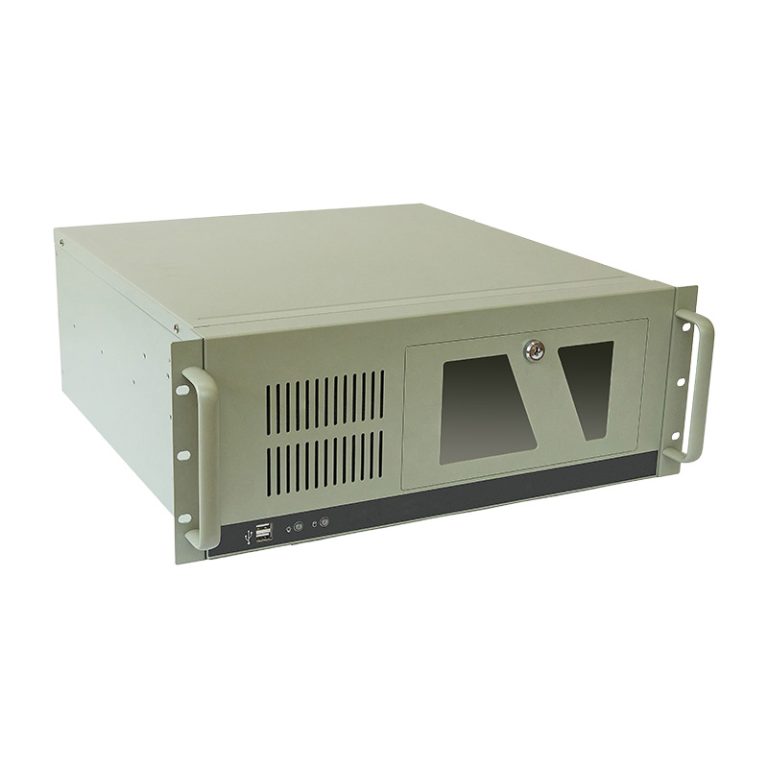
Industrial embedded systems are computers designed for specific tasks in industrial environments. These systems differ from general-purpose computers, which can run many types of software and handle a wide range of tasks. An industrial embedded computer usually performs one main function, such as controlling a machine or monitoring a process.
General-purpose computers, like desktops or laptops, have flexible hardware and software. They can be used for browsing the internet, creating documents, or playing games. In contrast, industrial embedded systems focus on reliability and stability for a single job.
The main difference is that industrial embedded systems are built for a purpose. They do not need extra features that are common in general computers. This makes them more efficient and dependable in industrial settings.
Key Features of Industrial Embedded Systems
Industrial embedded systems have several important features that set them apart. These features help them meet the demands of industrial work.
- Rugged Design: Many industrial embedded systems have strong cases and parts. They can handle vibration, heat, and moisture.
- Long Lifespan: These systems often run for years without needing replacement. Their parts are chosen for durability.
- Real-Time Operation: Industrial embedded systems respond quickly to changes. They process sensor data and send commands with little delay.
- Low Power Use: Many systems use less energy than regular computers. This helps save costs in large factories.
- Compact Size: Industrial embedded systems are often small. They fit inside machines or control panels.
| Feature | Benefit |
|---|---|
| Rugged Design | Works in tough environments |
| Long Lifespan | Reduces maintenance needs |
| Real-Time Operation | Improves process control |
| Low Power Use | Saves energy |
| Compact Size | Fits in limited spaces |
Industrial embedded systems play a key role in modern factories. They help automate tasks, improve safety, and boost efficiency. An industrial embedded computer can connect with sensors, robots, and other devices to keep everything running smoothly.
Industrial embedded systems are essential for many industries. They support automation, control, and monitoring in ways that general-purpose computers cannot match.
Core Functions in Industry
Process Control
Industrial embedded systems play a major role in process control. These systems help factories manage machines and equipment with high accuracy. They keep production lines running smoothly and safely.
Sensor Data Collection
Industrial embedded systems collect data from many sensors. These sensors measure temperature, pressure, and speed. The data helps workers understand what is happening inside machines.
Real-time data collection is important for machine monitoring. It allows quick responses to changes in the environment. This process supports industrial automation and keeps machines working at their best.
Machine Commands
Industrial embedded systems send commands to machines based on sensor data. This is called machine control. The systems can start or stop motors, adjust speeds, or change directions.
Machine control helps factories achieve better automation. It also improves safety by stopping machines if something goes wrong. Industrial embedded computer systems make these commands quickly and accurately.
Monitoring Systems
Monitoring systems are another core function of industrial embedded systems. These systems watch over machines and processes all the time. They check for problems and alert workers if something is wrong.
Machine monitoring uses real-time data to track performance. It helps factories find issues before they become serious. This leads to fewer accidents and less wasted material.
Industrial embedded systems support machine monitoring in many industries. They help with industrial automation and improve overall efficiency.
| Monitoring Task | Benefit |
|---|---|
| Temperature checks | Prevents overheating |
| Vibration analysis | Detects early machine faults |
| Speed monitoring | Ensures safe operation |
Robotics Management
Robotics management is a key part of industrial automation. Industrial embedded systems control robots in manufacturing and other fields. These systems guide robots to perform tasks like welding, painting, or assembly.
Robots need real-time instructions to work correctly. Industrial embedded systems provide these commands and monitor robot actions. This makes production faster and more reliable.
Embedded technology helps connect robots with other machines. It allows for better communication and teamwork on the factory floor. Industrial embedded systems make robotics management possible in modern industry.
Benefits of Embedded Computers
Efficiency Gains
Industrial embedded systems help factories reach high efficiency. These computers complete tasks faster than people can. They also reduce mistakes in production.
Many factories use industrial embedded systems to control machines and collect data. This leads to better use of resources and less waste. High efficiency is one of the key advantages of embedded computers in industry.
Reliability and Stability
Reliability is a top reason why industries choose industrial embedded systems. These systems work for long periods without stopping. They can handle harsh conditions like heat, dust, and vibration.
Industrial embedded systems have simple designs. This makes them less likely to break down. Reliability means fewer repairs and less downtime for factories.
A table below shows how reliability helps in industry:
| Benefit of Reliability | Impact on Industry |
|---|---|
| Fewer breakdowns | Less lost production time |
| Stable performance | Consistent product quality |
| Long service life | Lower maintenance costs |
Reliability also means that industrial embedded systems can keep working during power changes or network problems. Factories trust these computers to keep machines running safely. Reliability is important for automation and process control.
Adaptability
Industrial embedded systems show great adaptability. They can be programmed for many different jobs. This makes them useful in many types of industrial settings.
Factories can update industrial embedded systems when processes change. These computers can connect with new machines or sensors. Adaptability helps industries keep up with new technology and market needs.
Adaptability also means that industrial embedded systems can work with other computers and devices. This helps factories grow and improve over time. Industrial embedded systems make it easier to add new features without replacing all equipment.
Industrial embedded systems offer many benefits. They provide efficiency gains, reliability, and adaptability. These features help industries stay competitive and safe.
Applications Across Industries
Manufacturing
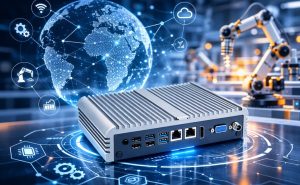
Manufacturing uses embedded computers to control machines and monitor production lines. These systems help with manufacturing automation by making sure each step happens at the right time. They collect data from sensors and adjust equipment to keep quality high.
Factories use embedded technology to track materials and manage robots. This leads to fewer mistakes and less waste. Many companies connect their systems with iot devices to improve efficiency.
Manufacturing also benefits from iot networks. These networks let machines share information and work together. This teamwork makes the whole process faster and safer.
Energy and Utilities
The energy and utilities sector depends on embedded systems for safe and reliable operations. Power plants use these computers to monitor equipment and control energy flow. They collect data from sensors to check for problems like overheating or leaks.
Water treatment plants use embedded technology to manage pumps and valves. This helps keep water clean and safe for people. Iot devices can send alerts if something goes wrong, so workers can act quickly.
A table below shows how embedded systems help in energy and utilities:
| Application | Benefit |
|---|---|
| Power grid control | Prevents blackouts |
| Water management | Ensures clean supply |
| Equipment checks | Reduces breakdowns |
Transportation
Transportation systems use embedded computers to keep vehicles and passengers safe. Trains and buses rely on these systems for real-time tracking and control. Embedded technology helps manage traffic lights and signals to reduce accidents.
Many vehicles use iot to connect with other systems. This allows for better route planning and faster response to problems. Embedded computers also help monitor engine health and fuel use.
Transportation networks become more efficient with embedded and iot solutions. These technologies help cities handle more traffic and keep people moving safely.
Healthcare
Embedded computers play a vital role in the healthcare industry. Hospitals and clinics use these systems to improve patient care and safety. Many medical devices rely on embedded technology to work properly.
Patient monitoring is one of the main uses of embedded computers in healthcare. These systems collect data from sensors attached to patients. They track heart rate, blood pressure, and oxygen levels in real time.
Doctors and nurses use this information to make quick decisions. Embedded computers can alert staff if a patient’s condition changes suddenly. This helps save lives and reduces the risk of medical errors.
Medical imaging equipment also depends on embedded systems. Machines like X-ray and ultrasound devices use embedded computers to process images. These systems make it easier for doctors to diagnose illnesses.
Embedded computers help automate laboratory tests. Devices can analyze blood samples and report results without human help. This speeds up the testing process and reduces mistakes.
Healthcare facilities use embedded systems to control equipment like infusion pumps and ventilators. These computers make sure that machines deliver the right amount of medicine or air. They also monitor the equipment for any problems.
A table below shows some common uses of embedded computers in healthcare:
| Application | Benefit |
|---|---|
| Patient monitoring | Improves safety |
| Medical imaging | Faster, accurate diagnosis |
| Lab automation | Quicker test results |
| Equipment control | Reliable operation |
Embedded computers support telemedicine as well. They help connect patients with doctors through video calls and remote monitoring. This makes healthcare more accessible, especially in remote areas.
Many hospitals use embedded systems to manage electronic health records. These computers store and organize patient information securely. Staff can access records quickly when needed.
Embedded computers also help with hospital automation. They control lighting, temperature, and security systems. This creates a safer and more comfortable environment for patients and staff.
Healthcare continues to benefit from advances in embedded technology. These systems make medical care faster, safer, and more efficient. As technology improves, embedded computers will play an even bigger role in healthcare.
Future Trends in Embedded Industry
IoT Integration
The future of the embedded industry will focus on connecting more machines and systems. IoT integration allows factories to link sensors, controllers, and other equipment. This connection helps companies collect data and make better decisions.
Many factories use iot devices to monitor machines and track products. These devices send information to embedded computers for fast processing. Integration with iot ecosystems makes it easier to control and automate processes.
AI and Machine Learning
Artificial intelligence is changing how embedded systems work. AI and machine learning help computers learn from data and improve over time. These technologies allow machines to spot problems before they happen.
Embedded computers can use AI to predict when a machine needs maintenance. This helps prevent breakdowns and saves money. Machine learning also helps with quality control by finding defects in products.
A table below shows how AI and machine learning help in industry:
| Application | Benefit |
|---|---|
| Predictive maintenance | Fewer breakdowns |
| Quality control | Better product quality |
| Process optimization | Lower costs |
Sustainability
Sustainability is becoming more important in industry. Companies want to use less energy and produce less waste. Embedded systems help by making machines run more efficiently.
Many factories use embedded technology to monitor energy use. This helps them find ways to save power and reduce pollution. Some systems can even turn off machines when they are not needed.
The future will bring more smart solutions for green manufacturing pooled with embedded technology. These trends will shape how industries operate for years to come.
- Embedded computers manage tasks that require speed and accuracy in industry.
- These computers improve automation, control, and monitoring in factories.
- They help industries achieve efficiency, reliability, and adaptability.
Conclusion
In modern industrial environments, Embedded Computers play a critical role in enabling automation, precise control, and reliable data processing within machines and systems. Their compact design, dedicated functionality, and long-term stability make them ideal for manufacturing, transportation, energy, and other demanding applications. By improving efficiency, safety, and operational consistency, embedded computing technology remains a foundational component of today’s industrial infrastructure.