Skip to content
Understanding the differences between Embedded vs Fanless Industrial Computers is crucial for selecting the right system for demanding industrial environments. Choosing the appropriate design impacts performance, reliability, and maintenance needs, helping businesses optimize operations and reduce downtime. This article breaks down the key distinctions, applications, and benefits of each type, providing a clear guide to making informed industrial computing decisions.
What Are Embedded Industrial Computers
Key Features of Embedded Computers
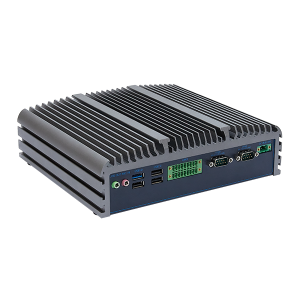
Embedded industrial computers are designed to perform specific tasks in industrial settings. These computers often have a compact size and a rugged build. They can operate in places where regular computers might fail.
Most embedded computers use low power and generate less heat. This makes them suitable for continuous operation. Many embedded devices have long lifespans and require little maintenance.
Cooling Methods in Embedded Industrial Computers
Cooling is important for embedded industrial computers. Some embedded computers use fans to move air and keep components cool. Others use passive cooling, which means they do not have moving parts.
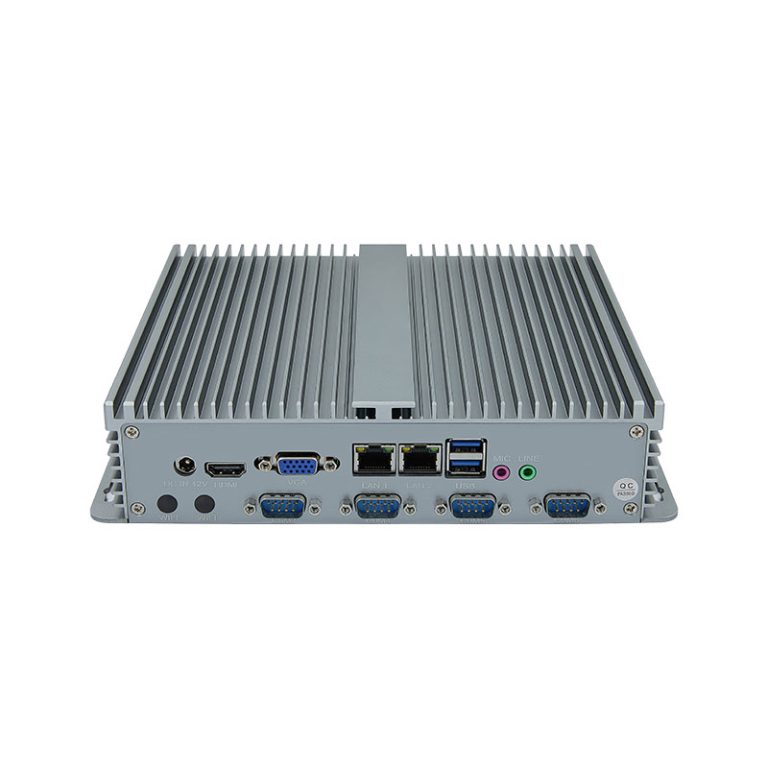
Passive cooling relies on heat sinks and metal cases to draw heat away. This method works well in dusty or dirty environments. Fanless embedded designs reduce the risk of dust buildup and mechanical failure.
A table below shows common cooling methods:
| Cooling Method | Description | Best For |
|---|---|---|
| Fan-based | Uses fans to move air | High-performance tasks |
| Passive (fanless) | Uses heat sinks and metal cases | Harsh environments |
Use Cases for Embedded Computers
Embedded industrial computers are used in many industries. They control machines in factories, monitor sensors, and manage data collection. These computers also power kiosks, digital signs, and transportation systems.
An embedded system can work in extreme temperatures or vibrations. This makes embedded computers ideal for oil and gas, manufacturing, and transportation. Their reliability and flexibility help keep operations running smoothly.
What Are Fanless Industrial Computers
Passive Cooling in Fanless Industrial Computers
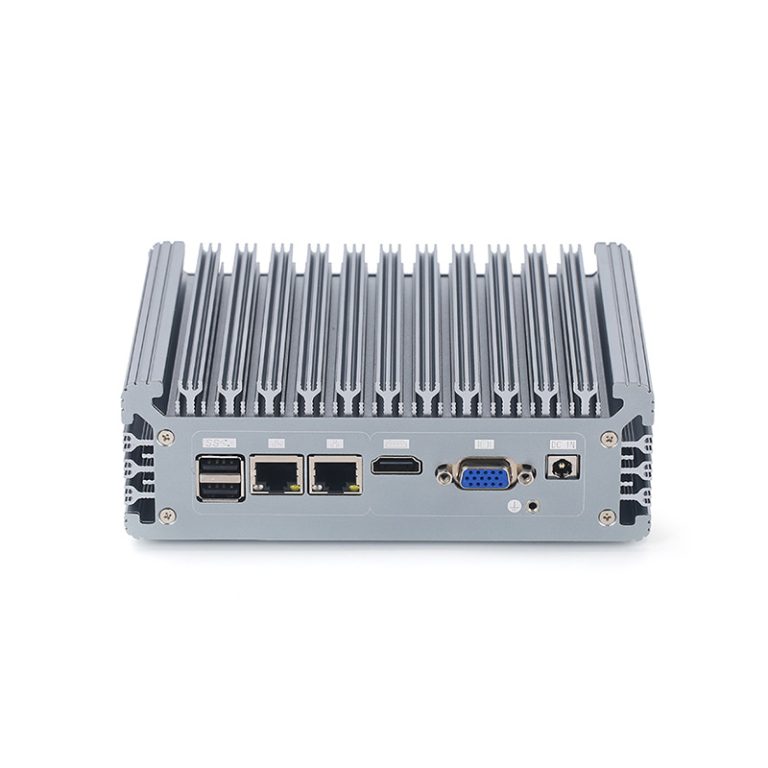
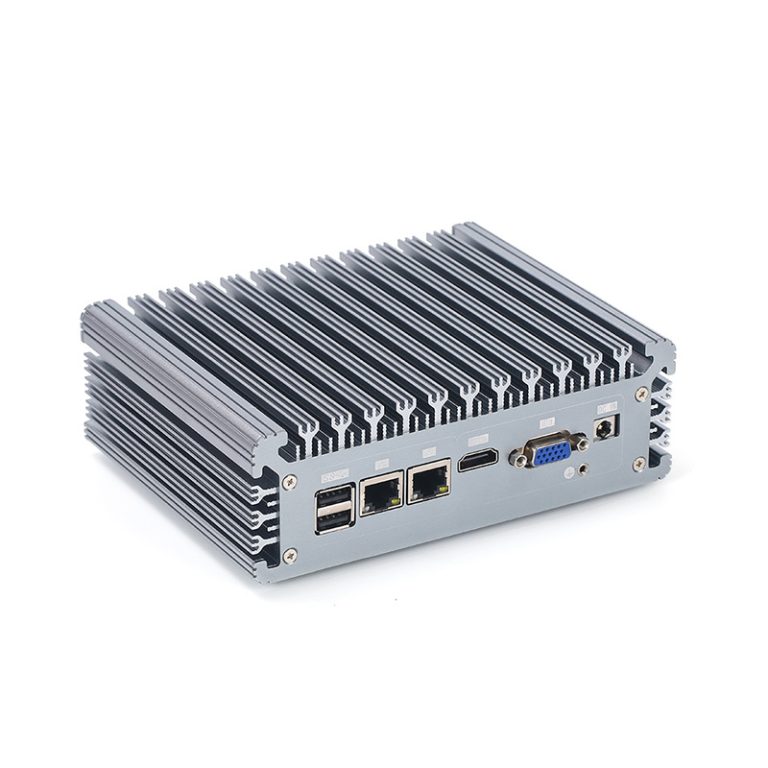
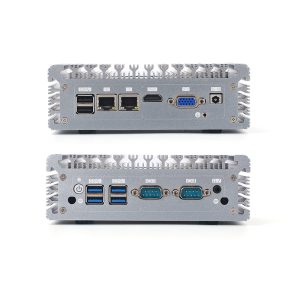
Fanless industrial computers use passive cooling to manage heat. These systems do not have fans or moving parts. Instead, they rely on heat sinks and metal cases to draw heat away from the internal components.
Passive cooling helps prevent dust and debris from entering the computer. This design reduces the risk of overheating in harsh environments. Many factories and outdoor locations prefer this method because it keeps the system clean and reliable.
Reliability and Durability
Fanless industrial computers are built for tough conditions. They can handle extreme temperatures, shock, and vibration. The lack of moving parts means fewer chances for mechanical failure.
These computers often last longer than systems with fans. They require less maintenance because there are no fans to replace or clean. This makes fanless industrial computers a smart choice for remote or hard-to-reach locations.
A table below shows key durability features:
| Feature | Benefit |
|---|---|
| No moving parts | Fewer breakdowns |
| Sealed enclosure | Protection from dust and dirt |
| Wide temperature range | Works in hot or cold areas |
Applications of Fanless Industrial Computers
Fanless industrial computers work well in many industries. They are used in transportation, energy, and manufacturing. These computers control machines, monitor sensors, and collect data.
Many outdoor kiosks and digital signs use fanless industrial computers. They also power systems in oil fields and mining sites. Their strong design helps them perform in places where regular computers might fail.
Embedded vs Fanless: Main Differences
Design and Form Factor
Embedded computers come in many shapes and sizes. Some have small, compact cases for tight spaces. Others have larger cases to fit more ports or features.
Fanless industrial computers often use a sealed, rugged design. This helps protect them from dust and moisture. Many fanless models use thick metal cases to help with cooling.
Not all embedded computers are fanless. Some use fans for cooling, which can make the case larger or require vents. The choice of design depends on the application and environment.
Cooling and Heat Management
Cooling is a key difference between these two types. Embedded computers may use fans or passive cooling. Fanless computers always use passive cooling.
Passive cooling uses heat sinks and metal cases to move heat away from parts. This method works well in dirty or dusty places. Fans can move more air but may pull in dust or fail over time.
Fanless designs avoid moving parts, which means less risk of dust buildup. This makes them a good choice for harsh environments. Embedded computers with fans may need more cleaning and care.
Reliability and Maintenance
Reliability matters in industrial settings. Fanless computers have no moving parts, so they break down less often. This means less maintenance and fewer repairs.
Embedded computers with fans may need regular cleaning. Fans can wear out and need replacement. Dust and dirt can cause fans to fail, leading to overheating.
Fanless computers often last longer in tough conditions. Their sealed cases keep out dust and moisture. This helps them run smoothly for many years.
Performance and Cost
Performance can vary between models. Some embedded computers focus on low power use and basic tasks. Others offer high performance for demanding jobs.
Fanless computers often use energy-efficient parts to reduce heat. This can limit their speed compared to some fan-cooled models. However, many fanless designs still handle most industrial tasks well.
Cost depends on features and design. Embedded computers with fans may cost less at first. Fanless computers may cost more but save money on maintenance and repairs.
| Feature | Embedded Computers (with fans) | Fanless Industrial Computers |
|---|---|---|
| Cooling | Fan-based or passive | Passive only |
| Maintenance | May need cleaning/repairs | Low maintenance |
| Performance | Can be higher | Often energy-efficient |
| Cost | Lower upfront | Higher upfront, lower long-term |
Environmental Suitability
The environment plays a big role in choosing the right computer. Fanless computers work best in places with dust, dirt, or vibration. Their sealed cases and passive cooling keep them safe.
Embedded computers with fans may suit cleaner, controlled spaces. They can offer more power but need more care. In harsh environments, fans can fail and cause problems.
Many industries choose fanless computers for outdoor use, factories, or vehicles. Embedded computers with fans may fit offices or labs. The right choice depends on the job and location.
Choosing Between Embedded and Fanless Industrial Computers
Assessing Application Needs
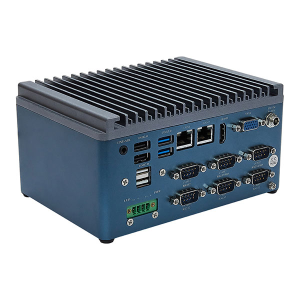
Start by thinking about what the computer must do. Some jobs need high processing power, while others only need simple control tasks. Embedded computers can handle both, but the right choice depends on the task.
If the system must run 24/7 or control machines, reliability is key. Embedded computers often work well in these roles. Make a list of all the functions the computer must perform.
Environmental and Operational Factors
The environment affects how long a computer will last. Dust, moisture, and vibration can damage moving parts. Fanless designs use passive cooling, which helps in dirty or rough places.
Embedded computers with fans may suit clean rooms or offices. In factories or outdoors, fanless embedded computers often last longer. Always check the temperature and dust ratings for each model.
Maintenance and Support
Maintenance needs can change your decision. Embedded computers with fans may need cleaning or repairs. Dust can clog fans and cause overheating.
Fanless embedded computers have fewer moving parts. This means less maintenance and fewer breakdowns. For sites that are hard to reach, fanless designs save time and money.
Budget Considerations
Cost matters for every project. Embedded computers with fans often cost less at first. Fanless embedded computers may cost more but save money over time.
Think about repair costs and downtime. Spending more on a fanless embedded computer can mean fewer repairs and longer life. Make sure to balance upfront price with long-term value.
Conclusion
Choosing between Embedded vs Fanless Industrial Computers ultimately depends on application needs, environmental conditions, and long-term maintenance considerations. Fanless designs offer superior reliability in harsh, dusty, or vibration-prone settings, while embedded systems with fans can deliver higher performance in controlled environments. By understanding these differences, businesses can select the most suitable industrial computer to optimize efficiency, reduce downtime, and ensure consistent, long-term operational performance.