In modern manufacturing, precision and efficiency are more important than ever. Industrial computers have become essential tools that manage complex operations on the factory floor. They not only control machines but also collect and process data in real time, helping manufacturers reduce errors and downtime. This article explores the key roles these computers play and why they have become indispensable in today’s industrial environments.

What Is an Industrial Computer?
Key Features
An industrial computer stands out because it can handle tough environments. It keeps working even when dust, heat, or vibration are present. The key features include strong hardware, long life, and stable performance. Many factories use an industrial pc to control machines and collect data.
Here are some key points for selecting an industrial computer:
- Durability: The industrial pc resists shock and extreme temperatures.
- Expandability: Users can add extra ports or cards to the ipc.
- Reliability: The industrial computer runs 24/7 with little downtime.
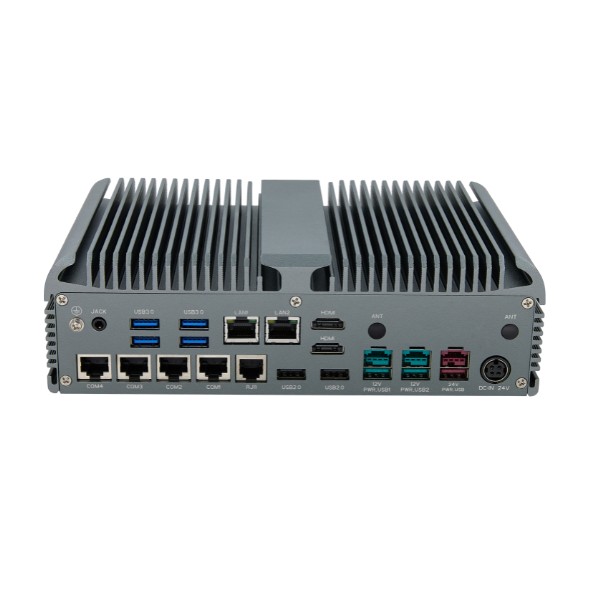
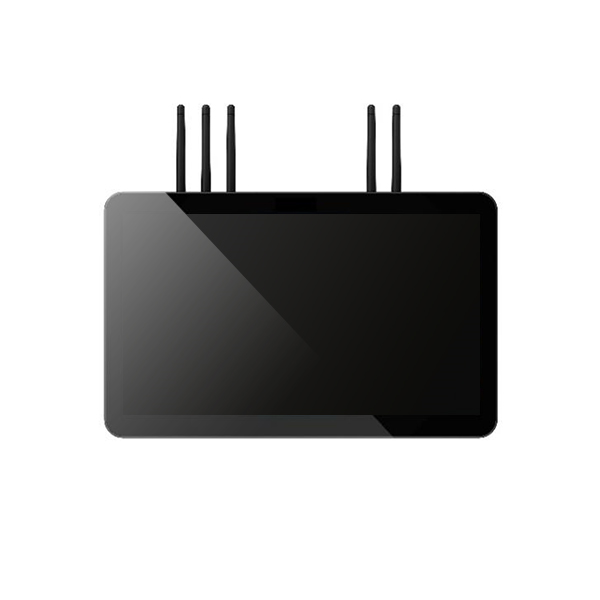
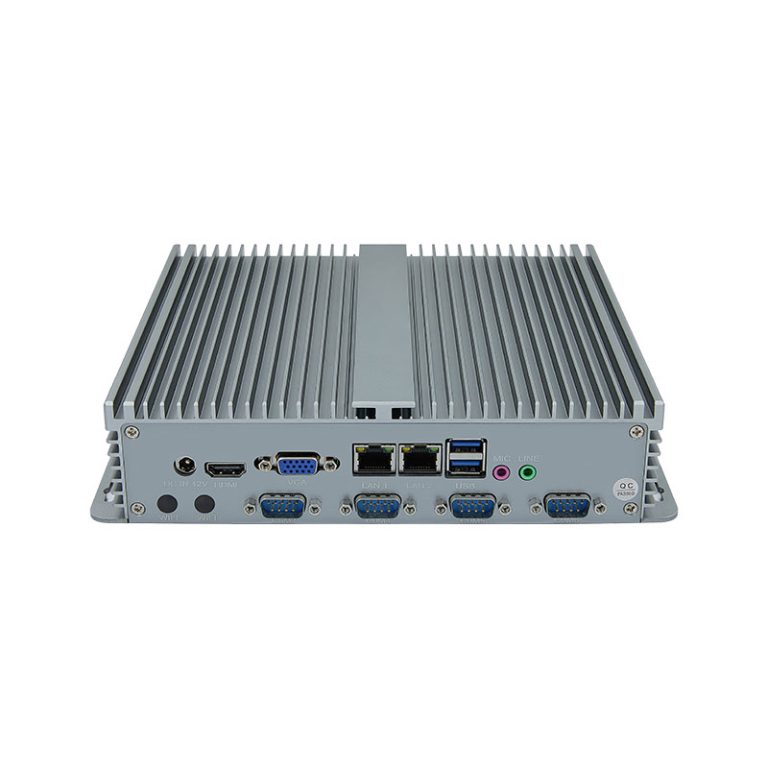
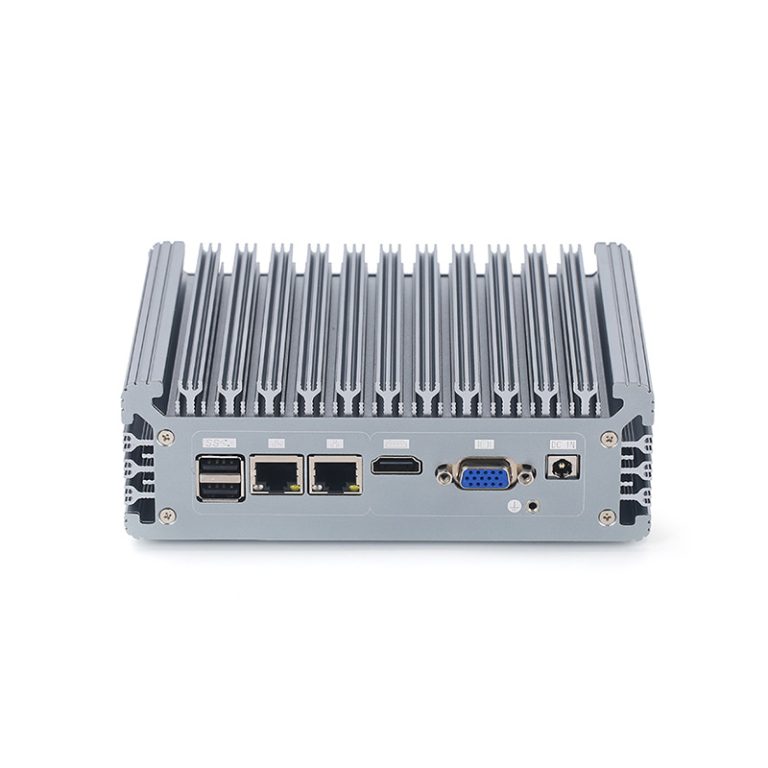
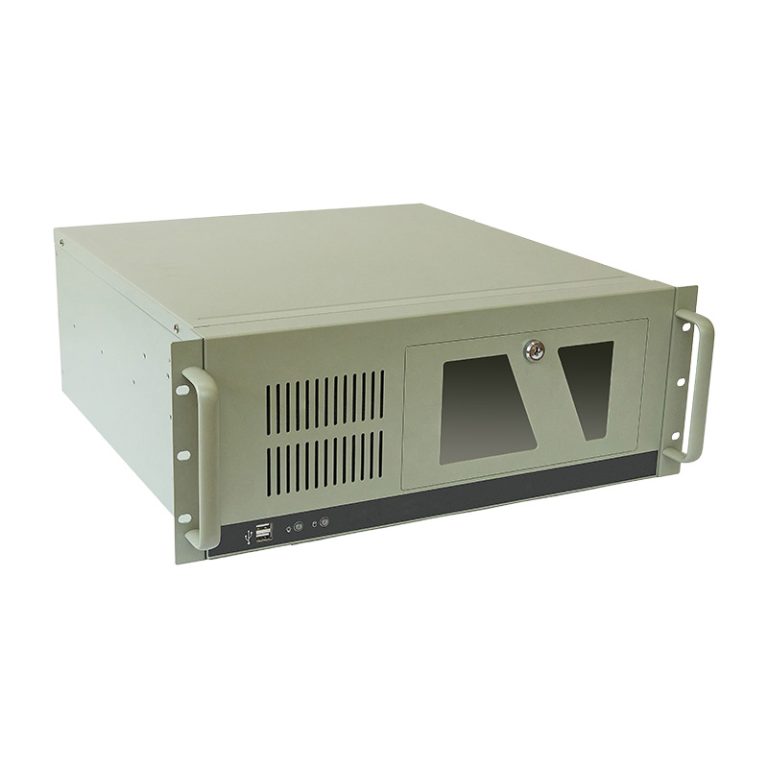
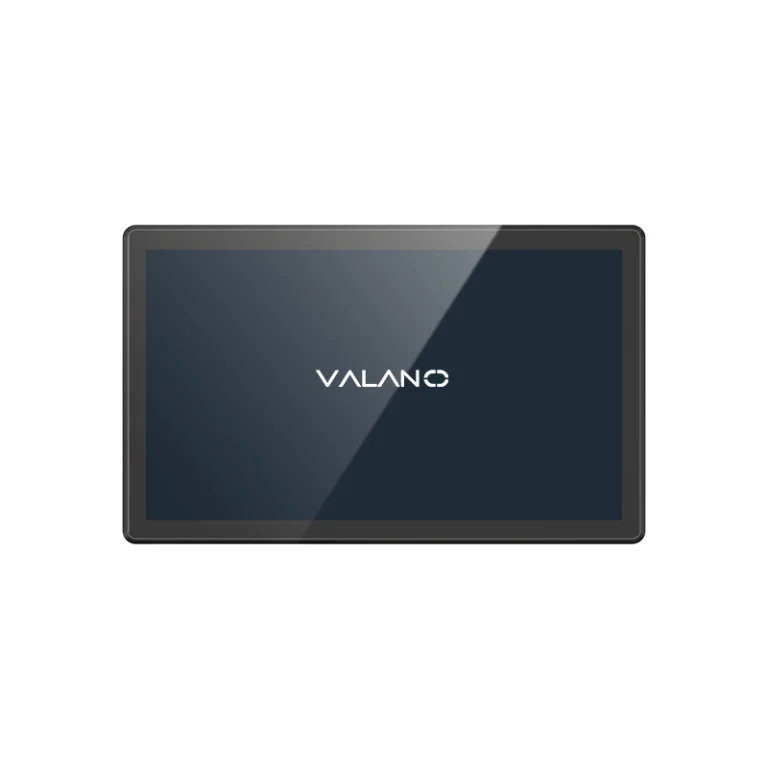
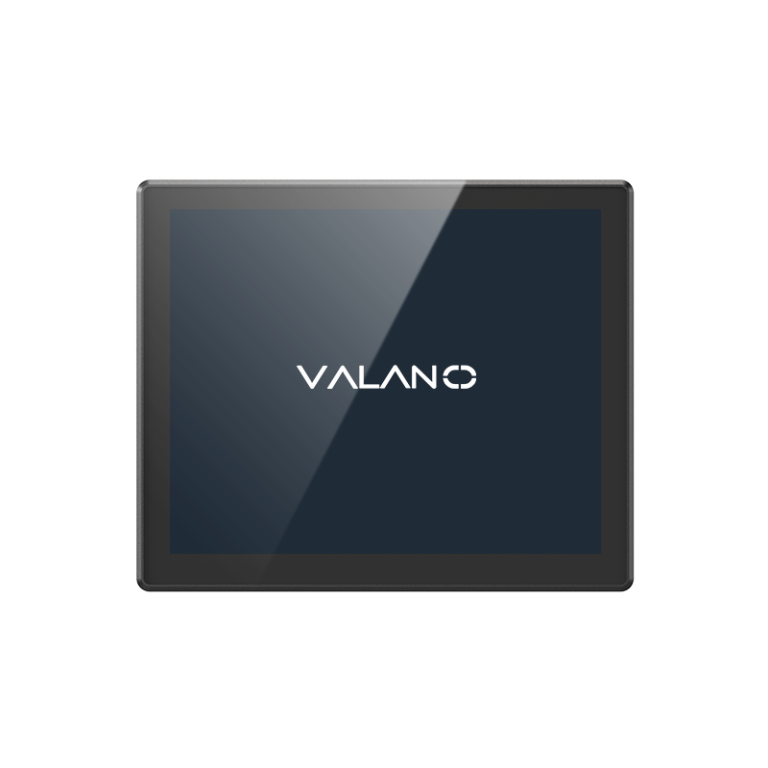
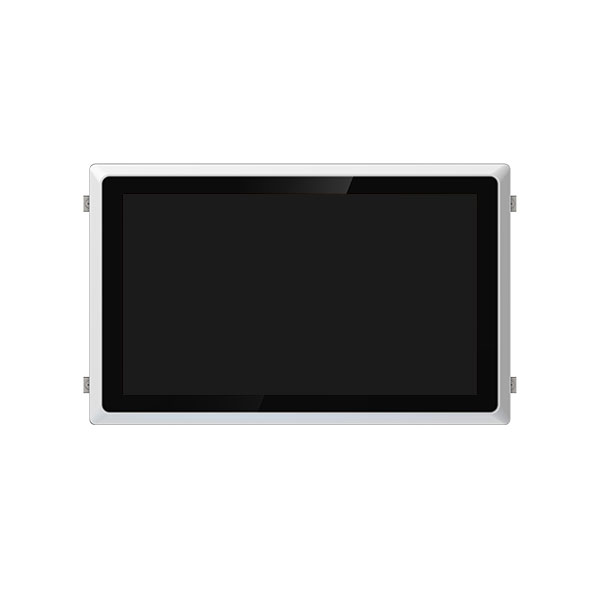
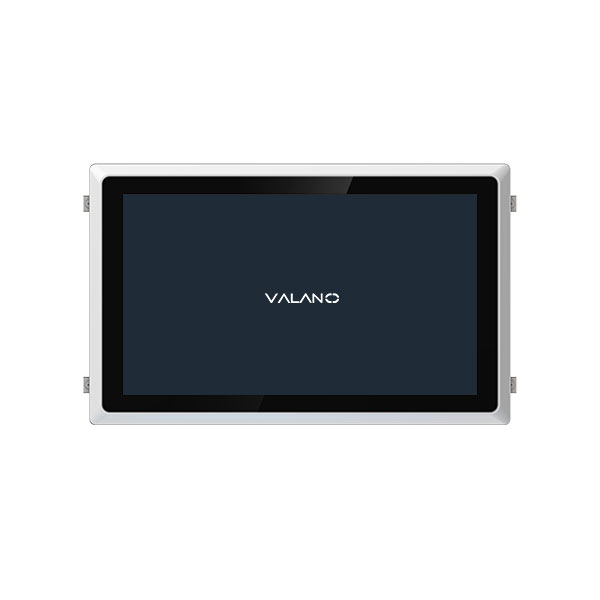
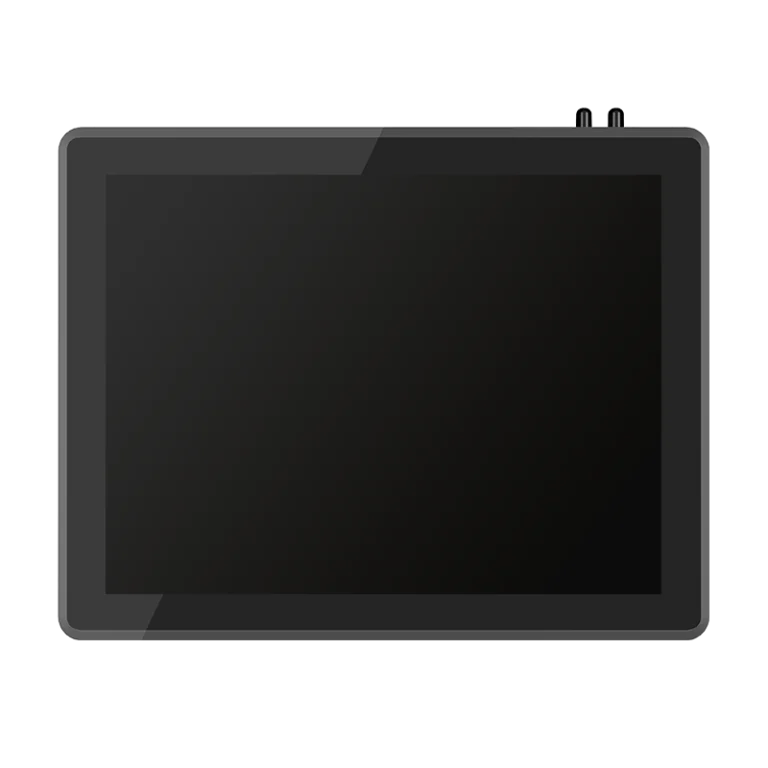
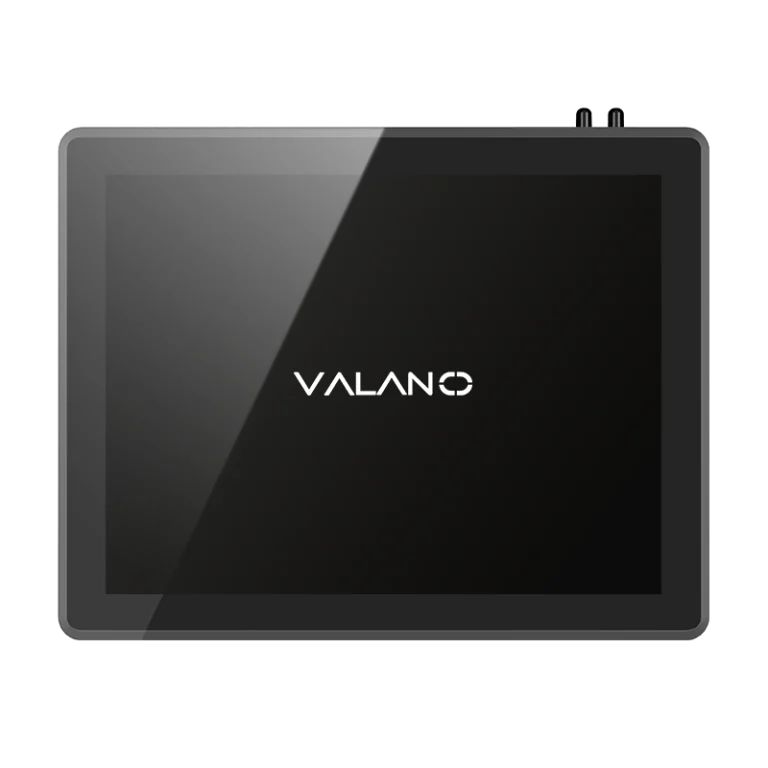
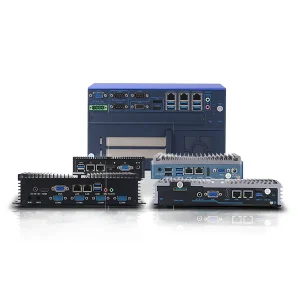
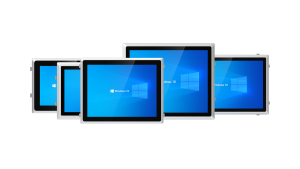
The types of industrial computers include panel pcs, rackmount pcs, and box pcs. Each type fits different needs on the factory floor. Selecting industrial computers depends on the tasks and the environment.
Note: The availability of industrial pcs ensures that factories can always find the right model for their needs.
Industrial PC vs. Standard PC
A standard pc works well in an office. An industrial pc works best in a factory. The table below shows the main differences:
| Feature | Industrial PC | Standard PC |
|---|---|---|
| Durability | High | Low |
| Environmental Tolerance | Strong | Weak |
| Expandability | Flexible | Limited |
| Lifespan | Long | Short |
| Maintenance | Minimal | Frequent |
The ipc connects with sensors and machines. It supports real-time control and data management. Key points for selecting an industrial pc include checking for rugged design and easy integration. When choosing between a standard pc and an industrial pc, users should consider the demands of the manufacturing process.
Core Functions of Industrial Computers
Industrial computers perform several critical functions in manufacturing. These functions help factories achieve higher efficiency and reliability. They connect with industrial equipment and manage complex tasks with precision.
Automation Control
Industrial computers play a key role in automation. They control machines and coordinate tasks on the production line. Many factories use an industrial pc to automate repetitive jobs. This reduces human error and increases speed. Industrial computers also connect with sensors and actuators to manage industrial equipment. They help in controlling the entire system, making sure each part works together. Automation improves safety and lowers costs for manufacturers.
Tip: Automation with industrial computers allows factories to adjust quickly to changes in demand.
Real-Time Monitoring
Monitoring important parameters is essential in modern manufacturing. Industrial computers track temperature, pressure, and other data from industrial equipment. They provide real-time updates to operators. This helps detect problems early and prevents downtime. Remote monitoring systems use industrial computers to watch over equipment from a distance. These systems alert staff if something goes wrong. Industrial computers ensure that factories can respond fast to any issue.
- Real-time monitoring supports predictive maintenance.
- Operators can make better decisions with accurate data.
Data Acquisition and Management
Industrial computers collect and store large amounts of data from industrial equipment. They organize this data for easy access and analysis. Process control systems rely on this information to keep production running smoothly. Industrial computers help manage data for quality control and reporting. They support industrial automation by sharing data with other systems. Good data management leads to better planning and improved products.
Note: Data from industrial computers can reveal trends and help prevent future problems.
Industrial computers perform these functions by working with sensors, actuators, and industrial networks. They form the backbone of industrial automation and process control. Their ability to handle tough tasks makes them vital for modern factories.
Industrial Computer Design and Reliability
Rugged Construction
Industrial pc models feature rugged construction for maximum protection. Engineers design each industrial pc to withstand harsh industrial conditions. The strong casing offers protection against impacts and vibration, which helps maintain high reliability.
Rugged construction increases the availability of industrial pc units on the factory floor.
Many industrial equipment systems rely on this protection to keep working without interruption.
Manufacturers choose industrial pc devices for their protection and reliability.
Environmental Resistance
Industrial pc units must operate in challenging industrial environment settings. Environmental resistance is a key factor in their design.
Protection against dust, moisture, and extreme temperatures ensures the availability of industrial pc systems.
- Industrial equipment often faces environmental hazards.
- Protection features like sealed enclosures and cooling systems improve reliability.
- Environmental resistance supports the long-term availability of industrial pc solutions.
A table below shows common protection features:
| Protection Feature | Benefit |
|---|---|
| Sealed Enclosure | Blocks dust and moisture |
| Shock Absorption | Guards against vibration |
| Heat Dissipation | Maintains safe operation |
Self-Diagnostics
Industrial pc devices use self-diagnostics to monitor their own status.
These systems check for faults and alert operators to problems, which increases protection and reliability.
Self-diagnostics improve the availability of industrial equipment by reducing downtime.
Operators depend on self-diagnostics for quick protection against failures.
Industrial pc units with self-diagnostics offer high reliability and better protection for critical industrial equipment.
Applications of Industrial PCs in Manufacturing
Production Line Automation
Industrial computers play a vital role in production line automation. They control machines and manage workflows with high accuracy. Many manufacturing facilities rely on these systems to keep production moving smoothly. Operators use industrial computers to adjust settings and monitor progress. These computers can be customized to fit our needs, which increases flexibility on the factory floor.
The availability of industrial computers ensures that factories can scale up or change processes quickly.
Some common use cases for industrial computers in automation include:
- Controlling robotic arms
- Managing conveyor belts
- Synchronizing assembly tasks
Quality Assurance
Quality assurance depends on reliable data and fast response times. Industrial computers collect information from sensors and cameras during production. They analyze this data to detect defects or errors. When a problem appears, the system alerts staff right away.
This function helps maintain high product standards and reduces waste.
The availability of industrial computers allows for continuous monitoring. Factories can track every product and make sure it meets quality requirements. These functions support better decision-making and improve customer satisfaction.
Predictive Maintenance
Predictive maintenance uses data to prevent equipment failures. Industrial computers gather information from machines and look for warning signs. They can predict when a part might fail and schedule repairs before problems occur.
This approach increases the availability of equipment and reduces downtime.
Some use cases for industrial computers in predictive maintenance include:
- Monitoring vibration and temperature
- Tracking machine hours
- Sending alerts for maintenance needs
Industrial computers provide protection for sensitive equipment by catching issues early. Their functions help factories save money and keep operations running smoothly.
Conclusion
Industrial computers form the backbone of modern manufacturing by combining durability with advanced control capabilities. Their ability to automate processes, monitor equipment, and manage data ensures smoother operations and higher productivity. As industries continue to evolve, investing in reliable industrial computer systems is critical for staying competitive and meeting production demands efficiently.
FAQ
1.What is the role of computers in industrial manufacturing?
Computers play a key role in industrial manufacturing by enabling automation, process control, and real-time data monitoring. They help improve production efficiency, reduce human error, and ensure consistent product quality in modern factories.
2. What are industrial computers used for in manufacturing?
Industrial computers are used for machine control, automation systems, production monitoring, and data collection. They are widely applied in robotics, CNC systems, and industrial IoT environments that require stable and continuous operation.
3. What is the difference between a standard PC and an industrial PC?
A standard PC is designed for office or personal use, while an industrial PC is built for harsh environments and continuous operation. Industrial PCs offer higher durability, wider temperature resistance, and better protection against dust, vibration, and moisture.