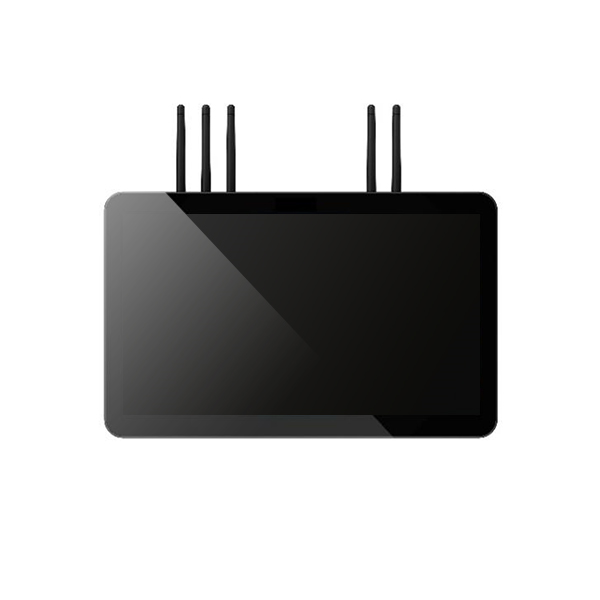
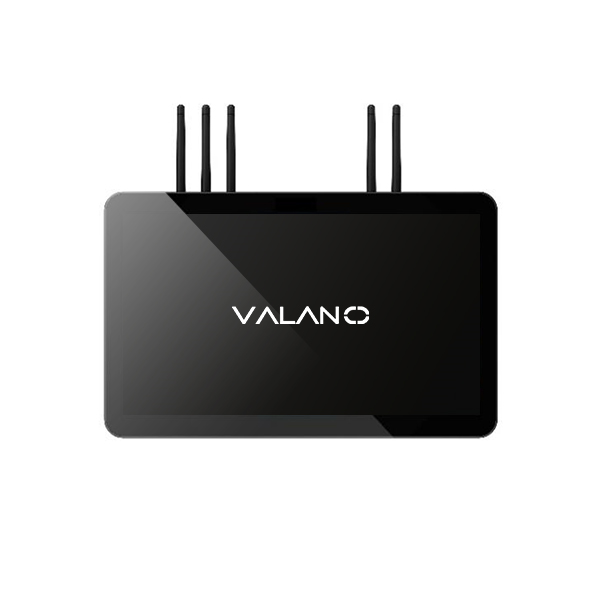
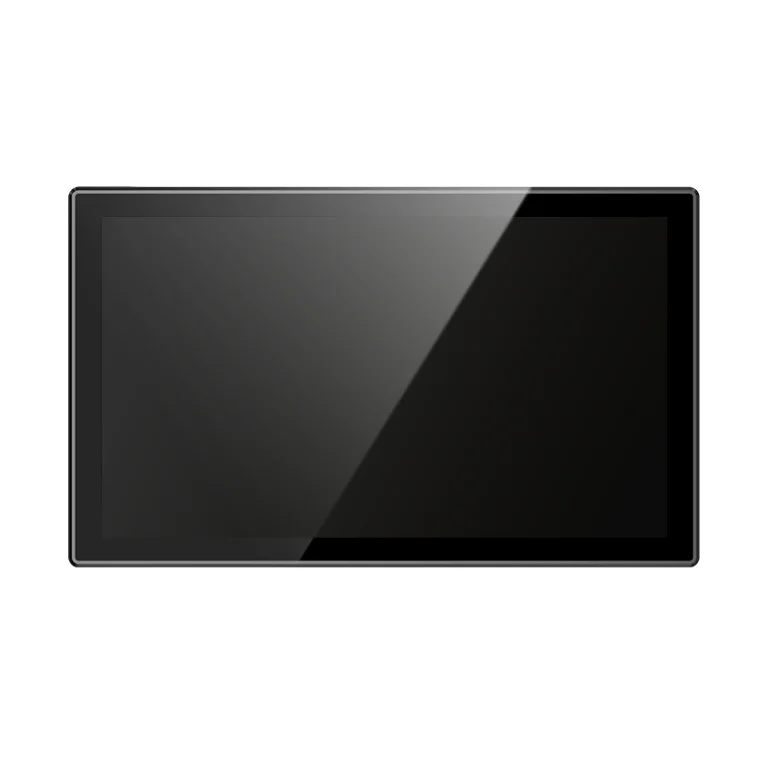
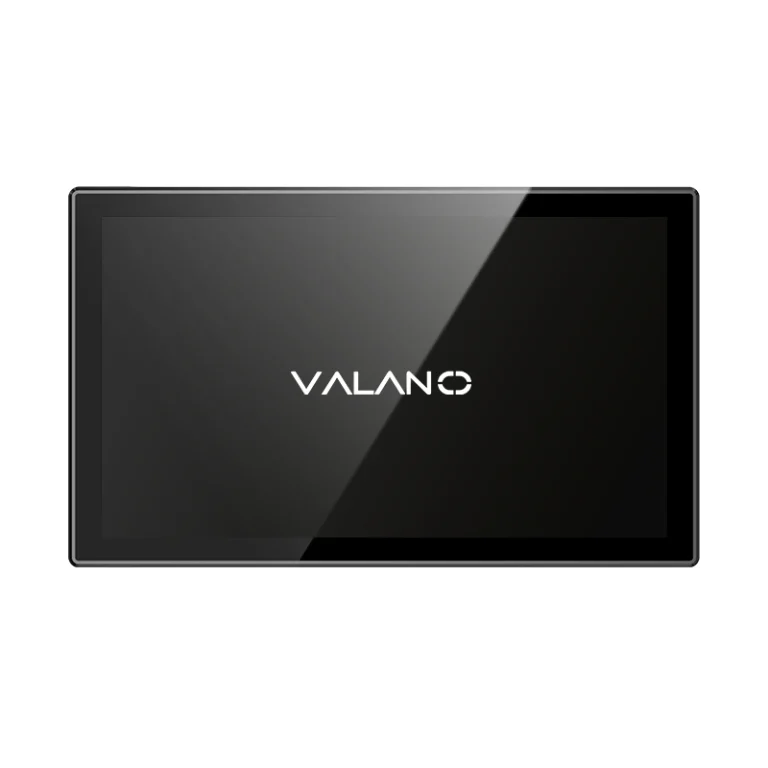
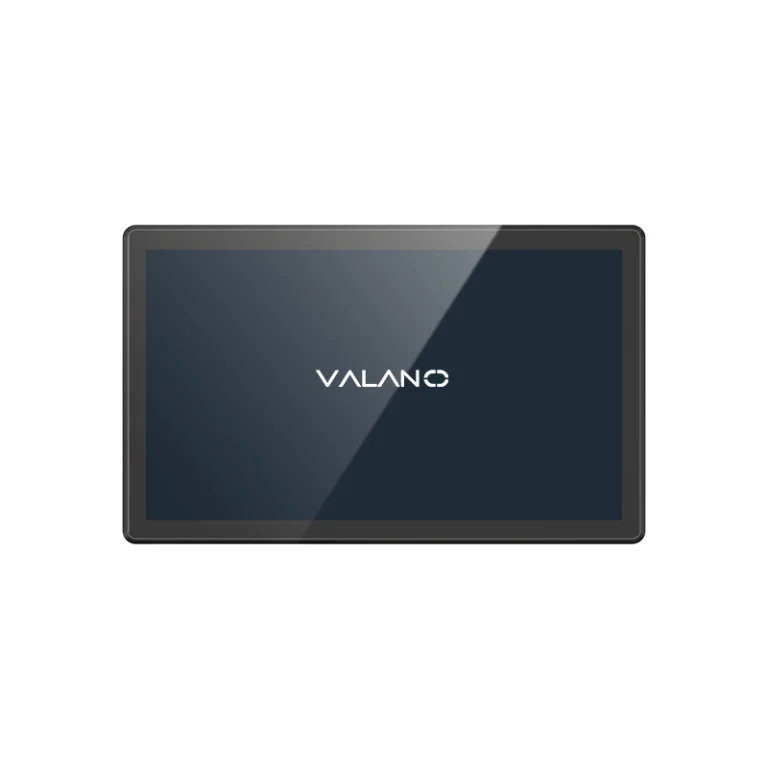
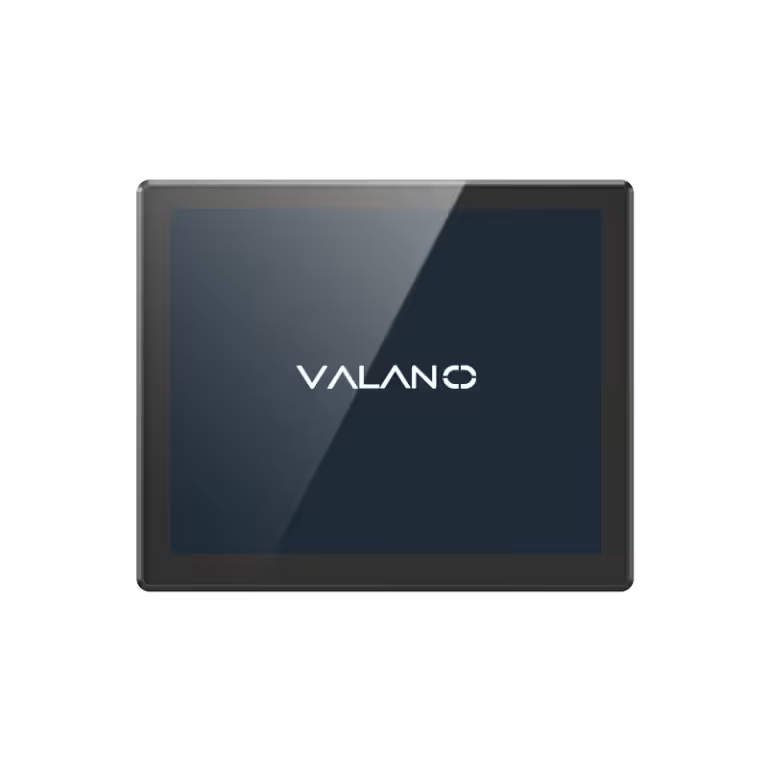
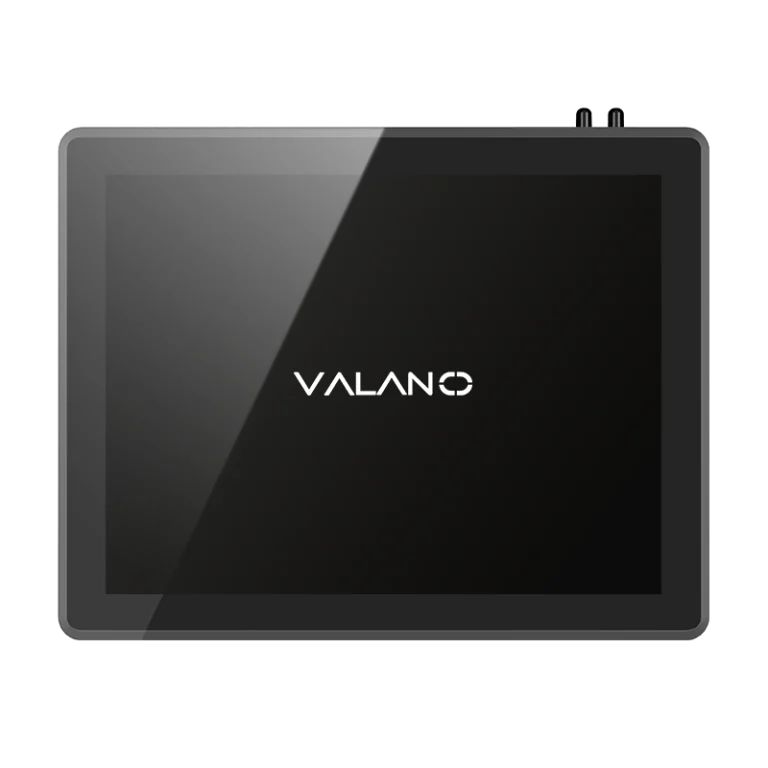
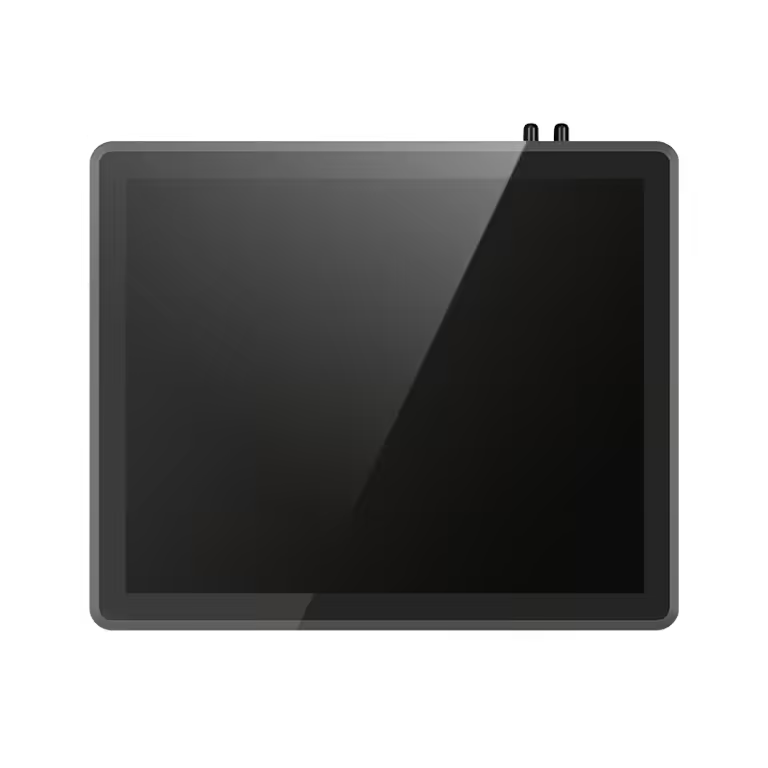
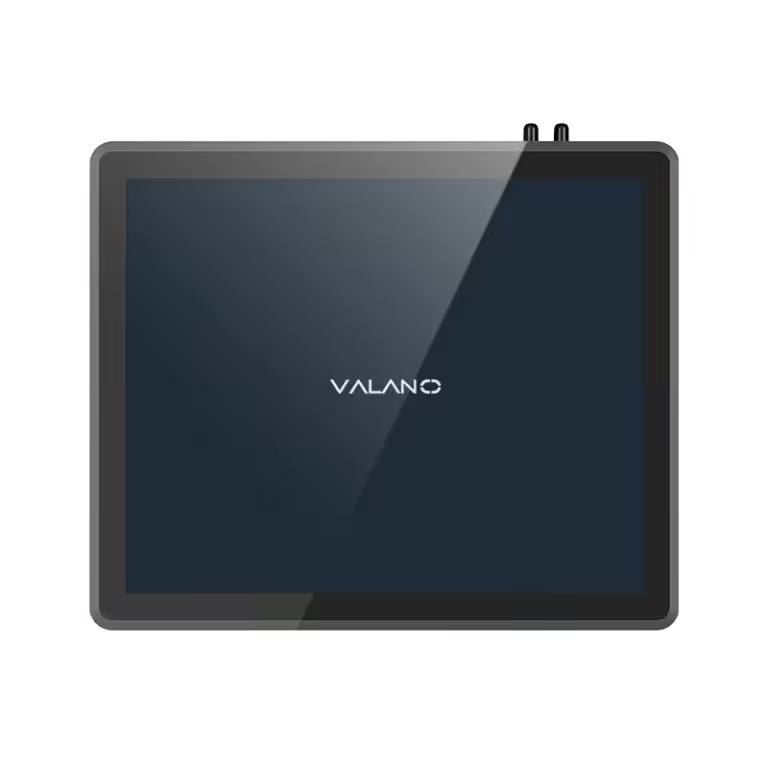
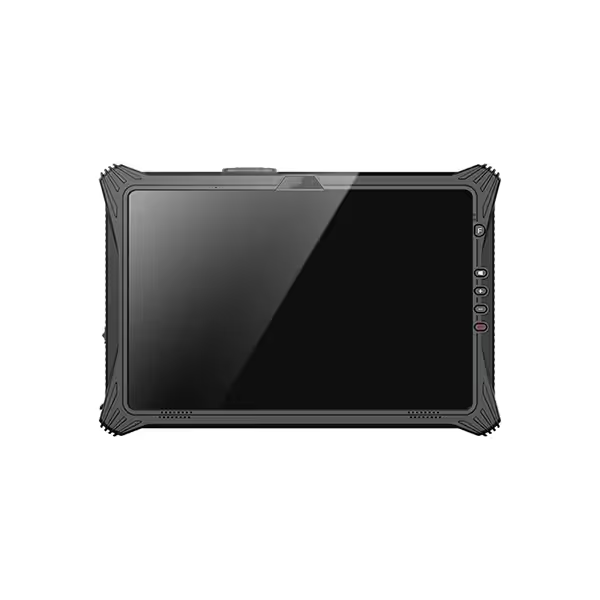
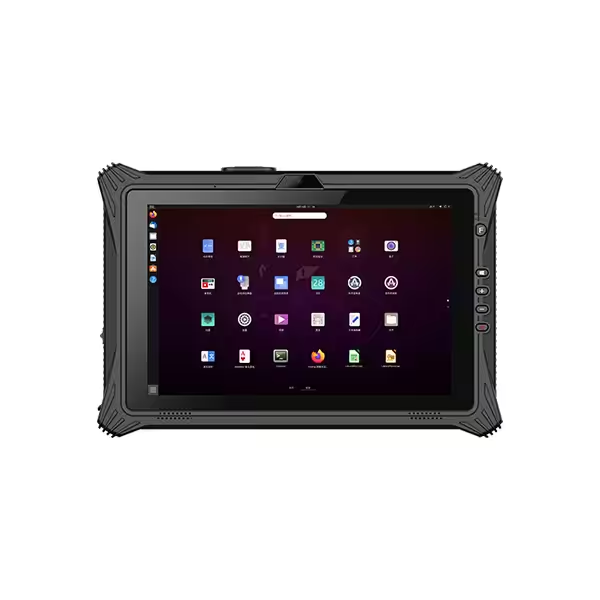
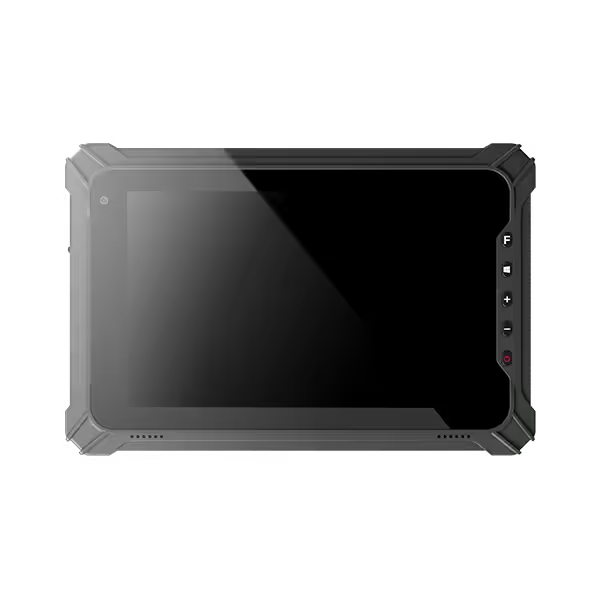
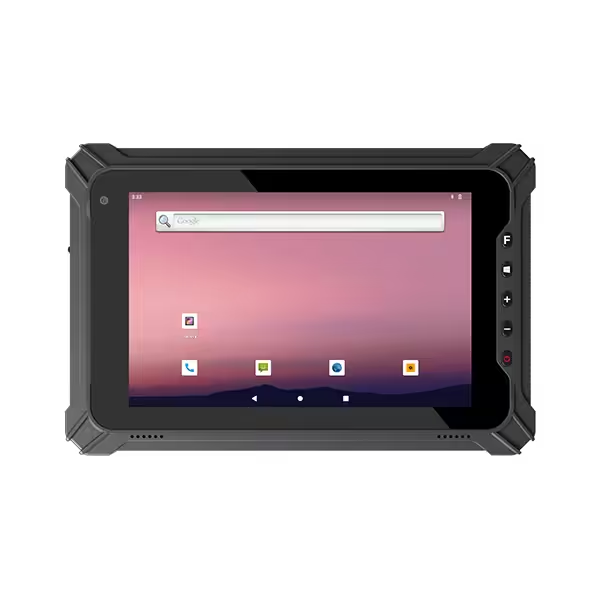
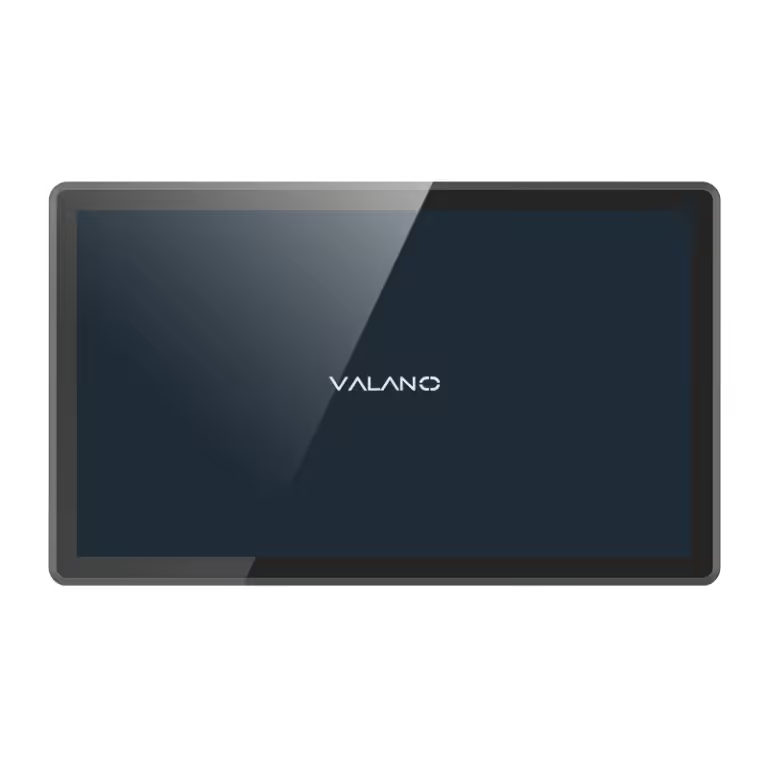
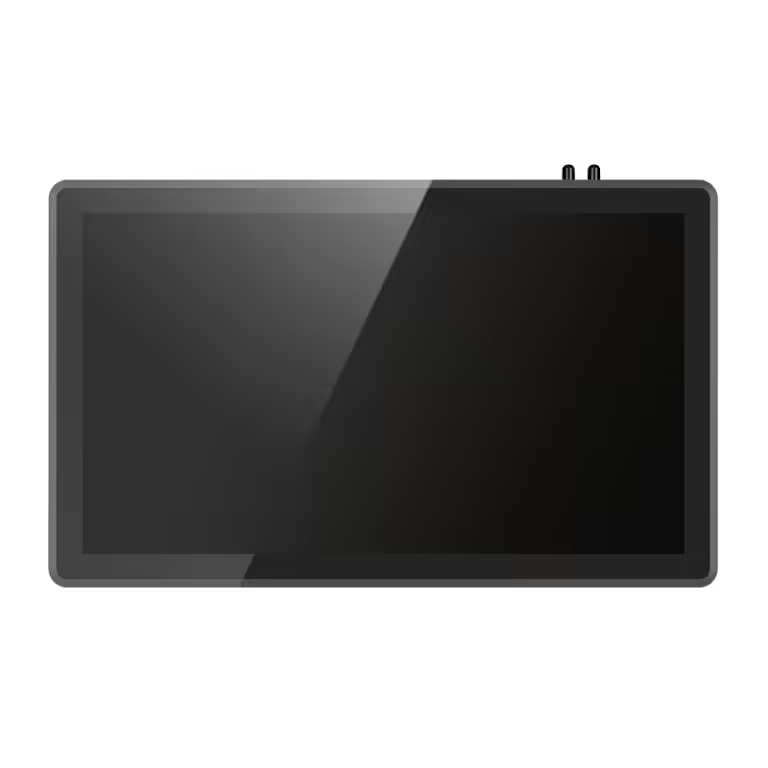
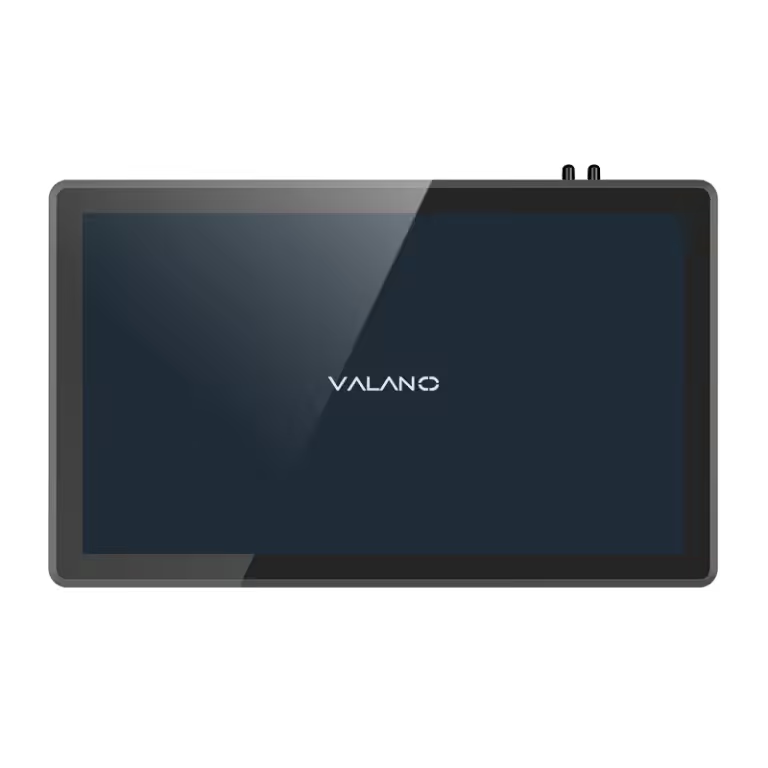
Medical Grade Industrial Panel PCs are specialized computers designed for use in healthcare settings. These devices support patient care, diagnostics, and data management in hospitals and clinics. Strict standards help ensure safety, reliability, and hygiene in environments where patient health is the top priority.
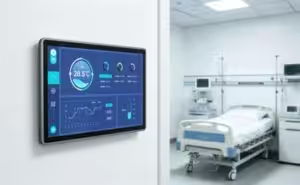
Why Medical Environments Need Specialized Panel PCs
Healthcare Demands and Safety
Healthcare settings require strict attention to safety and hygiene. In a hospital, staff must prevent infections and protect patients from harm. Specialized panel PCs help maintain these standards by supporting clean and controlled environments.
Healthcare professionals rely on accurate data and reliable equipment. A hospital cannot afford system failures during critical procedures. Panel PCs designed for healthcare use meet high safety standards and reduce risks.
Specialized panel PCs often feature antimicrobial surfaces. These surfaces help reduce the spread of germs in hospital rooms and other healthcare areas. Devices must also withstand frequent cleaning with strong disinfectants to ensure ongoing safety.
Risks of Standard Industrial Panel PCs
Standard industrial panel PCs do not meet the unique needs of a hospital. These devices may lack the certifications required for healthcare safety. Using non-medical PCs in a hospital can increase the risk of infection and equipment failure.
A hospital environment exposes equipment to fluids, dust, and constant cleaning. Standard PCs may not survive these conditions or may become unsafe for healthcare use. In healthcare, even a small failure can impact patient safety and disrupt hospital operations.
Hospitals need panel PCs that:
-
- Meet strict healthcare safety standards
- Resist contamination and damage
- Support reliable operation in all hospital areas
Healthcare facilities must choose equipment designed for their specific needs. This approach protects both patients and staff while supporting the mission of every hospital.
Medical Grade Industrial Panel PC Requirements
Certifications (EN60601-1, CE, FCC)
Medical grade industrial panel pcs must meet strict regulatory standards. These include EN60601-1, CE, and FCC certifications. These certifications show that the medical panel pc is certified for patient safety and meets regulatory compliance.
EN60601-1 is a key standard for electrical safety in medical devices. CE and FCC marks show that the device meets European and American regulatory rules. Hospitals should always check for these certifications before choosing a medical panel pc.
IP Ratings and Hygiene
Medical grade industrial panel pcs need high IP ratings. IP ratings measure how well a device resists dust and water. A high IP rating helps the medical panel pc meet sanitation compliance rules.
Hygiene is critical in healthcare. Medical-grade panel pcs must withstand frequent cleaning with strong disinfectants. This helps prevent the spread of germs and supports sanitation compliance.
Fanless Cooling and Sterility
Many medical panel pc models use fanless cooling. Fans can spread dust and germs, which is dangerous in hospitals. Fanless designs help keep the environment sterile and quiet.
Sterility is important in operating rooms and labs. Fanless medical grade industrial panel pcs reduce the risk of contamination. They also improve reliability by having fewer moving parts.
Screen Sizes and Touchscreen Types
Medical grade industrial panel pcs come in many screen sizes. Small screens fit on carts or at bedsides. Large screens work well at nurse stations or in operating rooms.
Touchscreen types include resistive and capacitive. Resistive screens work with gloves, while capacitive screens are more sensitive. The right touchscreen helps staff use the medical panel pc quickly and safely.
| Screen Size | Common Use Case |
|---|---|
| 10-15 inch | Bedside, mobile carts |
| 17-22 inch | Nurse stations, labs |
| 24+ inch | Operating rooms |
Durability and Ruggedness
A medical panel pc must be tough. It faces drops, bumps, and constant cleaning. A rugged panel pc can handle these challenges without breaking.
Durability means the device lasts longer and works reliably. Hospitals need equipment that can survive daily use. This protects the investment and ensures reliability in patient care.
Connectivity (RS232, USB, HDMI)
Medical grade industrial panel pcs need many connection options. Common ports include RS232, USB, and HDMI. These ports let the medical panel pc connect to lab equipment, monitors, and hospital networks.
Good connectivity supports data sharing and device integration. It also helps with regulatory reporting and patient monitoring. Flexible connections make the medical panel pc useful in many hospital areas.
Energy-Efficient Processors
Energy-efficient processors are important in medical panel pc design. These processors use less power and create less heat. This helps the medical panel pc run quietly and stay cool.
Low power use supports longer device life and better reliability. Energy-efficient processors also improve processing power and performance. Hospitals benefit from devices that save energy and work well all day.
Medical Panel PC Options and Customization
Flexible Mounting Solutions
Medical panel PCs offer several mounting options to fit different healthcare spaces. Wall mounts save space in crowded rooms. VESA mounts allow easy attachment to carts or arms. Some models support desk stands for use at nurse stations. These choices help staff position the device for comfort and efficiency.
A flexible mounting system also improves safety. It keeps cables organized and reduces the risk of tripping. Hospitals can move devices quickly when needs change.
Integration with Medical Equipment
Integration is a key feature of medical panel PCs. These devices connect with a wide range of medical equipment. Common examples include patient monitors, imaging devices, and barcode scanners. Integration helps staff collect and share data without delays.
Many panel PCs support multiple ports for easy integration. RS232, USB, and HDMI ports allow direct connections to hospital systems. This level of integration improves workflow and reduces manual data entry. Hospitals benefit from faster and more accurate information sharing.
Specialized Features (Antimicrobial, Hot-Swap, RFID)
Medical panel PCs often include specialized features for healthcare. Antimicrobial coatings help prevent the spread of germs. Hot-swap batteries allow staff to replace power sources without shutting down the device. This feature keeps the PC running during long shifts.
RFID readers add another layer of security and efficiency. Staff can use RFID badges to log in or track equipment. These features support infection control and improve daily operations.
| Feature | Benefit |
|---|---|
| Antimicrobial | Reduces germ transmission |
| Hot-Swap Battery | Enables continuous operation |
| RFID Reader | Enhances security and tracking |
Application Scenarios for Industrial Panel PCs in Healthcare
Nurse Stations
Nurse stations serve as the communication and coordination hub in hospitals. Medical panel PCs here must provide reliable operation to handle patient data and alerts. These devices often face hazardous locations where chemicals and cleaning agents cause corrosion. Durable designs resist corrosion and maintain performance in chemical-intensive environments. Reliable operation ensures nurses access critical information without interruption.
Bedside Terminals
Bedside terminals allow direct patient monitoring and data entry. These devices operate in hazardous locations with frequent exposure to chemicals used for sanitation. Medical panel PCs must resist corrosion caused by harsh cleaning agents. Fanless cooling helps maintain sterility and prevents dust circulation in these hazardous areas. Reliable operation is vital to support continuous patient care.
Operating Rooms
Operating rooms are highly controlled hazardous locations. Medical panel PCs here must withstand chemical-intensive environments and strict hygiene protocols. Corrosion resistance is essential due to constant exposure to disinfectants and chemicals. Devices must deliver reliable operation during critical procedures. Fanless, sealed designs reduce contamination risks in these hazardous settings.
| Feature | Importance in Operating Rooms |
|---|---|
| Corrosion Resistance | Protects against chemicals and fluids |
| Reliable Operation | Supports critical surgical tasks |
| Fanless Cooling | Maintains sterile environment |
Laboratories
Laboratories handle various chemicals and hazardous substances daily. Medical panel PCs in labs face corrosion risks from chemical spills and vapors. Devices designed for chemical-intensive environments ensure reliable operation despite these challenges. High IP ratings protect against dust and liquid ingress in hazardous locations. Corrosion-resistant surfaces extend device lifespan in labs.
Medical Carts
Medical carts provide mobility for patient care and diagnostics. Panel PCs on carts must endure hazardous locations and chemical exposure during cleaning. Corrosion resistance protects devices from damage caused by chemicals. Reliable operation is crucial as carts move through chemical-intensive environments. Flexible mounting and rugged design help maintain performance in these hazardous settings.
Selecting the Right Medical Panel PC
Environmental Factors
Medical environments present unique challenges. Temperature, humidity, and exposure to chemicals can affect device performance. Hospitals must select panel PCs that withstand these conditions and deliver 24/7 reliability.
Noise levels also matter in patient care areas. Fanless designs help maintain quiet spaces. Devices with high IP ratings resist dust and water, supporting compliance with hygiene standards.
Compliance and Integration
Compliance is essential in healthcare technology. Medical panel PCs must meet strict safety and electromagnetic standards. Devices should display certifications that prove compliance with EN60601-1, CE, and FCC requirements.
Integration with existing hospital systems is also important. Panel PCs must connect with medical equipment and software without issues. Good integration supports compliance with data security and privacy rules.
A checklist for compliance and integration:
- Confirm all required certifications
- Test compatibility with hospital networks
- Ensure support for secure data transfer
- Review maintenance and update procedures
- Check for easy integration with medical devices
Future-Proofing
Healthcare technology changes quickly. Hospitals should choose panel PCs that support future upgrades. Modular designs allow for easy hardware or software updates.
| Consideration | Why It Matters |
|---|---|
| Modular Design | Eases upgrades |
| Long-Term Support | Maintains compliance |
| Update Capability | Adapts to new requirements |
Conclusion
Medical grade industrial panel PCs play a vital role in healthcare. These devices must meet strict sanitation, chemical, and washdown standards. Hospitals should always check for full washdown protection and proper certifications. Matching the right medical panel PC to each patient care area supports better patient outcomes. Focus on sanitation, chemical resistance, and washdown durability. Evaluate medical panel PCs for compliance, hygiene, and adaptability. Review sanitation protocols, chemical exposure, and washdown needs before making a decision. Choose medical panel PCs that support patient safety and long-term reliability in every chemical and washdown environment.
Contact our team today to discuss your specific requirements. Our specialists will help you identify the ideal panel PC solution for every area of your facility — from bedside terminals to operating rooms and beyond. We offer personalized consultations, product demonstrations, and full compliance guidance to ensure your investment meets every regulatory and hygiene standard.