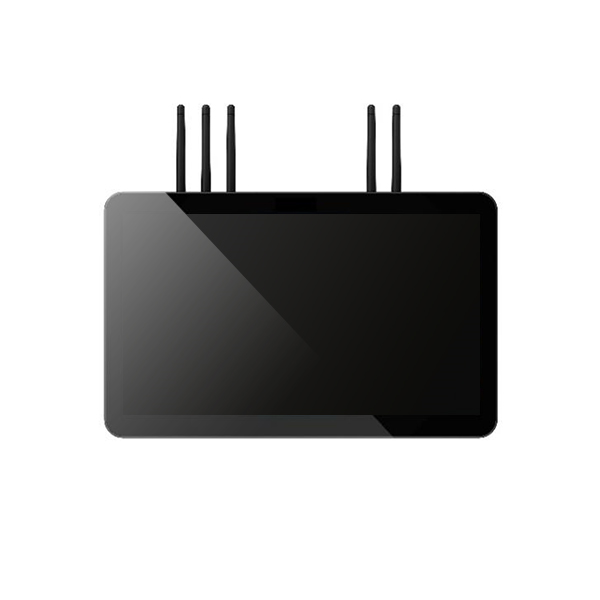
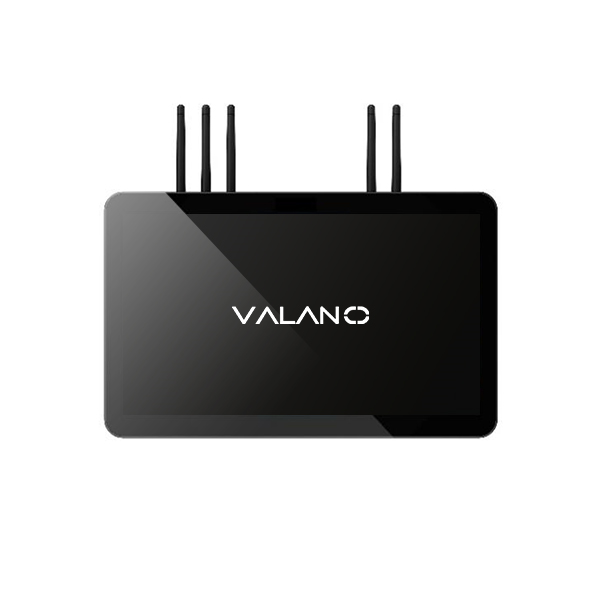
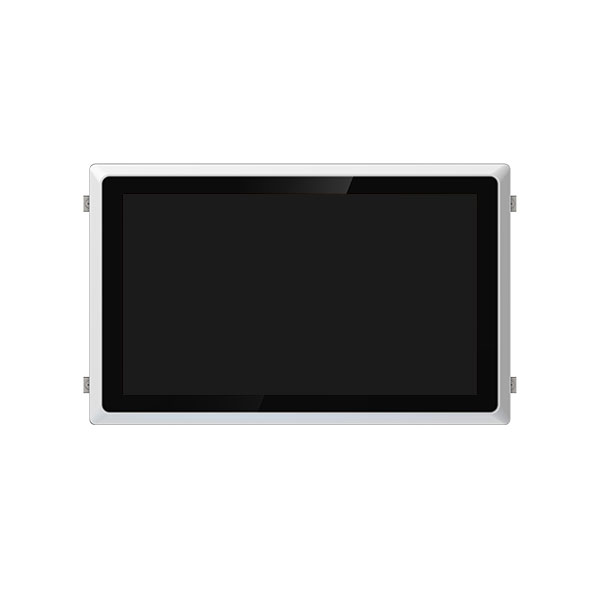
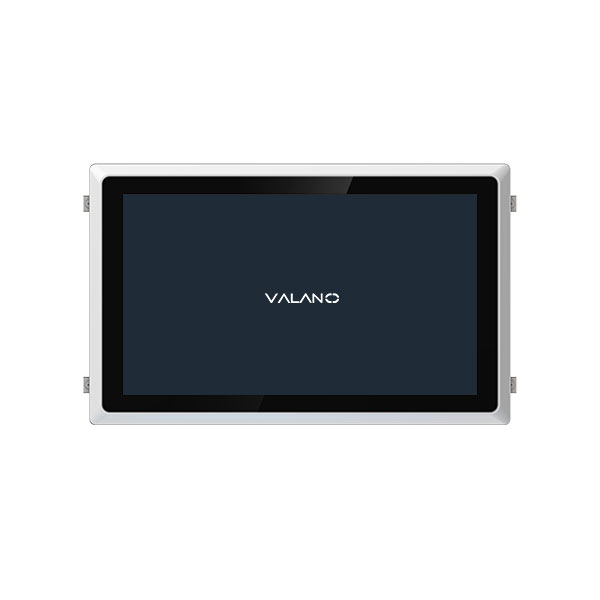
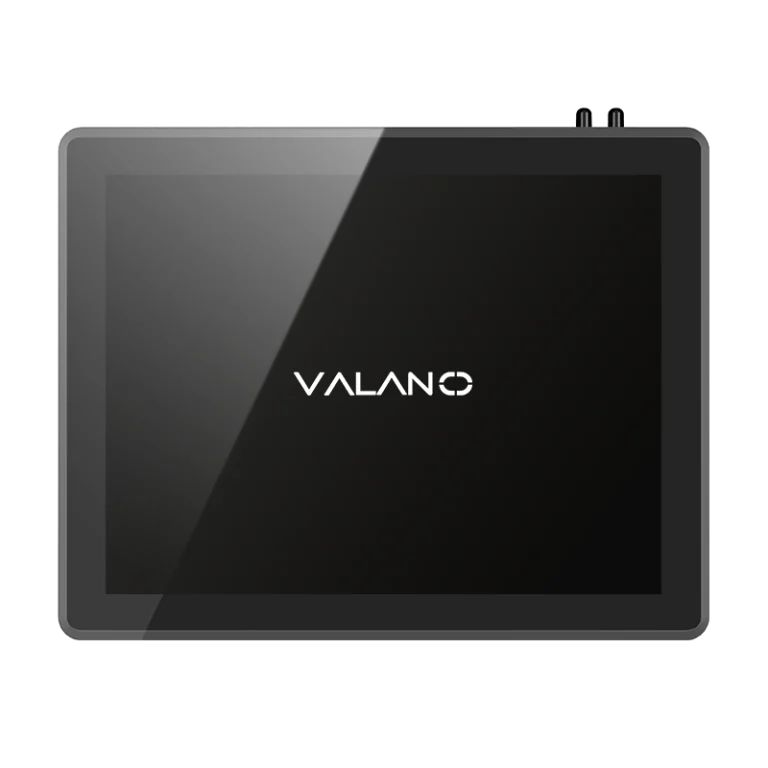
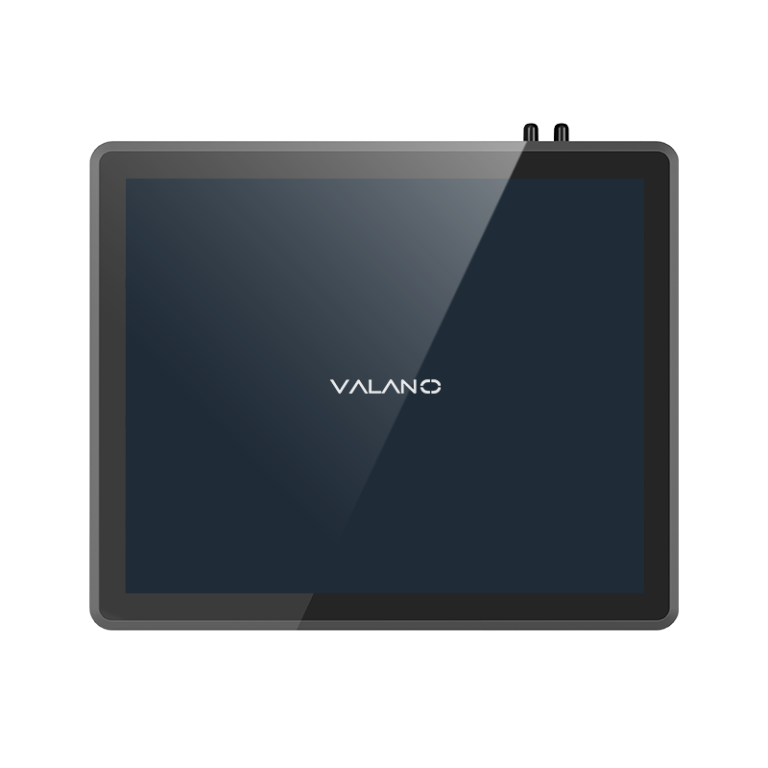
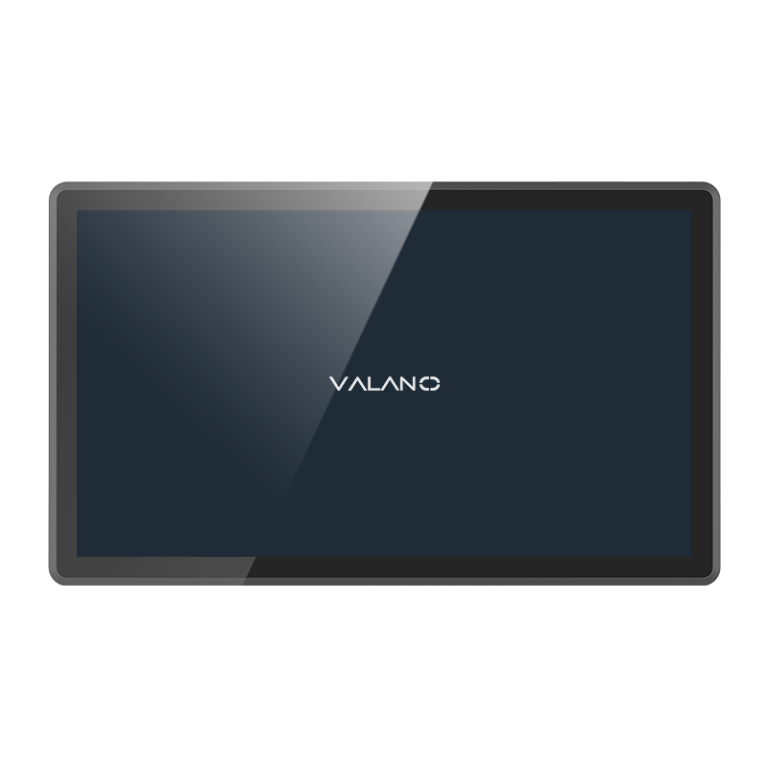
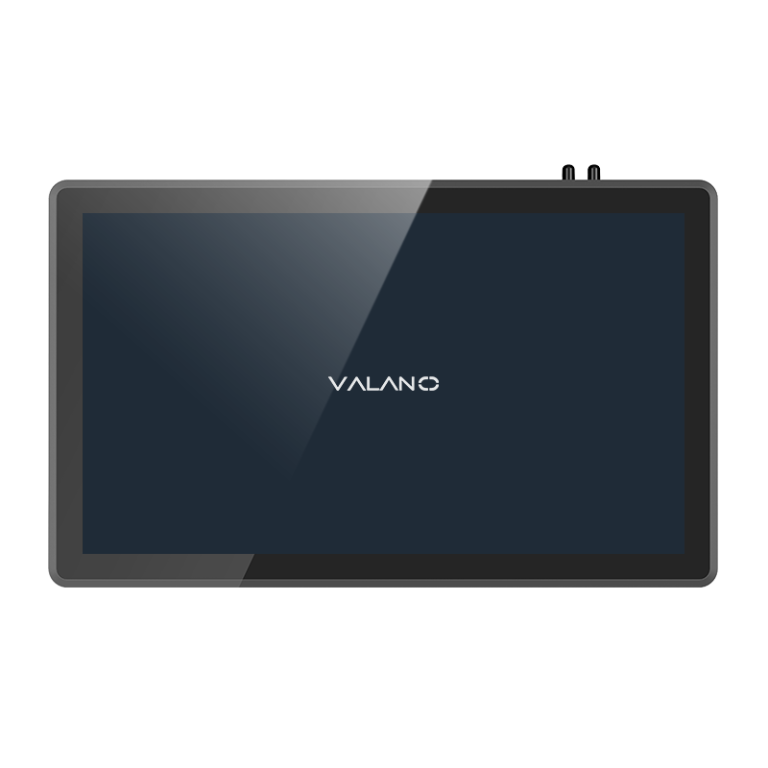
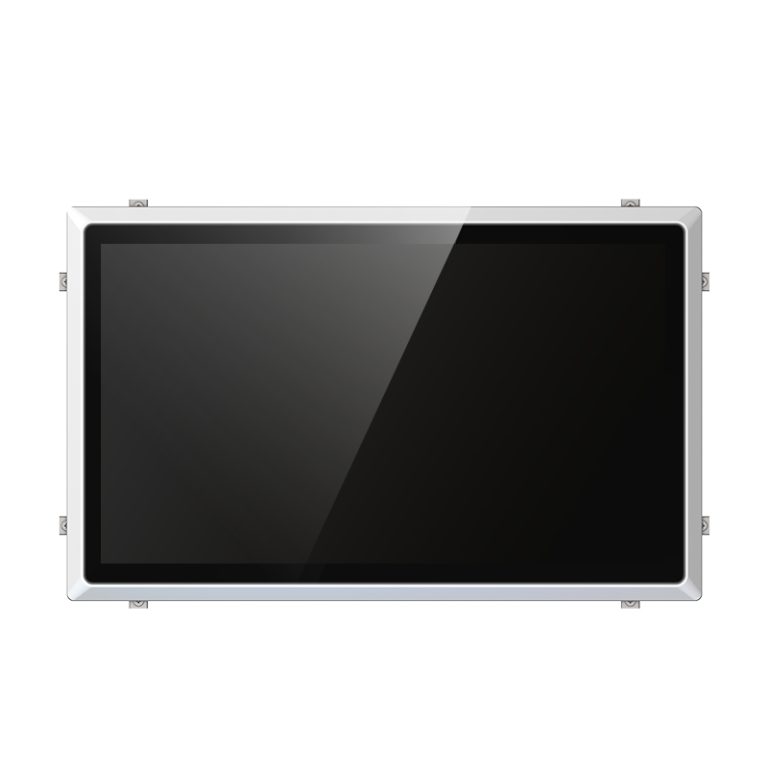
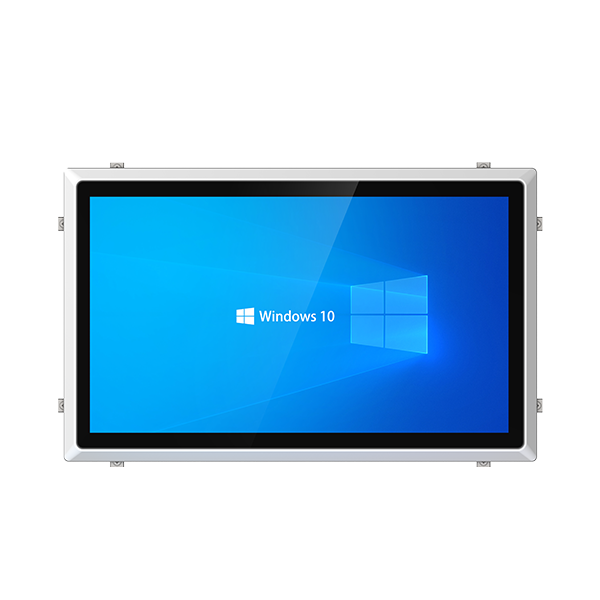
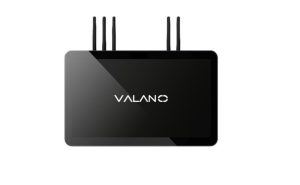
The best industrial panel pc for food processing facilities combines food grade stainless steel with a fanless design. This type of unit typically offers IP65 and IP67 protection, which helps prevent water and dust from damaging internal components. It stands out for its durability and its ability to meet strict hygiene standards required in food production environments.
Food and beverage plants run continuously and cannot tolerate frequent equipment failures. A well built panel pc supports stable operation across long shifts and demanding production schedules. Choosing the right unit early helps a facility avoid costly downtime later.
Why Food Processing Facilities Need Specialized Industrial Panel PCs
Harsh Operating Conditions in Food Manufacturing
Food manufacturing environments present many ongoing challenges for electronic equipment. High humidity, frequent washdowns, and exposure to cleaning chemicals can damage devices that are not built for industrial use. An industrial panel pc must be designed to withstand these conditions and keep working without interruption.
Stainless steel housing protects the hmi panel pc from corrosion caused by water and chemical exposure. A fanless design helps keep dust, food particles, and moisture from entering the internal circuitry. Sealed and properly rated enclosures keep water and debris away from sensitive electronic parts.
Temperature swings are also common in food plants, especially near ovens, freezers, and washdown stations. Equipment that cannot handle these shifts may experience screen problems or a shortened service life. A panel built for industrial conditions is designed to manage these changes more reliably.
Importance of Reliable HMI Systems
A reliable hmi panel pc allows operators to monitor and adjust production lines in real time. This visibility helps reduce downtime and supports more consistent output across shifts. Touchscreens used on the factory floor also need to work properly with gloves and resist moisture from cleaning.
Hmi panel pc systems give operators quick access to production data and machine controls. This kind of access supports the hygiene expectations that apply across the food processing industry. Industrial panel pc solutions are generally chosen for their long term reliability rather than short term cost savings.
Operators rely on accurate, easy to read information when making decisions on the line. Clear displays and responsive controls help reduce operator error during busy production periods. These systems also support better recordkeeping for quality and safety reviews.
Regulatory and Hygiene Pressures
Food processing facilities operate under hygiene expectations that are stricter than those found in many other industries. Equipment placed near production lines needs to be easy to clean without trapping moisture or debris. This makes housing material and surface design just as important as raw computing performance.
Facilities are also expected to document their equipment and processes for internal and external reviews. Panel pcs that support stable logging and consistent uptime make this kind of documentation easier to maintain. This reduces the administrative burden on quality and operations teams.
Key Features of the Best Industrial Panel PCs for Food Processing
Waterproof Protection
Waterproof protection is essential in food processing, since washdowns happen frequently and often involve pressurized water. Protection ratings show how well a hmi panel pc can resist water jets and, in some cases, brief immersion. Operators can clean the touchscreen computer with hoses without worrying about water entering the housing.
This kind of protection also matters in areas where cleaning chemicals are sprayed directly onto equipment. A properly sealed unit keeps these chemicals away from internal components and connectors. Over time, this reduces the risk of corrosion related failures.
Stainless Steel Housing
Stainless steel housing helps prevent corrosion and contamination in food processing settings. It supports the hygiene standards expected throughout food production facilities. The hmi panel pc remains durable even after frequent washdowns and chemical cleaning.
This material is also resistant to scratches and dents that can occur during daily handling. A smooth, non porous surface is easier to wipe down and sanitize between shifts. Facilities often see this as a long term investment rather than an added expense.
Fanless Design
A fanless design keeps dust, food particles, and moisture out of the internal system. This feature reduces the maintenance work required to keep the unit clean and functional. The hmi panel pc can operate quietly while still handling demanding tasks.
Without a fan, there are fewer moving parts that can wear out or collect debris over time. This generally leads to a longer service life in dusty or humid environments. It also lowers the chance of unexpected shutdowns caused by overheating.
Wide Temperature Operation
Industrial panel pc units are often placed in areas with very different temperature conditions throughout a facility. They need to perform well in hot kitchens, near ovens, and in cold storage rooms. Wide temperature operation helps support continuous real time monitoring no matter where the unit is installed.
Stable performance across temperature changes also helps reduce unplanned downtime. Equipment that struggles with temperature shifts may slow down or fail at the worst possible time. Choosing a unit rated for a broad temperature range helps avoid this kind of risk.
Glove-Friendly Touchscreen
Many workers in food processing wear gloves throughout their shifts for hygiene and safety reasons. A glove friendly touchscreen lets them interact with the hmi panel pc without removing protective gear. This small detail can have a real impact on daily efficiency.
An accurate, responsive screen reduces the frustration that comes from missed or repeated touches. The touchscreen computer should respond consistently, even when surfaces are slightly damp. This keeps production moving smoothly during busy periods.
Antibacterial and Hygienic Design
Antibacterial surfaces help limit the growth of bacteria on frequently touched equipment. A hygienic design supports broader food safety goals across the facility. The hmi panel pc contributes to a cleaner overall workspace when designed this way.
Smooth seams and minimal crevices make it harder for residue to build up on the unit. This kind of design also makes routine cleaning faster and more effective. Over time, this supports better hygiene outcomes during audits and inspections.
Industrial Panel PC Applications in Food Processing Facilities
Industrial Panel PC for Food Production Lines
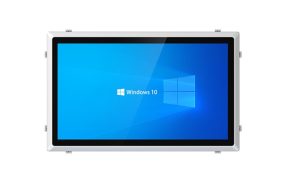
Hmi panel pc units help operators control machinery directly on food production lines. These devices support real time monitoring of variables like temperature, speed, and other key data. Reliable connectivity allows information to move quickly between equipment and central systems.
This kind of visibility helps operators catch problems before they affect product quality. Faster response times on the line can reduce waste and rework. Consistent monitoring also supports more predictable production schedules.
Industrial Panel PC for Packaging Systems
Packaging systems depend on dependable hmi panel pc solutions to keep lines running smoothly. Operators use touchscreens to adjust settings and check for errors as packaging speeds change. The industrial panel pc helps ensure smooth operation and reduces unplanned downtime.
Packaging equipment often runs at high speed, which leaves little room for slow or unresponsive controls. A dependable panel pc helps operators react quickly when adjustments are needed. This supports more consistent output across different product runs.
Industrial Panel PC for Quality Inspection Stations
Quality inspection stations require accurate, easy to read data displays. Hmi panel pc devices show inspection results and alert staff when problems appear. This helps maintain consistent standards across food and beverage processing lines.
Clear alerts also help staff respond faster to issues that could affect product safety. Reliable equipment at inspection points supports more consistent quality control overall. This becomes especially important during high volume production periods.
Industrial Panel PC for Cold Storage Facilities
Cold storage areas involve extreme and sustained low temperatures that can challenge ordinary electronics. A properly rated hmi panel pc continues to work reliably in these conditions. It supports real time monitoring of storage environments and helps protect food products from spoilage.
Consistent monitoring in cold storage also helps facilities respond quickly to equipment issues. Catching a problem early can prevent significant product loss. This makes equipment reliability especially important in this part of the facility.
Industrial Panel PC for CIP and Cleaning Systems
CIP and cleaning systems need equipment that can handle direct exposure to water and chemicals. An industrial panel pc built for this purpose typically features sealed enclosures and stainless steel housing. These features support both hygiene and operator safety in food processing facilities.
Cleaning cycles often happen multiple times per day in busy facilities. Equipment that cannot withstand this kind of repeated exposure will fail much sooner than expected. A properly rated panel pc is built to handle this routine without losing performance.
Common Mistakes When Buying Industrial Panel PCs for Food Facilities
Focusing Only on Price
Many buyers focus mainly on the lowest price when choosing an hmi panel pc. This approach often leads to higher costs later through repairs or early replacement. Cheap models may fail quickly in the harsh conditions found in food processing environments.
A lower upfront cost can be appealing, especially under budget pressure. However, the total cost of ownership usually matters more over the life of the equipment. Considering durability and expected lifespan helps avoid this common mistake.
Ignoring Washdown Requirements
Food facilities require frequent cleaning with water and chemicals throughout the day. Some buyers overlook whether a hmi panel pc can actually handle this kind of washdown routine. Devices without proper sealing can break down or become unsafe to use.
This mistake often becomes clear only after the equipment is already in use. By that point, replacing or upgrading the unit can be more disruptive and costly. Checking washdown requirements before purchase helps prevent this situation.
Choosing Consumer-Grade Touchscreens
Consumer grade touchscreens are generally not built to last in industrial settings. They may respond poorly during real time monitoring or fail when operators wear gloves. Industrial touchscreens are designed specifically for tough conditions and frequent daily use.
Screens not built for this kind of use may also struggle with moisture or temperature swings. This can lead to inconsistent performance right when reliability matters most. Choosing an industrial grade screen from the start helps avoid these issues.
Overlooking Future Expansion Needs
Some facilities grow or change their processes over time, which affects equipment needs. Buyers sometimes select panel pcs that cannot support new software or additional connections later. Planning for future needs at the time of purchase helps avoid costly upgrades.
Equipment limitations can become especially frustrating once a facility starts expanding its operations. Replacing equipment that was outgrown too quickly adds unnecessary expense. Choosing a more flexible unit from the beginning helps support long term growth.
Selecting Insufficient Protection Ratings
Protection ratings are important for both food safety and equipment longevity. Some buyers choose devices with lower ratings that cannot adequately resist water or dust. This mistake can lead to equipment failure and unexpected production delays.
A unit with insufficient protection may work fine at first under light use. Problems tend to appear later, often during the busiest periods of production. Selecting an appropriate protection rating from the start helps avoid this kind of risk.
Conclusion
Choosing the right industrial panel pc takes more than comparing specifications on paper. Facilities that consider their specific environment, daily workflows, and future needs tend to make better long term decisions. A well chosen unit supports smoother operations and fewer unexpected disruptions across the facility