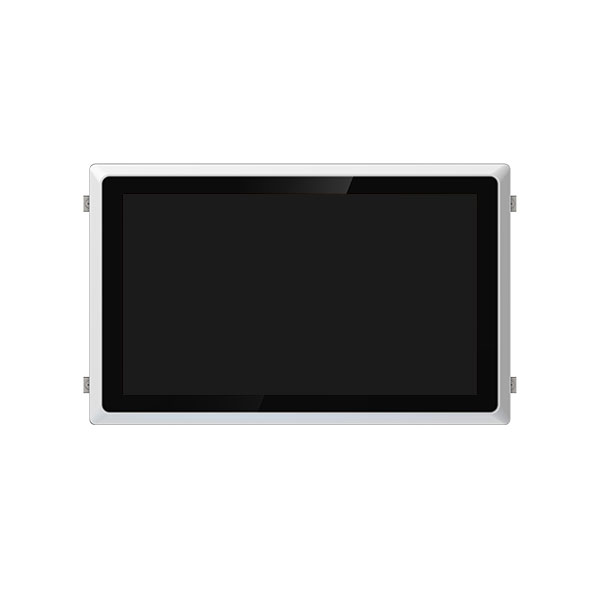
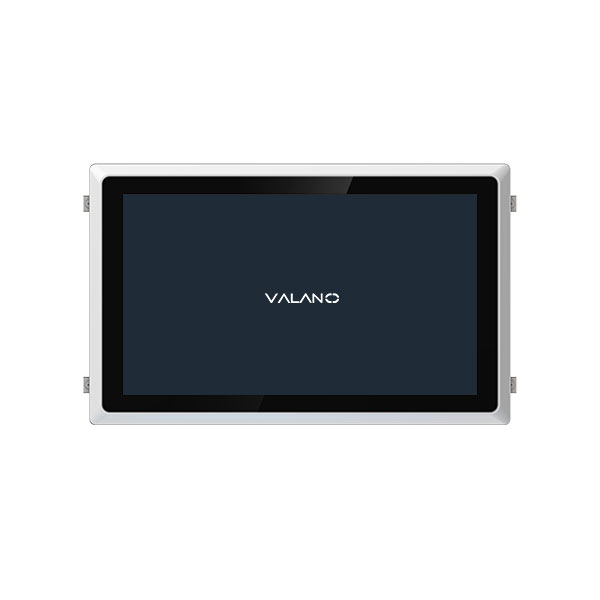
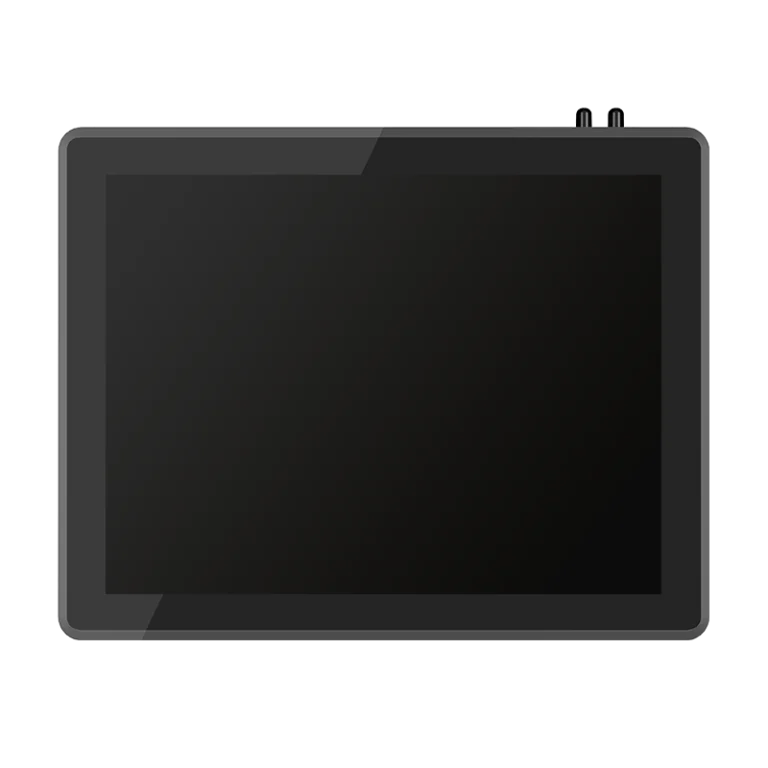
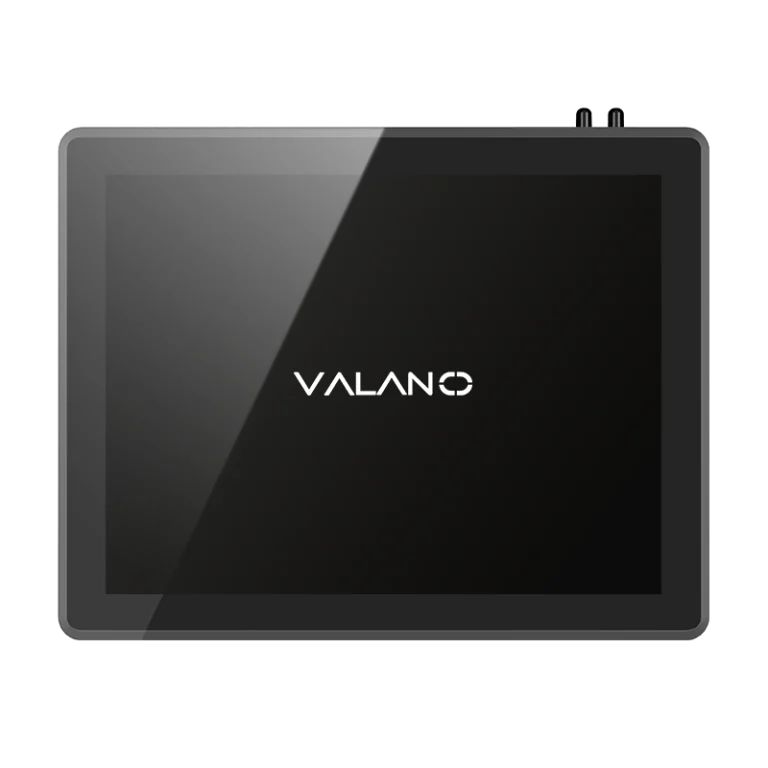
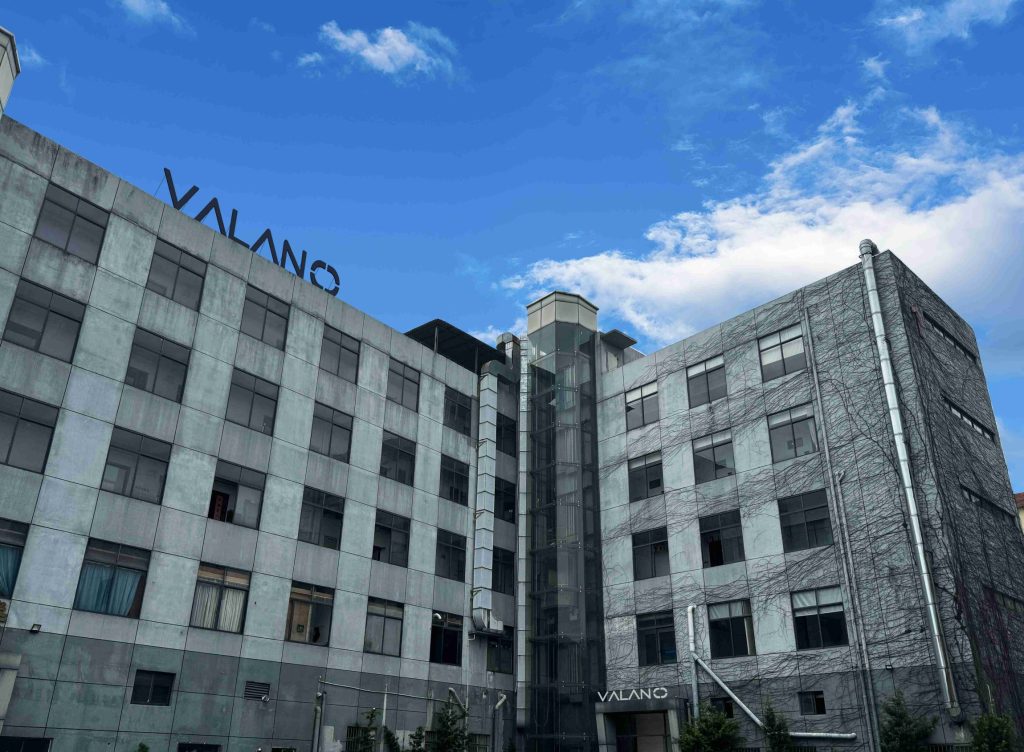
Industrial Embedded Computing is the backbone of modern industrial systems, providing specialized computing power for applications in automation, manufacturing, and process control. This technology integrates hardware and software into machines and devices, enhancing efficiency, reliability, and real-time performance. Understanding how industrial embedded computing works is crucial for optimizing operations and staying competitive in today’s rapidly advancing industrial landscape. In this article, we’ll explore its fundamentals and key applications.
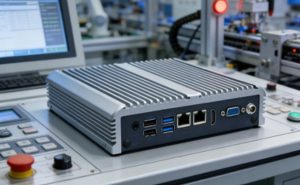
Industrial Embedded Computing Overview
What Is an Industrial Embedded Computer
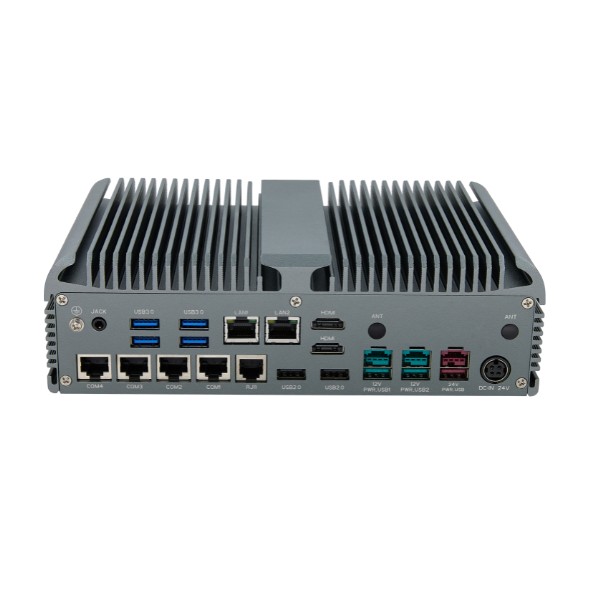
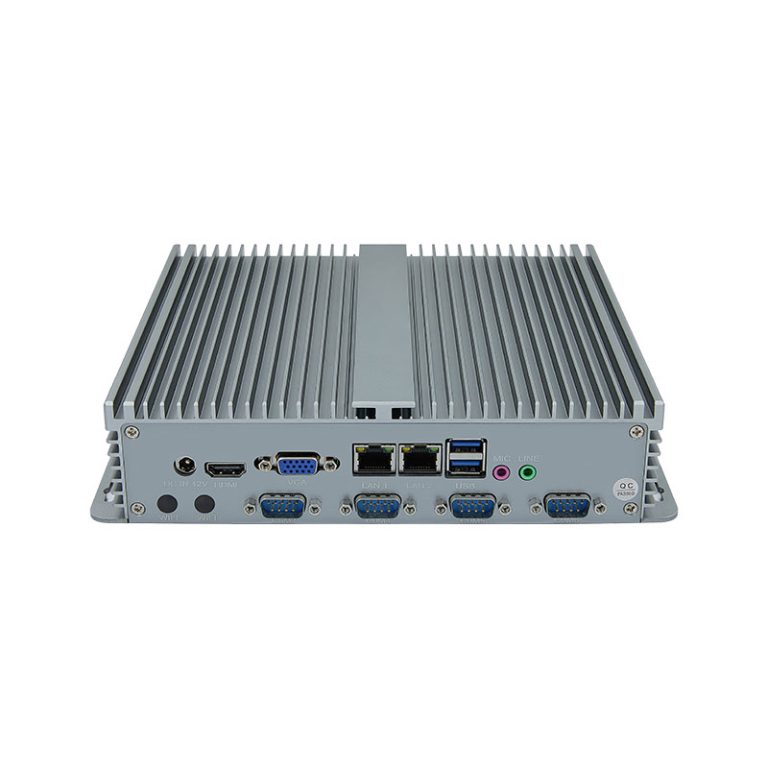
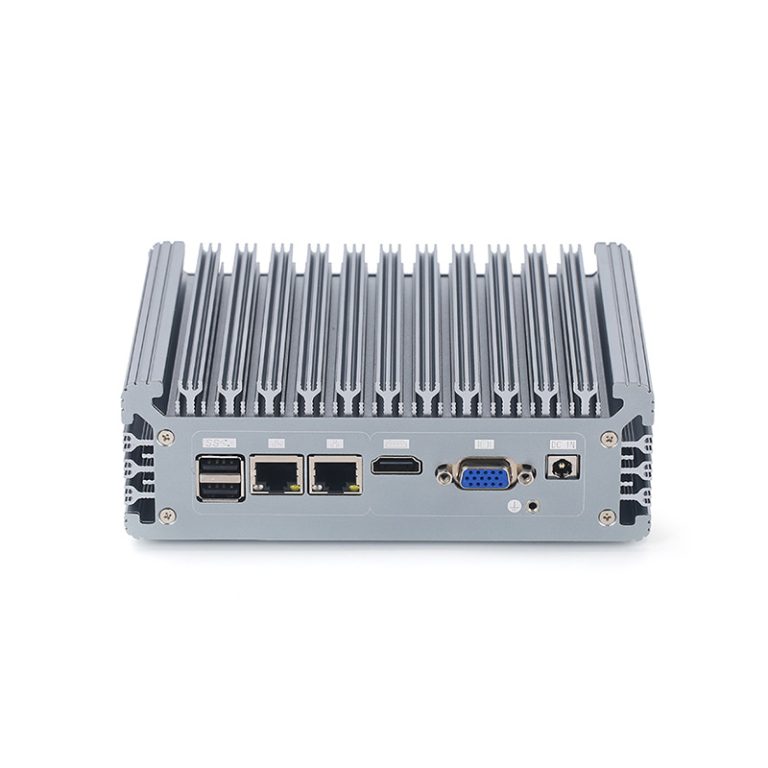
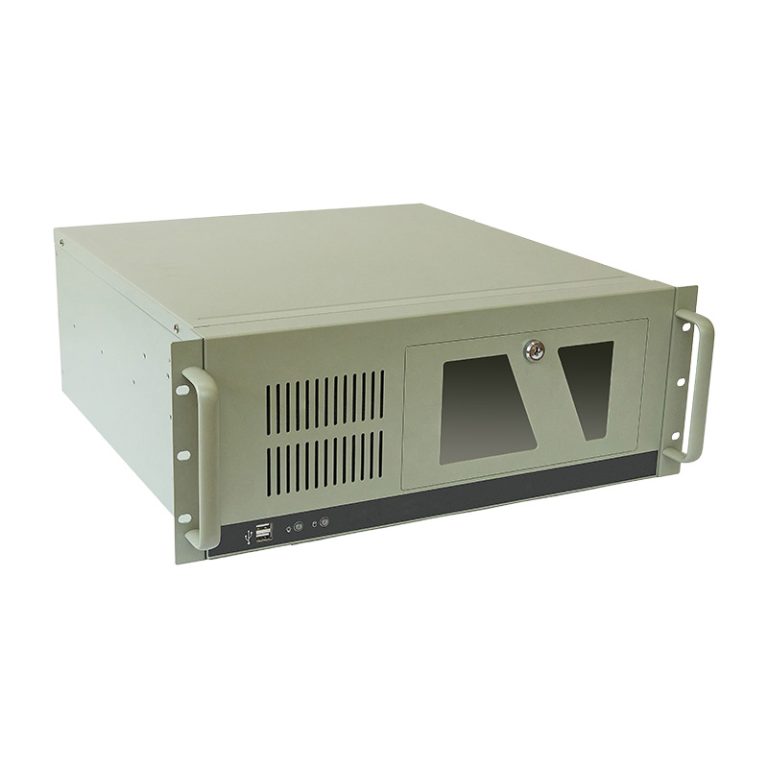
An industrial embedded computer is a specialized device designed to perform dedicated tasks within larger machines or systems. These computers are compact and built to withstand harsh industrial conditions. They often operate continuously, supporting critical operations in factories, plants, and other industrial settings.
Industrial embedded computers differ from regular computers because they focus on reliability and durability. They are usually installed inside equipment, where they control processes or monitor performance. Many embedded computers work without direct human interaction, making them essential for automation.
There are many types of embedded systems used in industry. Some handle simple control tasks, while others manage complex operations. Each industrial embedded computer is tailored to its specific role, ensuring efficient and stable performance.
Key Functions and Roles
Embedded computers play several key roles in industrial environments. Their main functions include real-time processing, data acquisition, and control. These functions help maintain smooth and safe operations.
- Real-time processing: Embedded systems respond quickly to changes in the environment. They process data from sensors and make decisions in milliseconds.
- Data acquisition: Embedded computers collect information from machines, sensors, and other devices. This data helps operators monitor performance and detect problems early.
- Control: Embedded systems send commands to machinery, adjusting settings or stopping operations if needed. This control keeps processes efficient and safe.
Industrial embedded computers also support communication between different parts of a system. They connect sensors, controllers, and other equipment, allowing for coordinated actions. This connectivity is vital for modern industrial automation.
Core Components and Architecture
Every industrial embedded computer contains several core components. These parts work together to deliver reliable performance in demanding environments.
| Component | Description |
|---|---|
| Processor (CPU) | Executes instructions and manages tasks. |
| Memory | Stores data and programs for quick access. |
| Power Supply | Provides stable power, often with backup options for reliability. |
| Communication Ports | Enable connections to sensors, controllers, and networks. |
| Storage | Holds operating systems, software, and collected data. |
| Input/Output (I/O) | Interfaces with external devices and machinery. |
The architecture of embedded systems is designed for efficiency and stability. Most embedded computers use low-power processors to reduce heat and energy use. They often include rugged enclosures to protect against dust, moisture, and vibration.
Many types of embedded systems use specialized software called firmware. This software controls how the hardware operates and ensures the system responds correctly to inputs. Some embedded computers run real-time operating systems, which help manage tasks with precise timing.
Embedded computers are the backbone of modern industrial automation. Their design and architecture allow them to operate reliably for years, even in tough conditions.
How Industrial Embedded Systems Work
System Architecture
Industrial embedded systems have a unique architecture. Each system combines hardware and software to perform specific tasks. The design focuses on reliability and efficiency.
Hardware Elements
The hardware in industrial embedded systems includes several key parts. The processor acts as the brain of the system. Memory stores data and instructions for quick access.
Power supplies keep the system running, even during power changes. Communication ports connect the system to sensors, controllers, and networks. Input and output interfaces allow the system to interact with machines and other devices.
Many industrial embedded systems use rugged enclosures. These protect the hardware from dust, moisture, and vibration. This design helps the system last in tough environments.
Software and Firmware
Software and firmware control how embedded systems work. Firmware is a special type of software stored on the hardware. It manages the basic functions of the system.
Some industrial embedded systems use real-time operating systems. These help the system respond quickly to changes. Application software handles tasks like data collection, monitoring, and control.
Updates to firmware and software can improve system performance. They also help fix bugs and add new features. Reliable software is key for safe and stable operation.
Real-Time Operation
Real-time operation is a main feature of industrial embedded systems. These systems must react to events as they happen. Fast response times keep machines running smoothly.
Sensors send data to the system every second. The system processes this data and makes decisions right away. This helps prevent accidents and keeps production on track.
Many industrial embedded systems use real-time operating systems. These systems manage tasks with precise timing. This ensures that every action happens at the right moment.
Communication and Connectivity
Communication is vital for industrial embedded systems. These systems connect to sensors, controllers, and other equipment. They share data and commands across the network.
Most industrial embedded systems support many types of communication. Common options include Ethernet, serial ports, and wireless connections. This flexibility helps the system fit into different setups.
Connectivity allows the system to work with other machines. It also supports remote monitoring and control. Good communication keeps the whole system running as one unit.
Industrial Embedded Computer vs. Traditional Computers
Design and Function Differences
Industrial embedded computers and traditional computers have different designs and functions. Traditional computers, like desktops and laptops, are built for general tasks such as browsing, writing, and gaming. Embedded systems focus on specific jobs inside machines or equipment.
Specialized computing systems in industry are small and fit into tight spaces. These systems do not need screens, keyboards, or mice. They run one main program and work without much user input.
Embedded systems often control machines, collect data, or monitor processes. Traditional computers handle many tasks at once, but embedded systems do one job very well. Specialized computing systems in factories must be simple and reliable.
Durability and Environmental Resistance
Durability is a key difference between embedded systems and regular computers. Traditional computers work best in clean, climate-controlled rooms. They can stop working if exposed to dust, heat, or vibration.
An embedded industrial computer is built to survive tough conditions. These computers have strong cases that protect against dirt, moisture, and shocks. Many embedded systems can handle extreme temperatures and power changes.
Customization and Integration
Customization is important for embedded systems in industry. Each system can be designed for a special task or machine. Traditional computers use standard parts and software, but embedded systems are made to fit their environment.
Integration is another strength of embedded systems. They connect easily with sensors, controllers, and other equipment. This makes them a key part of automated factories and smart devices.
Many embedded systems use custom hardware and software. This allows them to work smoothly with other machines. They help create efficient and safe industrial processes.
Key Features and Advantages
Reliability and Longevity
Reliability is a top priority for embedded computers in industrial settings. These devices are built to run for long periods without failure. Many embedded systems operate 24/7, supporting critical tasks that cannot afford downtime.
Manufacturers design embedded computers with high-quality components. This approach helps prevent unexpected breakdowns. Regular computers may need frequent maintenance, but embedded systems often last for years with minimal attention.
Ruggedness and Environmental Tolerance
Industrial environments can be harsh. Dust, moisture, vibration, and extreme temperatures are common challenges. Embedded computers are designed to handle these conditions.
Rugged computing systems use strong enclosures to protect sensitive parts. These cases shield the electronics from dirt and water. Many embedded systems can work in freezing cold or intense heat.
Some embedded computers even resist shocks and power surges. This toughness makes them ideal for factories, outdoor equipment, and transportation systems. Their durability ensures stable performance in places where regular computers would fail.
Low Power and Efficiency
Efficiency is another key advantage of embedded systems. These devices use less energy than traditional computers. Low power use means less heat and lower operating costs.
Many embedded computers use special processors that save energy. This design helps them run cool and stay reliable. Some embedded systems can even operate on battery power for remote or mobile applications.
- Lower energy use reduces the need for cooling.
- Efficient embedded computers help companies save money.
- Energy-saving designs support green and sustainable practices.
Security and Safety
Security and safety are essential features of industrial embedded computers. These systems protect sensitive data and keep machines running safely. Many industries rely on embedded computers to prevent accidents and stop unauthorized access.
Industrial embedded computers use several methods to keep information secure. Hardware encryption protects data stored on the device. Secure boot processes make sure only trusted software runs on the system. Firewalls and access controls block unwanted connections.
Safety is another key advantage. Embedded computers monitor machines and detect problems early. They can shut down equipment if they sense danger. This quick response helps avoid injuries and damage.
Many embedded systems include safety certifications. These certifications show that the device meets strict industry standards. Safety features often include emergency stop functions and alarms.
| Security Feature | Purpose |
|---|---|
| Hardware Encryption | Protects stored data |
| Secure Boot | Ensures only trusted software runs |
| Firewalls | Blocks unauthorized access |
| Access Controls | Limits who can use the system |
| Safety Certifications | Meets industry safety standards |
| Emergency Stop | Shuts down equipment in emergencies |
| Alarms | Warns operators of problems |
Industrial embedded computers often work in critical environments. These systems must stay secure and safe at all times. Regular updates help fix security flaws and improve safety.
- Security updates protect against new threats.
- Safety checks keep machines working properly.
- Reliable systems reduce risks for workers and equipment.
Industrial embedded computers play a vital role in modern industry. Their security and safety features support smooth operations and help prevent costly accidents. Companies trust these systems to keep their processes safe and their information secure.
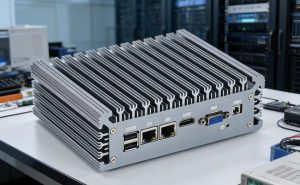
Applications of Embedded Computers
Industrial Automation
Industrial automation relies on embedded computers to manage machines and processes. These computers control robotic arms, conveyor belts, and assembly lines. They help factories produce goods faster and with fewer errors.
Embedded computers support real-time decision-making. They collect data from sensors and adjust machines instantly. This quick response keeps production safe and efficient.
Many factories use embedded computers to monitor equipment health. They can predict when a machine needs maintenance. This reduces downtime and saves money.
Industrial automation also benefits from the internet of things. Embedded computers connect machines to networks. This allows remote monitoring and control from anywhere.
IoT Devices and Connectivity
IoT devices use embedded computers to gather and share information. These devices include smart sensors, meters, and controllers. They send data to central systems for analysis.
The internet of things links many devices together. Embedded computers help these devices communicate. This creates a network that can track and manage resources.
Integration with iot ecosystems is important for modern factories. Embedded computers make it possible to connect old machines with new technology. This helps companies upgrade their systems without replacing everything.
IoT devices often work in harsh environments. Embedded computers provide the durability needed for reliable operation. They keep data flowing even in tough conditions.
Monitoring and Control Systems
Control systems depend on embedded computers for accuracy and speed. These systems manage temperature, pressure, and other important factors. They keep industrial processes stable and safe.
Embedded computers collect data from sensors in real time. They use this information to adjust machines and prevent problems. This helps maintain product quality and reduces waste.
Many control systems are part of the internet of things. Embedded computers allow these systems to share data with other devices. This improves coordination across the entire operation.
Embedded computers play a key role in keeping these systems running smoothly. Their ability to process data quickly and respond to changes makes them vital for modern industry.
Sector Examples
Industrial embedded computers support many sectors. These devices help solve unique challenges in each industry. Their adaptability makes them valuable across a wide range of applications.
Manufacturing
Factories use embedded computers to control machines and monitor production lines. These systems help automate tasks and improve product quality. Embedded computers also track equipment health and predict maintenance needs.
Energy and Utilities
Power plants rely on embedded computers for monitoring and control. These systems manage turbines, generators, and safety equipment. Embedded computers help detect faults and optimize energy output.
Transportation
Embedded computers play a key role in trains, buses, and trucks. They manage engine performance, monitor safety systems, and track vehicle locations. These systems also support traffic control and fleet management.
Healthcare
Hospitals and clinics use embedded computers in medical devices. These systems monitor patient vital signs and control diagnostic equipment. Embedded computers help ensure accurate readings and reliable operation.
Agriculture
Farms benefit from embedded computers in tractors and irrigation systems. These devices monitor soil conditions and automate watering schedules. Embedded computers help farmers increase yields and reduce waste.
| Sector | Example Applications | Benefits |
|---|---|---|
| Manufacturing | Machine control, quality monitoring | Higher productivity, fewer errors |
| Energy & Utilities | Grid management, fault detection | Reliable power, quick response |
| Transportation | Vehicle tracking, safety systems | Safer travel, efficient fleets |
| Healthcare | Patient monitoring, diagnostics | Accurate data, better care |
| Agriculture | Soil sensors, automated irrigation | Improved yields, less waste |
Industrial embedded computers adapt to the needs of each sector. Their flexibility allows them to support both simple and complex tasks. Many industries depend on these systems for daily operations.
Embedded computers often work behind the scenes. Their impact is seen in smoother processes and safer environments. These devices help industries meet modern demands and stay competitive.
Importance in Modern Industry
Role in Automation
Embedded computers drive automation in factories and plants. These devices control machines and manage production lines. Embedded systems help equipment work together and follow precise instructions.
Many industries use embedded systems to automate repetitive tasks. This reduces human error and speeds up operations. Embedded computers make it possible to run machines without constant supervision.
Impact on Productivity and Safety
Embedded computers boost productivity by keeping machines running smoothly. They monitor equipment and detect problems early. Embedded systems can alert workers when maintenance is needed.
Safety is a major benefit of embedded systems. These devices track conditions and stop machines if danger is detected. Embedded computers help prevent accidents and protect workers.
| Benefit | How Embedded Computers Help |
|---|---|
| Productivity | Monitor machines, reduce downtime |
| Safety | Detect hazards, enable quick response |
Mission-critical applications depend on embedded systems for reliable operation. These systems ensure that important processes continue without interruption.
Enabling Industry 4.0
Industry 4.0 relies on smart technology and connected devices. Embedded computers are the foundation of this new era. They link machines, sensors, and networks to create intelligent factories.
Embedded systems collect data and share it across the production floor. This information helps managers make better decisions. Embedded computers support advanced features like remote monitoring and predictive maintenance.
Embedded computers play a key role in modern industry. Their ability to automate, protect, and connect equipment shapes the future of manufacturing.
Trends in Industrial Embedded Systems
Edge Computing and AI
Edge computing is changing how factories use embedded systems. These systems now process data close to where it is collected. This reduces delays and helps machines react faster.
Artificial intelligence (AI) is also becoming important. AI lets embedded computers learn from data and make smart decisions. For example, an AI-powered system can spot problems in a machine before it breaks.
Many companies use edge computing and AI together. This combination helps factories run more smoothly. It also improves safety and reduces waste.
Advances in Connectivity
Connectivity is a key trend in industrial embedded systems. New technologies like 5G and advanced Wi-Fi make it easier for devices to talk to each other. These connections are faster and more reliable than older methods.
Modern embedded systems support many types of networks. They can use wired connections, wireless links, or both. This flexibility helps factories connect old machines with new technology.
Here are some common connectivity options:
- Ethernet
- Wi-Fi
- 5G cellular
- Bluetooth
- Industrial fieldbus
Better connectivity allows for remote monitoring and control. Workers can check machines from anywhere. This makes maintenance easier and helps prevent downtime.
Sustainability
Sustainability is becoming more important in industry. Embedded systems now use less energy and create less waste. Many devices use energy-saving processors and recyclable materials.
Companies want to lower their impact on the environment. They choose embedded computers that last longer and use less power. This helps reduce costs and supports green goals.
The table below shows how embedded systems support sustainability:
| Feature | Benefit |
|---|---|
| Low power use | Saves energy |
| Long lifespan | Reduces electronic waste |
| Recyclable materials | Supports eco-friendly design |
Factories that use green technology can meet new regulations. They also show customers that they care about the environment. Sustainability is now a key part of industrial embedded system design.
Conclusion
In conclusion, Industrial Embedded Computing is essential for driving efficiency, reliability, and safety in modern industrial environments. These systems enable real-time processing, data acquisition, and control, making them integral to automation, monitoring, and communication. Their durability and specialized design ensure optimal performance in harsh conditions. As industries continue to evolve, the role of industrial embedded computing will only grow, offering businesses a competitive edge in optimizing operations and achieving greater productivity.