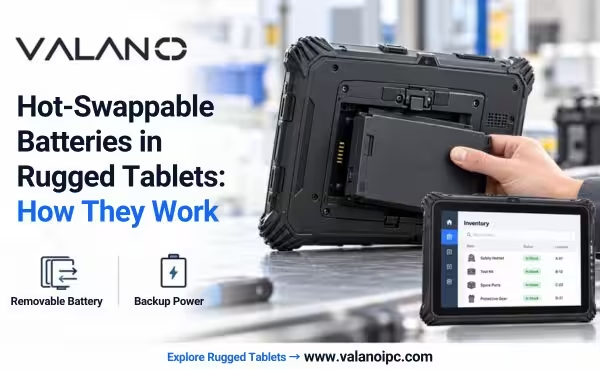
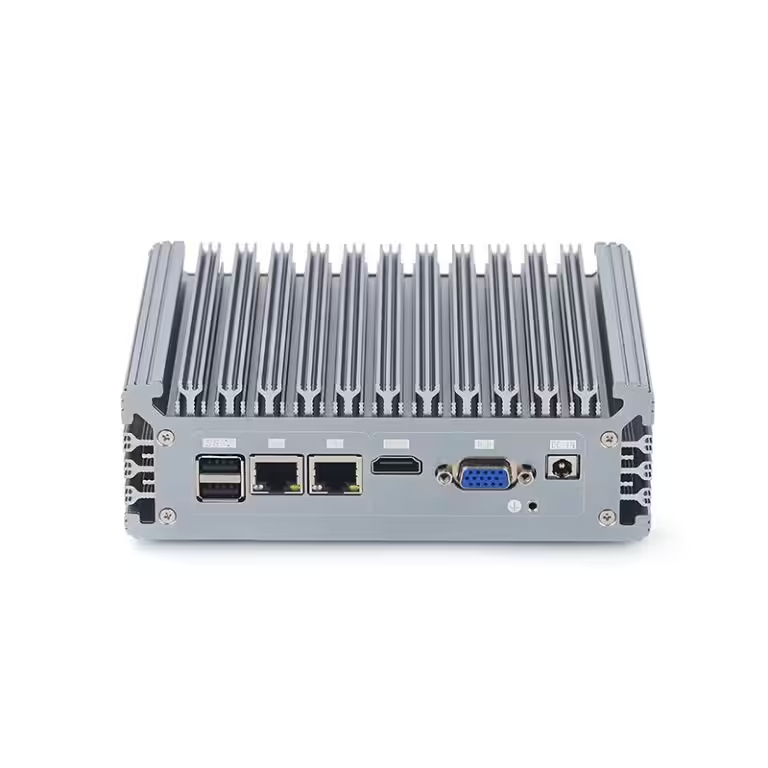
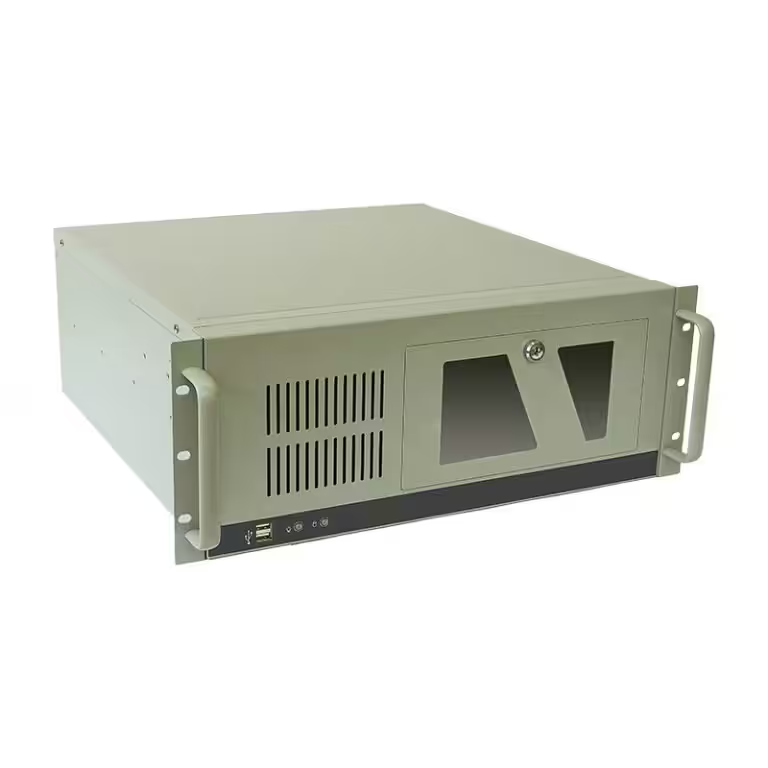
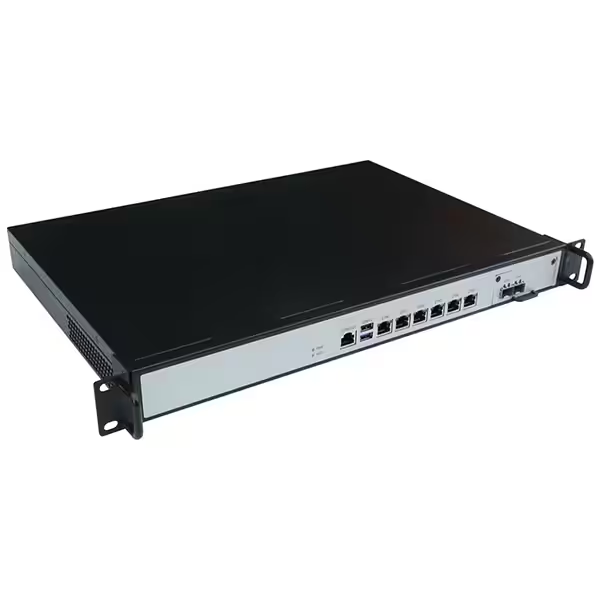
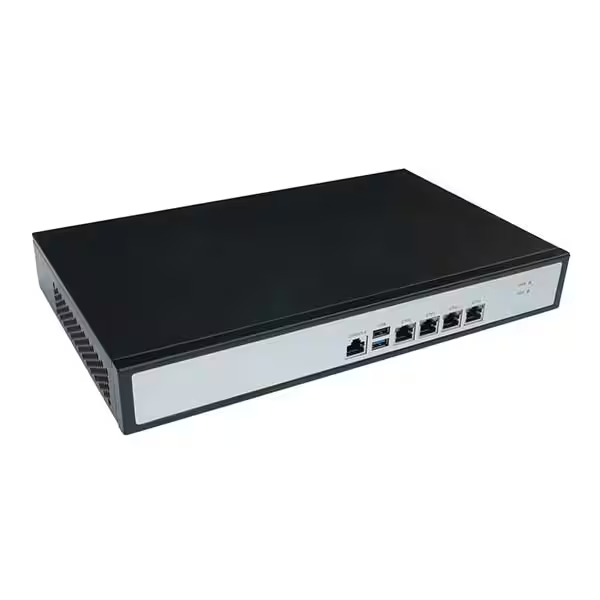
The role of IoT is changing how industries use tablets on the factory floor. Real-time data and strong connectivity let machines share information instantly. This shift leads to smarter maintenance, faster automation, and more informed decisions in daily operations.
Role of IoT in Industrial Tablet Computing Systems
Enabling Connectivity and Data Exchange
Machine-to-Machine Communication
Industrial tablets connect machines across the factory floor. Devices share information without human intervention. This process helps factories run smoothly and reduces manual errors.
Seamless Data Flow
Tablets collect data from sensors and devices in real time. Information flows from machines to tablets and then to central systems. This seamless data flow supports quick decision-making and accurate reporting.
- Data moves between machines, tablets, and control centers.
- Operators track production metrics and spot problems early.
- Continuous data exchange helps maintain high efficiency.
Streamlining Production Processes
Automation in Manufacturing
The role of IoT in industrial tablets supports automation. Tablets control robots and automated systems on the production line. Automation reduces labor costs and increases output.
| Benefit | Description |
|---|---|
| Faster Output | Machines work without delays |
| Fewer Mistakes | Automated checks prevent errors |
| Consistent Quality | Systems monitor every step |
Real-Time Process Adjustments
Industrial tablets use IoT to adjust processes as conditions change. Sensors detect shifts in temperature, pressure, or speed. Tablets send commands to machines to correct issues right away.
The role of IoT in industrial tablets transforms how factories operate. It enables smart factory integration and boosts operational efficiency. Factories become more flexible and productive with these technologies.
IIoT Integration with Industrial Tablets
What Is IIoT?
The Industrial Internet of Things (IIoT) connects machines, sensors, and devices in factories. IIoT uses smart technology to collect and share data. Industrial tablets act as interfaces for IIoT platforms, helping workers control and monitor equipment.
Key Features and Technologies
IIoT relies on several important features. Real-time data collection allows quick responses to changes. Advanced connectivity links devices across large areas. Analytics tools process information and provide insights.
| Feature | Benefit |
|---|---|
| Real-Time Data | Faster decisions |
| Connectivity | Reliable communication |
| Analytics | Improved performance |
Common IIoT Devices
Factories use many IIoT devices. Sensors measure temperature, pressure, and speed. Gateways connect machines to networks. Industrial tablets display information and send commands.
- Sensors track machine health.
- Gateways link devices to central systems.
- Tablets help workers manage operations.
Industrial Tablet Capabilities
Industrial tablets are designed for tough environments. They withstand dust, moisture, and drops. Workers use these tablets on the factory floor and in outdoor settings.
Rugged Design
Rugged tablets have strong cases and durable screens. They operate in extreme temperatures and resist damage. This makes them reliable tools for industrial work.
Specialized Functions
Industrial tablets offer specialized functions. They run custom apps for inventory, maintenance, and production control. Tablets connect to sensors and machines, making them versatile tools.
- Custom software supports different tasks.
- Tablets integrate with IIoT devices.
- Workers access real-time data and controls.
IIoT Platform Integration
Industrial tablets connect to IIoT platforms using various methods. Wi-Fi, Bluetooth, and cellular networks provide flexible options. Tablets link to sensors and devices for seamless communication.
Connectivity Options
Tablets use multiple connectivity options. Wi-Fi covers large areas in factories. Bluetooth connects nearby devices. Cellular networks allow remote access.
| Connectivity Type | Use Case |
|---|---|
| Wi-Fi | Factory-wide coverage |
| Bluetooth | Local device pairing |
| Cellular | Remote operations |
Sensor and Device Integration
Tablets integrate with sensors and machines. They collect data and send commands. This supports the role of IoT in improving efficiency and automation.
Applications in Industrial Environments
Predictive Maintenance
Equipment Health Monitoring
Factories use industrial tablets to check the health of machines. Tablets collect data from sensors that measure vibration, temperature, and pressure. This information helps workers spot problems before machines break down.
Operators can view machine status on their tablets at any time. They can see trends and patterns in equipment performance. This makes it easier to plan maintenance and avoid surprises.
Scheduling Repairs
Industrial tablets help schedule repairs at the right time. When a sensor detects a problem, the tablet sends an alert to the maintenance team. Workers can then plan repairs during slow periods.
- Repairs happen before major failures.
- Teams avoid emergency shutdowns.
- Production stays on track.
Tablets also keep records of past repairs. This history helps teams improve their maintenance plans.
Real-Time Monitoring
Production Line Tracking
Tablets allow workers to track production lines in real time. They see how many products are made each hour. If a machine slows down, the tablet shows the problem right away.
Supervisors use tablets to check every step of the process. They can adjust settings to fix issues fast. This leads to better quality and higher output.
Environmental Sensors
Factories use sensors to measure air quality, temperature, and humidity. Tablets display this data so workers can keep the environment safe. If a sensor finds a problem, the tablet sends a warning.
- Good air quality protects workers.
- Stable conditions help machines last longer.
- Fast alerts prevent accidents.
Tablets make it easy to follow safety rules and keep records for inspections.
Warehouse Automation
Stock Tracking
Warehouses use tablets to track inventory levels. Workers scan barcodes with their tablets to update stock counts. This reduces mistakes and saves time.
Managers can see inventory data from anywhere in the warehouse. They can reorder supplies before running out. This keeps operations smooth and efficient.
Asset Management
Tablets help manage tools and equipment in large warehouses. Workers check items in and out using their tablets. This prevents loss and keeps assets organized.
- Easy tracking of valuable items.
- Fewer lost tools.
- Better planning for future needs.
The role of IoT in these applications improves efficiency and safety across industrial environments.
Field Service Operations
Industrial tablets with IoT capabilities play a key role in field service operations. These devices help workers complete tasks outside the main facility. They provide real-time access to data, instructions, and support.
Mobile Workforce
A mobile workforce often works at different locations. Industrial tablets allow these workers to stay connected with the central office. Workers can receive job assignments, view equipment manuals, and report progress from anywhere.
Field workers use tablets to check inventory levels and order parts. They can also access safety checklists and compliance forms. This reduces paperwork and speeds up daily routines.
- Workers receive updates and alerts in real time.
- Tablets support GPS navigation to job sites.
- Digital forms replace paper, making reporting faster.
A mobile workforce benefits from rugged tablets. These devices withstand drops, dust, and rain. Workers can rely on them in harsh outdoor environments.
Remote Troubleshooting
Remote troubleshooting uses IoT-enabled tablets to solve problems without being on-site. Technicians can connect to machines and systems from a distance. They view live data, run diagnostics, and adjust settings as needed.
Tablets allow technicians to access machine logs and error codes. They can send commands to restart equipment or update software. This minimizes downtime and keeps operations running smoothly.
| Benefit | Description |
|---|---|
| Faster Response | Issues resolved without delay |
| Lower Costs | Less need for on-site visits |
| Improved Safety | Fewer risks for field technicians |
Remote troubleshooting also supports training. New workers can learn from experienced staff through live demonstrations. This builds skills and confidence in the field.
IoT-driven tablets transform field service operations. They enable a mobile workforce and make remote troubleshooting possible. These advances improve efficiency, reduce costs, and support safer work practices.
Benefits of IoT-Driven Tablets
Improved Productivity
Faster Task Completion
Industrial tablets help workers finish tasks more quickly. These devices give instant access to instructions, checklists, and real-time data. Employees can scan barcodes, update records, and communicate with teams without leaving their workstations.
Reduced Errors
IoT-driven tablets lower the risk of mistakes in industrial settings. Automated data entry and digital forms replace handwritten notes. Tablets guide workers through each step, which helps prevent errors.
- Real-time alerts notify users of incorrect entries.
- Automated checks ensure data accuracy.
- Consistent processes improve product quality.
Reduced Downtime
Proactive Maintenance
Tablets with IoT features support proactive maintenance. They collect data from machines and alert teams before problems occur. Maintenance staff can schedule repairs during planned breaks.
Immediate Issue Resolution
When issues arise, tablets help teams respond right away. Workers receive instant notifications about machine faults or safety concerns. They can access troubleshooting guides and contact experts for support.
- Quick responses minimize lost production time.
- Teams fix problems before they grow.
- Operations return to normal faster.
Data-Driven Decisions
Actionable Insights
Industrial tablets gather large amounts of data from sensors and machines. Managers use this information to spot trends and make better decisions. The role of IoT in data collection helps leaders understand what works and what needs improvement.
Enhanced Analytics
Tablets support advanced analytics tools. These tools turn raw data into easy-to-read charts and reports. Workers and managers can track performance, monitor quality, and set goals.
- Analytics highlight areas for improvement.
- Visual reports make complex data simple.
- Teams use facts to guide their actions.
IoT-driven tablets bring many benefits to industrial environments. They boost productivity, reduce downtime, and support data-driven decisions. These advantages help factories stay competitive and efficient.
Cost Optimization
Lower Maintenance Costs
IoT-driven tablets help factories save money on maintenance. These devices collect data from machines and alert workers before problems become serious. Early warnings allow teams to fix small issues before they turn into expensive repairs.
Tablets keep records of all maintenance activities. Managers can review these records to find patterns and improve future plans. This leads to smarter spending and fewer unexpected expenses.
Resource Allocation
Industrial tablets help companies use their resources wisely. Workers can see real-time data about equipment, inventory, and staff. This information helps managers assign tasks to the right people at the right time.
- Teams can track which machines need attention.
- Managers can move workers where they are needed most.
- Supplies can be ordered before they run out.
Tablets also support better scheduling. Managers can plan shifts and maintenance based on actual needs, not guesses. This reduces waste and improves overall efficiency.
| Resource Management Benefit | Description |
|---|---|
| Smarter Scheduling | Assign tasks based on real data |
| Less Waste | Order supplies only when needed |
| Better Planning | Use staff and equipment efficiently |
Worker Safety
Hazard Detection
IoT-enabled tablets play a key role in keeping workers safe. These devices connect to sensors that monitor the environment for hazards like gas leaks, high temperatures, or unsafe air quality. When a sensor detects danger, the tablet sends an instant alert to workers and supervisors.
Tablets also store safety data. Managers can review this information to spot trends and prevent future problems.
Compliance Checks
Industrial tablets make it easier to follow safety rules. Workers can use digital checklists to complete safety inspections. Tablets guide users through each step and record the results.
- Digital records show that safety checks were done.
- Inspectors can access past reports easily.
- Automatic reminders help workers stay on schedule.
Tablets help companies meet legal requirements and industry standards. Accurate records protect both workers and the business during audits or investigations.
Future Trends in IIoT Tablets
Edge Computing
Local Data Processing
Edge computing is changing how factories use data. Industrial tablets now process information close to where it is collected. This means tablets can analyze sensor data right on the factory floor.
Workers get results faster because the data does not need to travel to a distant server. Local processing helps keep sensitive information secure. It also reduces the amount of data sent over networks.
Reduced Latency
Latency is the delay between sending and receiving information. Edge computing helps reduce this delay. Tablets can react to changes in real time.
For example, if a machine shows signs of trouble, the tablet can alert workers immediately. Quick responses help prevent accidents and keep production running smoothly. Lower latency also supports automation and robotics.
AI and Analytics
Predictive Insights
Artificial intelligence (AI) is becoming a key part of industrial tablets. AI tools can study patterns in machine data. They predict when equipment might fail or need maintenance.
Predictive insights help factories avoid costly breakdowns. Workers can plan repairs before problems get worse. This keeps machines running longer and saves money.
Automated Support
AI also gives automated support to workers. Tablets can offer step-by-step guides for repairs or troubleshooting. Some tablets use chatbots to answer questions or suggest solutions.
Automated support helps new workers learn faster. It also reduces the need for expert help on-site. This makes daily operations smoother and more efficient.
AI-powered tablets can:
-
- Diagnose common machine issues
- Suggest maintenance actions
- Provide instant feedback
5G Connectivity
Faster Data Transfer
5G networks are much faster than older wireless systems. Industrial tablets with 5G can send and receive large amounts of data quickly. This is important for factories that use many sensors and cameras.
Faster data transfer means workers see updates in real time. They can make decisions based on the latest information. This supports better quality control and faster problem-solving.
Reliable Remote Operations
5G also makes remote operations more reliable. Workers can control machines from a distance without delays. This is useful for dangerous or hard-to-reach areas.
Tablets with 5G keep teams connected, even when they are far apart. Reliable connections help factories run smoothly at all times. The role of IoT continues to grow as these new technologies become standard in industrial tablets.
Expanding Use Cases
New Sectors
Industrial tablets with IoT features are moving into new sectors. Agriculture now uses these tablets to monitor soil conditions and track equipment in the field. Farmers can check weather data and control irrigation systems from their tablets.
Healthcare is another sector adopting IoT-enabled tablets. Hospitals use them to track medical equipment and monitor patient health in real time. Tablets help staff access records quickly and improve patient care.
Energy companies also benefit from these devices. Workers use tablets to inspect pipelines and monitor power grids. Real-time data helps prevent outages and improves safety.
Emerging Applications
IoT-driven tablets support many new applications. Smart construction sites use tablets to track materials and monitor worker safety. Supervisors receive instant alerts if conditions become unsafe.
Tablets help manage public transportation systems. Operators use them to monitor vehicle locations and adjust routes. This improves service and reduces delays.
In environmental monitoring, tablets collect data from sensors in forests, rivers, and cities. Scientists use this information to study pollution and protect natural resources. Tablets make it easier to share findings with teams in different locations.
Examples of emerging applications:
-
- Smart farming and livestock tracking
- Remote health monitoring
- Automated building management
- Disaster response coordination
Tablets also play a role in education and training. Students and workers use them for hands-on learning with real-time feedback. This approach builds skills and confidence.
Conclusion
IoT and IIoT have changed how factories use industrial tablets. These technologies improve efficiency, boost productivity, and help teams make smarter decisions. Addressing security and integration challenges is key for success.
Industrial tablets will keep evolving as IoT grows. New features and better connectivity will shape the future of industrial work.