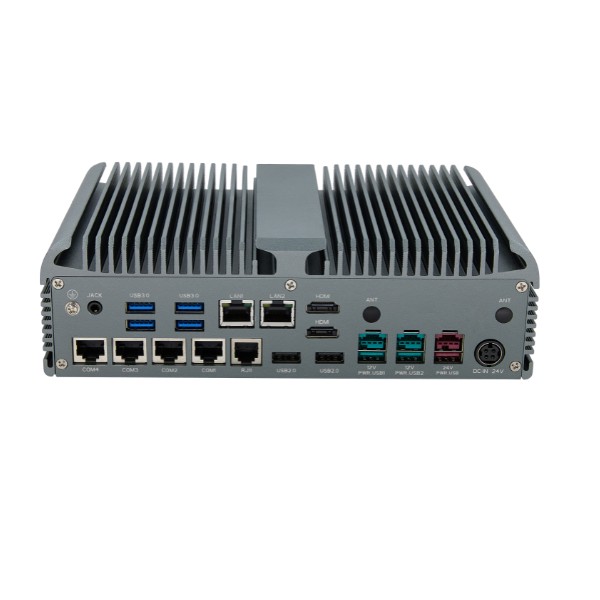
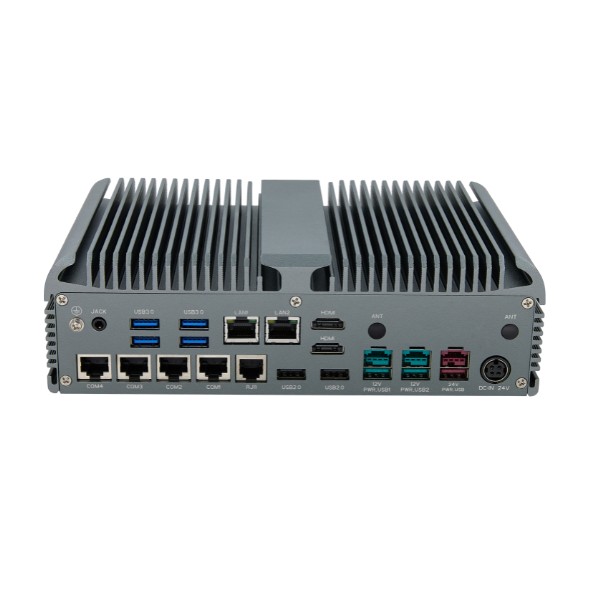
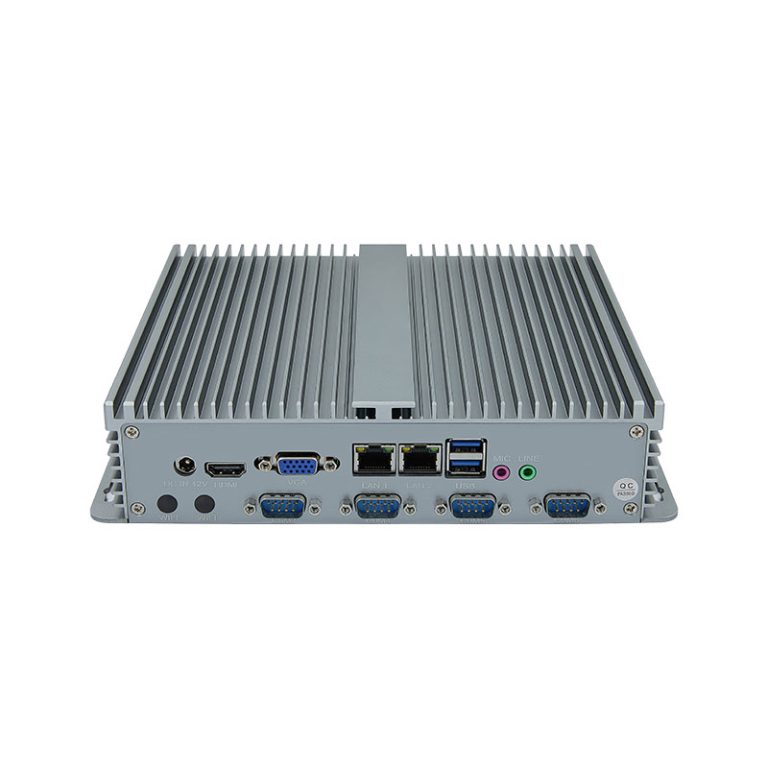
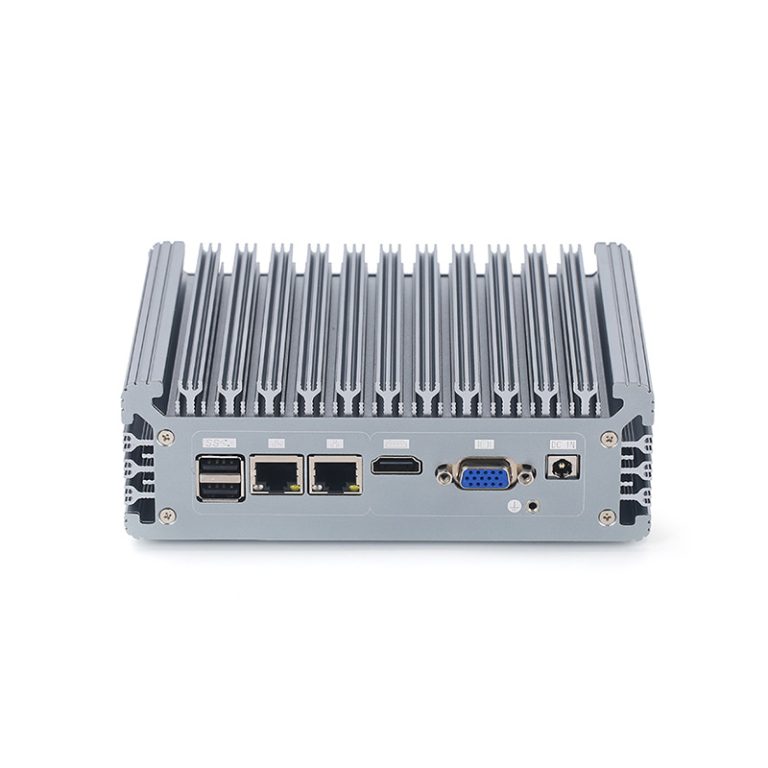
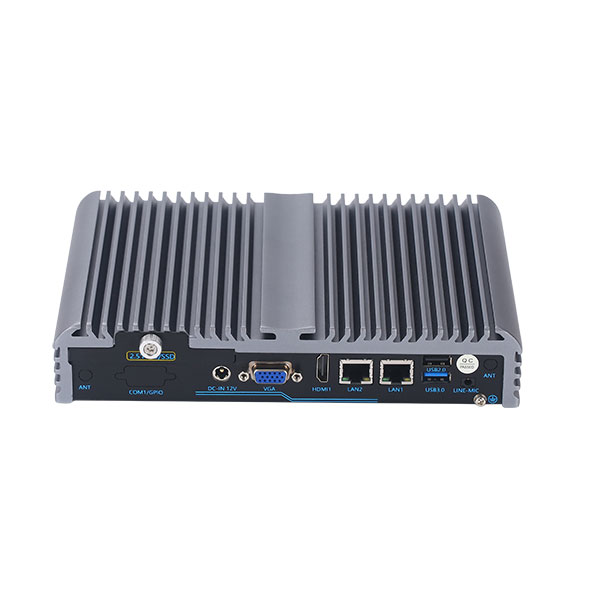
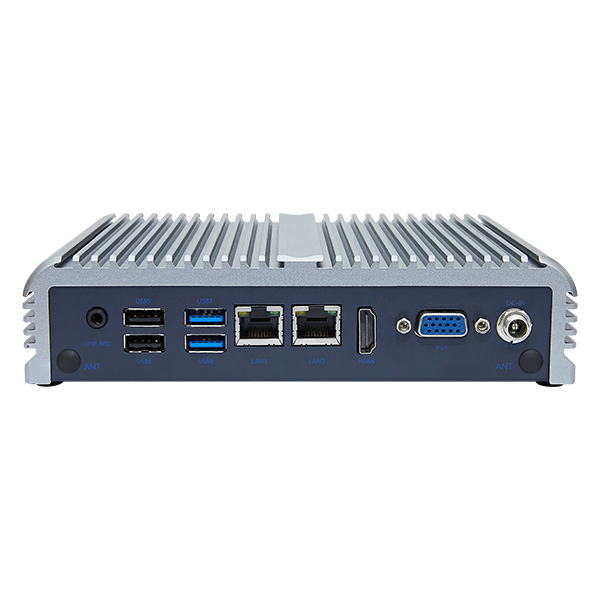
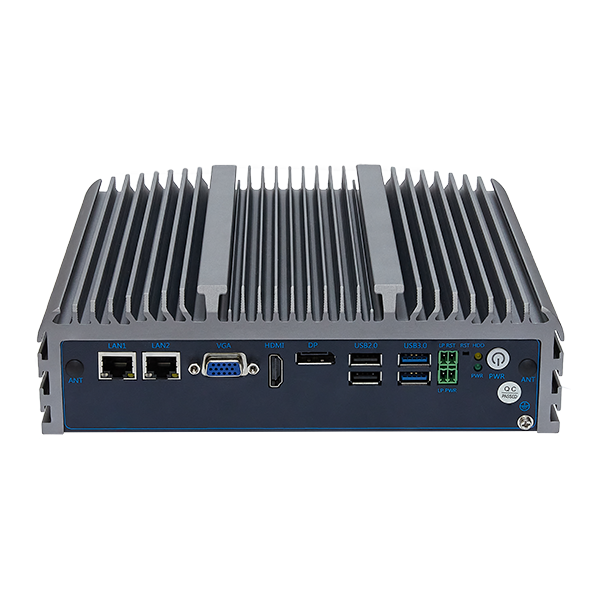
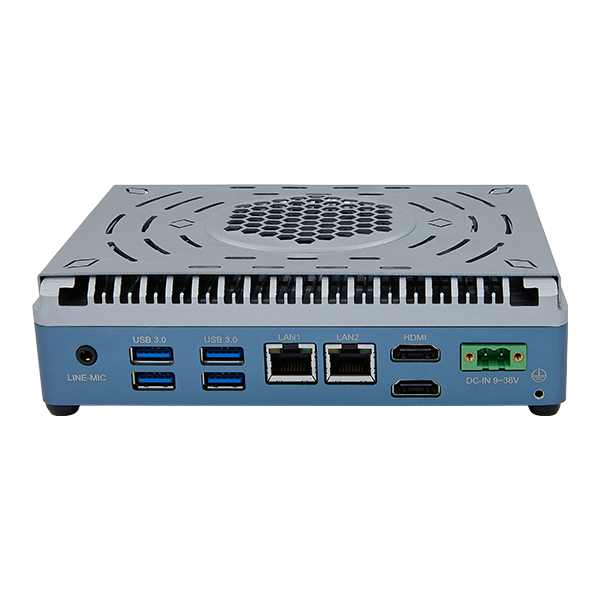
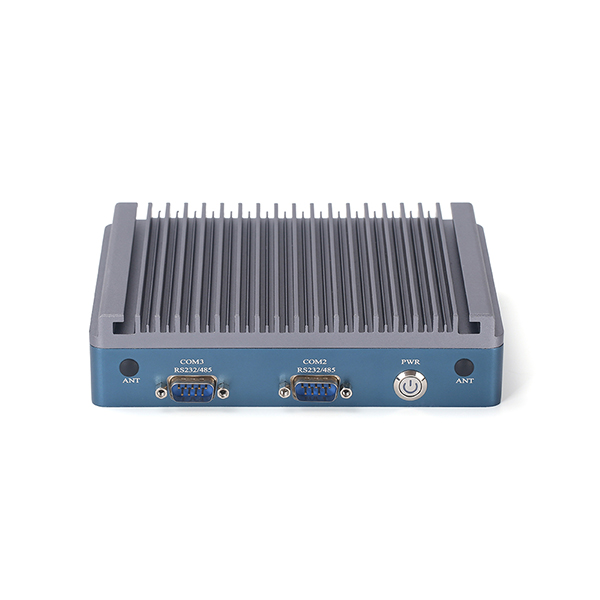
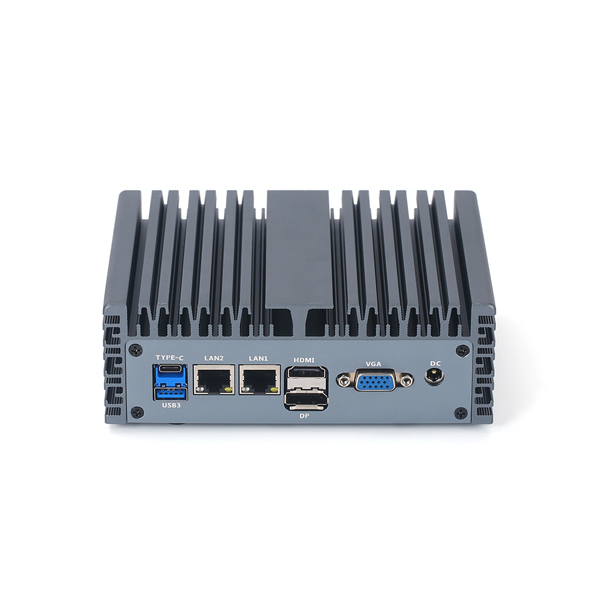
Automated Guided Vehicles (AGV) and Autonomous Mobile Robots (AMR) work in tough environments. High dust levels, constant vibration, and extreme temperatures can damage traditional computers. A fanless embedded computer provides reliable performance and resists these harsh conditions.
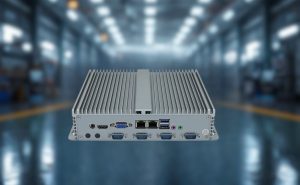
Why Fanless Embedded Computers Are Essential for AGV and AMR
Reliability in 24/7 operation
AGV and AMR systems often run nonstop in warehouses and factories. These robots depend on embedded computers to control movement, navigation, and communication. A fanless embedded computer ensures stable operation without overheating or failure, even during continuous use.
Dust, vibration, and temperature resistance
Industrial environments expose AGV and AMR robots to dust, vibration, and extreme temperatures. Embedded computers must withstand these conditions to function properly. Fanless embedded computers use ruggedized enclosures and solid-state components to resist damage from dust and vibration.
- AGV and AMR systems operate in areas where dust can clog traditional cooling fans.
- Embedded computers with fanless designs prevent dust buildup and reduce maintenance needs.
- These systems also handle wide temperature ranges, making them ideal for harsh industrial settings.
Silent operation and low power consumption
AGV and AMR robots move through busy spaces where noise can disrupt workers. Fanless embedded computers operate silently, improving the work environment. These systems also use less power, which extends battery life for mobile robots.
Embedded computers with low power consumption help AGV and AMR robots run longer between charges. Silent operation is important in healthcare and logistics settings. Fanless designs support both energy efficiency and quiet performance.
Compact size for mobile robot integration
AGV and AMR robots need embedded computers that fit into small spaces. Compact embedded systems allow easy integration into mobile platforms. These computers provide the necessary computing power without taking up much room.
- Embedded computers with small footprints are ideal for AGV and AMR robots.
- Compact systems enable flexible design and placement within the robot chassis.
- This feature supports the development of agile and efficient mobile robots.
Long-term maintenance-free performance
Fanless embedded computers offer maintenance-free operation for AGV and AMR robots. These systems do not have moving parts that wear out over time. Embedded computers with fanless designs reduce the need for repairs and replacements.
Key Features to Look for in AGV/AMR Fanless Embedded Computers
Industrial-grade processors
Industrial environments demand powerful embedded computers. These systems use processors from Intel, AMD, or ARM to deliver reliable performance. Industrial-grade processors support real-time tasks and ensure smooth operation for AGV and AMR robots.
Wide operating temperature range
AGV and AMR robots work in extreme conditions. Embedded computers must operate from -40°C to 85°C without failure. Wide temperature support keeps systems running in hot warehouses or cold storage areas.
Embedded computer systems with this feature resist thermal stress. They maintain real-time performance in changing environments. This reliability is important for iot and industrial applications.
Rugged design
Ruggedized embedded computers protect against dust, moisture, and vibration. IP ratings show resistance to water and dust. Shock and vibration standards ensure systems survive bumps and movement.
- Embedded systems with rugged design last longer in harsh settings.
- These computers reduce maintenance and downtime.
- Rugged features support maintenance-free operation for AGV and AMR robots.
Multiple I/O options
AGV and AMR robots need flexible connectivity. Embedded computers offer multiple I/O options like CAN, RS-485, Ethernet, USB, and GPIO. These ports connect radar, LiDAR, vision systems, and other sensors.
Embedded systems with diverse I/O support real-time communication. They integrate easily with industrial networks and automation equipment. This flexibility improves operational efficiency.
Edge AI and GPU support for vision and navigation
Embedded computers with edge AI and GPU support process vision and navigation tasks. These systems run advanced algorithms for object detection and path planning. Edge computing enables real-time decisions without cloud delays.s.
AGV and AMR Computer Applications
Warehouse automation
Warehouse automation relies on agv and amr technologies to move goods efficiently. Embedded computers control navigation and manage real-time tasks. These systems help reduce errors and improve productivity in industrial environments.
Manufacturing facilities
Manufacturing facilities use agv and amr robots to transport materials between workstations. Embedded computers provide reliable control for these applications. Industrial systems must withstand vibration and temperature changes.
Embedded computers with fanless designs ensure maintenance-free operation. These systems integrate with embedded platforms for real-time production monitoring.
E-commerce fulfillment centers
E-commerce fulfillment centers depend on agv and amr robots for order picking and sorting. Embedded computers manage complex logistics applications. Real-time data processing helps optimize delivery routes.
Embedded systems offer multiple I/O options for connecting sensors and automation equipment. These computers support industrial automation and improve operational efficiency.
Healthcare robotics
Healthcare robotics use agv and amr systems to deliver supplies and medications. Embedded computers enable real-time navigation and safe movement in hospitals. Fanless embedded computers operate silently, which is important in healthcare settings.
Ruggedized embedded systems meet strict hygiene standards. These computers support embedded applications for patient care and logistics.
Smart logistics operations
Smart logistics operations require agv and amr robots for efficient transport and tracking. Embedded computers handle real-time communication between vehicles. These systems support embedded applications for route optimization and inventory management.
| Application Area | Key Embedded System Features |
|---|---|
| Warehouse Automation | Ruggedized, real-time tracking |
| Manufacturing Facilities | Fanless, vibration resistance |
| E-commerce Fulfillment | Multiple I/O, real-time logistics |
| Healthcare Robotics | Silent, hygiene-compliant |
| Smart Logistics | EN50155, vehicle communication |
How to Choose the Right System
Computing power
Computing power is a key factor for AGV and AMR applications. Industrial computers must process data from sensors and control systems quickly. Embedded computers with high-performance processors support real-time navigation and decision-making.
Environmental ratings
Industrial environments can be harsh. Embedded computers need strong environmental ratings to survive dust, moisture, and temperature extremes. Look for systems with IP ratings and compliance with shock and vibration standards.
A table can help compare important ratings:
| Feature | Description |
|---|---|
| IP Rating | Dust and water resistance |
| Temp Range | Operating temperature limits |
| Shock/Vibration | Resistance to physical impacts |
Industrial computers with these ratings last longer and reduce downtime.
Expansion capabilities
AGV and AMR robots often need to connect to many devices. Embedded systems should offer multiple I/O options like CAN, RS-485, Ethernet, USB, and GPIO. Expansion slots allow for future upgrades and new features.
Lifecycle support
Long-term support is important for industrial automation projects. Embedded computers should have a clear product lifecycle and reliable technical support. This ensures systems stay operational and compatible with iot and edge computing needs.
Industrial computers with strong lifecycle support reduce the risk of unexpected failures. Reliable embedded computing helps maintain productivity in industrial settings.
Future Trends in Fanless Embedded Computing for Robotics
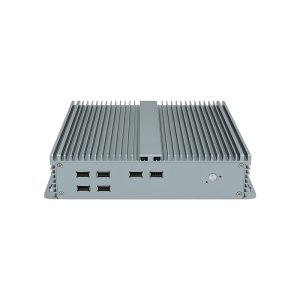
AI-accelerated edge computing
AI-accelerated edge computing is changing how embedded systems work in robotics. Embedded computers now process data from sensors and cameras in real-time. These systems use edge computing technologies to make decisions quickly, which is important for real-time vehicle telematics and industrial automation.
5G and private networks integration
5G and private networks are becoming important for embedded systems in AGV and AMR robots. These networks allow real-time communication between embedded computers and other devices. Fast and reliable connections help embedded systems share data for navigation and control.
A table shows the benefits of 5G for embedded systems:
| Feature | Benefit |
|---|---|
| Low Latency | Real-time data transfer |
| High Bandwidth | Supports many embedded devices |
| Reliability | Reduces mission-critical downtime |
5G networks support real-time embedded systems in large industrial spaces.
Smaller form factors and higher performance
Embedded systems are getting smaller and more powerful. Compact embedded computers fit into tight spaces inside robots. These systems still deliver high performance for real-time tasks and industrial applications.
Smaller embedded systems help designers create lighter and more agile robots. High performance supports complex tasks like vision processing and navigation. This trend leads to better integration in industrial environments.
Sustainability and green computing
Sustainability is a growing focus for embedded systems. Green computing means using less energy and creating less waste. Embedded computers with low power use help reduce the environmental impact of industrial operations.
Conclusion
Fanless embedded computers play a vital role in AGV and AMR applications. These embedded systems deliver reliable performance in industrial environments. Embedded computers with fanless designs resist dust, vibration, and temperature extremes.
Industrial computers support edge AI for real-time telematics and navigation. Embedded systems offer maintenance-free operation and long-term longevity. Embedded computers with multiple I/O options connect to sensors and telematics applications.
Selecting the right embedded computer ensures success in industrial automation applications. Embedded systems with rugged features and fanless and cableless design improve uptime. Embedded computers help optimize applications across many industrial settings.