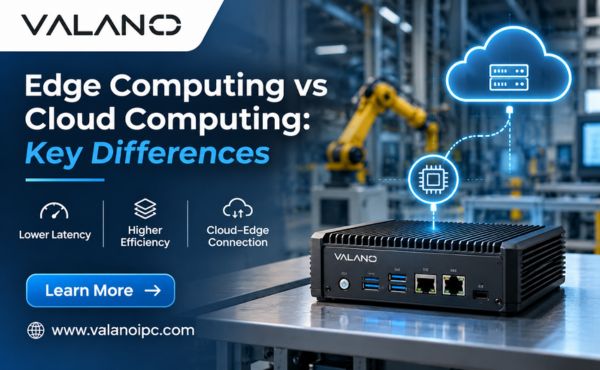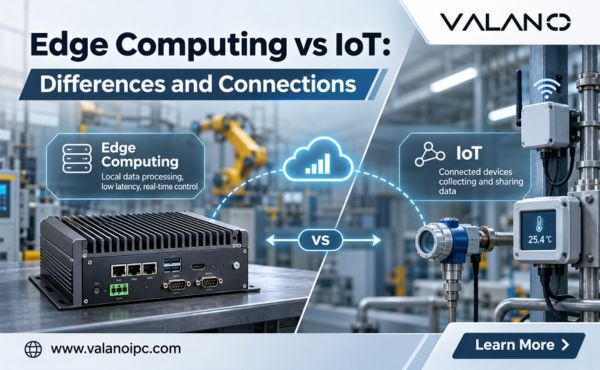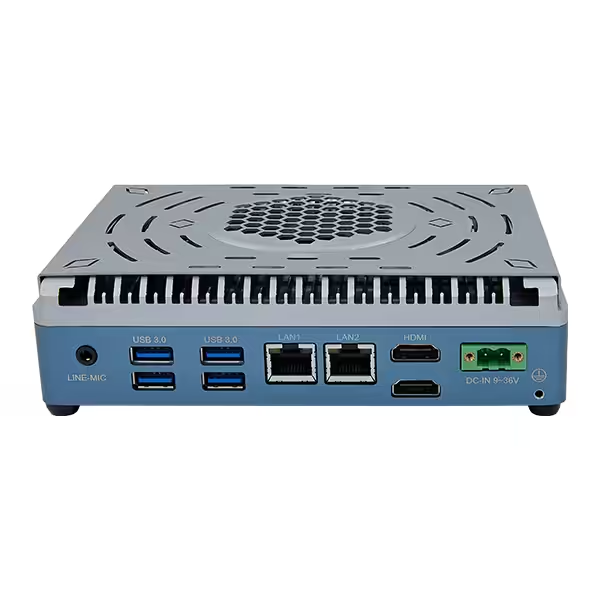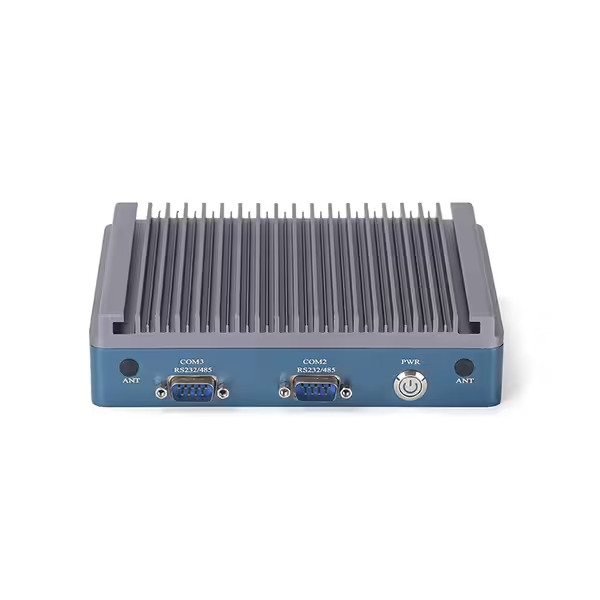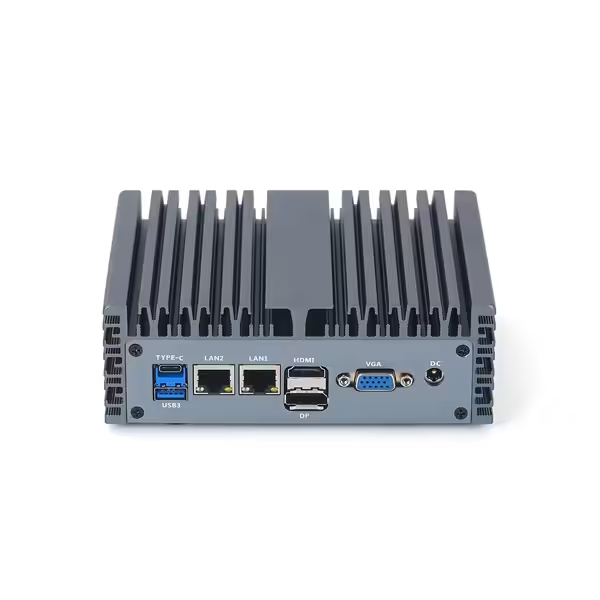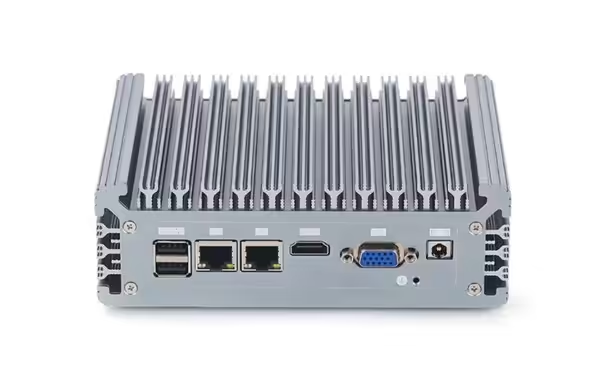
Edge computing and cloud computing differ primarily in where data is processed and how computing resources are distributed. Edge computing processes data on devices or servers close to its source, while cloud computing provides computing and storage resources through centralized or geographically distributed data centers.
These differences influence network latency, bandwidth consumption, processing capacity, system reliability, and operating costs. Both approaches support modern digital infrastructure, but they are suited to different workloads.
This guide compares edge computing vs cloud computing, explains their advantages and limitations, and examines how they work together in industrial applications.
What Is Edge Computing?
Edge computing is a distributed computing approach that places data processing and analysis close to where information is generated. Instead of transferring all raw data to a remote server, an edge device can process information locally and transmit selected results to other systems.
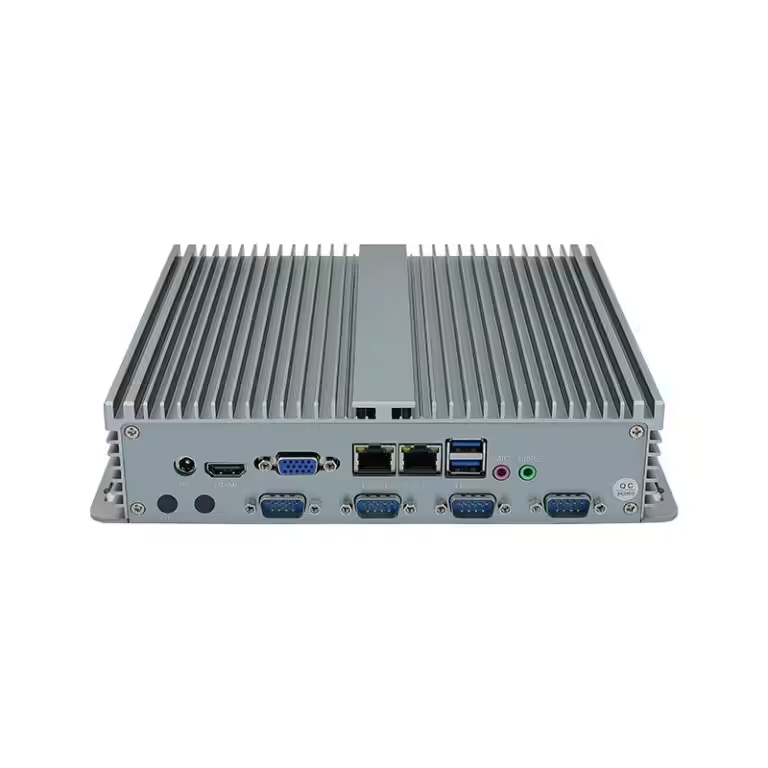
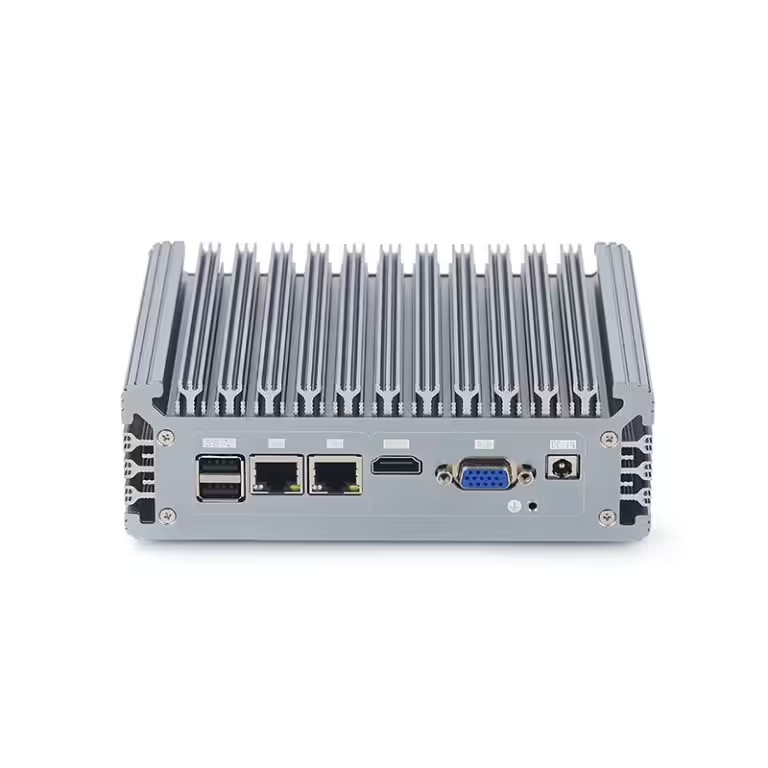
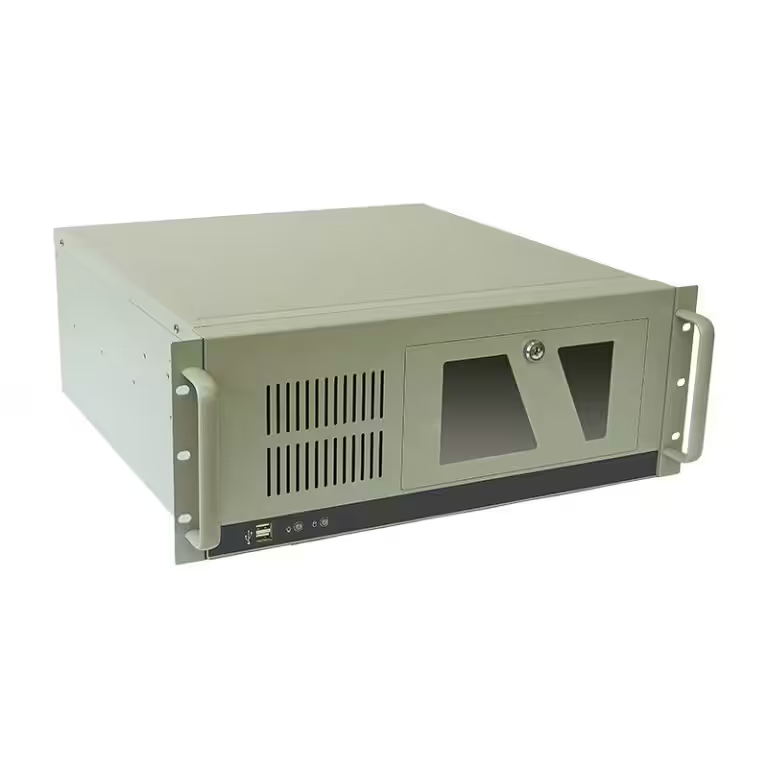
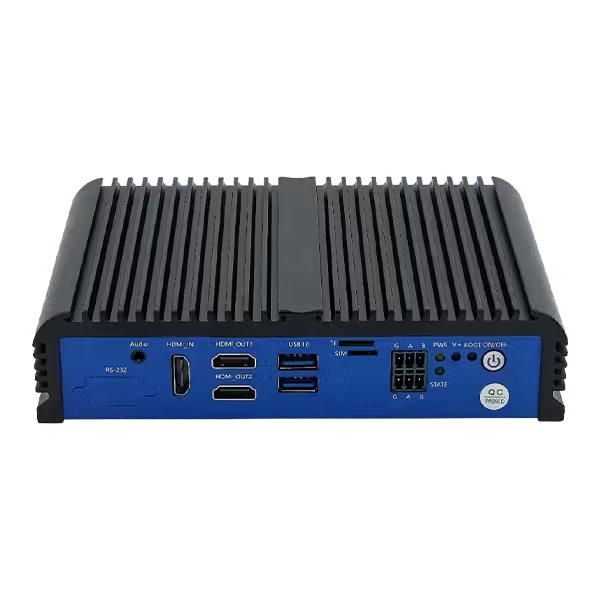
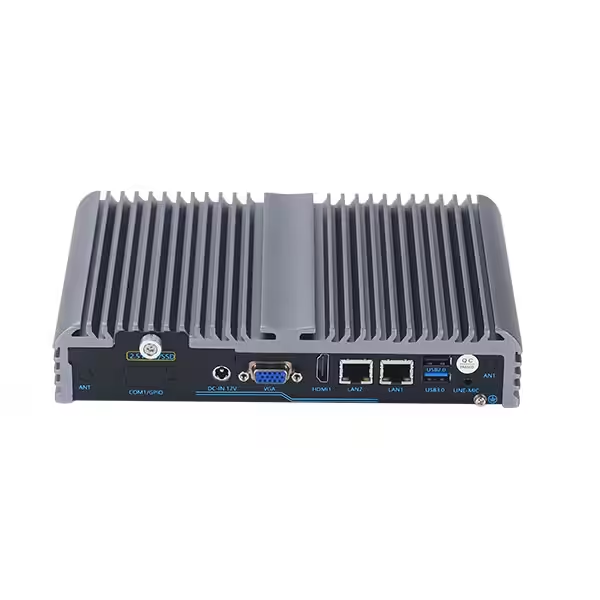
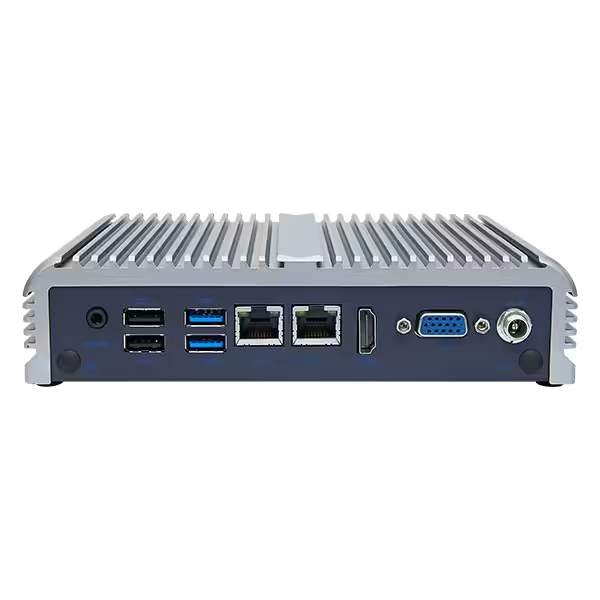
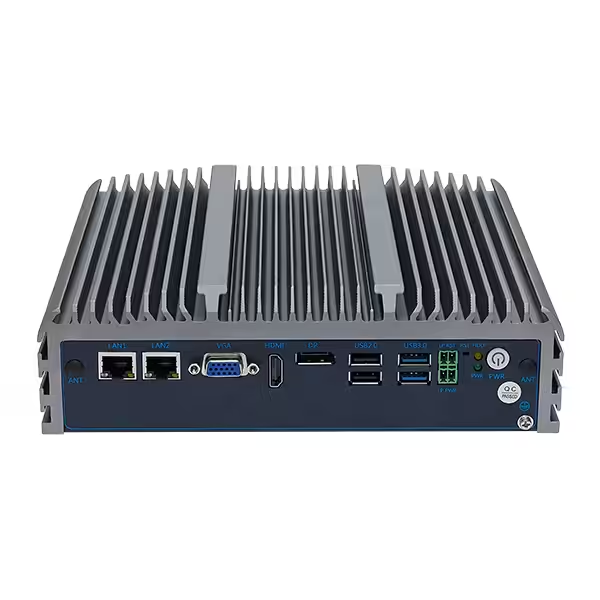
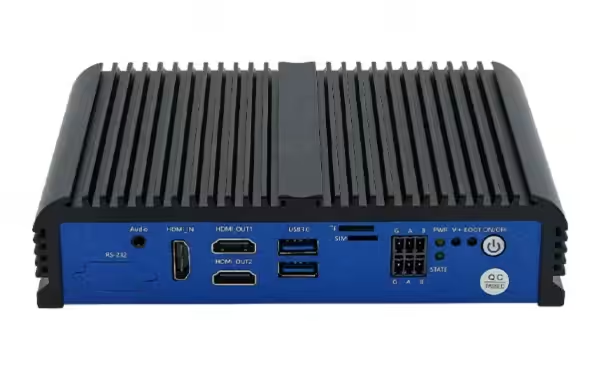
Edge computing infrastructure may include industrial PCs, embedded computers, edge servers, IoT gateways, and intelligent devices with integrated processing capabilities.
In industrial environments, these systems can perform several functions:
- Processing machine and sensor data locally
- Running machine vision and AI inference applications
- Filtering and aggregating industrial IoT data
- Detecting abnormal operating conditions
- Supporting local monitoring and automation functions
The main benefit of edge computing is reducing dependence on remote processing for tasks that require fast responses or continuous local operation.
However, edge computing does not eliminate the need for centralized infrastructure. Many deployments still use cloud services for data storage, software management, and large-scale analytics.
What Is Cloud Computing?
Cloud computing delivers computing resources such as servers, databases, storage, networking, and software over a network. Organizations can access these resources without maintaining all the underlying infrastructure themselves.
Cloud platforms are particularly suitable for applications that require substantial processing capacity, flexible resource allocation, and centralized access to information.
Common cloud computing workloads include:
- Large-scale data storage and analysis
- Enterprise resource planning and business applications
- Machine learning model training
- Centralized monitoring across multiple locations
- Data backup and disaster recovery
Cloud platforms allow organizations to increase or reduce allocated resources as their requirements change. They also simplify access to shared applications and data across geographically distributed facilities.
The main limitation for certain industrial applications is that remote processing depends on network connectivity. Data must travel between the equipment and the remote computing environment, potentially introducing additional delay and communication costs.
Edge Computing vs Cloud Computing: Key Differences
The primary distinction is data processing location, but the practical differences extend to performance, infrastructure management, security, and operating expenses.
| Feature | Edge Computing | Cloud Computing |
|---|---|---|
| Processing location | On or near data sources | Remote data centers |
| Network latency | Generally lower for local tasks | Depends on network distance and conditions |
| Bandwidth | Can reduce upstream data transmission | May require greater data transfer |
| Computing capacity | Limited by deployed hardware | Broad access to scalable resources |
| Connectivity | Can support offline operation | Remote services require connectivity |
| Data privacy | Can retain sensitive data locally | Data handling depends on cloud configuration |
| Maintenance | Distributed devices require management | Provider manages much of the infrastructure |
| Cost structure | Local hardware and maintenance | Usage-based services and networking costs |
| Best suited for | Local processing and rapid decisions | Large-scale analysis and centralized services |
Processing Location and Latency
Latency is the time between sending a request and receiving the corresponding response.
In cloud computing, data typically travels through a network to a remote processing environment before results return to the application. Network distance, congestion, processing time, and communication protocols all contribute to total response latency.
Edge computing reduces the communication distance by processing data locally. This can improve response times for applications such as machine vision inspection and equipment condition monitoring.
However, lower network latency does not automatically guarantee deterministic real-time performance. Industrial control applications may require real-time operating systems, specialized communication protocols, and carefully designed control hardware.
The distinction matters because a system with low average response latency may still experience unacceptable timing variation for critical control tasks.
Bandwidth and Data Transfer
Industrial cameras, sensors, and automated production equipment can generate continuous streams of data.
Transmitting all this information to the cloud increases network bandwidth requirements. Depending on the application and billing model, it may also increase data transfer and storage costs.
Edge computing reduces these requirements by processing raw data locally and sending only selected information.
For machine vision inspection, an edge computer can analyze camera images and transmit inspection results, equipment status, or selected images instead of continuously uploading every frame.
The actual bandwidth reduction depends on how much raw data is retained, how frequently results are transmitted, and whether the application requires remote access to the original information.
Computing Power and Scalability
Cloud computing provides access to flexible computing capacity, making it suitable for workloads that require substantial processing resources.
Organizations can allocate additional virtual machines, storage, or acceleration hardware without physically upgrading every facility.
Edge computing relies on local processing hardware. Its performance depends on the installed CPU, GPU, memory, storage, and thermal design.
An industrial edge computer may provide sufficient processing capacity for equipment monitoring or local AI inference. However, larger workloads may require more powerful edge servers or centralized computing infrastructure.
Scaling edge computing also involves deploying and maintaining additional devices across physical locations.
Therefore, cloud computing generally offers greater flexibility for centrally managed computing resources, while edge computing scales by distributing resources closer to operational equipment.
Security and Data Privacy
Edge computing can reduce the amount of sensitive data transmitted outside a facility. Local processing may be particularly useful where organizations need tighter control over operational information.
However, keeping data local does not automatically make an edge system secure.
Industrial edge devices still require access controls, software updates, network segmentation, encryption, and protection against unauthorized physical access.
Cloud platforms provide centralized security tools and professionally managed infrastructure, but organizations must configure identities, permissions, storage, and data handling correctly.
The more appropriate approach depends on data sensitivity, compliance requirements, operational responsibilities, and the security capabilities of the overall architecture.
Reliability and Connectivity
Cloud-based applications generally require reliable network access to communicate with remote services.
If connectivity becomes unavailable, applications that depend entirely on cloud processing may stop receiving data or providing timely results.
Edge computing can continue executing designated local workloads during network interruptions, provided the necessary software, data, and resources are available on-site.
For industrial facilities, this can support continuous equipment monitoring and selected automation functions even when external connectivity is interrupted.
Nevertheless, edge systems have their own failure risks. Hardware faults, storage failures, and local power interruptions can affect operations.
Reliable edge deployments therefore require suitable hardware, maintenance procedures, backup strategies, and recovery mechanisms.
Deployment and Operating Costs
Comparing edge computing vs cloud computing costs requires evaluating the complete system rather than individual hardware or subscription prices.
Edge computing typically involves local hardware purchases, installation, software deployment, power consumption, and ongoing maintenance.
Cloud computing commonly involves computing subscriptions or usage charges, storage, data transfer, and service management.
Edge processing may reduce cloud bandwidth and processing expenses, particularly when applications generate large amounts of raw data. However, deploying many local computers may increase hardware and maintenance expenses.
Cloud services can reduce the need for local infrastructure while allowing flexible resource allocation, but recurring costs may grow with workload intensity and data transfer requirements.
The lower-cost option depends on application requirements, deployment scale, data volumes, and equipment lifecycle.
Advantages and Limitations of Edge and Cloud Computing
Both architectures offer meaningful advantages, but neither is universally superior.
Edge computing advantages
- Faster responses for locally processed workloads
- Reduced upstream bandwidth requirements
- Greater independence from external network connectivity
- More control over where sensitive data is processed
- Support for distributed industrial applications
Its main limitations include finite local computing capacity, additional hardware management, and the complexity of maintaining devices across multiple sites.
Cloud computing advantages
- Flexible computing and storage capacity
- Centralized access to applications and data
- Convenient resource scaling
- Support for large-scale analytics and model training
- Reduced responsibility for maintaining physical server infrastructure
Its limitations include network dependence for remote services, possible communication latency, and costs associated with ongoing usage and data transfer.
These trade-offs explain why architecture selection should follow application requirements rather than assumptions that one technology is always better.
Edge Computing vs Cloud Computing in Industrial Applications
Industrial environments demonstrate how processing location affects system performance and operational requirements.
Machine Vision and Quality Inspection
Machine vision systems capture images that must be analyzed during production.
Edge computers equipped with suitable processors or AI accelerators can perform image processing and defect detection near the production line. This reduces the need to transmit high-volume image streams to remote services for every inspection decision.
Cloud platforms can support centralized analysis of inspection trends, historical records, and model development.
Predictive Maintenance
Industrial sensors collect operating information such as vibration, temperature, and equipment status.
Edge systems can process sensor readings locally, identify abnormal patterns, and generate alerts according to configured rules or analytical models.
Cloud platforms can aggregate information from multiple machines or facilities to support longer-term analysis and maintenance planning.
Industrial IoT Monitoring
Industrial IoT networks connect machines, controllers, gateways, and monitoring platforms.
An edge computer can collect information from local equipment, normalize industrial protocols, and transmit selected data to centralized systems.
Cloud services can then provide fleet-wide dashboards, historical analysis, and enterprise-level reporting.
In each application, the appropriate processing location depends on the required response time, available connectivity, and amount of data generated.
How Edge and Cloud Computing Work Together
Edge computing and cloud computing are frequently deployed as complementary parts of the same architecture.
In a hybrid edge-cloud system, computing responsibilities are divided according to workload requirements.
Typical architecture: Machines, sensors, cameras, and PLCs → Industrial edge computer (local data processing, filtering, AI inference) ↔ Cloud platform (long-term storage, centralized analytics, model training).
A typical deployment operates as follows:
- Industrial devices generate operational data.
- Edge computers collect and process information near the equipment.
- Local applications perform the tasks that require immediate or site-specific responses.
- Selected information is transmitted to cloud platforms for storage and broader analysis.
- Central systems distribute configuration changes, software updates, or analytical models when needed.
This arrangement combines the responsiveness of local computing with centralized management and scalable cloud resources.
Choosing Between Edge and Cloud Computing
The most appropriate architecture depends on several operational requirements.
Choose edge computing when:
- Applications require low-latency processing near equipment.
- Network connectivity is unreliable or limited.
- Raw data volumes make continuous transmission impractical.
- Sensitive information should remain within the local environment.
- Industrial equipment needs dedicated local computing resources.
Choose cloud computing when:
- Applications require substantial or variable computing capacity.
- Centralized data access is a primary requirement.
- Workloads involve large-scale analysis or long-term data storage.
- Network connectivity is sufficiently reliable.
- Organizations prefer centrally managed computing services.
Consider hybrid edge-cloud computing when applications require fast local processing alongside centralized analytics, storage, or system management.
For industrial edge deployments, hardware selection is also important. The computing platform must support the required processing performance, interfaces, operating system, installation conditions, and environmental specifications.
Industrial PCs and embedded computers can provide this local processing capability when properly configured for their intended workloads.
Frequently Asked Questions
Is edge computing faster than cloud computing?
Edge computing generally reduces network communication latency because processing occurs closer to the data source. However, total application performance also depends on hardware capability, software efficiency, network conditions, and workload complexity.
Can edge computing replace cloud computing?
Edge computing can replace cloud processing for selected local workloads, but it does not necessarily replace cloud services for centralized storage, large-scale analytics, or resource-intensive computing. Many systems benefit from using both.
Is edge computing cheaper than cloud computing?
Not always. Edge computing can reduce bandwidth and cloud usage expenses, but it introduces hardware, installation, and maintenance costs. Total cost depends on workload size, deployment scale, and operating requirements.
Is edge computing more secure than cloud computing?
Neither approach is inherently more secure. Edge computing can keep more data local, while cloud platforms provide centralized security capabilities. Both require appropriate cybersecurity controls.
Does edge computing require an internet connection?
Edge applications can operate without a continuous internet connection when their software and required resources are available locally. Remote monitoring, centralized synchronization, and cloud-dependent functions still require connectivity.
Conclusion
The key difference between edge computing and cloud computing is where data processing takes place. Edge computing emphasizes local processing, reduced communication latency, and operational independence. Cloud computing provides flexible computing resources, centralized management, and large-scale storage and analysis.
For industrial applications, the choice depends on response-time requirements, data volumes, connectivity, security, and lifecycle costs.
In many industrial systems, combining edge computing with cloud services provides a practical balance between local performance and centralized capabilities.