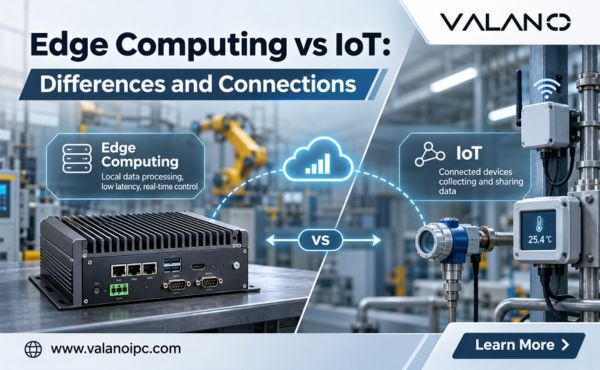
Edge computing and the Internet of Things (IoT) are closely related technologies, but they serve different purposes. IoT connects physical devices so they can collect, exchange, and use data, while edge computing enables processing to take place on or near the devices generating that data.
The distinction is important because IoT systems do not always require dedicated edge computing infrastructure, and edge computing is not limited to IoT applications.
Understanding edge computing vs IoT helps explain how connected devices, local processors, gateways, and cloud platforms operate together, particularly in industrial automation and manufacturing.
What Is the Internet of Things (IoT)?
The Internet of Things (IoT) is a network of physical devices equipped with sensing, communication, processing, or control capabilities. These devices exchange information with other systems to support monitoring, automation, and data-driven operations.
An IoT system may include sensors, cameras, controllers, communication networks, software platforms, and applications.
Its primary functions include:
- Collecting information from physical equipment and environments
- Exchanging data between connected devices and applications
- Supporting remote equipment monitoring
- Enabling automated actions and control
- Providing operational information for analysis and decision-making
IoT devices vary considerably in their capabilities. Some sensors perform limited measurement and communication functions, while more advanced devices include processors that can analyze data or execute applications locally.
IoT therefore describes a broader connected system rather than a particular method of processing data.
What Is Edge Computing?
Edge computing is a distributed computing approach that places processing resources close to the devices, equipment, or users generating data.
Instead of requiring every operation to be completed by a remote server, an edge computing system can analyze information locally and transmit selected results when necessary.
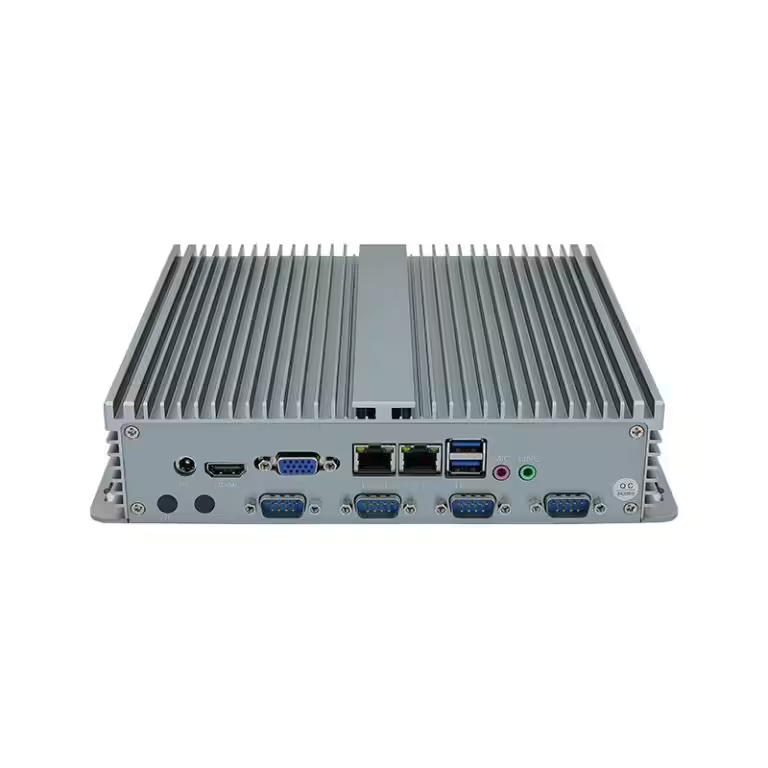
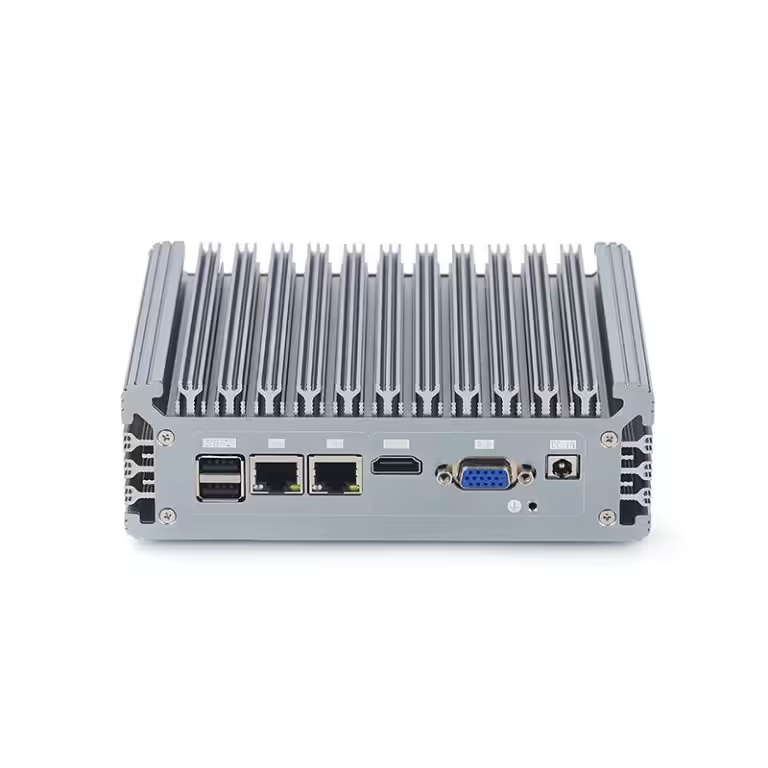
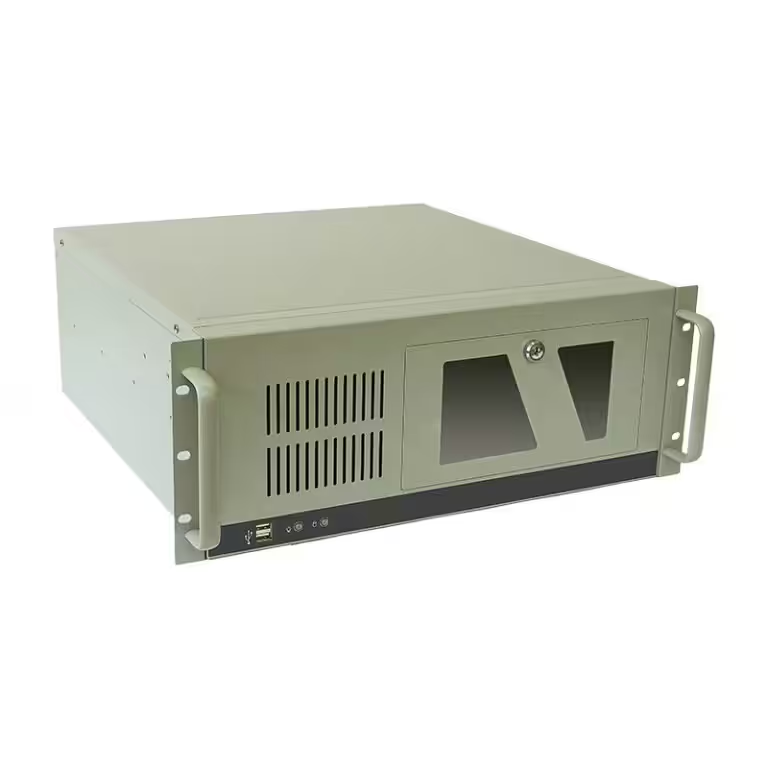
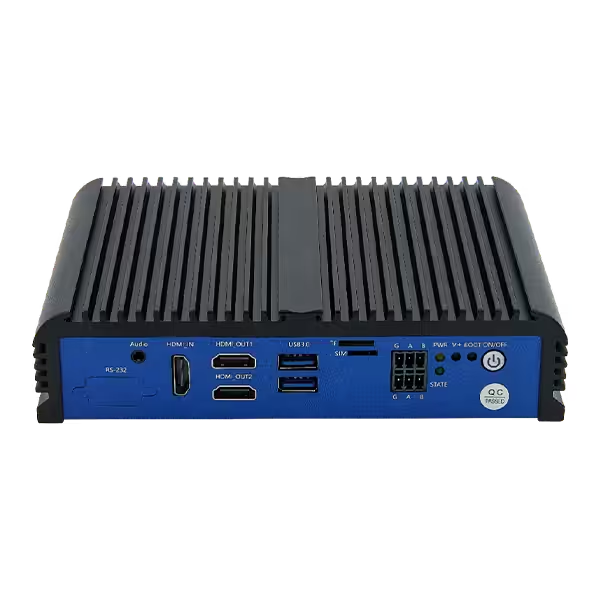
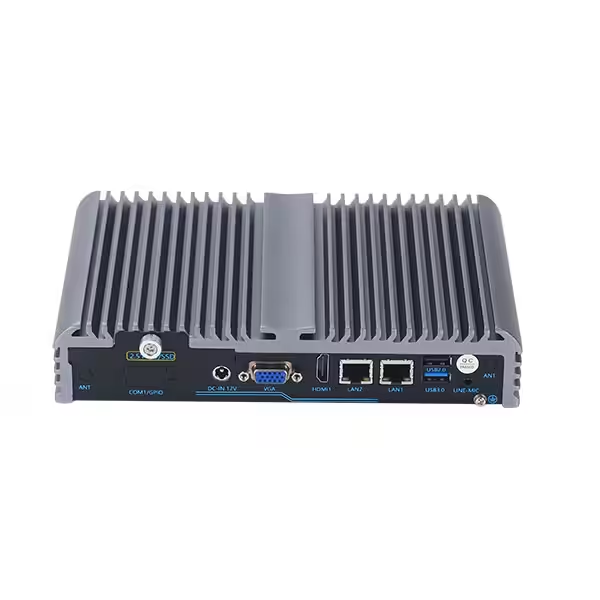
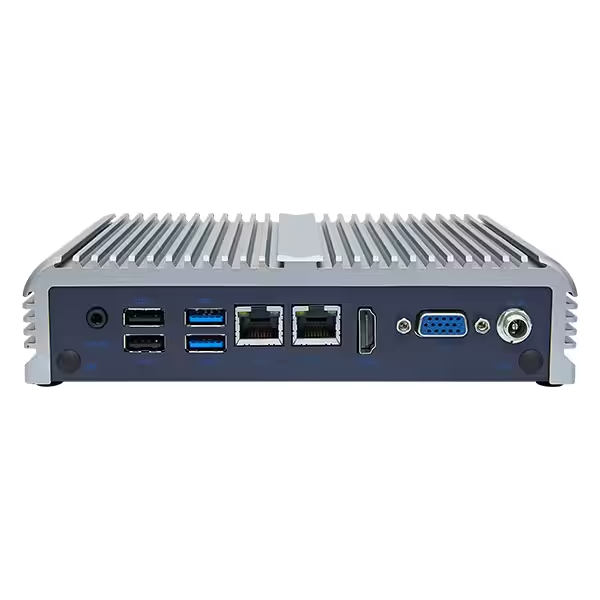
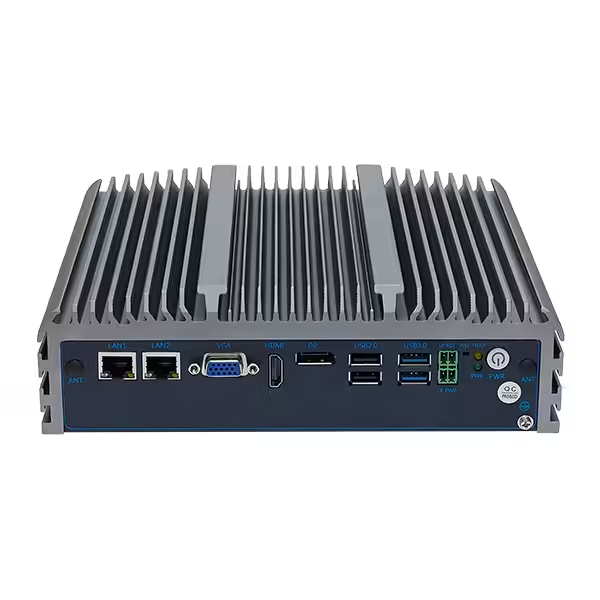
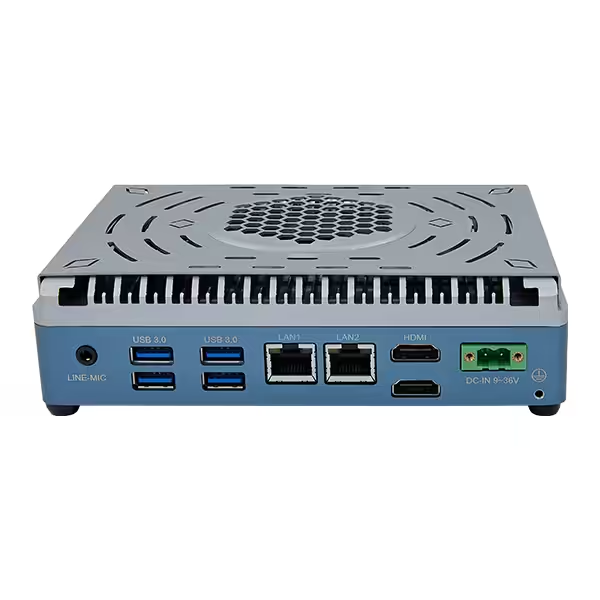
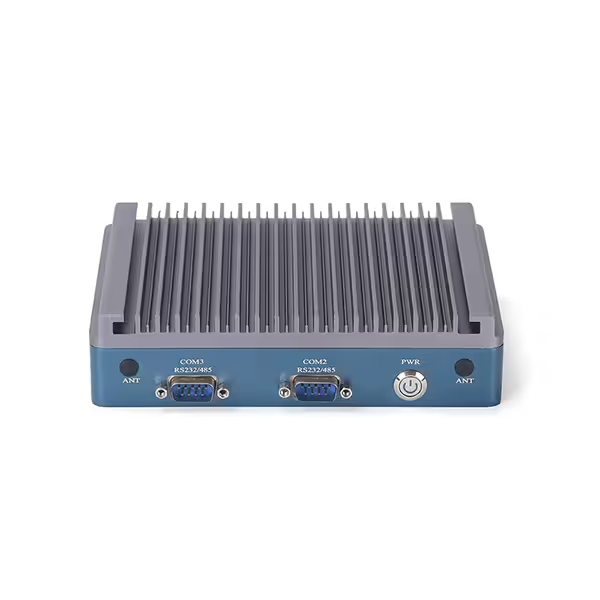
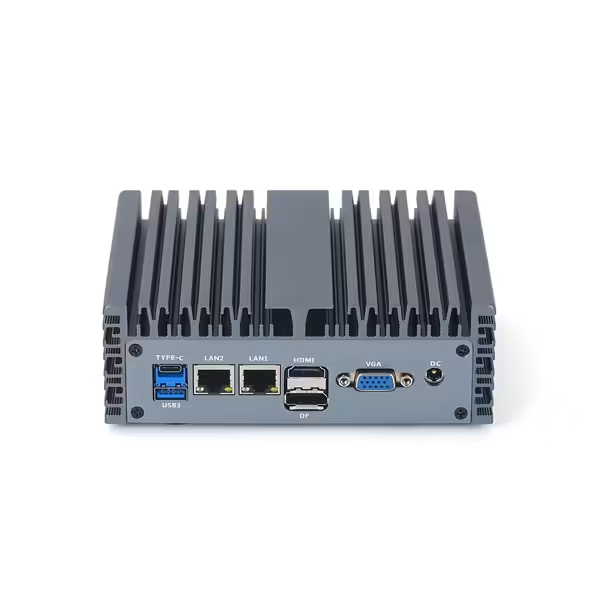
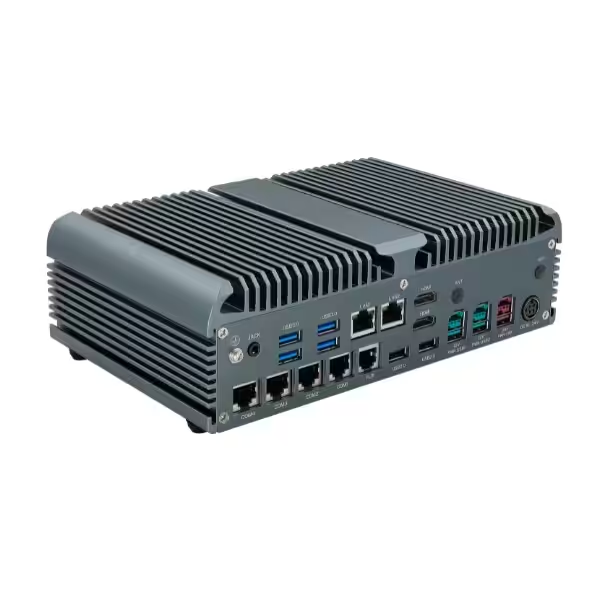
Edge processing may run directly on capable IoT devices or on nearby hardware such as embedded computers, industrial PCs, gateways, and edge servers.
Common edge computing functions include:
- Local data filtering and aggregation
- Real-time equipment monitoring
- Machine vision processing
- AI inference and anomaly detection
- Protocol conversion and data preparation
- Local application execution
Edge computing is particularly useful when applications require fast responses, generate large data volumes, or operate with limited network connectivity.
Unlike IoT, which describes connected physical systems, edge computing focuses on the location and organization of computing resources.
Edge Computing vs IoT: Key Differences
The main difference between IoT and edge computing is their role in a connected system.
IoT focuses on connecting physical devices and enabling data exchange. Edge computing determines how processing tasks can be performed close to those devices.
| Feature | IoT | Edge Computing |
|---|---|---|
| Definition | Networked physical devices and supporting systems | Distributed computing near data sources |
| Primary focus | Connectivity, sensing, monitoring, and interaction | Local data processing and analysis |
| Main components | Sensors, controllers, networks, applications | Local processors, gateways, edge servers |
| Data processing | On devices, gateways, or remote platforms | On or near the data source |
| Cloud dependence | Depends on system architecture | Local workloads can run independently |
| Main benefit | Connectivity and operational visibility | Faster local processing and reduced data transmission |
| Relationship | Can incorporate edge computing | Can support IoT and non-IoT applications |
Purpose and Function
IoT allows physical equipment and digital applications to exchange information.
Its purpose is to make device data available for monitoring, coordination, automation, and other operational functions.
Edge computing addresses a different requirement: executing selected processing tasks close to where information originates.
In an industrial monitoring system, IoT connectivity makes machine information available to applications. Edge computing can analyze that information locally and determine whether immediate processing or a local response is necessary.
Both functions can operate within the same system without performing identical roles.
Data Processing and Connectivity
IoT architectures can process data at several locations, including device processors, local gateways, on-site servers, and cloud platforms.
A simple connected sensor may transmit measurements directly to a remote monitoring system. More advanced devices may process information before transmission.
Edge computing specifically emphasizes processing close to the data source.
This can reduce communication latency and avoid transferring unnecessary raw data across external networks.
However, IoT does not always depend on the public internet. Industrial IoT systems may use private networks and local communication protocols, with or without external connectivity.
Similarly, edge computing does not require every application to connect to a cloud service.
Devices and Infrastructure
IoT infrastructure includes physical devices and the communication systems connecting them.
Edge computing infrastructure emphasizes the processing resources needed to execute local workloads.
An IoT sensor may contain a small microcontroller that measures and transmits temperature data. An industrial edge computer may run more demanding software that processes readings from hundreds of connected devices.
There is no strict hardware boundary between the two categories. A capable IoT device can perform edge computing directly, while an industrial gateway may combine connectivity and processing functions.
The classification depends on the device’s role and capabilities rather than its product name alone.
System Architecture
IoT describes an interconnected system that may include devices, networks, software platforms, and application services.
Edge computing introduces a processing architecture that distributes workloads closer to the physical environment.
In some systems, the IoT architecture sends data to centralized servers for analysis. In others, selected workloads run on local devices or edge computing nodes.
A combined architecture can distribute responsibilities across device, edge, and cloud layers according to processing requirements.
How Edge Computing and IoT Work Together
Edge computing and IoT often operate as complementary parts of one architecture.
Connected devices collect operational data, while edge processing resources analyze selected information locally. Centralized platforms can then receive the results for broader monitoring or long-term analysis.
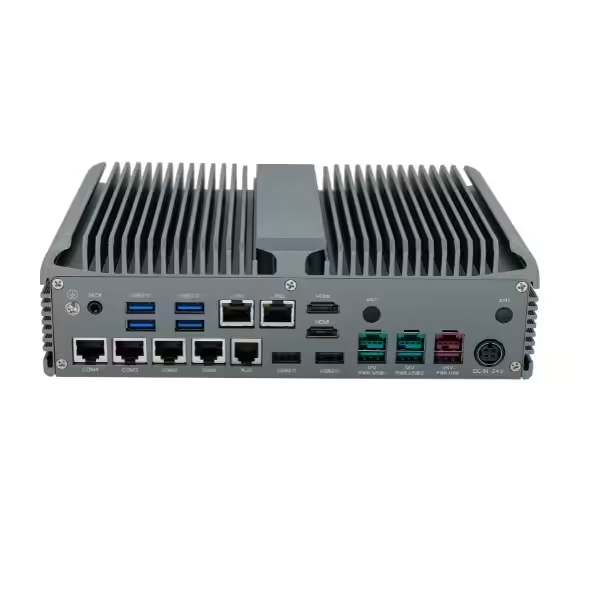
Illustrative architecture: IoT devices (sensors, cameras, machines, controllers) ↔ Edge computing layer (industrial PCs, gateways, edge servers) ↔ Centralized systems or cloud (historical data, dashboards, cross-site analytics). Some devices can perform edge processing without a separate gateway or edge computer.
A typical industrial deployment follows this sequence:
- Sensors and controllers collect information from equipment.
- Communication networks transfer data to an edge device or local application.
- Edge processing software filters, analyzes, or transforms the information.
- Local systems generate alerts or execute permitted operational actions.
- Selected data is transferred to centralized applications for additional analysis.
This arrangement allows IoT connectivity and edge processing to support different requirements within the same infrastructure.
Benefits of Edge Computing in IoT Systems
Adding edge computing to an IoT architecture can provide several operational benefits.
Lower communication latency
Processing data locally reduces the time spent transferring information to remote services. This is especially useful when applications need rapid responses to changing conditions.
Reduced bandwidth consumption
Edge systems can filter measurements, aggregate readings, and transmit selected results instead of continuously uploading every piece of raw data.
Improved operational continuity
Local applications can continue performing designated functions during external network interruptions, provided the necessary processing resources and data remain available.
Greater control over sensitive data
Organizations can process selected information within their facilities and reduce unnecessary transmission to external systems.
More capable local applications
Edge computers can provide additional computing resources for applications that exceed the processing capabilities of basic IoT devices, including machine vision and AI inference.
These benefits depend on system design. Additional edge hardware introduces maintenance, software management, and cybersecurity responsibilities.
Edge Computing and Industrial IoT Applications
Industrial IoT (IIoT) connects manufacturing equipment, machines, industrial sensors, and monitoring systems.
Edge computing supports these networks by providing processing capabilities near industrial equipment.
Equipment Condition Monitoring
Industrial sensors collect information such as temperature, vibration, and operating status.
An edge computer can analyze this data locally to identify unusual patterns or generate alerts based on configured conditions.
Selected information can then be transferred to centralized systems for maintenance records and historical analysis.
Machine Vision Inspection
Industrial cameras generate image data that may require substantial processing capacity.
Edge computers equipped with suitable CPUs or GPUs can analyze images locally and identify defects or other inspection conditions.
The results can be communicated to monitoring or control systems without requiring every image to be processed remotely.
Industrial Data Acquisition
Manufacturing equipment often uses different communication protocols and interfaces.
Industrial gateways and edge computers can connect to compatible controllers and devices, collect operating data, and convert it into formats accepted by monitoring applications.
This can help integrate existing equipment into modern industrial IoT systems without replacing every machine controller.
Smart Manufacturing
Smart manufacturing systems use connected equipment and operational data to improve production visibility and coordination.
Edge computing supports local analytics, equipment monitoring, and selected automation applications.
Centralized platforms can combine information from multiple production lines or facilities to support broader operational analysis.
When IoT Systems Need Edge Computing
Not every IoT deployment requires a dedicated edge computer.
Simple monitoring applications may function adequately by transmitting occasional sensor readings to centralized platforms.
Additional edge processing becomes more useful when the application has specific performance or operational requirements.
| Application requirement | Edge computing consideration |
|---|---|
| Small amounts of periodic sensor data | Dedicated edge processing may be unnecessary |
| Continuous high-volume camera data | Local image processing can reduce data transmission |
| Rapid equipment monitoring and alerts | Local processing can improve responsiveness |
| Unreliable external connectivity | Local applications can support continued operation |
| AI inference near equipment | Edge computers may provide necessary acceleration |
| Centralized historical reporting | Remote or cloud platforms may be sufficient |
The decision should consider data volume, processing complexity, response-time requirements, network availability, and lifecycle costs.
For industrial applications, environmental conditions and equipment interfaces also influence hardware selection.
IoT Devices vs IoT Gateways vs Edge Computers
These terms are related but refer to different hardware roles.
IoT Devices
IoT devices interact directly with physical processes or environments. They may contain sensors, actuators, communication interfaces, or embedded processors.
Some perform basic data acquisition, while others support advanced local processing.
IoT Gateways
IoT gateways connect devices or networks using different communication protocols.
They may collect data, convert protocols, manage communication, and provide security or connectivity functions.
Certain gateways also support local analytics and application execution, allowing them to operate as edge computing nodes.
Edge Computers
Edge computers provide processing resources for applications running near connected equipment.
Industrial edge computers may support general-purpose operating systems, multiple communication interfaces, local storage, and hardware acceleration.
They can execute applications such as data analysis, machine vision, AI inference, and industrial monitoring software.
For industrial deployments, industrial PCs and embedded computers can serve as edge computing platforms when their hardware and software capabilities meet the required workload.
The distinction is functional rather than absolute. A single device may combine gateway, IoT, and edge computing capabilities.
Frequently Asked Questions
Is edge computing the same as IoT?
No. IoT refers to connected physical devices and the systems that exchange information with them. Edge computing refers to processing data on or near its source. Edge computing can be part of an IoT architecture, but the two terms are not interchangeable.
Can IoT work without edge computing?
Yes. IoT systems can send data directly to remote services or perform limited processing within connected devices. Dedicated edge infrastructure is useful when applications require additional local computing capability.
Can edge computing work without IoT?
Yes. Edge computing can support applications that process information locally without relying on a broader IoT network. Local video analytics and other distributed computing applications can use edge processing independently of an IoT platform.
Are IoT gateways and edge computers the same?
Not necessarily. IoT gateways primarily connect devices, networks, or protocols, while edge computers emphasize local application processing. However, advanced gateways can also execute edge computing workloads, and some products combine both functions.
Does edge computing require cloud computing?
No. Edge computing can execute local workloads independently of cloud services. Cloud integration is useful when applications require centralized storage, remote management, or broader analytics.
Is edge computing necessary for industrial IoT?
Not for every deployment. Industrial IoT applications with low data volumes and relaxed response-time requirements may not require dedicated edge hardware. Applications involving intensive local processing, limited connectivity, or rapid decision-making are more likely to benefit from it.
Conclusion
The difference between edge computing and IoT lies in their primary functions. IoT connects physical devices and enables data exchange, while edge computing places processing resources close to where data is generated.
The technologies are complementary rather than competing alternatives. IoT provides connectivity and access to operational information, while edge computing can improve local processing performance, bandwidth efficiency, and operational continuity.
For industrial applications, the appropriate architecture depends on device capabilities, processing requirements, network conditions, and the role of centralized systems.
Industrial gateways, embedded computers, and industrial PCs can provide the hardware foundation for edge-enabled IoT applications when additional local processing is required.