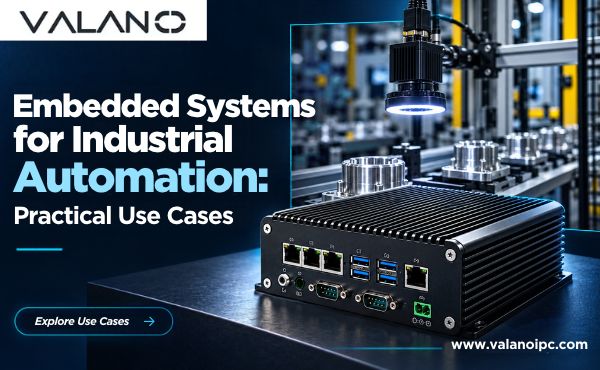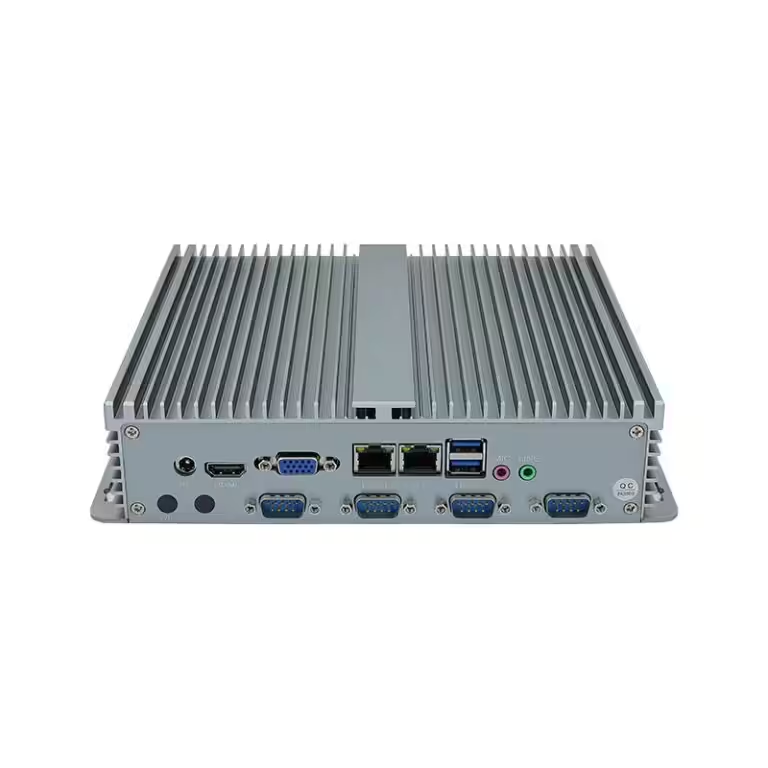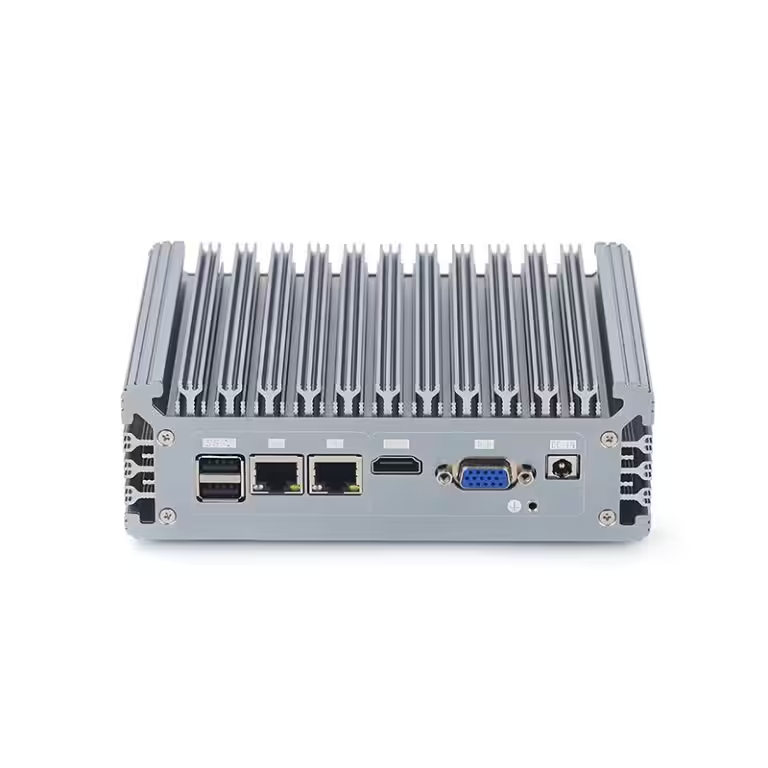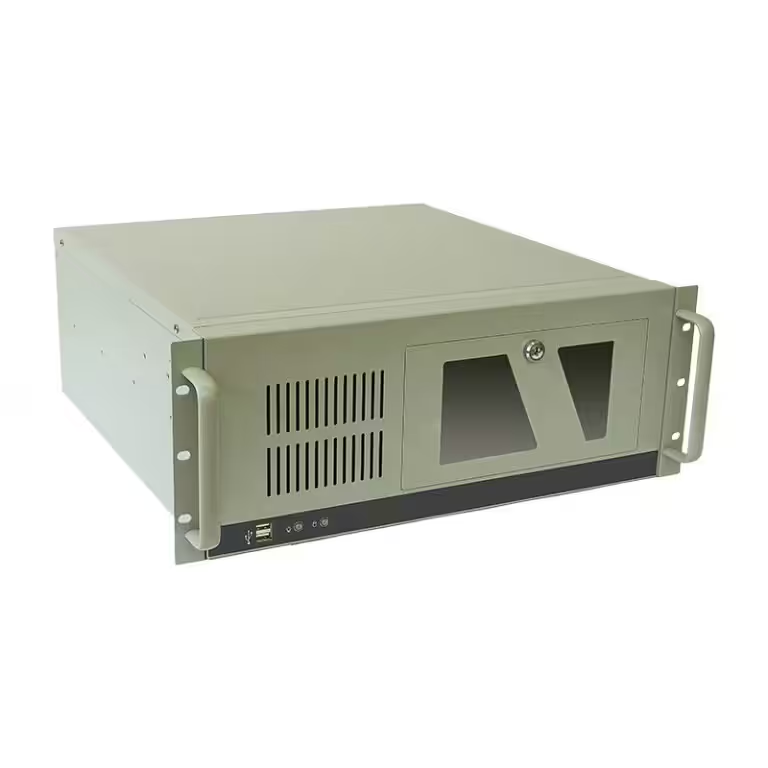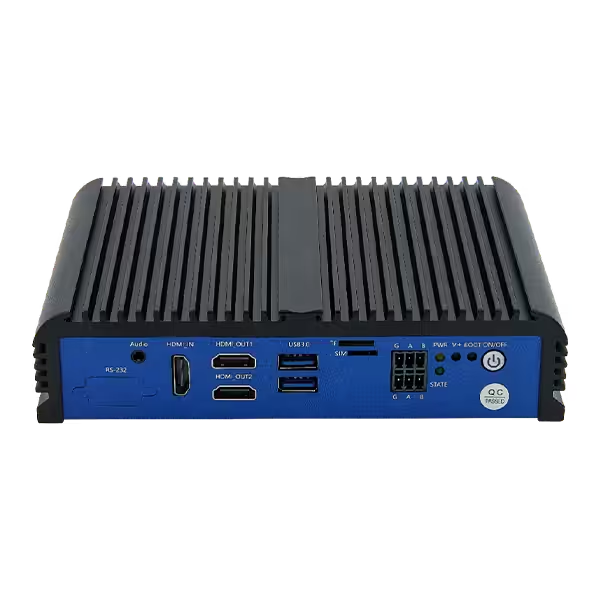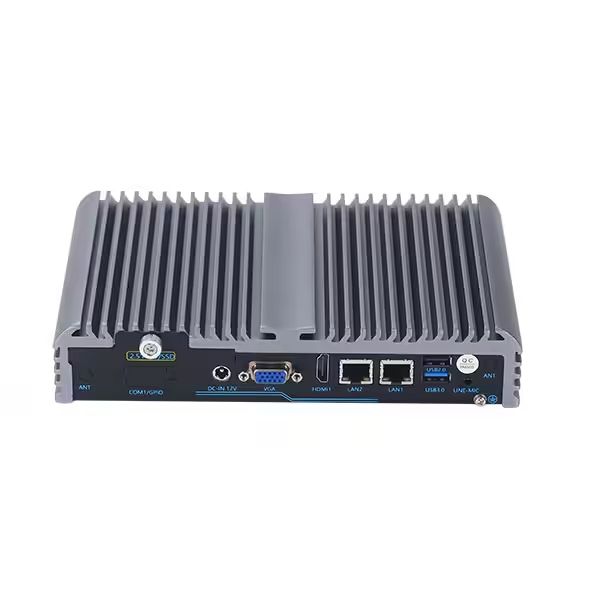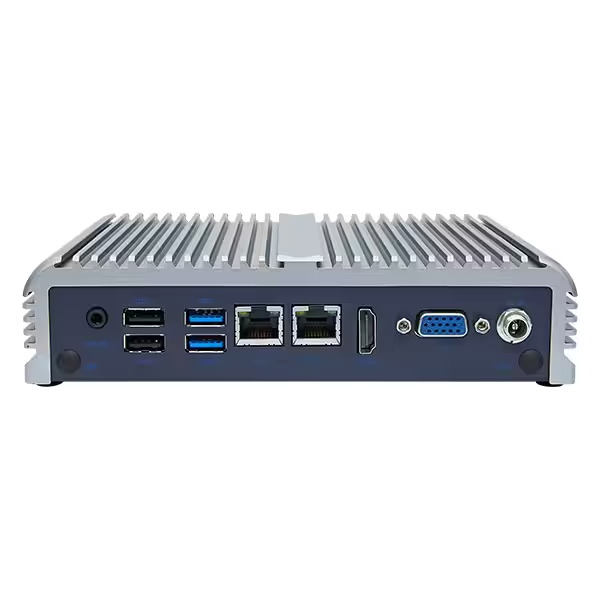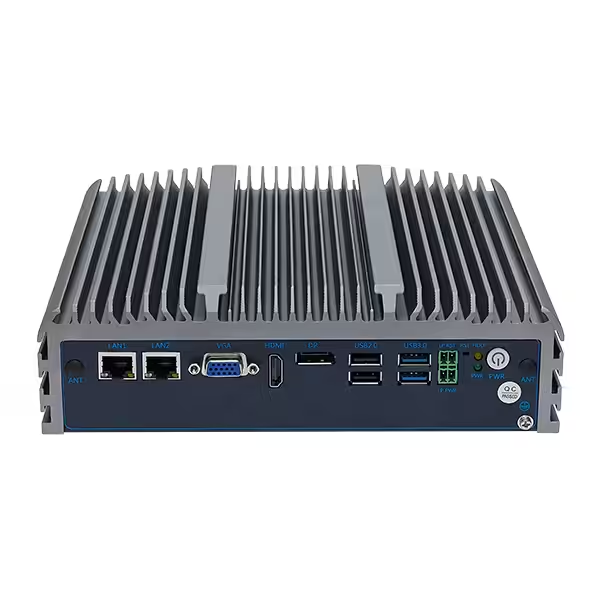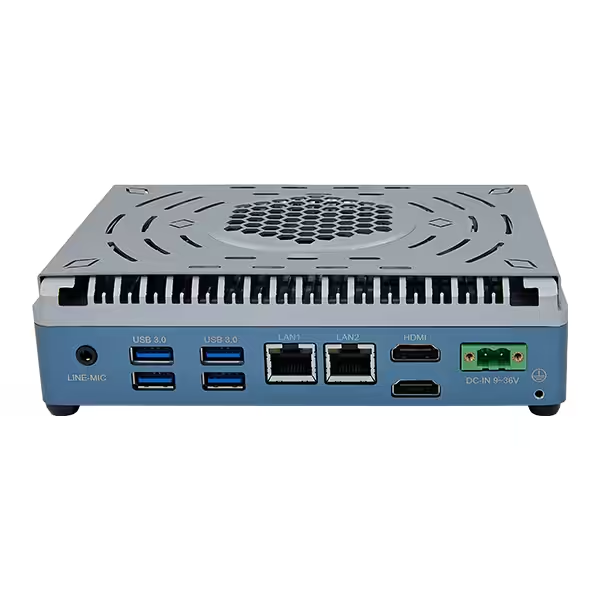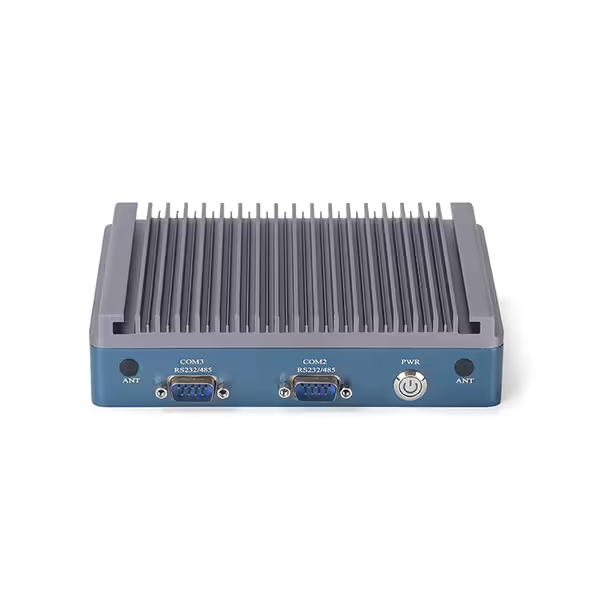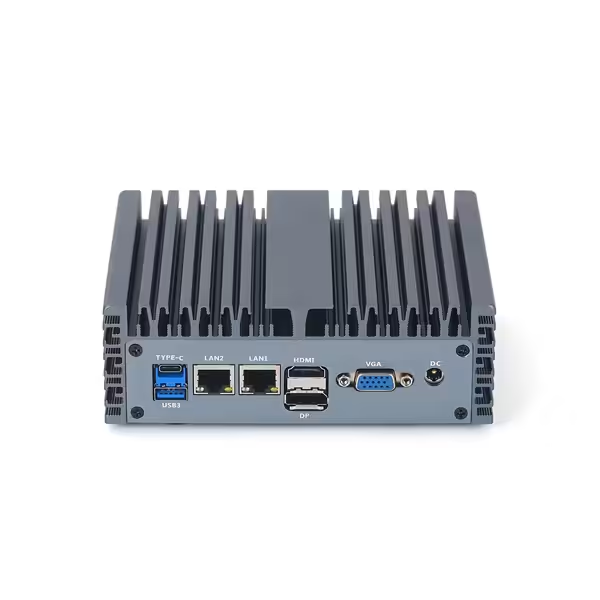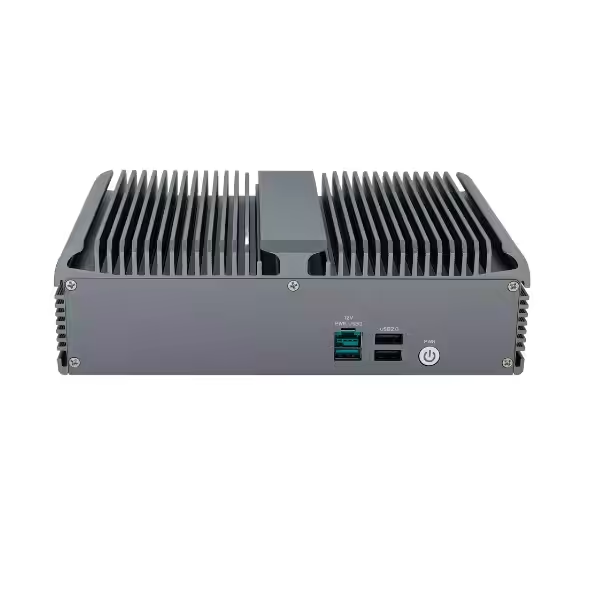
An industrial computer, or industrial pc (ipc), is a robust, purpose-built computing platform. Engineers design this hardware to operate continuously in demanding environments. Standard desktop PCs fail under severe stress. In contrast, an industrial computer handles severe dust, wide temperature swings, strong vibrations, and high moisture without system crashes.
How do these systems maintain reliable performance? They rely on rugged hardware engineering. Heavy-duty enclosures shield internal components against environmental physical threats. Fanless cooling systems dissipate heat without pulling in debris. Solid-state drives eliminate moving mechanical parts. These physical design choices protect the processing architecture. Factory floors and outdoor deployments receive uninterrupted, reliable computing for critical tasks.
What Is an Industrial Computer?
An industrial computer is a specialized processing system built to perform reliably under extreme operational stress. Standard personal computers suit climate-controlled office spaces. Conversely, an industrial computer handles severe physical demands inside manufacturing plants, utility sites, and outdoor facilities.
Engineers design these units to process complex automated workloads while enduring harsh environmental conditions like dust ingress, moisture, extreme heat, and severe vibration. Operating non-stop, an ipc provides the core computing power for demanding real-time control applications across modern smart factories. These platforms process data from local sensors and field devices, providing edge computing resilience where cloud connectivity is intermittent.
Core Features of Industrial Computers
Heavy-duty engineering separates these platforms from standard desktop hardware. Every system integrates industrial-grade components selected for long-term reliability and physical resilience. Key features define their construction:
- Fanless cooling systems dissipate thermal energy through outer enclosure fins without drawing in airborne debris.
- Sealed metal chassis built to IEC 60529 IP ratings prevent liquid spill damage and fine particulate contamination.
- Solid-state storage modules eliminate mechanical disks to survive severe shock and continuous vibration under standards like MIL-STD-810G.
- Wide-voltage power supplies protect internal circuitry against sudden electrical surges, ground loops, and voltage drops.
In addition to physical protection, industrial computing systems feature extended product lifecycles. Standard computer manufacturers change motherboard components frequently. Industrial computer manufacturers produce specific motherboard layouts and expansion card options for up to seven to ten years.
Longer supply cycles lower total cost of ownership because facility managers avoid redesigning mounting brackets or replacing software drivers. This long supply window eliminates frequent equipment redesigns and software re-validation for automation engineers.
Industrial Computers vs. Commercial PCs
Commercial PCs target short consumer ownership cycles. Office desktops use consumer-grade silicon and active cooling fans that pull ambient dust directly onto sensitive circuit boards. Internal heat accumulation quickly causes hardware degradation, thermal throttling, and unpredictable system crashes in dusty or unconditioned rooms.
Industrial hardware uses a completely different architecture. System designers select industrial-grade components tested for continuous operation across broad temperature ranges. Heavy aluminum or steel enclosures replace thermal-sensitive plastic cases. These enclosures act as passive heat sinks, radiating internal thermal energy out into the surrounding environment. This passive heat dissipation maintains low component temperatures without requiring mechanical fans that eventually fail.
The advantages of using an industrial pc become clear when comparing key performance parameters across challenging deployments:
| Feature | Commercial PC | Industrial Computer |
|---|---|---|
| Operating Temperature | standard room range | broad negative to elevated thermal range |
| Ingress Protection | open ventilation slots | fully sealed fanless chassis |
| Operational Lifespan | two to three years | seven to ten years |
| Shock and Vibration | minimal resistance | high tolerance under MIL-STD-810G standards |
| Component Grade | consumer grade | industrial grade silicon and capacitors |
Deployments inside industrial working environments require uninterrupted uptime. A single hardware failure in an automated assembly line or processing facility costs substantial time and operational revenue. Standard commercial hardware experiences premature aging, structural warping, or component burnout under continuous heavy workloads. Industrial systems prevent these catastrophic failures. The robust internal circuitry maintains steady processing speed during non-stop, multi-year operational cycles without requiring frequent routine maintenance or component replacements.
How Does an Industrial Computer Work?
Understanding how does an industrial pc work requires looking at both physical construction and system connectivity. An industrial computer processes complex data continuously while enduring tough factory conditions. The system relies on protective hardware structures and specialized input/output interfaces. These features allow the hardware to manage factory machinery, aggregate sensor feeds, and execute critical tasks without standard cooling fans or vulnerable case openings.
Passive Cooling and Hardware Enclosures
Thermal management represents a fundamental operational challenge for rugged electronics. Standard computers pull outside air across internal heat sinks using mechanical fans. Industrial systems avoid internal moving fans completely. Instead, an industrial computer relies on passive conduction and natural convection. Internal copper heat pipes capture thermal energy directly from the main processor. These heat pipes transfer heat outward to heavy aluminum enclosure fins. The aluminum chassis acts as a large external heat sink, radiating thermal energy out into the surrounding environment air.
Hardware protection relies heavily on structural sealing and electrical isolation. Enclosures meet standardized rating criteria to guarantee environmental defense against severe physical hazards:
- Sealed chassis designs meet IEC 60529 IP65 or IP67 ingress protection levels to block fine dust particles and direct high-pressure water jets.
- Gasket seals line enclosure joints, sealing all internal storage modules and processing units away from corrosive airborne vapor and chemical fumes.
- Internal power delivery modules accept wide-voltage direct current inputs, smoothing out dangerous electrical surges, transient spikes, and sudden voltage sags.
Wide-voltage power supplies insulate sensitive internal electronics from electrical ground loops. Unstable factory power networks often experience sudden voltage fluctuations. Internal power converters stabilize incoming voltage before electric current reaches the central processor. This clean power distribution prevents sudden system reboots, protects internal silicon circuits, and maintains uninterrupted operational performance during heavy processing tasks.
PLC Communication and System Integration
Factory operations depend on seamless coordination between computing hardware and physical production tools. An industrial computer acts as a central control node within modern industrial automation architectures. The platform interfaces directly with field devices, Programmable Logic Controllers (PLCs), edge sensors, and supervisory control and data acquisition systems.
The hardware communication workflow operates through structured industrial networking layers across the factory floor:
- Field sensors collect operational physical metrics like ambient temperature, system fluid pressure, and motor rotational speed.
- Local PLCs receive these raw physical signals and execute localized, microsecond-level machine control routines to protect equipment.
- The central computer aggregates this real-time data using deterministic fieldbus protocols like EtherCAT, PROFINET, or serial RS-485 connections.
- Human-Machine Interface software displays operational metrics, providing improved monitoring and control for facility engineers and plant operators.
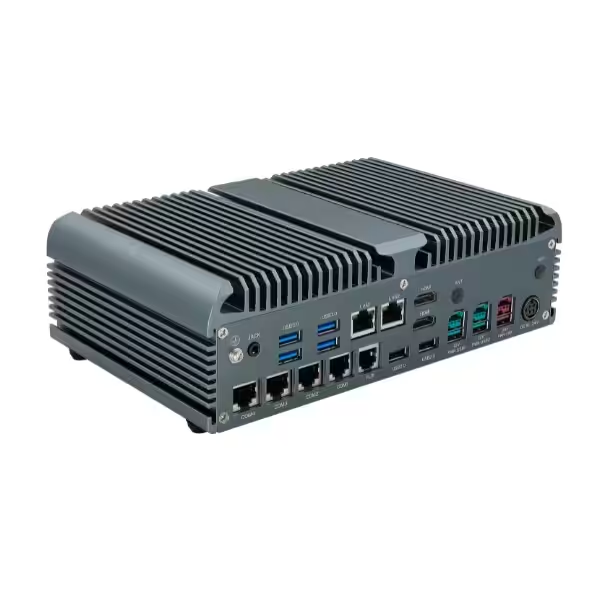
Reliable input and output ports enable continuous automation and process control across automated assembly lines. Physical legacy serial interfaces like RS-232 connect alongside modern isolated Ethernet ports. This hybrid connectivity allows the system to bridge older machinery with modern cloud networks. Edge processing software applications organize incoming device telemetry locally.
The computer filters operational data, executes machine vision logic, and sends corrective operational commands back to factory actuators. This continuous data loop maintains steady production throughput, improves output quality, and prevents unexpected equipment downtime across complex manufacturing facilities.
Applications of Industrial Computers
Manufacturing and Machine Vision Inspection
Diverse industrial applications rely on rugged computing architectures today. The manufacturing industry deploys specialized hardware to automate complex inspection workflows on assembly lines. Electronics plants in the manufacturing industry use optical systems to find board defects. In the automotive industry, camera systems capture surface imagery of engine blocks.
Stamping presses in the automotive industry generate heavy mechanical shocks. Rugged units execute high-speed data processing locally to detect surface defects immediately. Precision assembly processes inside the aerospace industry require alignment measurements. Testing rigs in the aerospace industry measure tolerances under heat. These hardware systems perform continuous machine control to guide robotic welding arms.
Sanitary regulations drive equipment choices inside the food and beverage processing sector. Washdown environments in food and beverage processing operations require sealed stainless steel enclosures. Harsh chemical cleansers wash across equipment daily inside food and beverage processing plants. Meanwhile, digital imaging systems support structural quality checks across the defence sector. Processing units evaluate material integrity for critical defence sector vehicle armor plating.
Automation, Logistics, and Remote Operations
Modern industrial automation extends far beyond traditional factory walls. Critical applications of industrial pcs streamline inventory tracking inside automated logistics centers. Harsh temperature shifts occur inside food and beverage processing freezer warehouses. High humidity affects electronics during food and beverage processing distribution and food and beverage processing packaging lines.
The aerospace industry utilizes these resilient platforms inside flight simulation hardware. Aircraft maintenance programs in the aerospace industry use rugged units to analyze turbine sensor feeds. Heavy machinery plants in the manufacturing industry track raw material movement.
Strict cleanliness standards govern daily activities within every healthcare environment. Diagnostic medical imaging equipment inside a healthcare environment requires quiet, fanless operation to maintain sterile air quality. Industrial computers also power military hardware across the defence sector. Mobile combat units in the defence sector rely on shock-resistant navigation controllers during off-road transport.
Vibration affects components during aerospace industry flight testing. Other industrial applications involve remote monitoring. Engine manufacturing operations in the automotive industry require physical tracking. Assembly lines in the automotive industry track chassis using sensor networks. Production facilities inside the automotive industry maintain maximum uptime.
Conclusion
Rugged engineering guarantees long-term success in harsh industrial environments. Sealed metal enclosures, fanless cooling, and high shock resistance give these systems superior durability. This construction provides reliable computing during continuous operational cycles. Long product supply lifecycles of seven to ten years reduce maintenance costs and simplify system updates.
Deploying standard commercial desktop hardware in factory settings causes frequent failures, lost revenue, and early replacements. Therefore, companies lower their Total Cost of Ownership when they invest in an industrial pc for tough environments. Facility managers should evaluate environmental hazards and connectivity requirements before equipment selection. Matching chassis protection levels with factory network needs guarantees optimal operational uptime.
FAQ
How long do industrial computers typically last?
Industrial computers feature long supply lifecycles and high component durability. Manufacturers produce specific motherboard layouts for seven to ten years. Rugged components and fanless cooling prevent early hardware degradation, allowing units to operate continuously across multi-year operational cycles.
What is the main operational difference between fanless PCs and desktop PCs?
Standard desktop PCs use mechanical fans that pull ambient dust into the chassis. Fanless industrial computers rely on passive conduction. Internal heat pipes transfer thermal energy directly to external aluminum chassis fins. This design eliminates air intake openings and protects internal electronics from debris.
What ingress protection rating is required for washdown environments?
Facilities with high-pressure washdown operations require sealed enclosures rated under the IEC 60529 standard. An IP65 rating blocks fine dust particles and direct water jets. Meanwhile, an IP67 rating ensures total protection during temporary liquid immersion.
Can an industrial computer connect to legacy factory equipment?
Yes, industrial systems support both legacy and modern input and output interfaces. Built-in serial ports like RS-232 and RS-485 interface directly with older PLCs. Additionally, isolated Ethernet ports connect the system to modern high-speed automation networks.