Industrial PC and Edge Computing Overview
What is an Industrial PC?
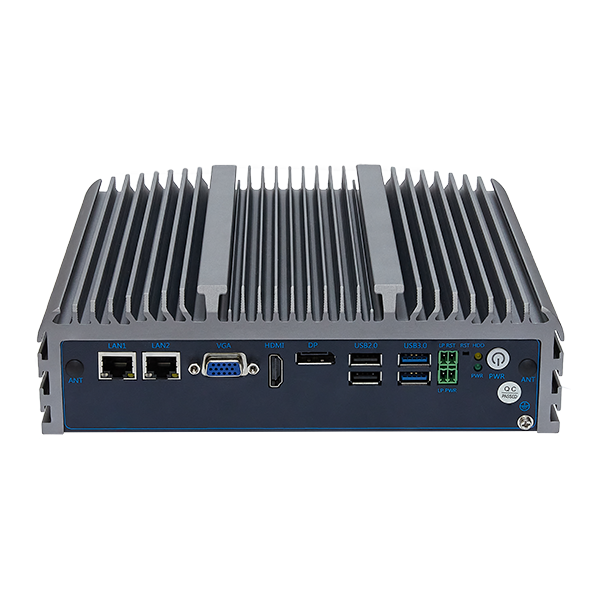
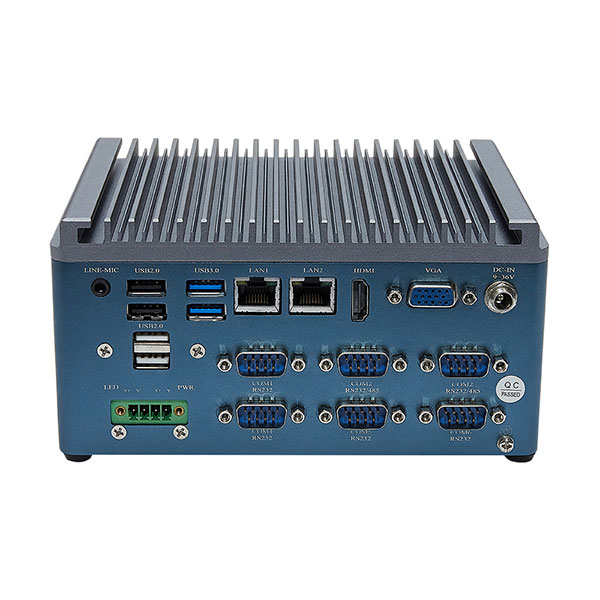
An industrial pc is a rugged computer designed for tough environments. It operates in factories, warehouses, and outdoor locations where dust, vibration, and temperature changes are common. These computers support industrial IoT and smart manufacturing by providing reliable performance for critical applications.
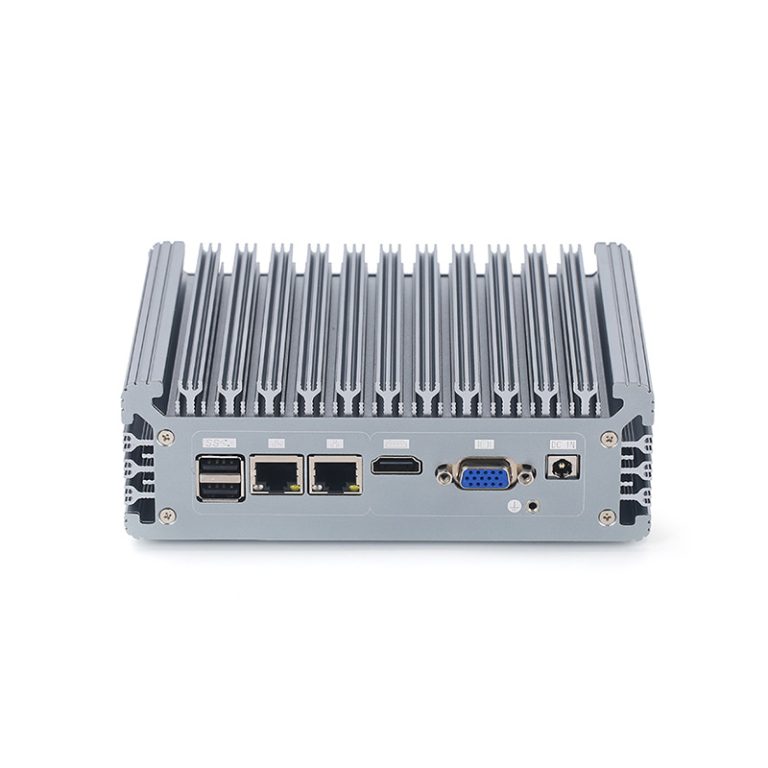
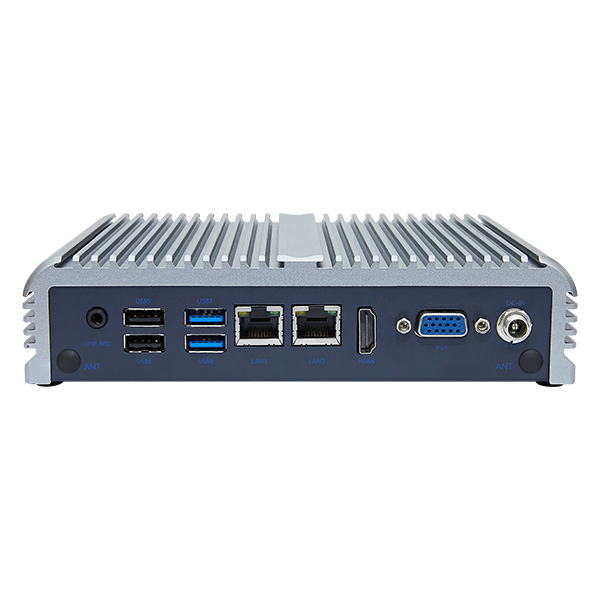
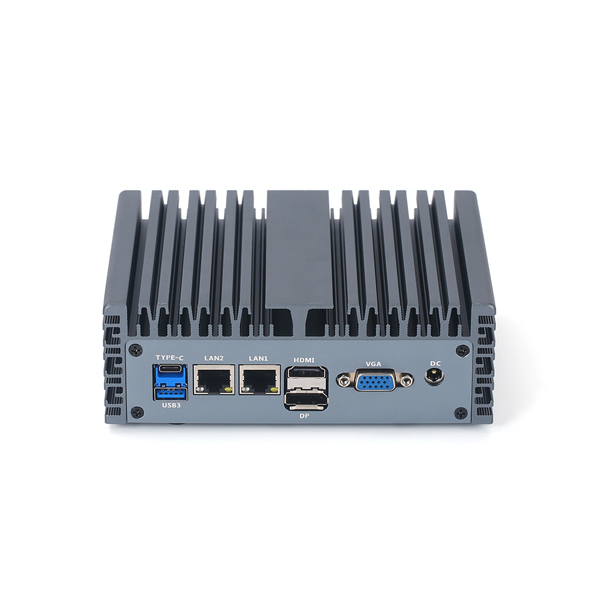
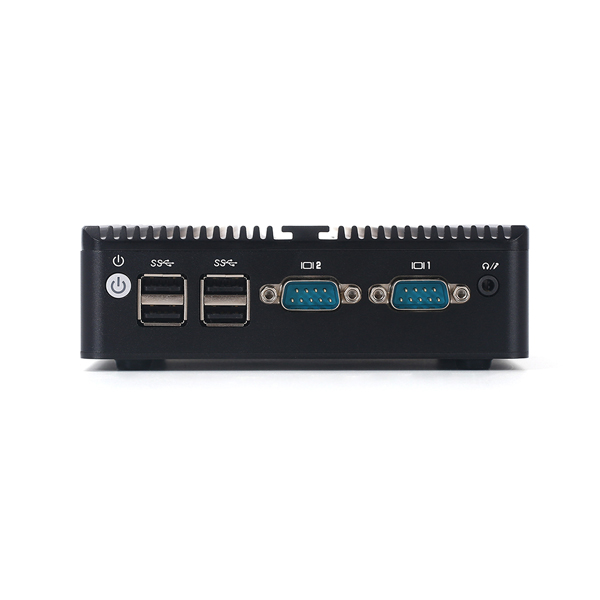
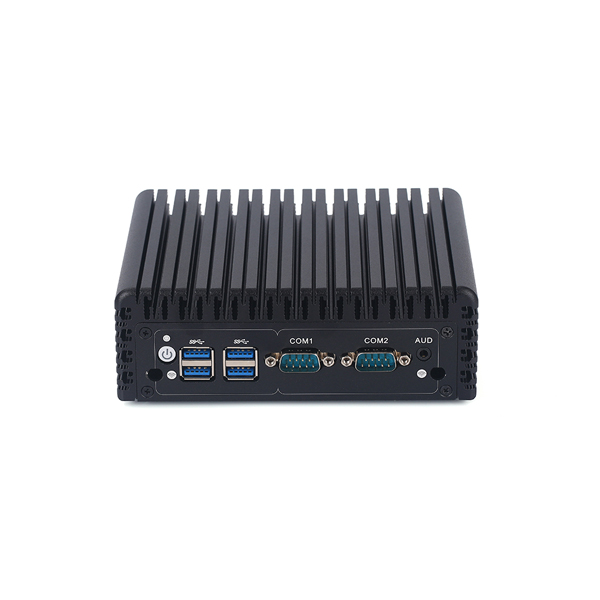
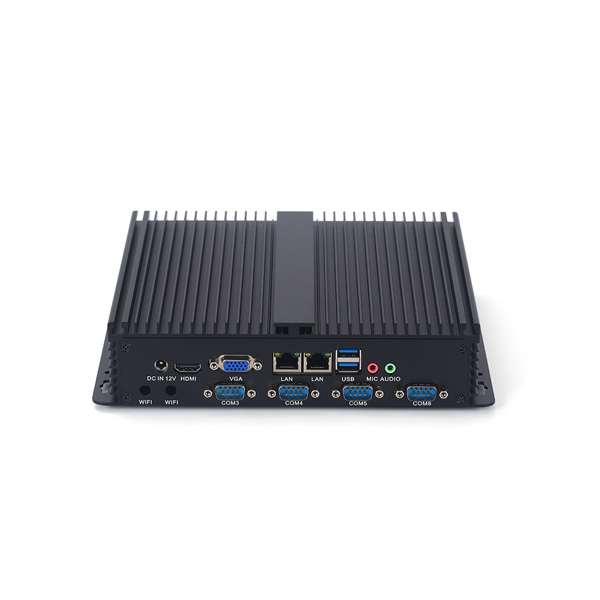
Industrial pc hardware often includes fanless cooling and solid-state drives. These features help the device last longer in harsh conditions. Many industrial pc models connect with sensors and machines to collect data for industrial IoT applications.
What is Edge Computing?
Edge computing is a technology that processes data near its source instead of sending it to a distant data center. This approach reduces delays and allows for real-time decision-making. Edge computing is vital for IoT and internet of things applications that need fast responses.
Edge computing solutions use small, powerful devices called edge computers. These devices analyze data from sensors, cameras, and machines right where the data is created. Edge computing helps businesses react quickly to changes in their environment.
Edge computing solutions are common in smart cities, connected vehicles, and industrial IoT systems. They support applications like predictive maintenance, quality control, and energy management. Edge computing also improves security by keeping sensitive data close to the source.
Key benefits of edge computing solutions:
-
- Faster data processing for real-time applications
- Lower network costs by reducing data sent to the cloud
- Better privacy and security for sensitive information
Edge computing is changing how organizations use IoT and internet of things solutions. It brings intelligence to the edge, making smart applications more efficient and reliable.
Key Differences Between Industrial PC and Edge Computing Devices
Hardware and Design
Industrial pc hardware is built for durability. These computers use metal cases and fanless cooling to protect against dust and vibration. Edge computing devices focus on compact design and efficient processing near the data source.
Edge computing devices often use lightweight materials. They are designed for easy installation in many locations. Not all edge computing devices are rugged like industrial pc systems.
Real-Time Processing Capabilities
Edge computing enables real-time data analysis. It processes information from IoT sensors and connected devices right at the edge. This reduces delays and improves monitoring.
Industrial pc systems also support real-time tasks. They handle automation and monitoring in industrial IoT settings. Edge computing devices excel at delivering instant results for applications like quality control and predictive maintenance.
Edge computing makes it possible to react quickly to changes. Real-time processing is essential for safety and performance in many industries.
Connectivity and Data Handling
Edge computing connects with many IoT devices. It gathers data from sensors, cameras, and machines. Edge computing devices process this information locally and send only important data to the cloud.
Industrial pc systems connect with industrial IoT networks. They support monitoring and control of machines in factories. Edge computing improves data handling by reducing network traffic and keeping sensitive information close to the source.
Environmental Suitability
Industrial pc models are built for extreme conditions. They operate in places with dust, moisture, and temperature changes. Edge computing devices are not always designed for harsh environments.
Some edge computing devices can handle tough conditions. Many are made for offices, smart cities, or vehicles. Industrial pc systems are the best choice for factories and outdoor sites.
Edge computing brings flexibility to IoT applications. Industrial pc hardware ensures reliable performance in demanding settings.
| Feature | Industrial PC | Edge Computing Devices |
|---|---|---|
| Durability | High | Varies |
| Real-Time Processing | Supported | Essential |
| Connectivity | Industrial IoT | IoT, Connected Devices |
| Environmental Suitability | Extreme Conditions | Flexible, Not Always Rugged |
Use Cases for Industrial PC and Edge Computing
Industrial PC Applications
Industrial pc systems play a key role in many industrial applications. Factories use these computers for process control and machine automation. They help with monitoring production lines and collecting data from iot sensors.
Industrial pc hardware supports solutions that require high durability. These computers often run 24/7 in environments with dust, heat, or vibration. They are used in energy plants, transportation hubs, and outdoor monitoring stations.
Industrial pc devices also connect with smart sensors and machines. This allows for real-time monitoring and quick response to equipment issues. Many industries rely on these solutions for safety and efficiency.
Edge Computing in Real-Time Data Analysis
Edge computing brings real-time insights to many fields. It processes data from IoT devices and connected devices right at the edge. This reduces delays and supports applications that need instant results.
Edge computing solutions are used in smart cities for traffic monitoring and energy management. They help with predictive maintenance by analyzing machine data in real-time. These solutions also support quality control in manufacturing.
AI Edge Computer in Industry
An ai edge computer combines edge computing with artificial intelligence. These devices run ai models directly at the edge. They deliver real-time insights for complex industrial applications.
Factories use ai edge computer systems for visual inspection and defect detection. They support smart robotics and automated quality checks. Ai edge computing helps industries gain faster and more accurate results.
Ai edge computer solutions also improve monitoring and safety. They process large amounts of data from IoT sensors and cameras. This enables smarter, more efficient operations in many industries.
Pros and Cons Comparison
Industrial PC Pros and Cons
Industrial PCs offer strong durability. These computers work well in harsh environments. They support industrial applications that need reliable performance.
Pros:
- Rugged design protects against dust, vibration, and temperature changes.
- Long lifespan reduces maintenance costs.
- Stable performance ensures smooth operation in factories and outdoor sites.
Cons:
- Limited flexibility for new edge computing applications.
- Higher upfront cost compared to some edge devices.
- May lack advanced real-time processing found in modern edge computing solutions.
Edge Computing Devices Pros and Cons
Edge computing devices bring real-time data processing to the source. These devices improve performance for many applications. They help businesses react quickly to changes.
Pros:
- Real-time processing boosts performance for edge computing applications.
- Flexible design fits many locations, including offices and vehicles.
- Reduces network traffic by handling data locally.
Cons:
- Not all edge computing devices are built for harsh environments.
- Some models may have shorter lifespans than industrial PCs.
- Security risks can increase if edge computing devices are not managed properly.
| Feature | Industrial PC | Edge Computing Devices |
|---|---|---|
| Durability | High | Varies |
| Real-Time Processing | Supported | Essential |
| Flexibility | Limited | High |
| Performance | Stable | Boosted for edge computing |
Edge computing is changing how industries use technology. It brings new possibilities for applications that need fast, local processing. Choosing between industrial PCs and edge computing devices depends on the environment and performance needs.
Choosing the Right Industrial PC vs Edge Computer Solution
Decision Factors for Industrial Environments
Selecting the right technology depends on several factors. Edge computing offers real-time processing for smart applications that need instant results. Industrial environments often require rugged solutions that can handle dust, vibration, and temperature changes.
Edge computing solutions work well in places where flexibility and fast data analysis matter. Monitoring is important in factories, warehouses, and outdoor sites. Edge devices support real-time monitoring and control of connected devices.
Consider the type of applications you need. Edge computing is ideal for solutions that demand quick responses and local data processing. Industrial PCs are better for environments that need reliable performance and durability.
Edge computing solutions also improve security by keeping sensitive data close to the edge. Smart factories benefit from real-time monitoring and instant decision-making. Edge computing supports applications like predictive maintenance and quality control.
Quick Comparison Table
The table below highlights the main differences between industrial PCs and edge computing solutions. Use this guide to match your requirements with the right technology.
| Criteria | Industrial PC | Edge Computing Solutions |
|---|---|---|
| Durability | High | Varies |
| Real-Time Processing | Supported | Essential |
| Monitoring | Reliable in harsh settings | Flexible, real-time at the edge |
| Applications | Automation, process control | Smart, real-time, local analysis |
| Flexibility | Limited | High |
| Security | Stable, local data storage | Enhanced at the edge |
| Connected Devices | Industrial IoT | IoT, smart devices |
Edge computing solutions deliver real-time results for smart applications. Industrial PCs provide stable monitoring and control in tough environments. Both solutions play a key role in modern industry.
Conclusion
Industrial PCs offer rugged reliability for harsh environments. Edge computing provides real-time data processing at the source. Edge computing supports fast decision-making in smart factories and connected systems. Many industries use edge computing to improve monitoring and control. Edge computing devices work well in flexible locations and support instant analysis. Choosing between industrial PCs and edge computing depends on your application and environment. Edge computing is essential for businesses that need quick, local data insights.