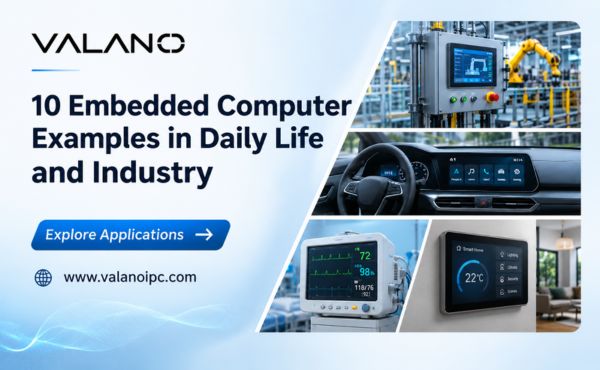
Embedded computers are found in household appliances, vehicles, medical equipment, networking devices and industrial machinery. Unlike desktop computers designed to run a wide range of applications, embedded computers are integrated into larger products to perform specific computing and control tasks.
For example, a washing machine uses an embedded controller to manage its washing cycles, while a car’s engine control unit processes sensor information to regulate fuel injection and ignition timing. In manufacturing, embedded computers help control production equipment, coordinate robotic movements and monitor machine operations.
These examples demonstrate how embedded computing supports everyday products and complex industrial processes. Understanding where these computers are used also helps explain why their hardware, software and performance requirements vary from one application to another.
What Is an Embedded Computer?
An embedded computer is a computing unit integrated into a larger device or machine to perform one or more dedicated functions. It typically consists of a processor, memory, software or firmware, and interfaces for communicating with sensors, other electronic components and external equipment.
Unlike a general-purpose computer, which can run many different applications, an embedded computer is designed around the requirements of its host device. Its software determines how it processes information, responds to inputs and controls connected components.
For example, an embedded computer inside a washing machine does not need to run office software or browse the internet. Its primary responsibility is to manage washing programs, monitor operating conditions and control the machine’s components.
Embedded computers can use different hardware architectures, including microcontrollers, application processors, system-on-chips (SoCs) and embedded x86 platforms. The appropriate architecture depends on the complexity of the application, processing requirements, connectivity and operating environment.
10 Examples of Embedded Computers
Embedded computers are used across multiple industries. The following ten examples illustrate how they perform dedicated computing tasks in everyday devices and specialized equipment.
1. Washing Machine Controllers
Modern washing machines use embedded computers to coordinate different stages of the washing process. The controller receives information from sensors and user inputs before executing the selected washing program.
For example, it may monitor:
- Water level inside the drum.
- Water temperature.
- Door or lid status.
- Drum speed.
- Selected washing settings.
Based on this information, the controller operates components such as the water inlet valves, drain pump, heating element and drum motor.
The embedded computer also manages the sequence of operations. It determines when to fill the drum, heat the water, start washing, drain the water and begin the spin cycle.
Without this control system, the machine would not be able to coordinate its different functions automatically or respond appropriately to changing operating conditions.
2. Microwave Oven Controllers
A microwave oven is another common example of an embedded computer application. Its controller manages cooking operations, user commands and important safety functions.
When a user selects a cooking time and power level, the embedded controller processes these settings and activates the appropriate components.
Its responsibilities commonly include:
- Processing keypad or touchscreen commands.
- Managing cooking time and power settings.
- Controlling the turntable motor and cooling fan.
- Updating the digital display.
- Monitoring door switches and other safety inputs.
Door monitoring is particularly important. The control system must prevent microwave generation when the door is open.
The embedded computer coordinates these operations through programmed instructions, allowing the appliance to perform different cooking functions without requiring a general-purpose computer.
3. Digital Thermostats
Digital thermostats use embedded computers to monitor temperature and regulate heating or cooling equipment.
A temperature sensor measures the surrounding environment and sends its readings to the embedded controller. The controller compares the measured temperature with the target temperature selected by the user.
If the room becomes too cold, the system can activate heating equipment. If the temperature becomes too high, it can activate cooling equipment.
More advanced thermostats may also support:
- Programmable temperature schedules.
- Occupancy detection.
- Wireless communication.
- Remote temperature adjustment.
- Energy-use monitoring.
This application demonstrates how embedded computers can continuously process sensor information and make automatic adjustments without requiring constant user intervention.
4. Wi-Fi Routers
Wi-Fi routers contain embedded processors that manage network communications between connected devices and external networks.
When a smartphone, computer or smart appliance sends data through a router, its embedded computing hardware processes network packets and determines how the information should be forwarded.
Depending on the router’s capabilities, its embedded processor may handle:
- Packet routing and forwarding.
- Wireless connection management.
- Network address assignment.
- Firewall and security functions.
- Network configuration and monitoring.
Unlike simple appliance controllers, routers often run an embedded operating system because they need to manage networking protocols, multiple communication interfaces and more complex software functions.
A router is therefore a useful example of an embedded computer that performs substantial data processing rather than simply controlling a mechanical component.
5. Printer Controllers
Printers use embedded computers to coordinate electronic processing and mechanical operations.
When a document is sent to a printer, its controller receives the print data and processes the instructions required to produce the requested output.
Depending on the printer design, the embedded computing system may manage:
- Print data processing.
- Printhead positioning.
- Paper feeding and movement.
- Motor operation.
- Ink or toner monitoring.
- Error detection and status reporting.
For example, an inkjet printer must coordinate printhead movement with the controlled release of ink droplets. A laser printer uses a different imaging process, but its controller still needs to coordinate multiple electronic and mechanical components.
The embedded computer ensures that these operations follow the correct sequence and that the printer can respond to conditions such as paper jams or low consumable levels.
6. Automotive Engine Control Units (ECUs)
Automotive engine control units are among the most recognizable examples of embedded computers.
An ECU processes information collected from sensors throughout the engine and uses programmed control logic to regulate engine operation.
Depending on the vehicle and engine design, inputs may include:
- Engine speed.
- Coolant temperature.
- Throttle position.
- Airflow or intake pressure.
- Exhaust oxygen concentration.
The ECU uses these measurements to determine appropriate control actions, including fuel injection timing and ignition timing.
For example, when engine operating conditions change, the ECU adjusts fuel delivery to help maintain the required engine performance and operating efficiency.
Modern vehicles contain multiple electronic control units rather than relying on a single computer for every function. Different ECUs may manage the engine, transmission, braking, airbags, battery systems and other vehicle functions.
These controllers communicate with other vehicle systems through automotive communication networks, such as the Controller Area Network (CAN).
7. Anti-Lock Braking System (ABS) Controllers
An anti-lock braking system uses embedded computing to help prevent wheels from locking during heavy braking.
Wheel-speed sensors continuously provide information about the rotational speed of individual wheels. The ABS controller processes these signals to identify conditions that may indicate wheel lockup.
When necessary, the system regulates brake pressure through hydraulic control components to help maintain wheel rotation and vehicle stability.
The control process involves several coordinated operations:
- Receiving wheel-speed signals.
- Evaluating changes in wheel rotation.
- Identifying potential wheel lockup.
- Controlling hydraulic pressure modulation.
- Continuously reassessing wheel behavior.
ABS is an example of a real-time embedded application because the controller must respond to changing conditions within strict timing requirements.
Its operation also illustrates why embedded computers used in automotive safety applications require carefully designed hardware, software and fault-handling mechanisms.
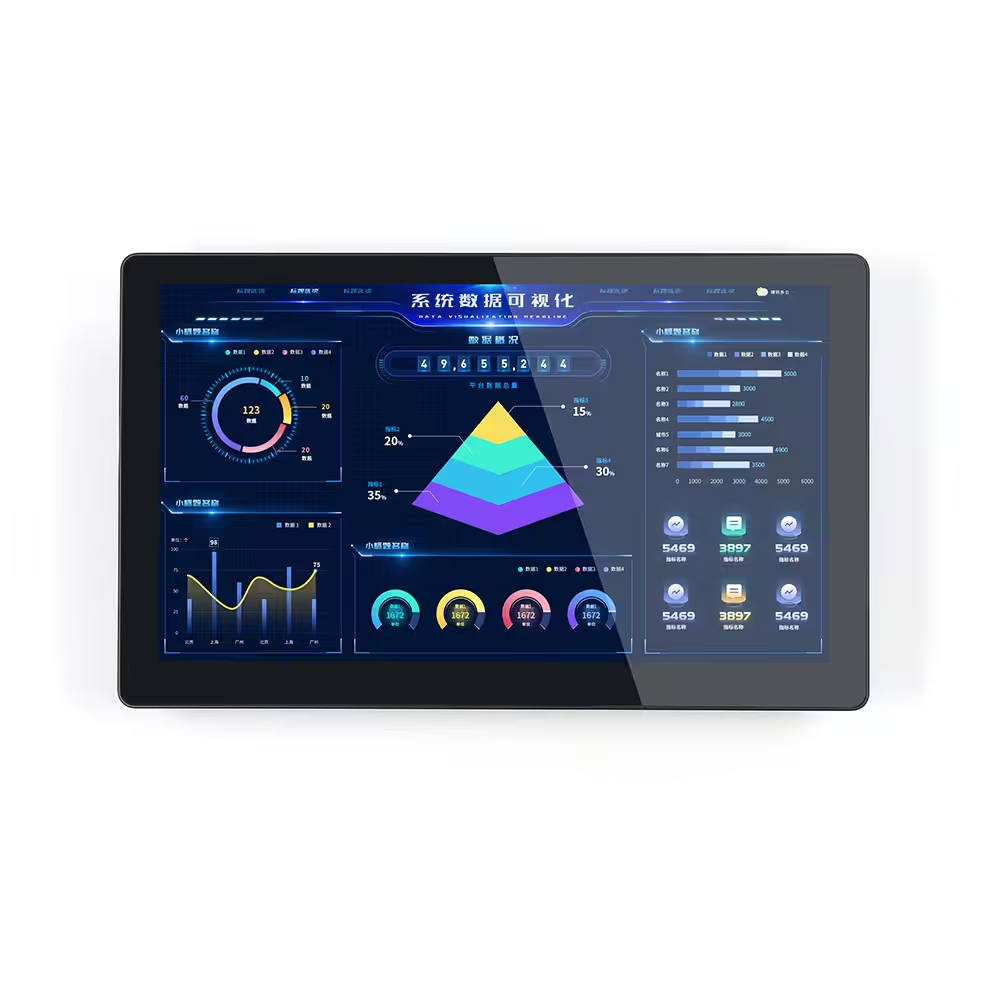
8. Medical Infusion Pump Controllers
Medical infusion pumps use embedded computing systems to regulate the delivery of fluids and medications to patients.
The user typically programs the required delivery rate and duration through the device interface. The embedded controller then manages the pumping mechanism according to the programmed settings.
Depending on the pump design, its computing functions may include:
- Processing programmed delivery settings.
- Controlling the pumping mechanism.
- Monitoring operating conditions.
- Managing alarms and alerts.
- Recording operating information.
Some infusion pumps also detect conditions such as air in the delivery tubing or an obstruction that may interfere with fluid delivery.
The U.S. Food and Drug Administration (FDA) explains that software in many infusion pumps controls the user interface, pumping mechanism and important safety functions.
This makes infusion pumps a particularly important example of embedded computing in safety-critical medical equipment. Accurate operation, reliable software and appropriate alarm functions are essential to their intended use.
9. Programmable Logic Controllers (PLCs)
Programmable logic controllers are widely used in industrial automation. They are specialized electronic controllers designed to monitor machine conditions and execute programmed control instructions.
A PLC receives signals from industrial devices such as:
- Temperature sensors.
- Pressure sensors.
- Limit switches.
- Proximity sensors.
- Push buttons and other control devices.
It processes these inputs according to its stored program and updates its outputs to control equipment.
For example, in a conveyor system, a PLC can receive signals from product-detection sensors and control motors, actuators and indicator lights according to the programmed production sequence.
A typical PLC operating cycle includes three main stages:
- Input scanning: Reading the current status of connected input devices.
- Program execution: Processing the stored control instructions.
- Output updating: Sending control signals to connected equipment.
PLCs are designed for industrial environments and are commonly used in production lines, packaging equipment, material handling systems and process control applications.
They are a clear example of embedded computing hardware designed specifically for reliable machine control.
10. Industrial Robot Controllers
Industrial robots rely on embedded computing systems to coordinate their movements and interact with manufacturing equipment.
A robot controller processes programmed movement instructions and information from sensors to determine how the robot should operate.
Its functions may include:
- Coordinating multiple motor axes.
- Controlling movement speed and position.
- Processing encoder and sensor feedback.
- Managing tool and gripper operations.
- Communicating with other production equipment.
- Monitoring operating conditions and faults.
For example, an industrial robot used for welding must coordinate the movement of its robotic arm with the welding tool and the position of the workpiece.
The controller continuously manages movement commands and feedback to ensure that the robot follows its programmed path.
More advanced robotic systems may also integrate machine vision, force sensors and other technologies to respond to changes in their working environment.
Industrial robot controllers demonstrate how embedded computers support complex, coordinated operations in automated manufacturing.
How Do Embedded Computers Work?
Although embedded computers vary in complexity, most follow the same basic operating principle: receive information, process it according to programmed instructions and produce an appropriate response.
Their operation can be divided into three main stages.
1. Input collection
The embedded computer receives information from sensors, switches, buttons or communication interfaces.
For example, a thermostat receives temperature measurements, while an automotive ECU receives engine operating data.
2. Data processing
The processor executes firmware or software instructions to interpret the incoming information and determine what action is required.
The complexity of this processing depends on the application. A basic temperature controller may perform simple comparisons, whereas an industrial robot controller must coordinate multiple motion-control tasks.
3. Output and control
After processing the information, the embedded computer sends signals to connected components.
These outputs may activate motors, adjust valves, update displays, control heating elements or transmit information to other devices.
This input-processing-output cycle allows embedded computers to perform dedicated functions continuously and respond to changes in their operating environments.
Embedded Computers vs. Microcontrollers and Regular Computers
Embedded computers, microcontrollers and general-purpose computers are related technologies, but they should not be treated as interchangeable terms.
| Feature | Embedded Computer | Microcontroller | General-Purpose Computer |
|---|---|---|---|
| Main purpose | Perform dedicated functions within a larger product or machine | Execute control and processing tasks within an electronic system | Run a wide range of applications |
| Hardware | May use microprocessors, SoCs or x86 platforms | Integrates a processor core, memory and peripherals on one chip | Typically uses a CPU, memory and multiple expansion components |
| Software | Firmware or an embedded operating system | Usually firmware or an RTOS | General-purpose operating system |
| Processing requirements | Depends on the application | Usually designed for specific control tasks | Supports diverse workloads |
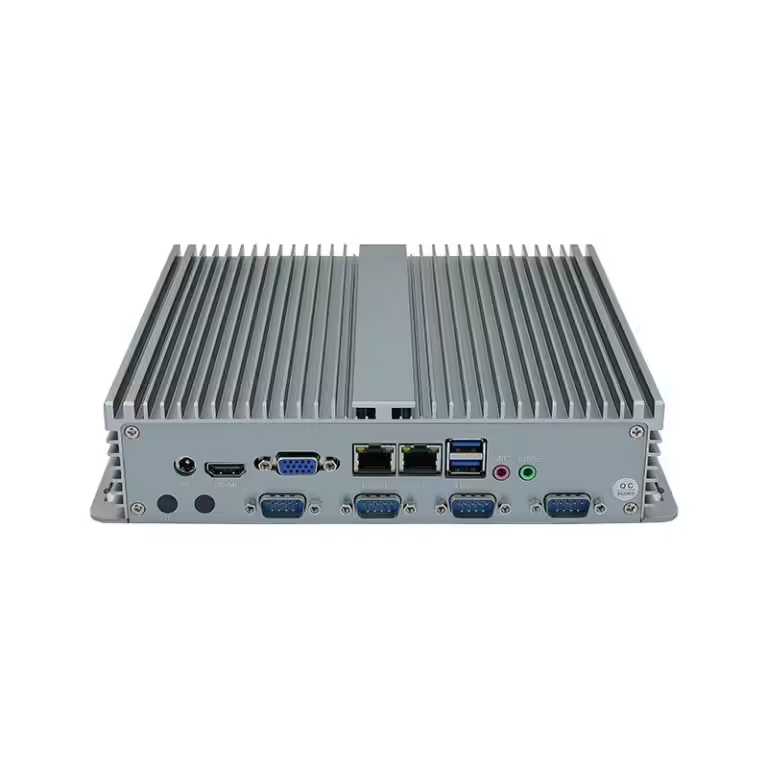
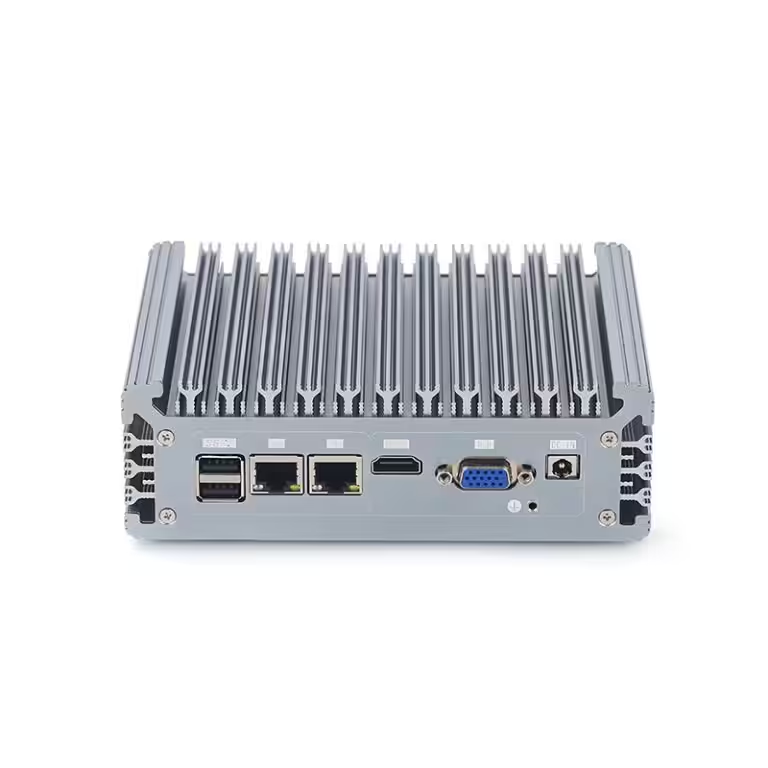
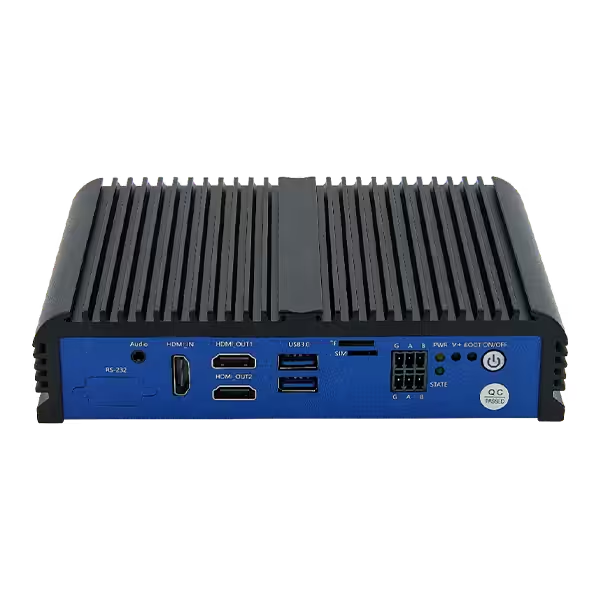
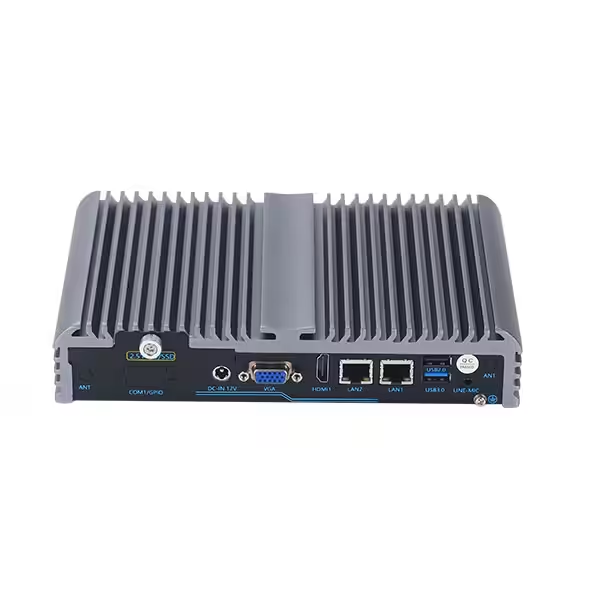
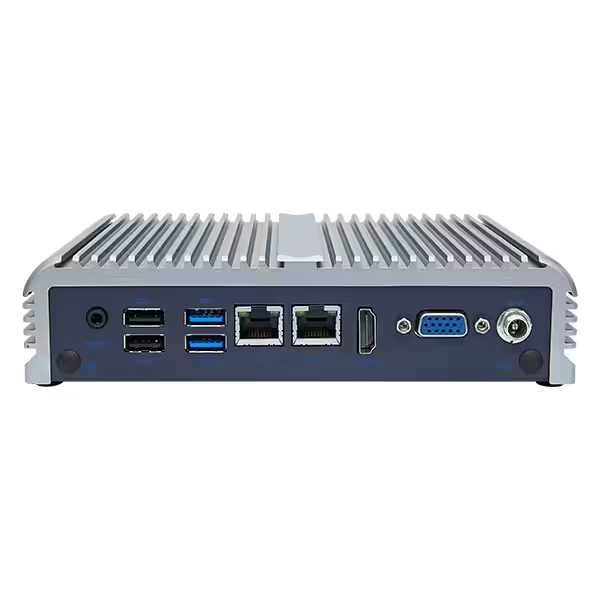
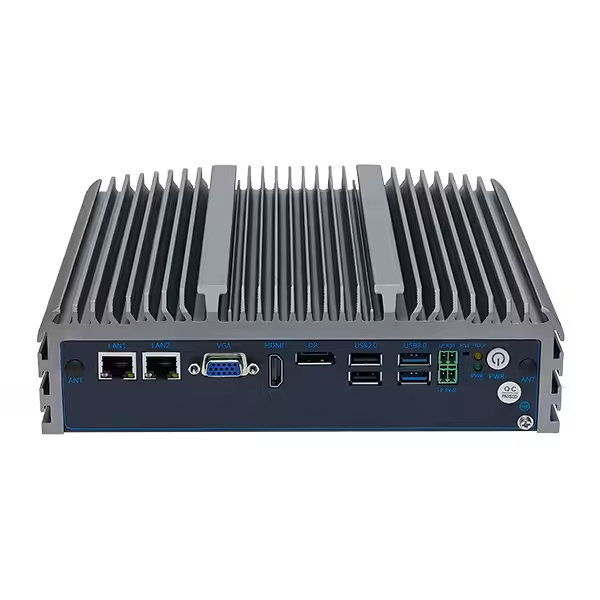
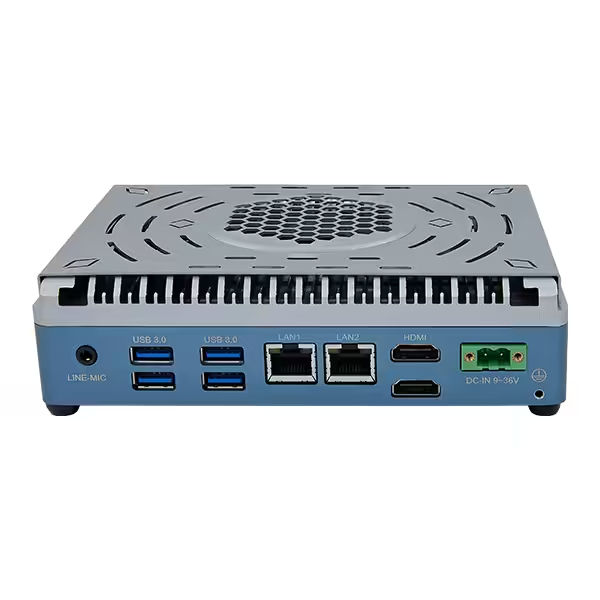
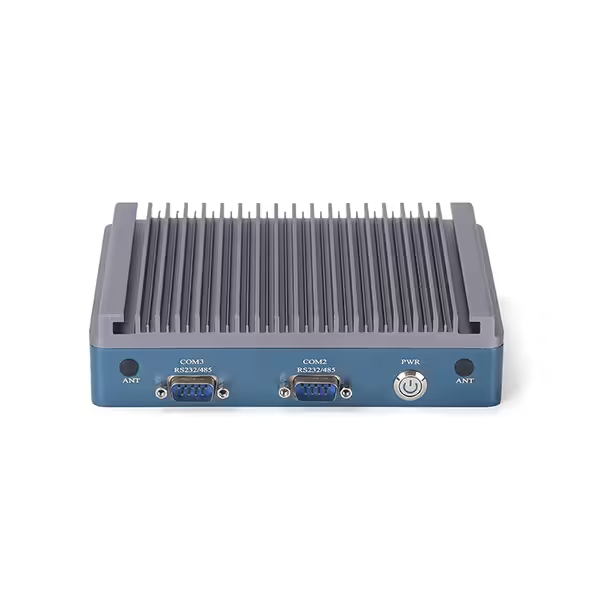
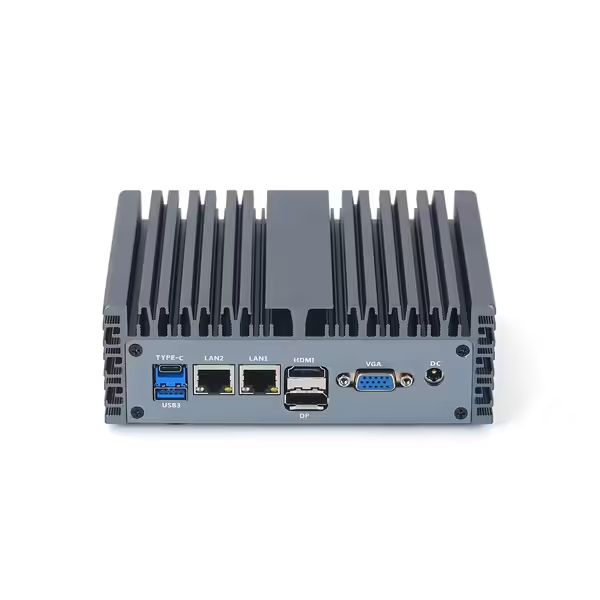
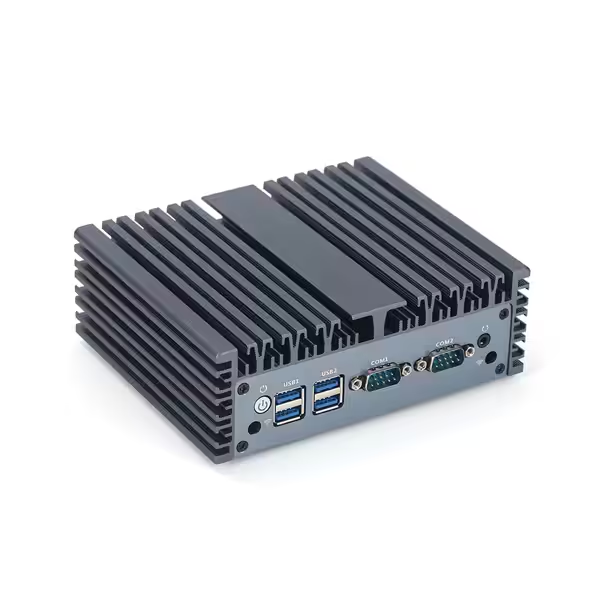
| Typical examples | Industrial box PCs, vehicle computers and network gateways | Simple appliance controllers and sensor devices | Desktop PCs and laptops |
A microcontroller is a type of integrated circuit that combines processing, memory and peripheral functions on a single chip. It is frequently used as the main computing component in simpler embedded applications.
An embedded computer, however, can be considerably more powerful. It may contain a dedicated processor, larger memory capacity, storage, multiple communication interfaces and an operating system such as embedded Linux or Windows IoT.
A desktop computer is different because it is designed to support many applications and user-selected tasks rather than being dedicated to controlling one particular machine.
The important distinction is therefore not simply the size of the hardware, but its intended role within the overall product or system.
Why Embedded Computers Are Important
Embedded computers are essential because many modern devices need to process information and respond automatically without relying on an external computer for every operation.
Their importance comes from several characteristics.
Dedicated functionality: Embedded computers are designed around specific application requirements, allowing hardware and software to be optimized for the intended task.
Real-time response: Applications such as automotive braking and industrial motion control may require responses within defined time limits. Embedded computing makes it possible to implement these time-sensitive control functions.
Integration: Embedded computers can communicate directly with sensors, actuators, displays and other electronic components, making them suitable for integration into complex equipment.
Reliability: Many embedded applications must operate continuously or under demanding conditions. Their hardware and software are therefore selected and designed according to the reliability requirements of the application.
Automation: By processing information and controlling equipment automatically, embedded computers reduce the need for manual intervention in household products, medical devices and industrial processes.
Conclusion
Embedded computers are used in far more applications than most people realize. Washing machines, microwave ovens, Wi-Fi routers, automotive ECUs, medical infusion pumps, PLCs and industrial robots are all examples of products and equipment that rely on embedded computing.
Although these devices serve different purposes, they share a common principle: a computing unit is integrated into a larger product to process information and perform dedicated functions.
As connected devices, automated manufacturing equipment and intelligent machines continue to develop, embedded computers will remain an important part of modern electronic and industrial systems.