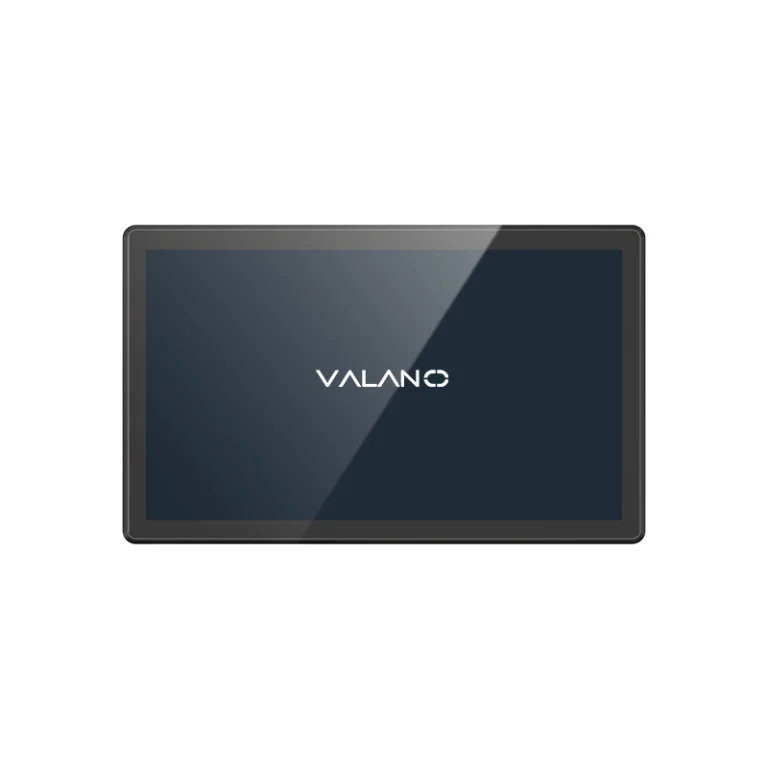
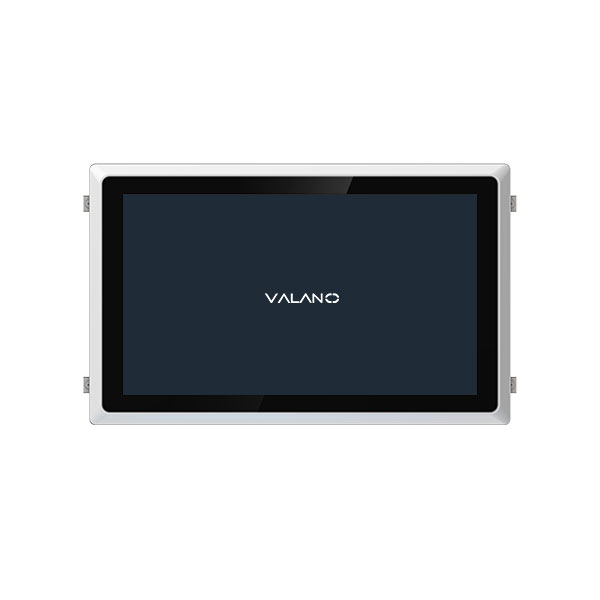
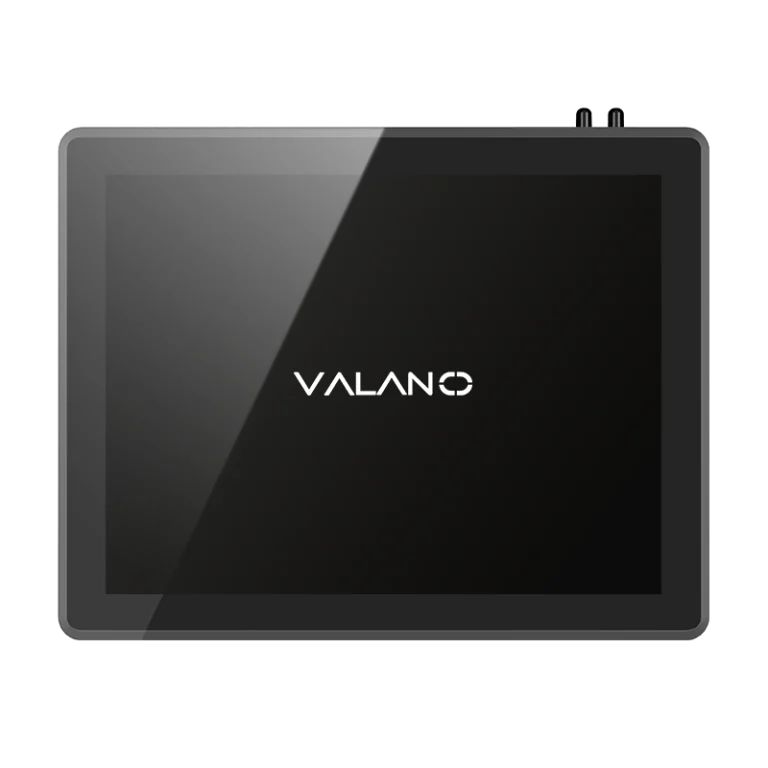
Choosing the right Fanless Industrial Mini PC is essential for ensuring reliable performance in demanding environments. With no moving parts, these systems offer durability, low maintenance, and silent operation—making feature selection critical. Understanding the key specifications, from processing power to thermal design, helps businesses make informed decisions and maximize long-term efficiency. This article outlines the most important features to consider before investing.
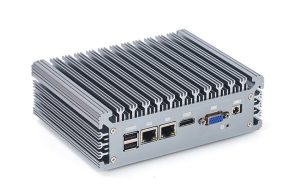
Key Features of a Fanless Mini PC
Processor Performance
CPU Selection
Processor performance is one of the key features that define a high-quality fanless industrial pc. The processor must deliver enough processing power for demanding industrial tasks. A strong processor ensures smooth operation for data collection, machine control, and real-time monitoring.
Industrial mini pc models often use CPUs designed for energy efficiency and thermal management. These CPUs can handle heavy workloads without overheating. This helps maintain quality and reliability in harsh industrial environments.
Power Efficiency
Power efficiency is critical for fanless systems. Efficient CPUs reduce heat output, which supports the compact design and passive cooling. Lower power consumption also means less stress on the power supply and longer system life.
Energy efficiency leads to lower operating costs. It also helps with flexible deployment in locations with limited power. This is important for industrial settings where downtime is costly.
Memory and Storage
RAM Capacity
Adequate RAM capacity is essential for quality performance. More RAM allows the fanless mini pc to run multiple applications at once. It also improves software compatibility and system responsiveness.
Industrial applications often require large amounts of data to be processed quickly. Sufficient RAM supports these needs and ensures reliable operation. This is a key feature for any industrial mini pc.
Storage Type and Reliability
Storage and memory choices affect both performance and quality. Solid-state drives (SSDs) are common in fanless industrial pc models. SSDs offer faster data access, better durability, and improved reliability compared to traditional hard drives.
Reliable storage is vital for industrial environments. SSDs have no moving parts, which fits the fanless design and reduces the risk of failure. This supports long-term quality and lowers maintenance needs.
Connectivity Options
I/O Ports
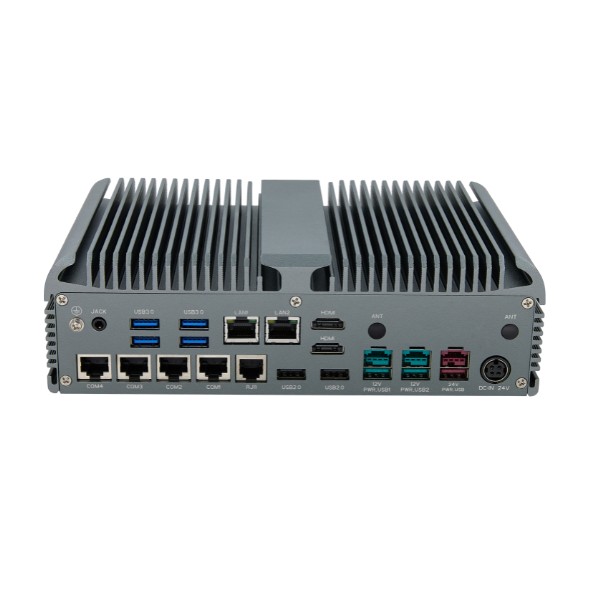
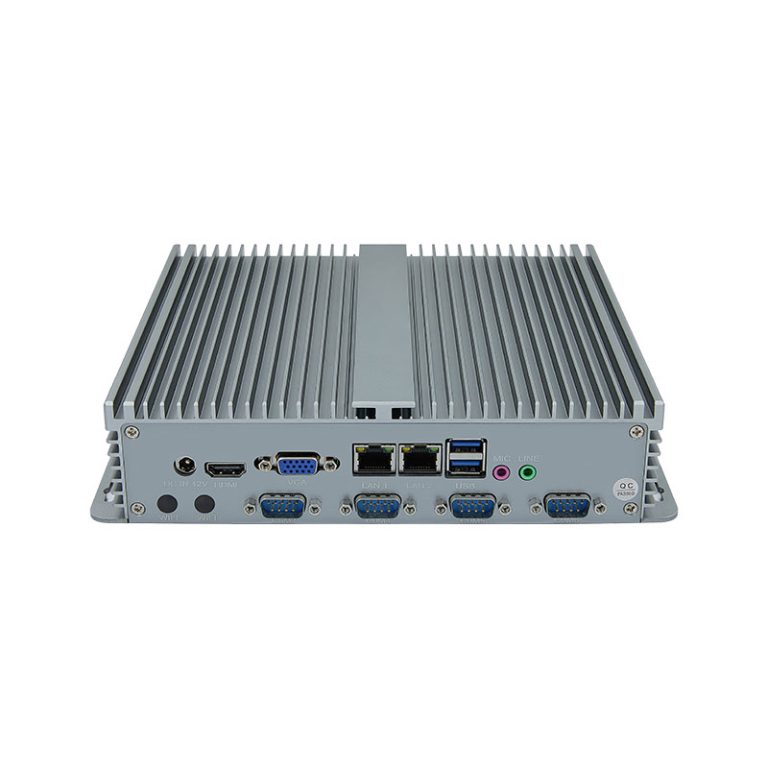
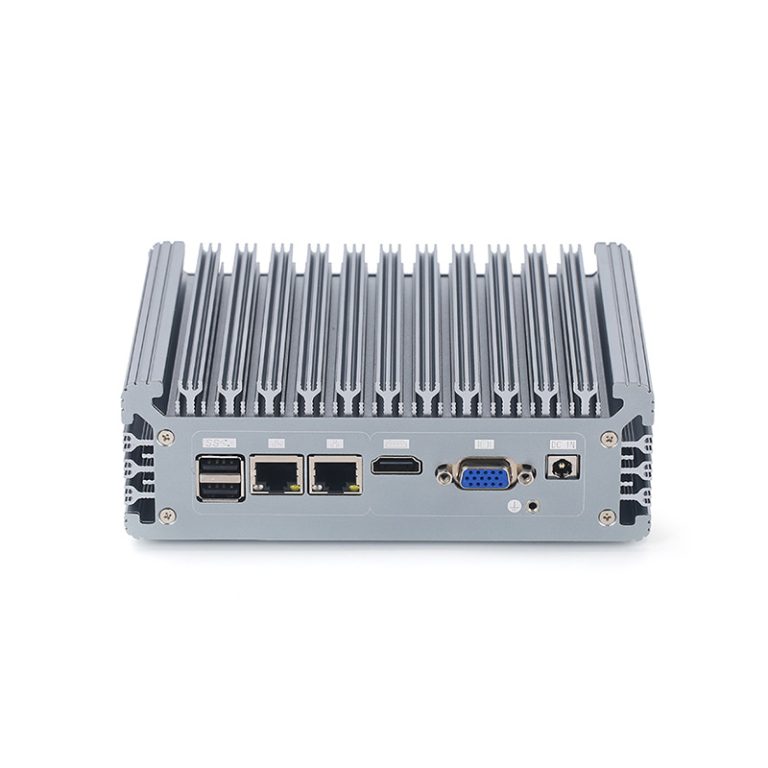
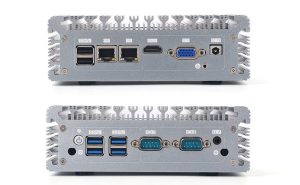
Connectivity options are key features for industrial mini pc systems. Multiple I/O ports allow connection to sensors, controllers, and other devices. This improves connectivity and supports expansion capabilities.
A variety of ports, such as USB, serial, and LAN, ensures software compatibility with different equipment. This flexibility is important for quality and performance in industrial applications.
Wireless Connectivity
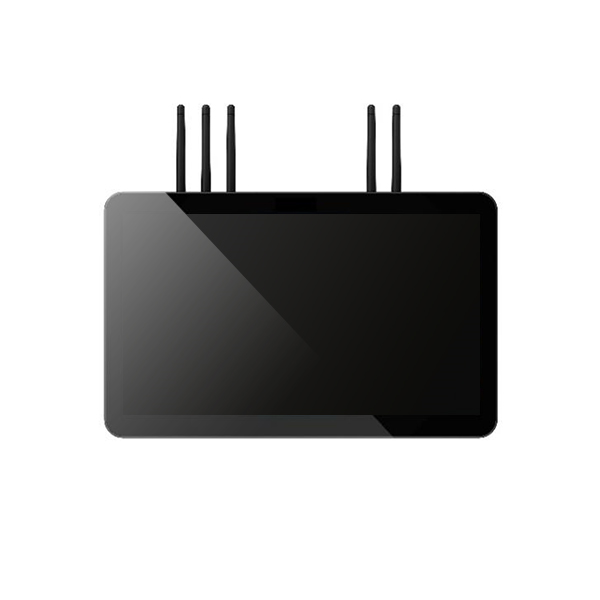
Wireless connectivity is another important aspect of quality design. Wi-Fi and Bluetooth support flexible deployment and remote monitoring. These features help maintain a compact design and reduce cable clutter.
Improved connectivity through wireless options allows the fanless industrial pc to adapt to changing needs. This supports form factor and mounting flexibility in many industrial settings.
Environmental Resistance
Dust & Moisture Protection
A fanless design helps protect the system from dust and moisture. Many industrial environments have airborne particles and humidity that can damage electronics. A sealed enclosure keeps these hazards away from sensitive components.
A fanless industrial pc does not have vents or moving parts that draw in dust. This feature reduces the risk of short circuits and corrosion. It also extends the lifespan of the device.
Temperature Tolerance
Industrial sites often experience extreme temperatures. A fanless system must operate reliably in both hot and cold conditions. Wide temperature tolerance ensures the device works in factories, outdoor kiosks, and vehicles.
Passive cooling methods help the fanless industrial pc manage heat without airflow. This design supports stable performance even when the environment changes quickly. It also prevents overheating and system failure.
Power Supply
Wide Voltage Input
A wide voltage input allows the system to handle different power sources. Industrial locations may have unstable or varying voltage levels. A fanless mini pc with this feature can adapt to these changes without damage.
This flexibility supports deployment in many settings. It also protects the device from power surges and drops. Reliable power input is key for continuous operation.
Power Management
Good power management helps the fanless system use energy efficiently. Features like automatic shutdown and low-power modes reduce energy waste. These options also lower operating costs and extend hardware life.
Power management supports safe operation during outages or brownouts. It helps the industrial pc recover quickly after power returns. This reduces downtime and protects data.
Certifications and Compliance
Industry Standards
Certifications show that the fanless industrial pc meets important industry standards. These standards cover safety, electromagnetic compatibility, and environmental rules. Compliance ensures the device works safely in many regions.
Common standards include CE, FCC, and RoHS. Meeting these standards means the system will not interfere with other equipment. It also shows the product is safe for industrial use.
Safety Certifications
Safety certifications protect workers and equipment. They confirm that the fanless system has passed tests for electrical safety and fire resistance. These certifications are important for installations in factories, transportation, and public spaces.
Long-Term Support
Product Lifecycle
A long product lifecycle is important for industrial mini PCs. Many industrial projects last for years. Users need hardware that stays available and supported for a long time.
Manufacturers often design industrial PCs for extended availability. This means the same model stays in production for several years. It helps companies avoid problems with hardware changes or upgrades.
Software and Firmware Updates
Regular software and firmware updates keep the system secure and reliable. Updates fix bugs, close security gaps, and add new features. These updates help the mini PC work well with new devices and software.
Industrial environments often require stable and safe systems. Reliable update support means the device can handle new threats and stay compatible with changing technology. It also helps extend the useful life of the hardware.
Look for these update features:
- Easy access to firmware downloads
- Clear instructions for installing updates
- Support for remote or automated updates
Fanless Design and Reliability
A fanless industrial pc uses a unique design to improve reliability in harsh environments. This design removes moving parts and uses advanced cooling methods. The result is better performance and less risk of failure.
Heat Dissipation
Passive Cooling Methods
A fanless system relies on a passive cooling system. This method uses heat sinks and metal cases to draw heat away from the processor and other components. The cooling process does not need fans, which means less dust enters the device.
Passive cooling helps maintain steady performance. It also supports energy efficiency because the system does not use extra power for fans. This approach works well in places with high dust or vibration.
Impact on Longevity
Good cooling leads to extended reliability. Without fans, there are fewer parts that can break. The passive cooling system protects the device from overheating, which can damage storage and memory.
A fanless design also improves build quality and durability. The sealed case keeps out dirt and moisture. This protection helps the system last longer, even in tough conditions.
Maintenance Benefits
Reduced Downtime
Fanless cooling reduces the need for regular maintenance. Fans often fail or get clogged with dust, causing downtime. A fanless system avoids these problems, so the device stays online longer.
Less downtime means better performance for industrial tasks. The system can handle heavy processing power needs without frequent repairs. This is important for factories and other critical sites.
Lower Maintenance Costs
A fanless design lowers maintenance costs over time. There are no fans to replace, and the cooling system does not need cleaning. This saves money and time for operators.
The durability of the fanless system means fewer service calls. The device can handle changes in temperature and rough handling. This leads to better thermal management and long-term performance.
A fanless industrial pc offers strong performance, reliable cooling, and low maintenance. These features make it a smart choice for demanding industrial applications.
Application Scenarios for Fanless Industrial PCs
Factory Automation
Many factories use fanless industrial mini PCs to control machines and monitor production lines. These systems work well in environments with dust, vibration, and temperature changes. The fanless design helps reduce maintenance and keeps the equipment running longer.
Key features like wide voltage input and strong environmental resistance support these industrial applications. Multiple I/O ports allow easy connection to sensors and controllers. This setup improves efficiency and reduces downtime in manufacturing plants.
Transportation and Logistics
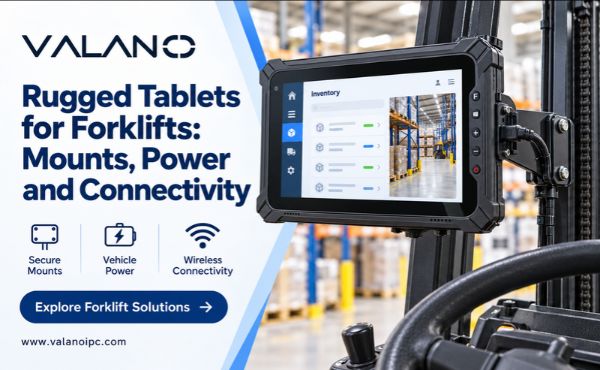
Transportation and logistics companies rely on industrial mini PCs for fleet management, vehicle tracking, and warehouse automation. These applications often require computers that can handle shocks, vibrations, and extreme temperatures. Fanless systems are ideal because they have no moving parts that can fail during travel.
Wireless connectivity options, such as Wi-Fi and Bluetooth, allow real-time data transfer between vehicles and control centers. The compact size of these PCs makes them easy to install in trucks, trains, or shipping containers. This flexibility supports many real world applications in the transportation sector.
Energy and Utilities
The energy and utilities sector uses fanless industrial mini PCs for monitoring and controlling power plants, water treatment facilities, and renewable energy sites. These applications demand reliable operation in remote or harsh locations. Fanless systems perform well because they resist dust, moisture, and temperature swings.
A wide voltage input ensures stable operation even when power supply conditions change. Long-term support and regular firmware updates keep these systems secure and up to date. These features help maintain safety and efficiency in critical infrastructure.
Common uses in energy and utilities:
- Remote monitoring of solar panels
- Control of wind turbines
- Data logging in water treatment plants
Fanless industrial mini PCs play a key role in many sectors. Their durability, reliability, and flexible features make them a smart choice for demanding applications.
Retail and Digital Signage
Retail stores and digital signage systems use fanless industrial mini PCs for many applications. These devices power interactive kiosks, self-checkout stations, and digital menu boards. The fanless design helps the systems run quietly and reliably in public spaces.
Retail environments often have dust, temperature changes, and constant use. Fanless mini PCs handle these challenges with sealed enclosures and passive cooling. This design reduces the risk of failure and keeps maintenance costs low.
Digital signage needs stable performance for long hours of operation. A fanless system supports continuous video playback and real-time content updates. The compact size allows easy installation behind screens or inside kiosks.
Connectivity options play a key role in retail applications. Multiple I/O ports connect to barcode scanners, receipt printers, and touchscreens. Wireless connectivity enables remote management and content updates from a central location.
Retailers value long-term support and regular firmware updates. These features keep the system secure and compatible with new devices. Fanless mini PCs help businesses deliver a smooth customer experience through reliable applications.
Healthcare and Medical Devices
Healthcare facilities use fanless industrial mini PCs in many critical applications. These systems power medical carts, patient monitoring stations, and laboratory equipment. The fanless design prevents dust buildup and supports a sterile environment.
Hospitals require devices that operate quietly and without vibration. Fanless mini PCs meet these needs with passive cooling and no moving parts. This design reduces noise and lowers the risk of hardware failure.
Medical applications demand high reliability and safety. Fanless systems often come with certifications for electrical safety and electromagnetic compatibility. These certifications ensure the devices work safely near sensitive medical equipment.
A variety of connectivity options support integration with medical sensors, imaging devices, and hospital networks. Wireless features allow real-time data sharing between departments. This improves patient care and supports efficient workflows.
Long-term support and regular software updates are important in healthcare. These features help maintain security and compliance with industry standards. Fanless mini PCs provide stable and reliable solutions for demanding medical applications.
Conclusion
Selecting the right Fanless Industrial Mini PC requires careful evaluation of performance, connectivity, environmental durability, and long-term support. These systems deliver reliable, low-maintenance operation across demanding applications, from manufacturing to healthcare. By focusing on key features such as efficient processing, passive cooling, and robust design, businesses can ensure stable performance and reduced downtime. Ultimately, choosing the right solution is essential for achieving consistent, long-term operational efficiency.