Deploying hardware in industrial automation requires rigorous evaluation. Control engineers must evaluate environmental durability, form factor, processing capabilities, I/O connectivity, and product lifecycle support. Proper industrial pc selection prevents costly factory downtime. System integrators face severe operational challenges on plant floors daily.
Managing heat in tight enclosures demands robust passive thermal design. Ensuring seamless fieldbus communication requires optimized physical interfaces. Choosing the right industrial computer protects core system integrity. High processing power drives modern factory automation effectively. A dedicated industrial pc delivers maximum operational stability under harsh physical conditions. Careful hardware planning optimizes overall long term deployment success for control engineers.
Environmental Requirements for Industrial Computers
Operating Temperatures and Fanless Cooling
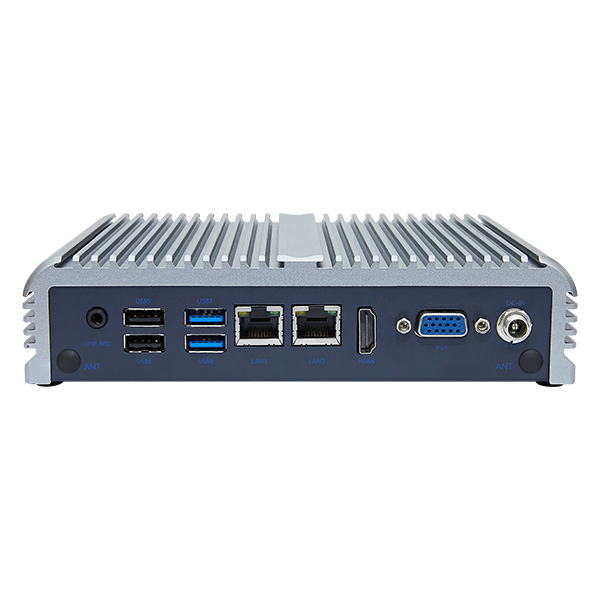
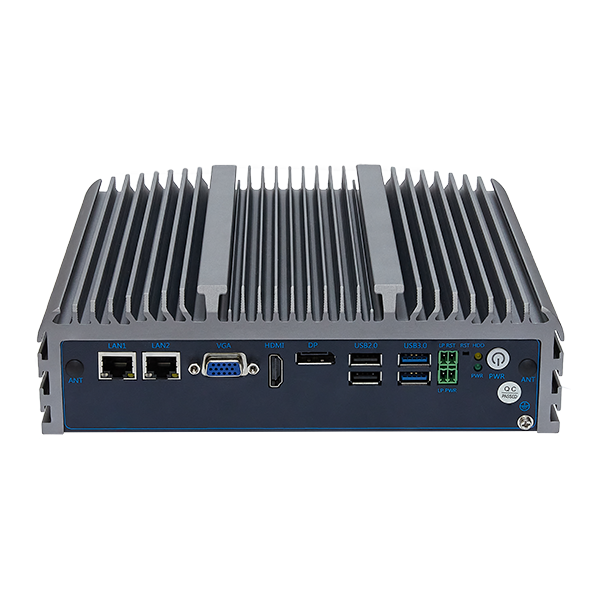
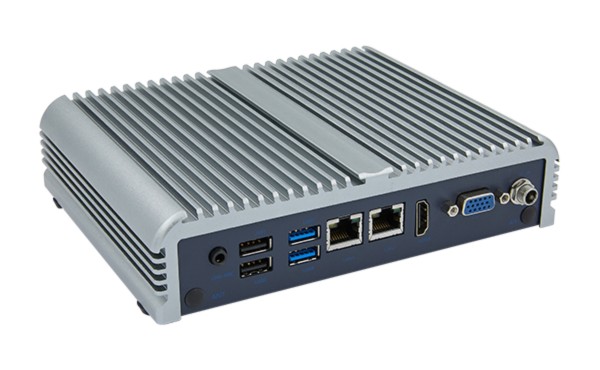
Extreme temperature fluctuations on the factory floor directly threaten electronic hardware stability. Standard desktop devices fail quickly when heat builds up inside unventilated control enclosures during continuous plant operations. An industrial computer maintains steady operational performance across wide thermal ranges from -40°C to 70°C under IEC 60068-2-1 environmental testing standards. Passive thermal design removes mechanical cooling fans entirely. This engineering approach eliminates the most common physical failure point in factory control cabinets. Engineers must verify temperature ratings before installation to prevent unexpected downtime.
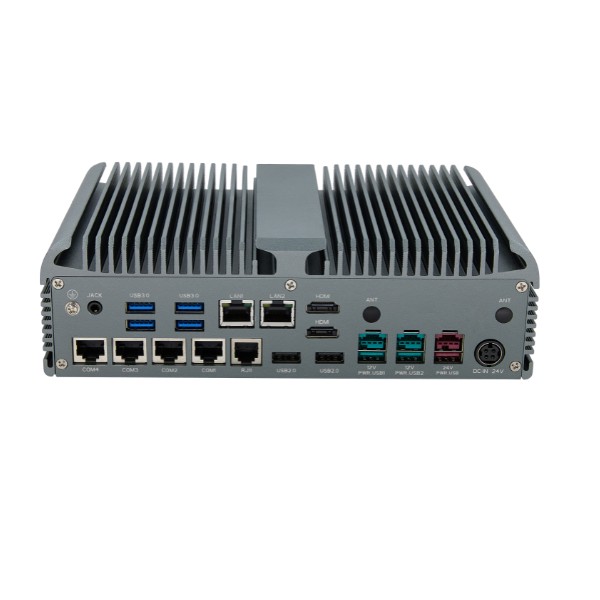
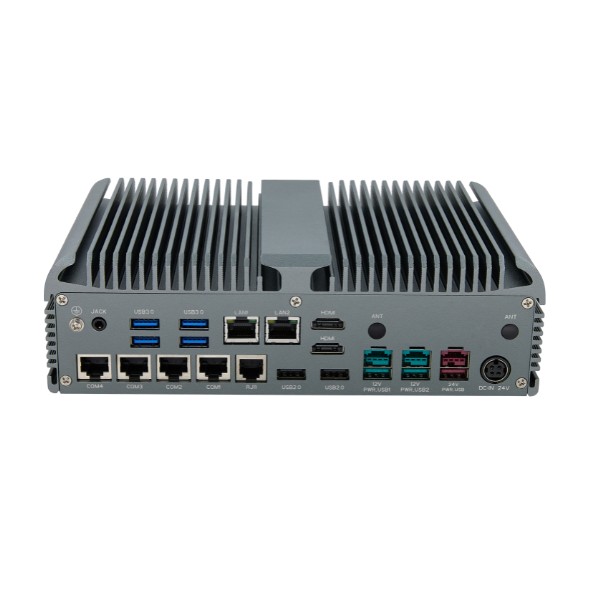
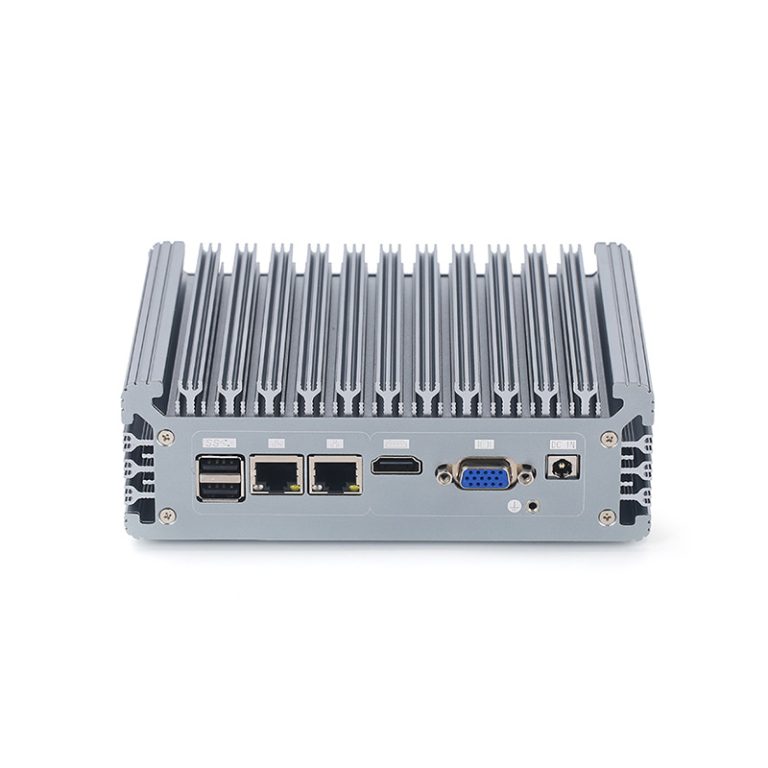
Removing internal cooling fans stops dirty ambient air from entering the computer chassis. Airborne dust and grease particles clog active fans in heavy manufacturing zones. This buildup causes rapid CPU thermal throttling or complete system shutdown. Heavy aluminum heat sinks conduct thermal energy directly away from internal processing units to the exterior heatsink fins. This passive architecture provides maximum operational stability for mission-critical industrial applications. System integrators avoid mechanical maintenance by choosing passive thermal architecture for factory floor control units.
Ingress Protection and Vibration Resistance
Harsh manufacturing areas require strong physical chassis sealing against water, oil, and solid debris. Official Ingress Protection ratings define clear structural defense levels for sensitive internal electronic assemblies. Selecting proper ingress protection prevents short circuits caused by washdown procedures or airborne metallic dust.
| Rating | Solid Particle Protection | Liquid Ingress Protection |
|---|---|---|
| IP65 | Complete dust-tight barrier | Protection against low-pressure water jets |
| IP67 | Complete dust-tight barrier | Protection against temporary water immersion |
Continuous mechanical shock degrades standard circuit board solder joints over time. An industrial pc uses onboard soldered processors and memory modules to withstand heavy operational shock. Compliance with IEC 60068-2-64 vibration testing standards guarantees hardware survival near heavy stamping presses and conveyor motors.
Deploying a rugged industrial pc secures reliable industrial automation operations. Proper physical hardening protects critical system controllers from costly failure in any demanding industrial environment. Modern automation systems depend on this structural resilience for uninterrupted daily performance.
Form Factors: From Industrial PC to Panel PC
Embedded Box PCs and Small Form Factors
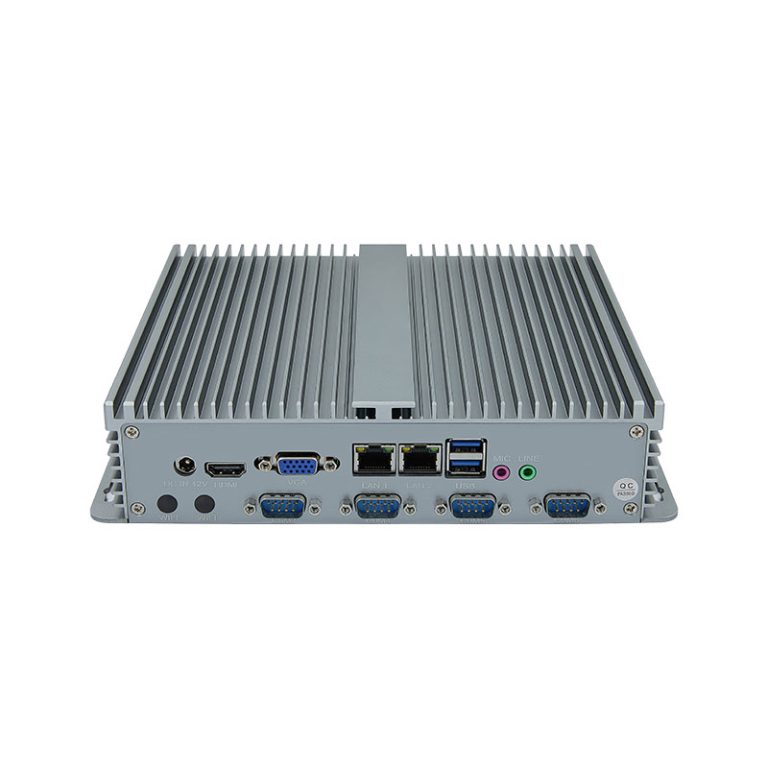
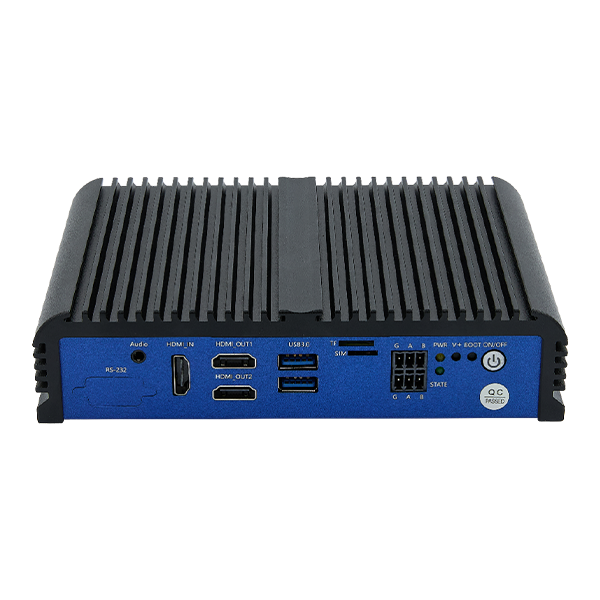
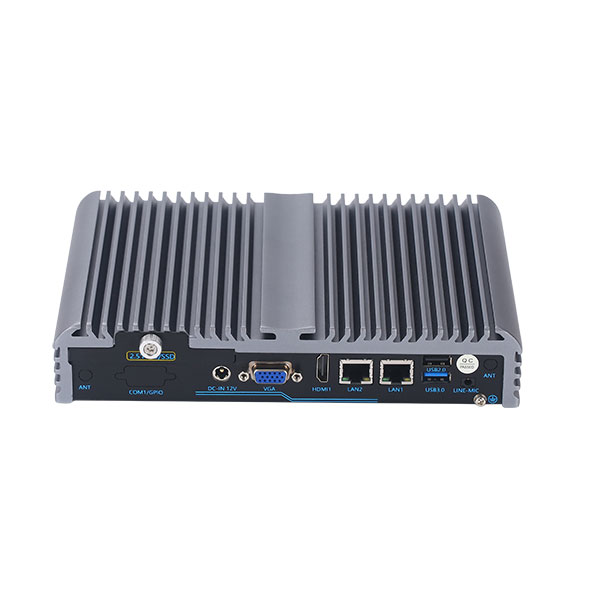
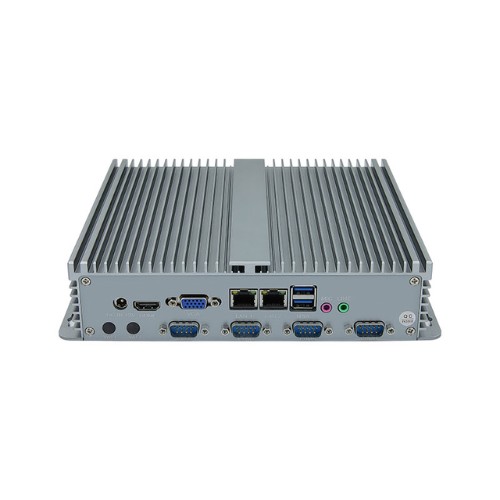
Selecting the correct chassis dimension optimizes physical cabinet space usage. Selecting an industrial computer depends heavily on panel enclosure dimensions and mounting constraints. Control engineers evaluate specific industrial computer form factors to ensure clean integration. Sealed embedded box pcs mount directly onto standard DIN rails inside cramped junction boxes. Modern industrial mini pcs deliver full computing performance within tiny physical footprints. These compact computing units operate reliably inside dense control cabinets without overheating nearby electrical components or relay modules.
Space requirements vary significantly across different factory deployments. System engineers evaluate various industrial computer sizes to fit specific cabinet layouts and thermal profiles properly.
| Form Factor | Primary Mounting | Typical Application |
|---|---|---|
| Embedded Box PCs | DIN Rail / Wall Mount | Machine control inside compact field cabinets |
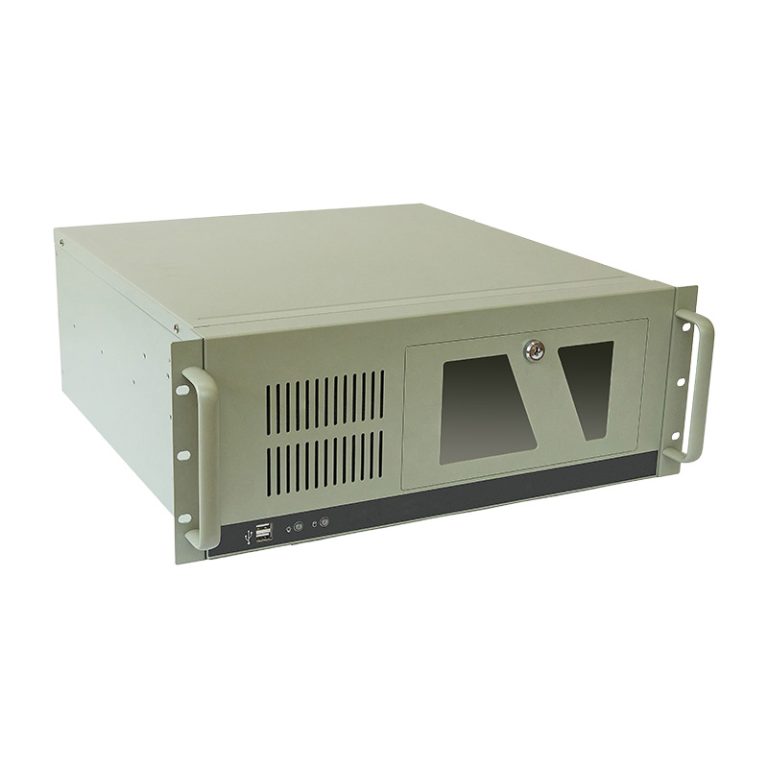
| Rackmount Industrial PCs | 19-inch Server Rack | Centralized data logging and plant server rooms |
Deploying rackmount industrial pcs suits central control rooms requiring extensive expansion card slots. However, smaller industrial computer sizes remain essential for localized field hardware deployment near sensors.
Touch Panel PCs for HMI Applications
Human-machine interface tasks require clear visual interaction on the factory floor. Integrated panel pcs combine a rugged touch display screen with a high-performance industrial pc motherboard inside a single unified chassis. Machine operators monitor real-time processing metrics directly on the main equipment enclosure. This integrated physical design eliminates extra exterior cabling, simplifies panel installation, and boosts mechanical reliability in demanding automation environments.
Deploying dedicated panel pcs eliminates external wiring failure points between standalone display screens and industrial pc controllers. Front chassis bezels with IP65 ingress protection shield sensitive display screens from direct splash liquids and fine industrial dust particles. Plant operators input critical system commands easily using glove-compatible touchscreens.
System integrators mount panel pcs directly onto machine control frames for immediate operator feedback. Modern embedded processing chips allow these touch systems to run complex graphical interfaces alongside real-time software. Choosing an integrated unit built for automation upgrades overall operational accessibility across the whole factory floor.
Processing Power and Computing Architecture
Comparing PLCs vs. Industrial PCs
Programmable logic controllers handle low-level deterministic control tasks efficiently. These dedicated control devices execute repetitive scan cycles with microsecond timing predictability. They excel at discrete input relay operations, basic motor activation, and sequential sensor polling. Control engineers rely on these deterministic units for fixed machine control routines. However, legacy hardware controllers struggle when handling large data processing loads across connected factory networks.
Modern industrial automation demands integrated edge computing alongside routine physical machine control loops. A high-performance industrial pc executes real-time control while running complex automation software applications. This hardware architecture handles machine vision analysis, local database integration, and cloud communications simultaneously on one single platform.
| Controller Feature | Programmable Logic Controller | Industrial PC |
|---|---|---|
| Control Focus | Deterministic field logic | High-level compute and edge control |
| Operating System | Proprietary firmware RTOS | Windows, Linux, or Real-Time OS |
| Data Handling | Basic memory registers | Advanced databases and analytics |
CPU, RAM, and Storage Configurations
Selecting appropriate central processing architecture depends directly on targeted operational workloads. Compact energy-efficient dual-core processors manage lightweight edge gateway duties efficiently inside small field enclosures. Multi-core processors handle data-intensive automation tasks like multi-axis motion trajectory generation and deep learning inspection. Selecting a properly configured industrial computer ensures sufficient operational processing headroom without causing internal thermal overload.
System memory requires careful specification planning for heavy continuous workloads. Error-correcting code system memory detects and repairs single-bit memory corruptions automatically. Uncorrected data memory errors interrupt automated production lines suddenly. This protective hardware capability prevents unexpected system crashes caused by heavy electrical noise and electromagnetic interference on the plant floor.
Industrial storage relies entirely on solid-state drives built with high endurance flash memory cells. Single-level cell flash drive technology provides maximum endurance during continuous data logging operations. Integrated thermal throttling protection preserves drive life during sustained high-temperature operations. Choosing a rugged industrial pc guarantees long-term software execution stability across demanding manufacturing environments.
Industrial I/O and PCIe Expansion Options
Serial, Ethernet, and CAN Bus Connectivity
Legacy and modern factory equipment require diverse physical interface ports. Legacy field devices transmit critical sensor readings over traditional serial communications. Integrated RS-232, RS-422, and RS-485 ports protect central controllers against destructive ground loops. Galvanic isolation prevents transient electrical voltage spikes from damaging delicate motherboard components. System builders specify isolated serial ports to ensure continuous data transmission across noisy electrical environments.
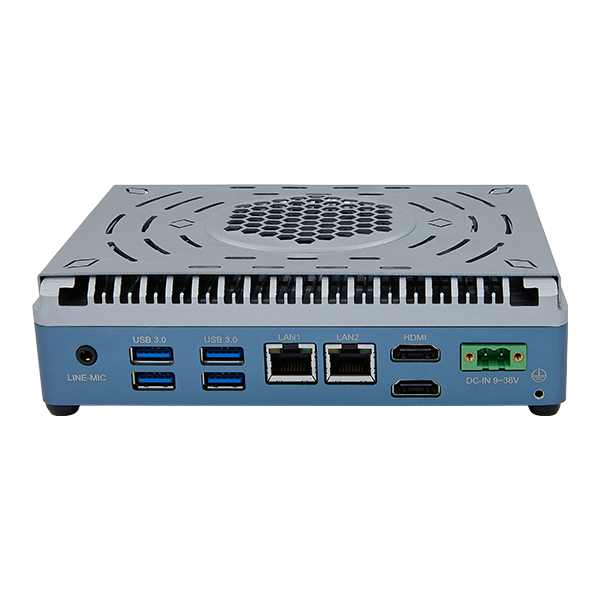
Modern automation deployments rely heavily on real-time fieldbus networks for complex machine control. Multiple independent Ethernet ports allow control engineers to separate machine execution traffic from corporate network traffic. Controller Area Network interfaces manage reliable message delivery across automated guided vehicles and conveyor systems according to ISO 11898 standards. Dual LAN ports also support network redundancy to prevent line shutdowns. Deterministic Ethernet protocols process time-critical packets with microsecond delivery precision according to IEC 61158 specifications.
| Interface Type | Standard Specification | Primary Field Function |
|---|---|---|
| Serial (RS-485) | TIA/EIA-485 | Legacy sensor data and meter integration |
| Industrial Ethernet | IEC 61158 | Deterministic fieldbus and controller networks |
| CAN Bus | ISO 11898 | Decentralized vehicle and motion control |
PCIe and M.2 Slots for Motion and Vision
High-speed internal expansion slots increase system processing capabilities for advanced vision tasks. Automated visual inspection requires massive data bandwidth to process image streams without dropped frames. System integrators install dedicated frame grabber cards into multi-lane PCI Express slots.
These expansion cards transfer uncompressed high-resolution video directly to system memory for real-time quality control. Dedicated motion control cards also manage precise multi-axis motor movements over high-speed bus interfaces. Multi-slot PCI Express risers allow compact embedded enclosures to accommodate full-height expansion cards easily.
Compact M.2 expansion slots provide flexible modular options inside space-constrained hardware enclosures. Engineers install wireless communication cards into M.2 modules for remote equipment monitoring. AI acceleration cards mounted in M.2 slots execute deep learning inference routines at the local machine edge. Choosing a modern industrial pc with versatile expansion paths guarantees long-term hardware adaptability for specialized industrial applications.
Power Specifications and Lifecycle Longevity
Wide DC Power Input and Overvoltage Protection
Unstable electrical distribution grids on factory floors frequently cause sudden voltage drops and destructive electrical spikes. Heavy industrial machinery activations drop line voltages across main equipment control panels. A robust industrial computer accepts wide DC power input ranges from 9V to 36V to maintain continuous operational stability. Internal voltage regulators isolate sensitive processing chips from incoming power noise. This broad voltage tolerance prevents unexpected system reboots, system failures, and data corruption during heavy conveyor motor startups.
Dedicated power protection circuits shield internal motherboard components from damaging electrical transients on the plant floor. Overvoltage protection clamps sudden high-voltage surges safely above rated operating limits. Integrated surge suppression components absorb rapid transient voltage spikes before destructive energy hits critical processor lines.
Reverse polarity protection guards sensitive electronics against inverted power wiring connections during field installation. Standardizing these protective power features ensures uninterrupted system operation and protects physical hardware across unpredictable factory electrical environments.
Long-Term Component Availability and Support
Commercial desktop units change internal hardware components rapidly within short consumer market cycles. System integrators experience severe installation delays when minor motherboard revisions break established software drivers or physical mounting layouts. Deploying an industrial pc secures fixed bill-of-materials availability for seven to ten years minimum. Component stability allows control engineers to deploy identical hardware configurations across multiple facility production lines without requiring constant driver updates or complex software re-validation routines.
Long-term lifecycle support dramatically reduces overall operational maintenance expenditures across automated facilities over time. Standardizing long-lifecycle hardware avoids expensive control cabinet physical redesigns and costly system regulatory re-certifications. Comprehensive vendor component roadmaps ensure identical replacement parts remain readily available during planned machine maintenance windows. Reliable long-term component availability preserves core processing stability for mission-critical industrial applications over decade-long operating lifespans.
Frequent Askded Questions
What is the main operational difference between PLCs and industrial PCs?
PLCs execute low-level deterministic control routines with microsecond timing predictability. Conversely, an industrial PC runs complex edge automation software, processes real-time machine vision data, and manages database integration on a single unified platform.
How do control engineers select appropriate industrial computer sizes?
Engineers evaluate panel enclosure dimensions, thermal clearance, and mounting options:
- Deploy compact embedded box pcs for DIN rail mounting inside tight field junction boxes.
- Select 19-inch rackmount chassis for centralized server rooms.
When should engineers deploy touch panel pcs for automation?
Engineers deploy touch panel pcs for human-machine interface applications directly on equipment frames. These integrated panel pcs display real-time metrics while eliminating external display cabling failure points inside harsh manufacturing environments.
How do fanless cooling designs protect hardware on factory floors?
Passive cooling designs use heavy aluminum heat sinks to dissipate internal thermal energy. Eliminating cooling fans prevents dirty ambient air, grease, and metallic dust from entering the chassis. This thermal engineering prevents CPU throttling and hardware failure.
What power supply protections prevent unexpected controller reboots?
Industrial controllers require wide DC power inputs from 9V to 36V to withstand sudden line voltage drops. Integrated surge suppression, overvoltage clamping, and reverse polarity protection components shield sensitive motherboard electronics from destructive electrical transients.