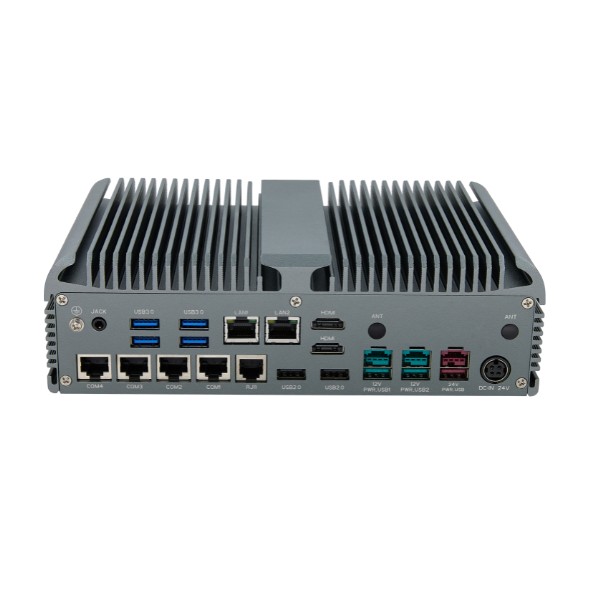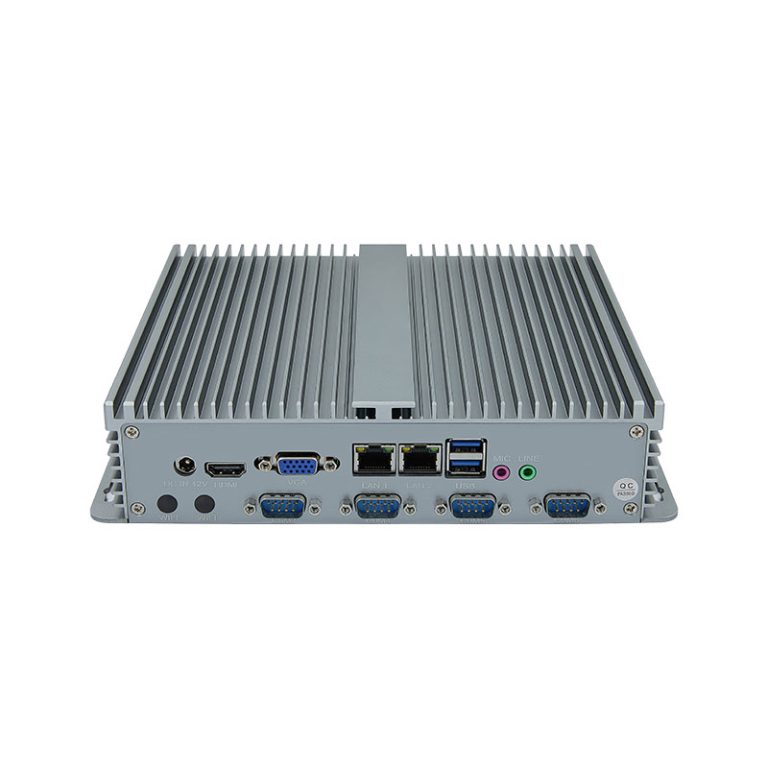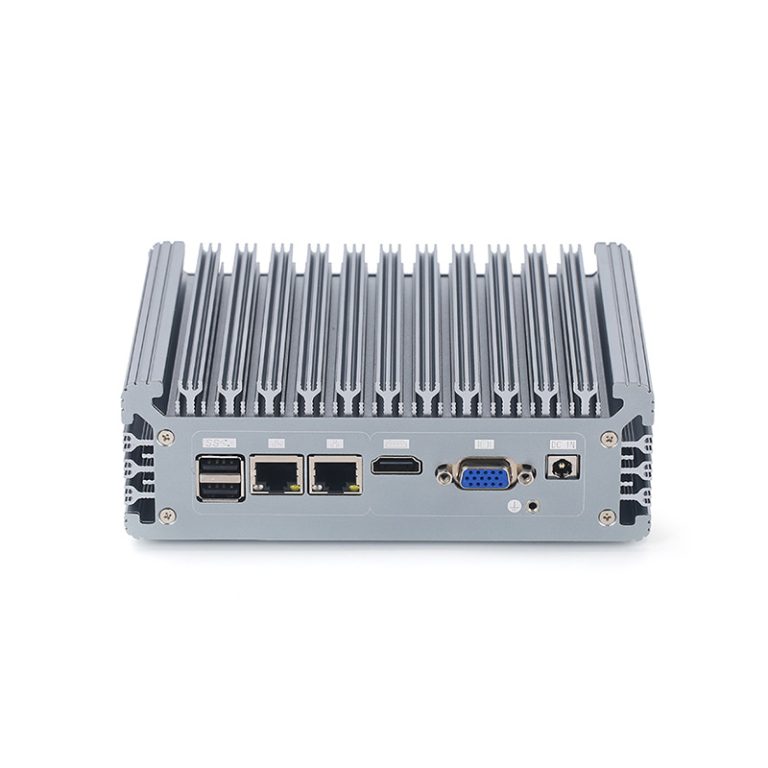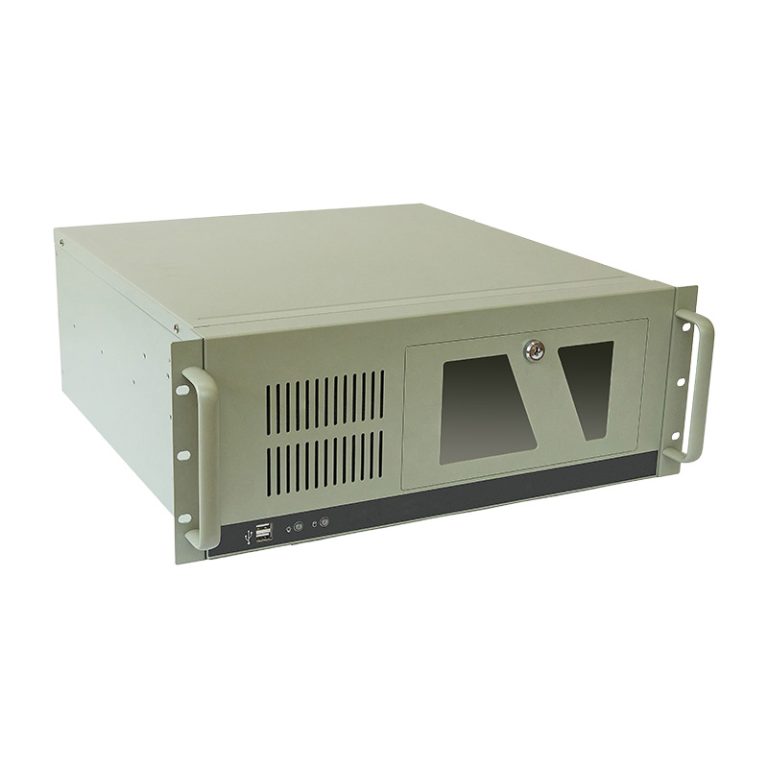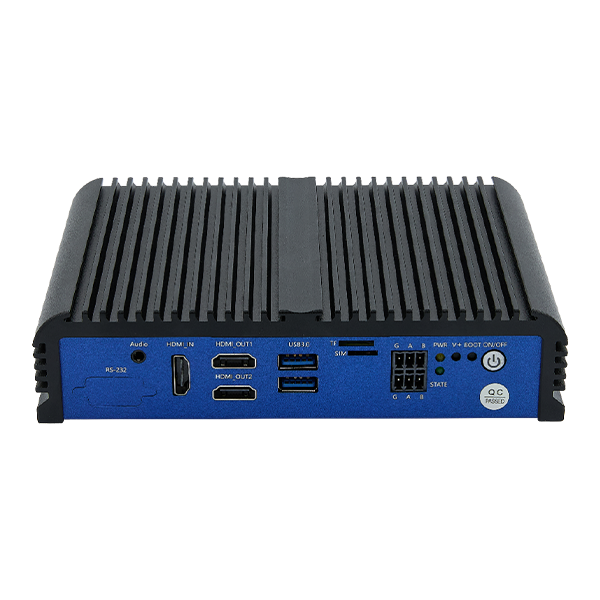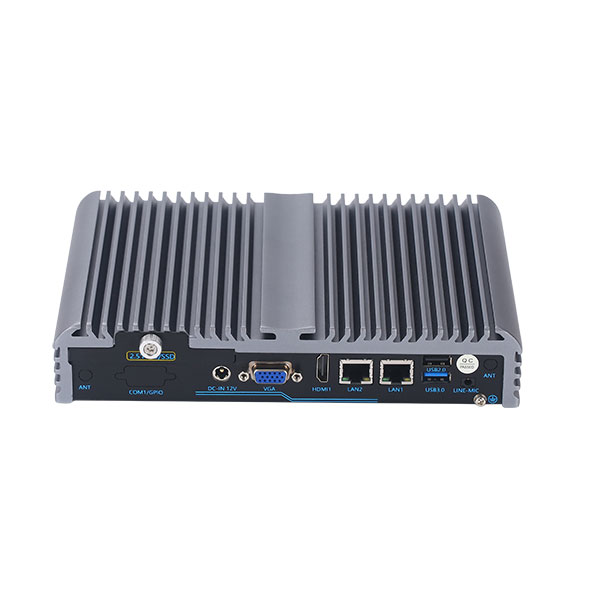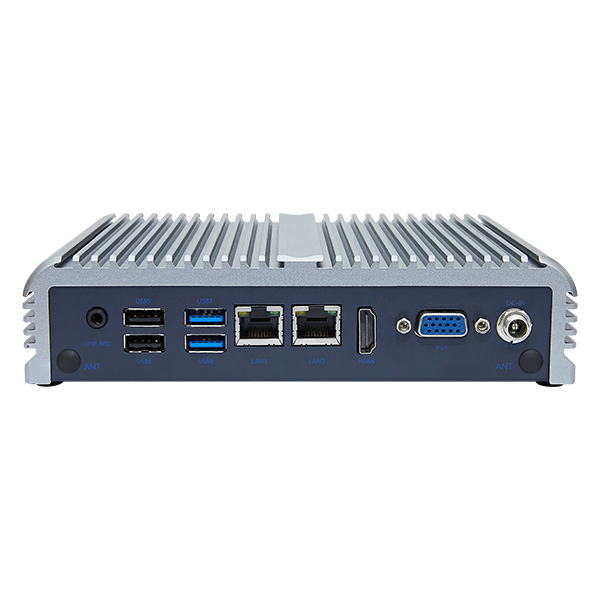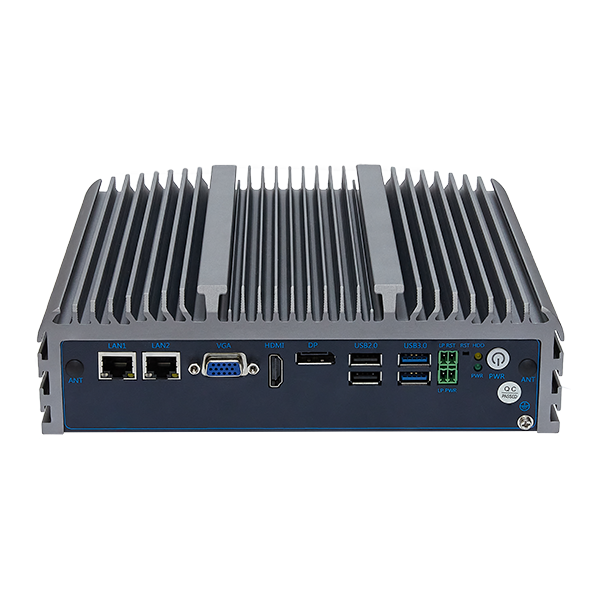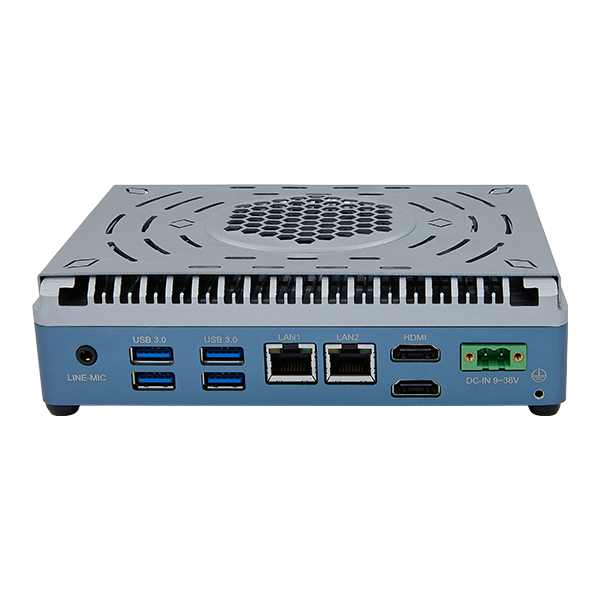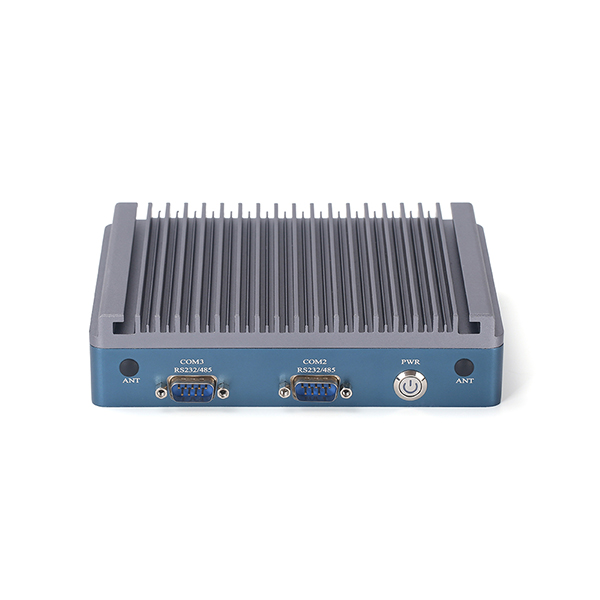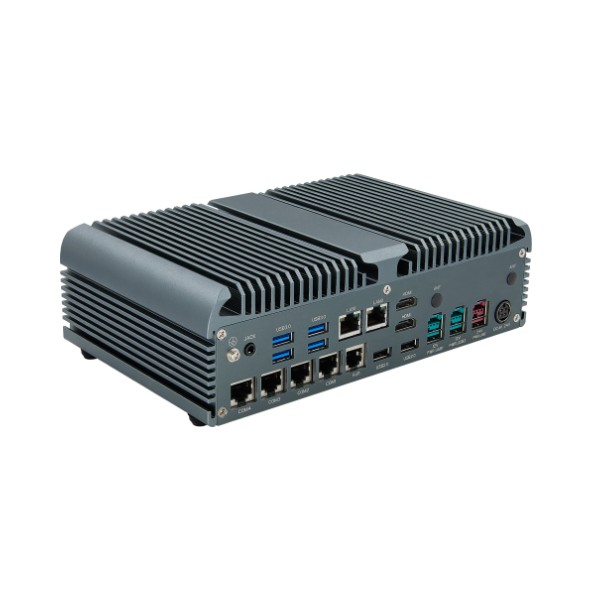
Imagine a control room on a factory floor where dust and vibrations are constant—how long would a standard PC last? Fanless industrial computers offer a better answer. These ruggedized systems use passive cooling, like heat sinks and heat pipes, instead of fans. They are designed for harsh environments. Their core value is unmatched reliability, near-zero maintenance, and silent operation.
These features solve common pain points in industrial settings. A fanless industrial computer delivers the durability and quality that an industrial pc needs for demanding tasks. Every industrial pc benefits from this design. Applications span from manufacturing to smart cities. Fanless industrial computers provide the silence and efficiency that modern operations require. This combination of reliability and performance explains their growing popularity.
Fanless vs. Fan-Cooled: Key Differences
The choice between a fan-cooled system and a fanless design comes down to one fundamental question: what happens when moving parts fail? A standard computer relies on fans to push hot air away from critical components. Those fans spin constantly. They collect dust. They wear out. When a fan stops working, the system overheats and shuts down. This failure chain causes costly downtime on a factory floor.
Fanless industrial computers eliminate that entire failure chain. They use passive cooling methods that have no moving parts. The result is a dramatically higher mean time between failures (MTBF). For operations that run 24/7, this difference matters enormously. A fan-cooled unit might require service every few months. A fanless system can run for years without intervention.
The Hidden Costs of Moving Parts
Fans create hidden expenses beyond their initial purchase price. Each fan requires regular cleaning to maintain airflow. Dust and debris clog fan blades and bearings. In environments with metal shavings or textile fibers, fans can fail within weeks. Replacement costs add up quickly. Labor costs for maintenance visits add even more.
| Factor | Fan-Cooled System | Fanless Design |
|---|---|---|
| Moving parts | Multiple fans | None |
| Maintenance | Regular cleaning | Near-zero |
| Dust resistance | Poor | Excellent |
| Vibration tolerance | Moderate | High |
| Failure risk | Fan bearing wear | Minimal |
The rugged design of a fanless industrial pc also handles shock and vibration better. Fans have delicate bearings that suffer under constant vibration. A fanless system has no such weakness. Its solid construction withstands the shaking and jarring common in industrial settings.
Thermal Performance in Real-World Conditions
Some engineers worry that fanless systems cannot handle demanding workloads. Modern thermal design proves otherwise. Large heat sinks and heat pipes transfer heat efficiently away from processors. These components spread thermal energy across a wide surface area. The heat then dissipates naturally into the surrounding air.
Fanless industrial computers operate across a wide temperature range. They handle both freezing cold and extreme heat without performance loss. A fan-cooled system struggles in dusty environments because airflow becomes restricted. A fanless design maintains consistent thermal performance regardless of airborne contaminants. This reliability makes fanless systems the preferred choice for harsh industrial environments where consistent operation matters most.
Benefits of Fanless Industrial Computers
The advantages of a fanless design extend far beyond the absence of a spinning blade. These systems deliver measurable gains in uptime, operating costs, and deployment flexibility. Engineers and IT managers who evaluate total cost of ownership quickly recognize the value proposition.
Reliability, Dust Resistance, and Wide Temperature Tolerance
Reliability stands as the primary reason operations choose fanless industrial computers. With no moving parts to wear out, these systems achieve a higher mean time between failures than fan-cooled equivalents. A fanless industrial computer can run continuously for years without scheduled maintenance. This dependable operation translates directly into reduced downtime and lower service costs.
Dust and contaminant resistance further strengthens the reliability story. Fan-cooled systems pull airborne particles through their chassis, coating internal components and clogging airflow paths. Fanless designs seal their enclosures effectively. Many models offer high ingress protection ratings, which certify resistance to dust and water. This environmental protection means a fanless system can sit beside a grinding station or inside a dusty cabinet without performance degradation.
Extreme temperature tolerance completes the reliability picture. Fanless industrial pcs operate across a wide temperature range, from freezing cold to intense heat. The passive cooling design handles thermal stress without the risk of fan failure. This rugged reliability makes these systems suitable for outdoor installations, unheated warehouses, and hot manufacturing environments alike.
The compact form factor and versatile mounting options of fanless designs add another layer of value. These systems mount on walls, under desks, or inside equipment racks. Their small footprint fits into tight spaces where standard computers cannot go. This deployment flexibility, combined with enhanced durability, makes them ideal for a broad range of applications.
Energy Efficiency, Silent Operation, and Low Maintenance
Fanless industrial computers consume less power than their fan-cooled counterparts. Fans draw continuous electricity, and the cooling system adds to the overall energy load. Removing fans reduces power consumption noticeably. For facilities running dozens of systems around the clock, this energy efficiency produces meaningful savings on utility bills.
Silent operation offers a practical benefit in many settings. A fanless system produces no noise because it has no moving parts. This quiet performance matters in control rooms, laboratories, and medical facilities where noise creates distractions. Workers appreciate a quieter environment, and the absence of fan hum improves comfort during long shifts.
Low maintenance delivers the most significant financial advantage. Fan-cooled systems require regular cleaning, filter replacement, and fan inspection. Each maintenance visit costs labor hours and may require system shutdown. Fanless designs eliminate these tasks entirely. The result is a lower total cost of ownership over the system’s lifespan. Reduced downtime also protects production schedules and revenue.
The quality of fanless industrial computers shows in their construction. Manufacturers build these systems with rugged components and robust enclosures. This quality ensures reliable performance in conditions that would quickly destroy a standard desktop PC. For industrial operations that cannot afford unexpected failures, the choice becomes clear. A fanless system provides the durability, efficiency, and peace of mind that modern production demands.
How Passive Cooling Works
Passive cooling relies on simple physics. Heat naturally moves from hot areas to cool areas. A fanless industrial computer uses this principle to manage its internal temperature. The system captures heat at the processor and moves it away through solid materials. This process requires no moving parts and no electricity beyond the system’s normal operation.
Heat Sinks, Heat Pipes, and Thermal Design
A heat sink forms the foundation of passive cooling. This metal component, usually aluminum or copper, attaches directly to the processor. Its large surface area spreads heat across many thin fins. Air passing over these fins carries the heat away naturally. The design works because heat always flows toward cooler regions. A larger heat sink dissipates more heat than a smaller one.
Heat pipes enhance this basic design. These sealed tubes contain a small amount of fluid. Heat at one end vaporizes the fluid. The vapor travels to the cooler end, where it condenses and releases heat. The liquid then returns through a wick structure. This cycle repeats continuously. Heat pipes transfer thermal energy far more efficiently than solid metal alone. They allow a compact industrial pc to move heat from the processor to a remote cooling surface.
Modern thermal design combines these elements carefully. Engineers calculate the exact heat output of each component. They position heat pipes to carry thermal loads away from sensitive parts. They shape heat sinks to maximize airflow in the intended mounting orientation. The result is a system that maintains safe operating temperatures without any active cooling.
Optimizing Heat Dissipation for Industrial Workloads
Many people assume fanless designs suit only low-power tasks. Modern passively cooled systems prove otherwise. Advanced thermal engineering allows these systems to handle demanding industrial workloads. Processors with high thermal design power operate safely within fanless enclosures. The key lies in matching the cooling solution to the actual heat load.
Industrial environments present unique thermal challenges. A system inside a sealed cabinet faces restricted airflow. A unit mounted near a furnace experiences high ambient temperatures. Engineers address these conditions through careful thermal modeling. They select heat sinks sized for worst-case scenarios. They orient heat pipes to work effectively regardless of mounting position. These passive cooling solutions maintain consistent performance across a wide temperature range.
The quality of thermal design directly affects system reliability. A well-designed fanless system keeps components cool even under sustained load. This stable operation extends component life and prevents thermal throttling. For operations that run continuous processes, this dependable performance proves essential. The absence of fans removes the most common failure point while delivering the cooling capacity that industrial applications require.
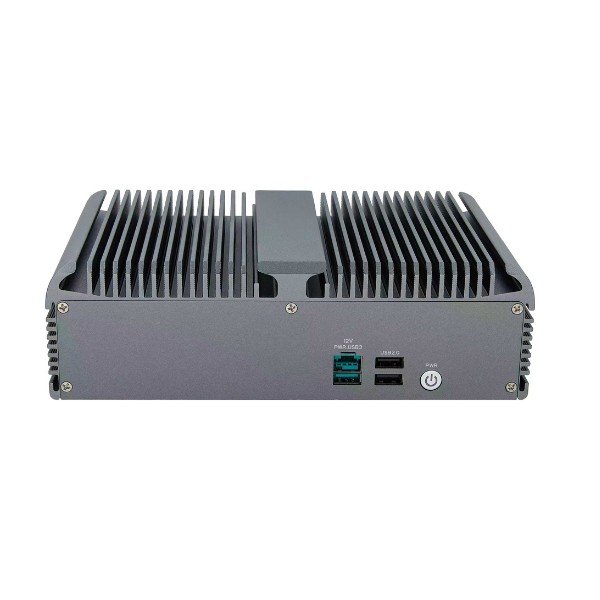
Applications and Selection Considerations
Fanless industrial computers serve a remarkable range of environments. Their durability and quiet operation make them valuable across many sectors. Understanding where these systems excel helps buyers choose the right solution for their specific needs.
Key Applications for Fanless Industrial PCs
Manufacturing remains the most common home for these rugged systems. Factory floors present constant challenges. Dust, vibration, and temperature swings threaten standard equipment. A fanless industrial computer handles these conditions without complaint. Production lines use them for machine control, data collection, and quality monitoring. Their reliability keeps assembly lines moving without unexpected interruptions.
Transportation represents another major application area. Vehicles and railway systems experience constant shock and movement. Fanless designs withstand this punishment because they lack fragile moving parts. These systems manage fleet tracking, passenger information displays, and onboard diagnostics. Their wide temperature tolerance suits both freezing outdoor conditions and hot engine compartments.
Rugged edge computing has emerged as a growing application field. Edge computing processes data near its source rather than sending everything to a central server. This approach reduces latency and bandwidth usage. Fanless industrial pcs excel in this role because they operate reliably in remote locations. Oil fields, wind turbines, and solar arrays all benefit from rugged edge computing installations. These systems collect sensor data and run analytics without requiring frequent maintenance visits.
Remote monitoring applications continue to expand. Pipelines, water treatment facilities, and power substations need constant oversight. A fanless system can sit in a dusty enclosure for years while transmitting critical data. The industrial iot relies heavily on these dependable computers. They connect legacy equipment to modern networks and enable predictive maintenance strategies.
Medical applications also benefit from fanless technology. Hospitals require quiet equipment that operates continuously. Imaging systems, patient monitors, and laboratory instruments all use these silent computers. The absence of fans prevents the circulation of airborne contaminants in sensitive areas.
Evaluating Your Environment for an Industrial PC
Selecting the right system requires careful assessment of your deployment site. Start with ambient temperature. Measure the highest and lowest temperatures your equipment will face. A fanless industrial computer typically operates across a wide temperature range, but you must verify your specific model matches your conditions. A system mounted near a furnace needs different thermal capacity than one in an air-conditioned control room.
Mounting constraints matter equally. Measure your available space carefully. Compact form factors allow installation in tight locations. Consider how you will secure the system. Wall mounts, DIN-rail mounts, and panel mounts each suit different situations. Choose a mounting method that provides adequate airflow around the heat sink. Blocked ventilation reduces cooling efficiency considerably.
Power availability shapes your options. Some locations offer stable, reliable power. Others experience fluctuations or outages. Check your power source quality before selecting a system. Consider whether you need wide-input power supplies that tolerate voltage variations. For remote installations, low power consumption becomes critical. Energy-efficient models reduce the size of solar panels or batteries required.
Dust and contaminant levels influence your choice. Check the ingress protection rating of potential systems. Higher ratings indicate better sealing against particles and moisture. A system near grinding operations needs more protection than one in a clean control room. Vibration levels also matter. Measure the actual shaking your mounting surface experiences. Fanless designs handle vibration well, but extreme conditions may require additional isolation mounts.
Finally, consider your workload requirements. Determine the processing power your applications demand. Modern fanless systems handle substantial computing loads, but matching the processor to the task ensures optimal performance. Over-specifying wastes money. Under-specifying causes sluggish operation. Evaluate your software requirements honestly before making a purchase decision.
Conclusion
Fanless industrial computers deliver durability, efficiency, and low maintenance. These qualities make them the preferred choice for harsh environments. Dust resistance, shock tolerance, wide temperature range, and silent operation translate directly into lower total cost of ownership. The reliability of a fanless industrial pc reduces downtime and service expenses.
Evaluate your deployment scenario carefully. Consider heat dissipation, mounting constraints, and workload demands. A fanless solution fits most industrial settings when these factors align properly.
The role of fanless industrial pcs continues expanding. Rugged edge computing and Industry 4.0 rely on dependable hardware. These systems offer the quality and energy efficiency that future operations demand. Choosing fanless technology now prepares your infrastructure for tomorrow’s challenges.
FAQ
How long can a fanless industrial computer operate without failure?
A well-designed fanless system runs for years without interruption. The absence of moving parts removes the most common failure point. Most manufacturers design these systems for continuous 24/7 operation. The mean time between failures significantly exceeds that of fan-cooled equivalents.
Can a fanless industrial pc handle processor-intensive tasks?
Modern thermal engineering allows fanless designs to manage substantial workloads. Large heat sinks and heat pipes transfer heat efficiently away from processors. These systems handle data processing, machine control, and edge computing tasks. The cooling capacity matches the processor’s thermal output through careful design.
What maintenance does a fanless system require?
Fanless systems need almost no routine maintenance. There are no fans to clean or filters to replace. The sealed enclosure protects internal components from dust and debris. Occasional exterior cleaning keeps the heat sink fins clear for optimal airflow.
Where should I mount a fanless system for best performance?
Mounting location affects cooling efficiency. Choose a spot with adequate airflow around the heat sink. Avoid enclosed cabinets without ventilation. Wall mounts and DIN-rail mounts work well in most industrial settings. Consider these factors:
- Ambient temperature at the mounting location
- Clearance around the heat sink fins
- Vibration levels on the mounting surface
- Accessibility for future inspections
The quality of your installation directly impacts long-term reliability. Proper placement ensures the passive cooling system operates at peak efficiency.