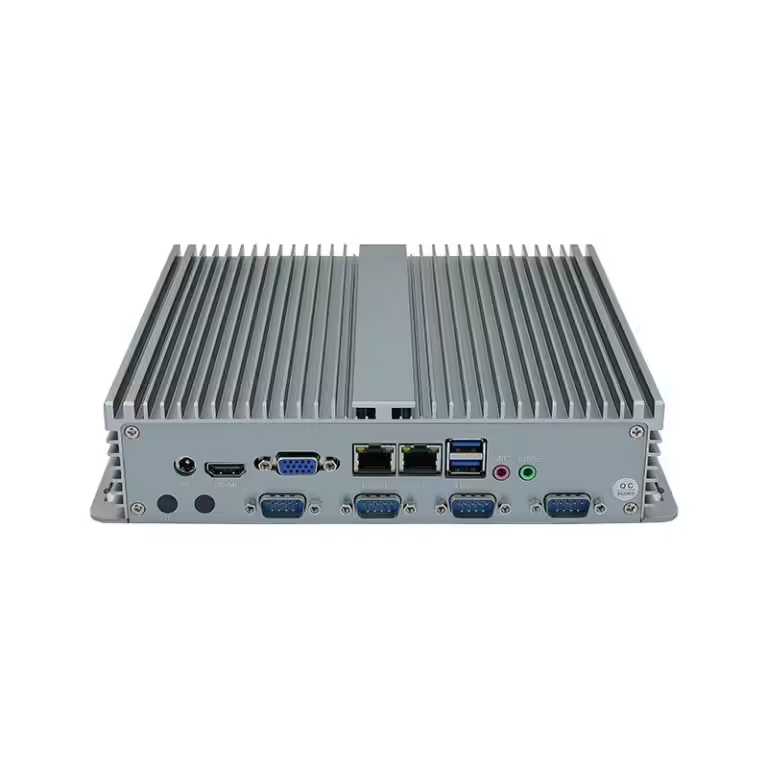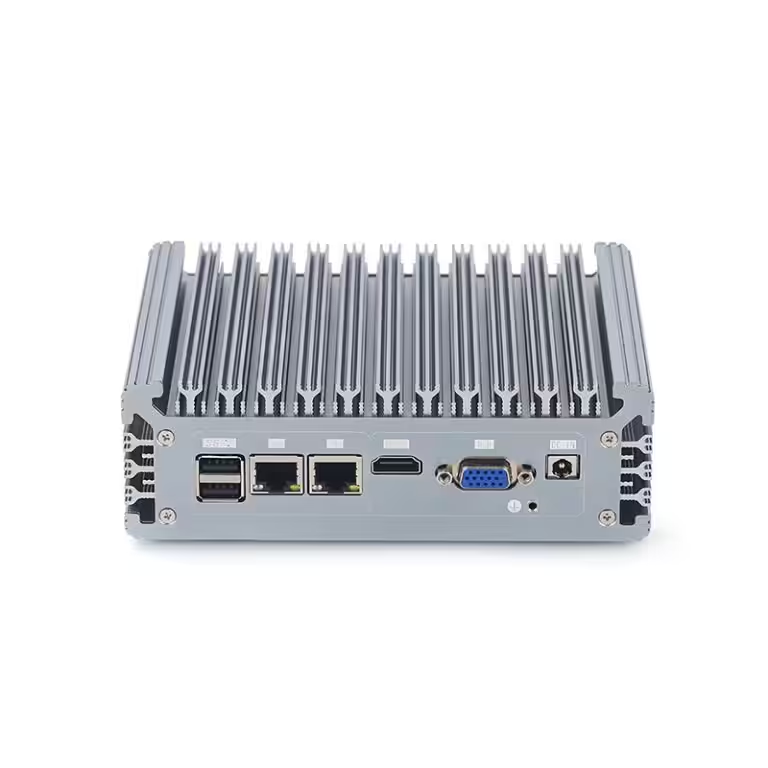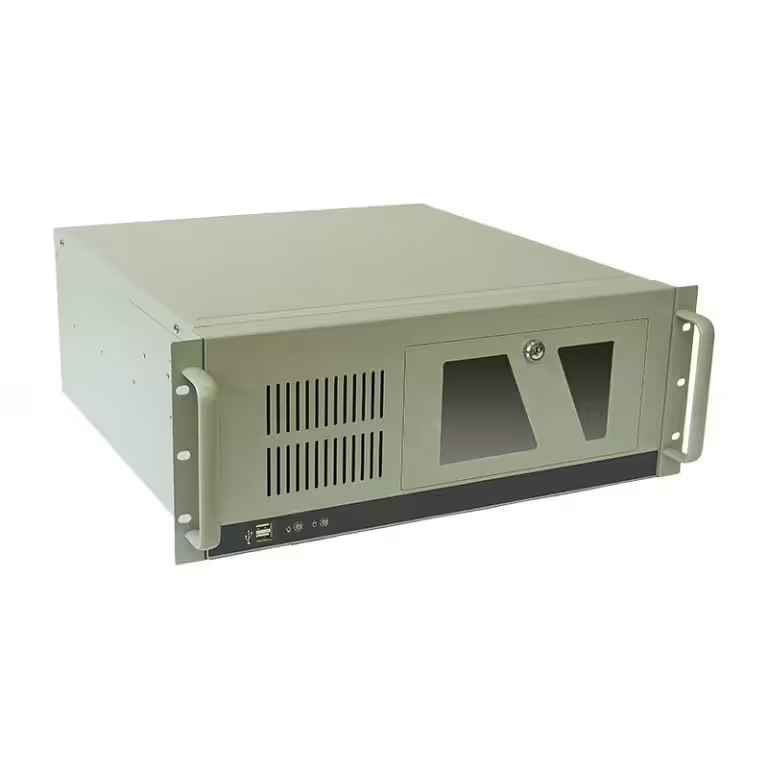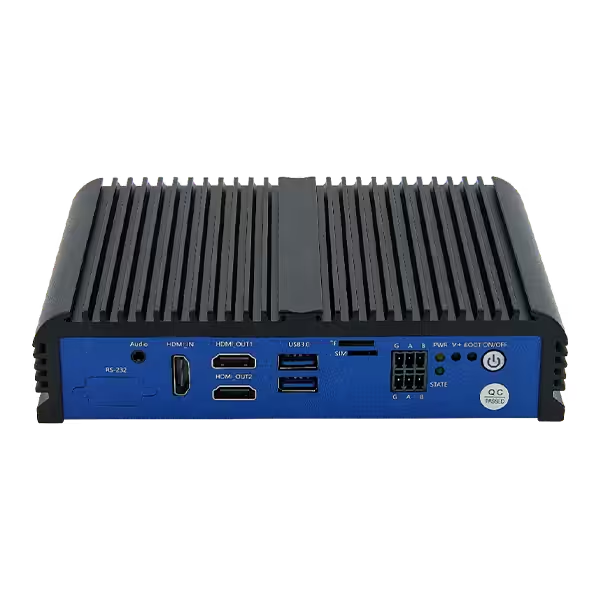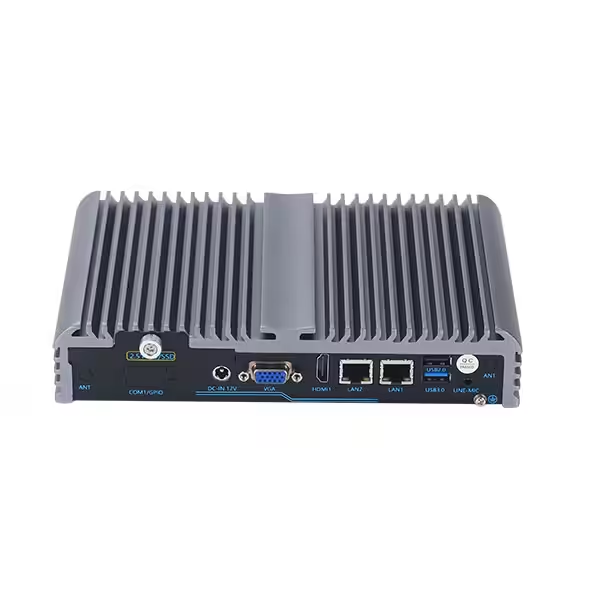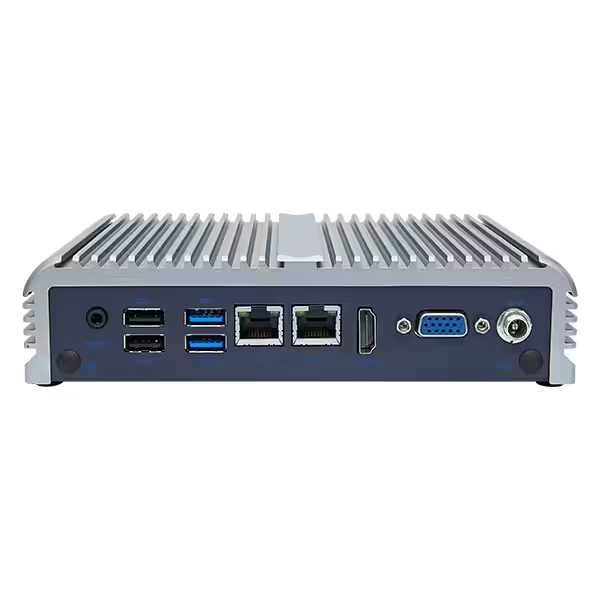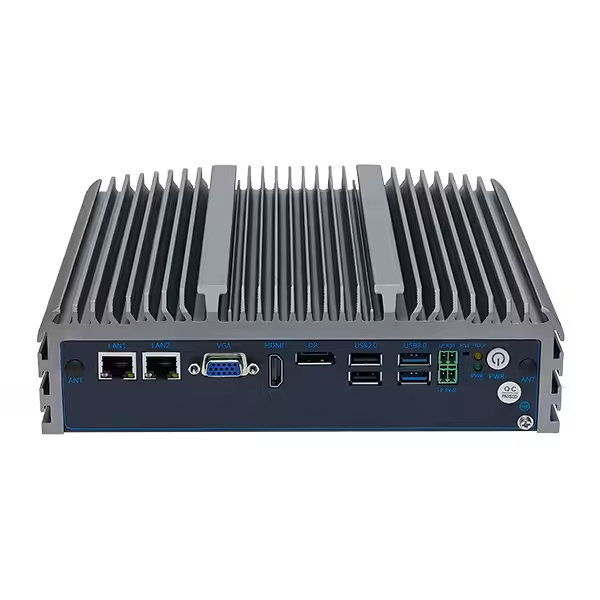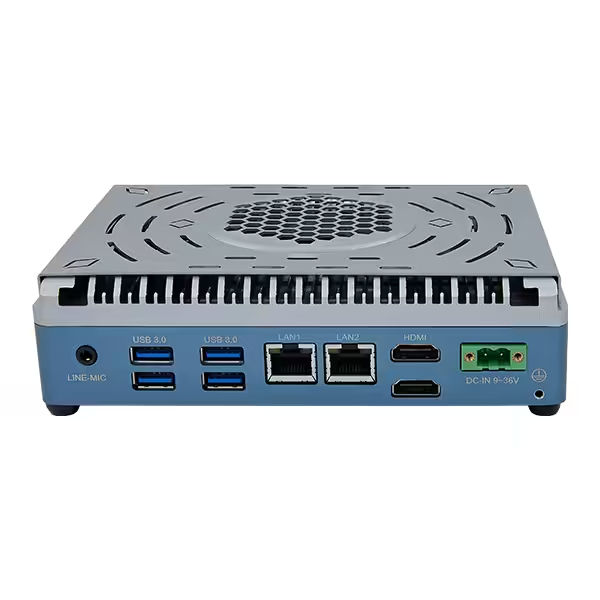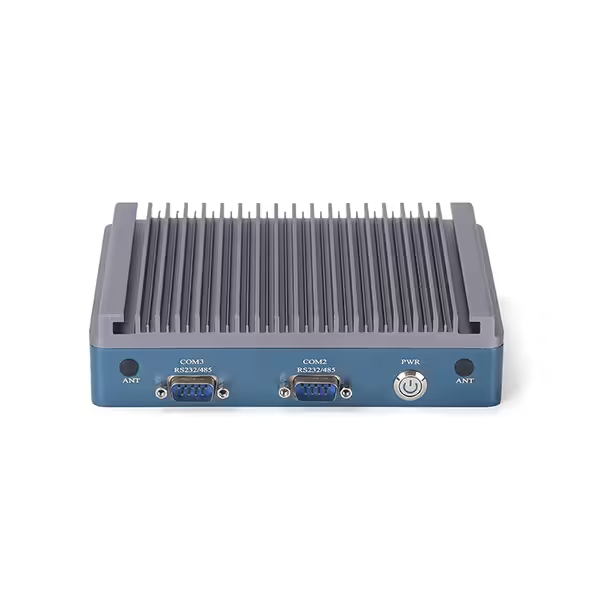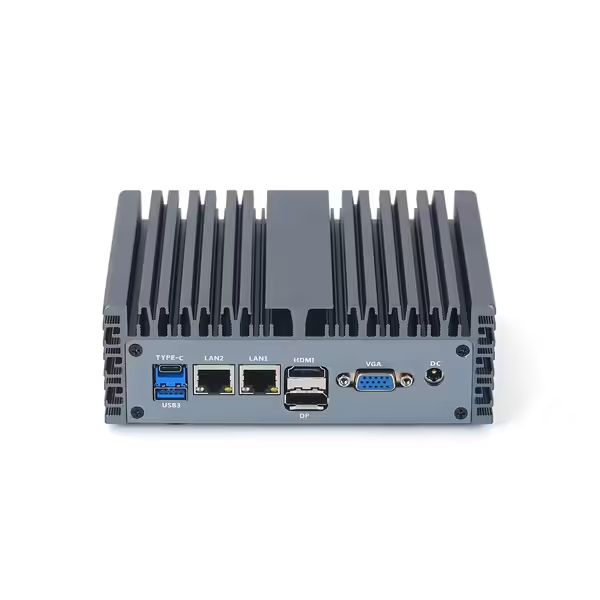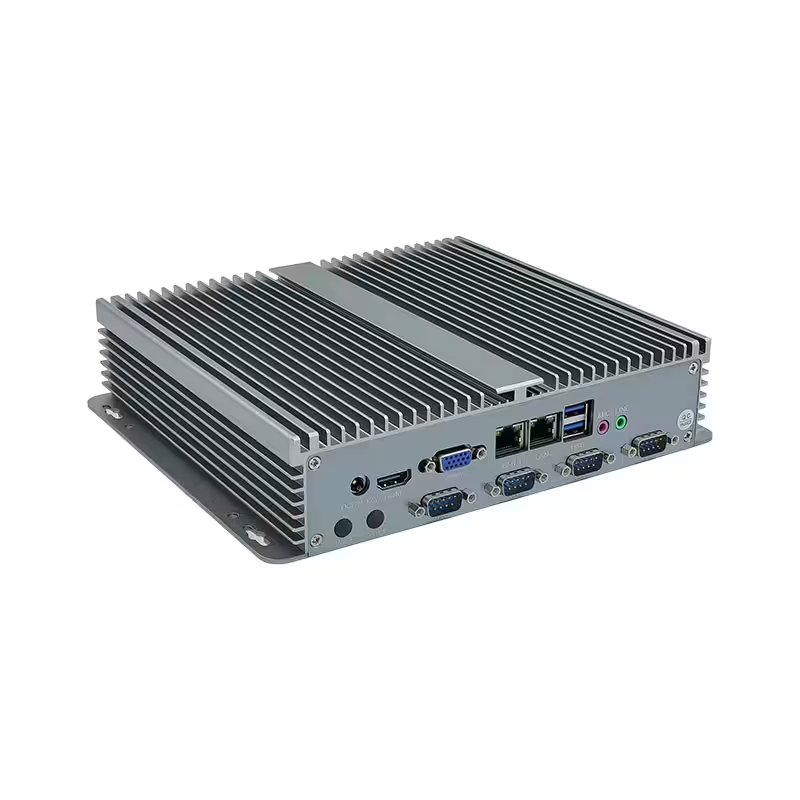
The most common practical uses of embedded systems in industrial automation are programmable logic controllers (PLCs) and programmable automation controllers (PACs), distributed control systems (DCS), smart sensors and actuators, robotics and motion control, human-machine interface (HMI) and edge devices, and industrial communication gateways.
These embedded systems form the foundation of modern plants. They handle tasks at a micro level, which delivers speed, accuracy, and responsiveness that general-purpose computers struggle to match. Each use case below gets examined for technical benefits, application fit, regulatory considerations, and cost aspects.
That structure helps engineers compare options on equal terms. Industrial automation technology keeps advancing, and embedded software now sits at the center of nearly every control decision.
PLCs and PACs in Industrial Automation
Best-Fit Applications
PLCs and PACs are the workhorses of factory automation. A PLC runs a dedicated embedded controller that scans inputs, executes control logic, and updates outputs in a fixed cycle. This design drives motors and sequences assembly lines without the overhead of a general-purpose computer. No operating system updates interrupt the scan. No background process steals CPU time from a conveyor interlock.
These industrial controllers fit repetitive, deterministic tasks best. Examples include motor start-stop chains, pneumatic sequencing, and line changeovers. A PAC extends the same platform with motion, process, and data handling in one unit. That makes it a good match for mixed cells that combine discrete and analog work. Many industrial control systems in food, packaging, and automotive plants rely on this class of hardware.
Benefits, Compliance, and Cost
The technical benefits come from tight coupling between embedded software and I/O. Scan times stay predictable, diagnostics report faults at the module level, and rugged designs tolerate vibration, dust, and electrical noise. Engineers program in the languages defined by IEC 61131-3, which keeps skills portable across vendors.
Compliance depends on the application. Safety-related functions often follow IEC 61508 or ISO 13849, and machinery exported to Europe needs CE marking. Cost has two parts. The hardware price is moderate for compact units and rises with redundancy and I/O count. Engineering and lifecycle costs usually dominate, so reusable control logic and clear documentation pay back quickly. Embedded systems in industrial automation earn their place here through long service life and stable behavior.
DCS for Continuous Process Control
DCS vs. PLC Architectures
A DCS spreads control across many loops and many controllers. Each controller owns a portion of the process, and the system coordinates them as one plant. This differs from a PLC, which typically runs one fast scan cycle over a compact set of I/O. The architectures of embedded systems in automation reflect that split. A DCS favors many moderate-speed loops with tight coordination. A PLC favors fewer, faster, tightly coupled tasks.
Engineers choose a DCS when the process runs continuously and the loops interact. Examples include distillation columns, reactor trains, and large boiler systems. Embedded software in a DCS handles loop tuning, alarm management, and historian feeds as one integrated stack. A PLC-based line usually needs separate products for those functions.
Reliability and Cost Trade-offs
Reliability sits at the center of the DCS design. Controllers run in redundant pairs, networks carry alternate paths, and power supplies are duplicated. A failed module hands control to its partner without stopping the process. That resilience suits plants where an unplanned shutdown costs far more than the hardware.
Cost follows the same logic. A DCS carries a higher entry price than a compact PLC, and the gap widens with I/O count and redundancy depth. The trade-off pays back in continuous processes with long run times and high restart costs. Embedded systems in industrial automation earn their keep here by protecting uptime. Control-loop architectures in a DCS also scale smoothly as a plant adds loops, which keeps expansion predictable. Teams weighing the two options should compare total lifecycle cost, not just the controller price.
Smart Sensors and Actuators
Embedded Intelligence at the Edge
A smart sensor carries a small processor inside its housing. That microcontroller converts raw signals into engineering units, filters noise, and flags faults before data leaves the device. Smart actuators work the same way in reverse. They accept a command, verify position feedback, and report health status back to the controller.
This local processing changes how plants use data. A vibration sensor can trend its own readings and raise an alert when a bearing starts to degrade. Such signals feed predictive maintenance programs without loading the central controller. Embedded software inside each device handles calibration, scaling, and self-diagnosis. The result is less wiring, faster response, and cleaner data for the control layer.
Certifications and Cost Factors
Certification needs vary by role. Safety-related sensors and actuators often fall under IEC 61508 or ISO 13849, and devices sold in Europe carry CE marking. Interface standards matter too. IO-Link gives smart devices a common digital channel, which simplifies replacement and configuration.
Cost has shifted in recent years. Intelligent devices cost more per unit than simple switches, yet they remove separate signal conditioners and reduce cabinet space. Commissioning also gets faster, since parameters load electronically instead of through manual adjustment. Buyers should weigh unit price against installation and troubleshooting savings. Embedded systems in industrial automation increasingly sit inside the sensor itself, and that trend rewards planners who budget for the full lifecycle rather than the purchase order.
Robotics and Motion Control
Real-Time Control in Robotic Systems
Industrial robots depend on tight timing. A controller must read joint positions, compute new commands, and drive the motors within a fixed cycle. Embedded systems make this possible. A dedicated microcontroller or motion module runs the servo loop, and a real-time operating system schedules every task with a known deadline. This is what separates real-time systems from office computers, where timing varies with load.
Deterministic embedded software keeps each cycle identical. The controller knows exactly when feedback arrives and when the next command leaves. Real-time control software then coordinates multiple axes so the tool tip follows the planned path. Embedded software also handles interpolation, encoder feedback, and fault checks inside the same loop. These robots weld, pick, and palletize with repeatable accuracy because the timing never drifts.
Safety Standards and Cost Considerations
Safety shapes the design of every robotic cell. Industrial robots sold in Europe carry CE marking, and robot safety commonly follows ISO 10218. Functions such as safe torque off and guarded speed limits often fall under ISO 13849 or IEC 61508. Embedded systems in industrial automation must therefore prove their safety behavior, not just their speed.
Cost splits into hardware and integration. Servo drives, encoders, and safety-rated controllers add expense, and the engineering effort to validate safety functions adds more. The payoff comes from uptime and from cells that run alongside people under defined conditions. Planners should budget for certification early. Embedded systems inside the controller and the drive carry the timing and safety burden, and that role justifies the investment in industrial automation.
HMI and Edge Devices
Local Visualization and Edge Analytics
An HMI panel puts a display, a touch layer, and a small computer in one enclosure on the machine. A microcontroller or low-power processor runs the screen, reads operator input, and talks to the controller over a fieldbus. Operators see alarms, setpoints, and trend charts without walking to a control room. The embedded software behind the screen keeps the interface responsive even when the network is busy.
Edge devices extend this role beyond display. A gateway-class unit can run analytics next to the line, filter data, and forward only what matters. This local processing supports industrial automation goals such as fast fault response and lower network load. Embedded systems in these units must boot quickly and recover from power loss without losing configuration.
Deployment Fit and Regulations
HMI and edge hardware fits cells that need local control and clear operator feedback. Panel-mount units suit compact machines, while larger edge boxes serve lines that generate high data volumes. A plant running industrial iot applications often places edge devices near the equipment to shorten data paths and cut cloud traffic.
Regulatory needs follow the installation. Panels in Europe carry CE marking, and safety-related functions may fall under IEC 61508 or ISO 13849. Cost depends on screen size, processor class, and enclosure rating. Edge analytics can reduce predictive maintenance spending by catching faults early. Embedded systems and embedded software together decide how well these devices perform, so planners should match processor headroom to the analytics workload.
Industrial Communication Gateways
Protocol Bridging and Data Integration
Plants rarely run one network. A machine cell may speak one fieldbus, the building system another, and the enterprise layer a third. A gateway sits between them. It reads data in one protocol and republishes it in another, so a controller and a historian can share information without direct compatibility. Embedded systems inside the gateway run this translation on dedicated hardware. The processor handles frame conversion, buffering, and timing without competing with other plant tasks.
Data integration goes beyond simple conversion. A good gateway maps tags, applies scaling, and timestamps values before forwarding them. Embedded software manages these rules and keeps the data stream orderly. Engineers can then feed line data into analytics or maintenance tools without rewriting controller logic. This bridging role supports industrial automation goals such as plant-wide visibility and faster fault tracing.
Compatibility and Standards
Compatibility starts with the protocol stack. Gateways must implement each protocol correctly, and conformance testing confirms that behavior. Fieldbus organizations publish their own conformance suites, and buyers should ask for test evidence before purchase. Firmware updates matter too. A gateway that cannot accept new protocol revisions will age quickly on a live line.
Regulatory needs follow the cabinet. Units sold in Europe carry CE marking, and safety-related data paths may fall under IEC 61508 or ISO 13849. Cost depends on port count, protocol coverage, and processor class. Embedded systems and embedded software together decide how many protocols one box can bridge at full speed. Planners should match the gateway to the plant’s protocol mix and leave headroom for future links.

Benefits and Challenges in Industrial Automation
The Role of Embedded Systems in Industrial Automation 4.0
The six use cases share one payoff. Data moves from the machine to the decision, and it moves fast. Real-time monitoring, analyzing, and controlling machinery through data defines Industrial Automation 4.0. The role of embedded systems in industrial automation is to make that loop reliable at every layer.
A PLC closes the control loop in milliseconds. A smart sensor filters noise before the data travels. A gateway translates protocols so the historian sees the same value the controller sees. Embedded systems with IIoT capabilities extend this chain to analytics platforms without adding a general-purpose computer on the plant floor.
Embedded automation through IIoT then turns raw signals into trends, alerts, and reports. Industrial automation technology has reached a point where connectivity is built into the controller, not bolted on later.
Common Challenges and Mitigations
Integration complexity tops the list. Each use case speaks its own protocol, and each vendor ships its own configuration tool. A plant that adds edge analytics to an existing DCS must map tags, align timestamps, and test every link. The benefits and challenges of embedded systems in industrial automation sit side by side here. The fix is staged pilots. Start with one cell, prove the data path, then scale. Conformance testing for gateways and IO-Link devices catches compatibility faults before commissioning.
Lifecycle management is the second challenge. Embedded software needs updates, and firmware revisions can break a validated safety function. Deterministic embedded software helps only if the update process respects the validation record. Teams should plan firmware windows, keep configuration backups, and confirm that each device accepts new protocol revisions. Predictive maintenance programs depend on this discipline, because a sensor that stops reporting quietly undermines the whole model.
Each use case fits a different part of the answer. PLCs and PACs suit fast discrete control. A DCS suits coordinated continuous loops. Smart sensors and actuators suit local intelligence. Robotics suits tight motion timing. HMI and edge devices suit local visibility. Gateways suit protocol bridging. Embedded automation systems work best when planners match the tool to the task and document the interfaces between them.
Conclusion
The six use cases work as one system. PLCs and PACs close control loops fast. A DCS keeps continuous processes coordinated. Smart sensors and actuators filter data at the source. Robotics and motion control hold timing steady. HMI and edge devices show operators what matters. Gateways move that data between protocols. Together they raise efficiency, reliability, and safety.
Embedded systems sit beneath every layer, from control and sensing to motion, visualization, and connectivity. That shared foundation answers the practical question of where these devices fit. Selection should follow three tests. Match the use case to the application. Confirm the compliance path, such as CE marking or ISO 13849. Compare lifecycle cost, not just unit price. A balanced mix serves industrial automation best.
FAQ
How do I choose between a PLC and a DCS for a new line?
Start with the process shape. Fast, discrete tasks with a compact I/O set suit a PLC. Continuous processes with many interacting loops suit a DCS. Compare total lifecycle cost, redundancy needs, and restart costs before deciding. Both rely on embedded systems, so the difference lies in architecture, not raw capability.
Do smart sensors replace the controller?
No. Smart sensors and actuators handle calibration, scaling, and self-diagnosis locally, then pass clean data upward. The controller still closes the control loop and coordinates the line. Local intelligence reduces wiring and central load. It complements the control layer rather than replacing it.
When does a plant need an industrial communication gateway?
A gateway earns its place when two networks must share data but cannot speak directly. Mixed protocol environments are the clearest case. Confirm conformance test evidence and firmware update support before purchase. Gateways extend industrial automation visibility across cells without rewriting controller logic.
How should teams plan firmware updates on validated equipment?
Treat updates as controlled events. Schedule firmware windows, back up configurations, and re-verify any safety function affected by the change. Standards such as ISO 13849 and IEC 61508 shape that validation record. Disciplined update planning protects embedded systems over a long service life.
What is the first step for a plant starting an automation upgrade?
Run a staged pilot on one cell. Prove the data path from sensor to analytics, test protocol links, and document every interface. Then scale. This approach limits risk and reveals integration gaps early. Well-planned embedded systems deliver their value only when the surrounding interfaces are tested.